Troubleshooting Graduation Money Necklaces: Fix & Preserve
Learn how to fix torn folds, untangle beads, and preserve DIY origami cash and metal graduation money necklaces with expert jewelry techniques.

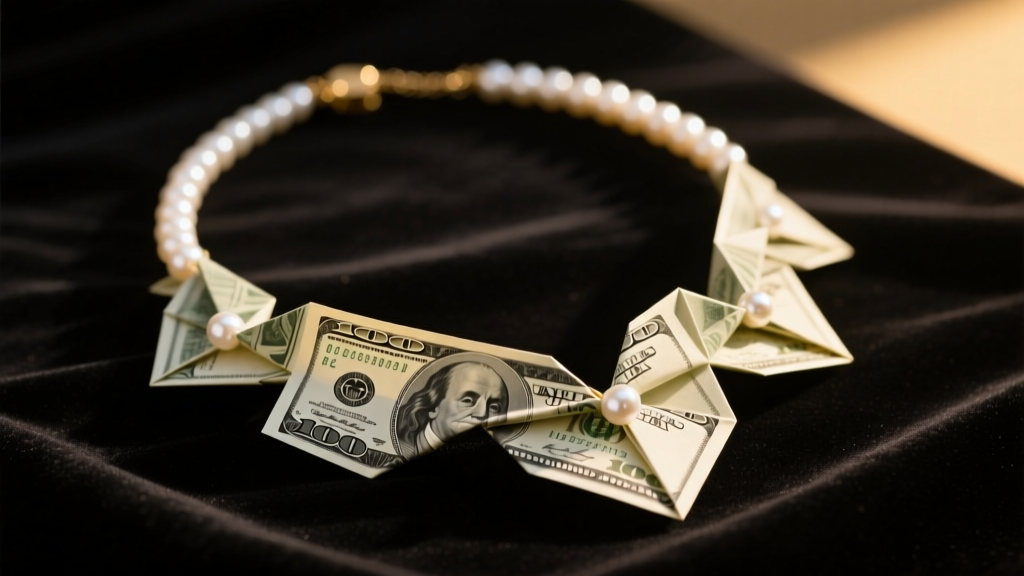
The viral trend of gifting graduation money necklaces has evolved from a fleeting social media craze into a staple for the Class of 2026. Whether constructed from intricate origami-folded currency interspersed with pearls, or featuring solid metal money-bag pendants, these pieces carry immense sentimental value. However, the structural reality of wearing paper currency and mixed-media beads often leads to rapid deterioration. As jewelry specialists, we frequently see these necklaces fail within weeks due to improper stringing materials, skin oils degrading the paper, and cheap alloy tarnishing. This comprehensive troubleshooting guide will help you diagnose structural failures, upgrade your materials, and archive your graduation money necklace as a permanent keepsake.
Diagnosing Structural Failures in DIY Cash Origami
United States currency is not actually paper; it is a durable blend of 75% cotton and 25% linen, as confirmed by the Bureau of Engraving and Printing. While this fabric blend resists tearing better than wood-pulp paper, the stress points created during the folding and stringing process are highly vulnerable.
The Punch-Hole Tear Out
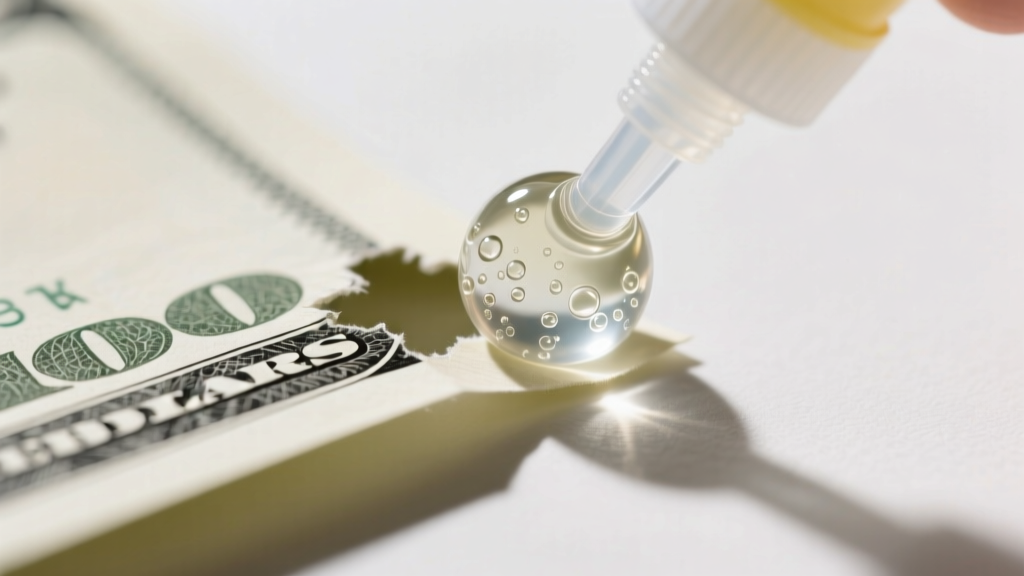
The most common failure mode in origami cash necklaces is the tear-out at the punch-hole. Standard 1/8-inch craft punches create a clean hole, but the friction of a nylon cord rubbing against the cotton-linen edge eventually causes fraying. When the hole expands, the cash bead slips off the necklace.
- The Fix: Do not rely on clear tape, which yellows and leaves acidic residue. Instead, apply a micro-drop of GS Hypo Cement or a flexible archival jewelry adhesive around the inner rim of the punch-hole. This creates a flexible, waterproof polymer ring that absorbs friction without cracking the currency fibers.
- The Upgrade: For a professional finish, use a 1.5mm metal eyelet setter to crimp tiny sterling silver or brass eyelets into the punch-holes before stringing. This completely eliminates paper-on-cord friction.
The Tangling Epidemic: Upgrading Your Stringing Material
Many DIY graduation money necklaces are strung on cheap cotton thread or stiff nylon cord. When mixed with the irregular shapes of origami cash and smooth faux pearls, these materials twist, knot, and eventually snap under the weight of a 30-bill lei.
Stringing Material Comparison Chart
| Material | Tensile Strength | Flexibility | Best Use Case |
|---|---|---|---|
| Braided Nylon Cord | 15 lbs | High | Lightweight paper beads only |
| 49-Strand Micro Wire (0.015') | 40 lbs | Medium | Heavy origami cash mixed with glass pearls |
| 24-Gauge Sterling Wire | 12 lbs | Low (Stiff) | Permanent, structured keepsake collars |
To permanently solve tangling and snapping, re-string the necklace using a 49-strand micro-beading wire (0.015-inch or 0.38mm diameter). According to Soft Flex Company, 49-strand wire offers the drape of silk thread but the tensile strength of steel. It resists the kinking that causes nylon to tangle around the sharp corners of folded twenty-dollar bills.
Securing the Clasp
When finishing the ends of your beading wire, avoid simple overhand knots which will slip through crimp beads. Use a sterling silver tube crimp, crush it with a micro-crimping plier to fold it into a rounded bead shape, and secure the tail with a surgeon's knot and a drop of E6000 jewelry adhesive.
Archival Sealing: Protecting the Currency
Human skin produces sebum (oil) and sweat, which are highly acidic. When a graduation money necklace rests against the collarbone, these oils transfer to the currency, causing the cotton-linen blend to break down, discolor, and develop a distinct odor over time.
What NOT to Use
Avoid standard Mod Podge or water-based PVA glues. These introduce moisture that warps the currency and can cause the green security inks to bleed. Furthermore, never store or seal currency in standard PVC (polyvinyl chloride) plastic sleeves.
Expert Warning: PVC contains plasticizers that off-gas over time. These chemicals react with the specific ink formulations used on US currency, causing the bills to become gelatinous and permanently fuse to the plastic. Always use archival-grade, PVC-free polyester (Mylar) for storage.
The Proper Sealing Technique
To protect the cash while maintaining its matte, fabric-like texture, use an acid-free, non-yellowing archival mist. The American Institute for Conservation recommends sprays like Krylon Preserve It! for mixed-media paper artifacts. Hold the can 12 inches away and apply two ultra-light, cross-hatched coats. This creates a microscopic UV-resistant barrier that repels skin oils without altering the fold geometry of the origami.
Troubleshooting Metal Money Pendants
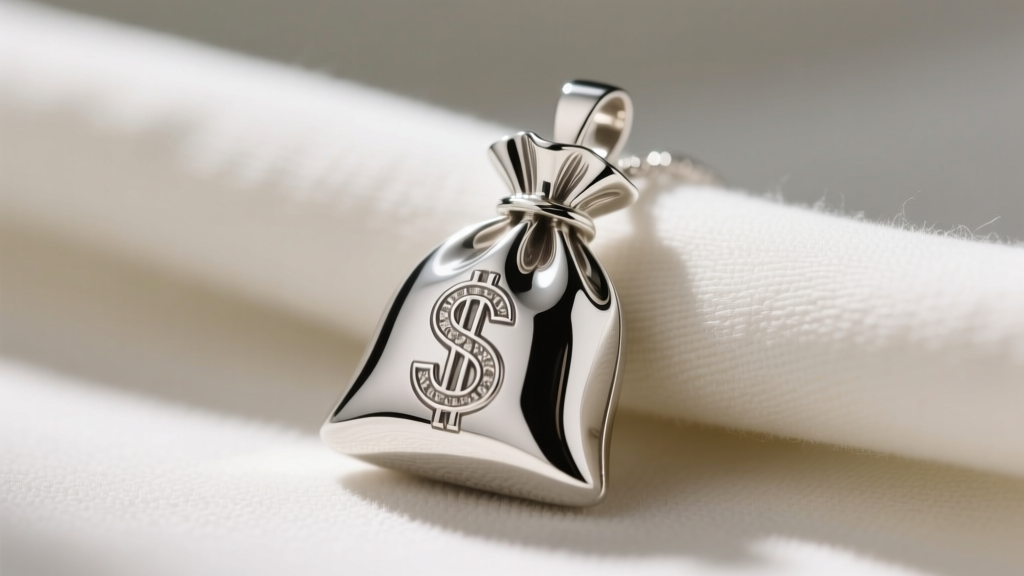
Not all graduation money necklaces feature actual cash. Many graduates receive jewelry-grade money-bag charms, gold coin replicas, or engraved bill pendants. The primary issue with these metal pieces is rapid oxidation and clasp failure.
Combating Verdigris and Tarnish
If your money-bag pendant is turning your skin green or developing a dark patina, it is likely cast from brass or a copper-zinc alloy rather than solid gold or sterling silver. The copper reacts with sweat to create copper chloride (verdigris).
- Cleaning: Use a specialized brass polish or a mild paste of baking soda and lemon juice to strip the oxidation. Rinse thoroughly and dry completely.
- Sealing: Apply a micro-thin layer of Renaissance Wax or a jewelry-specific clear nano-coating to the back of the pendant to create a barrier between the base metal and the skin.
- The Upgrade: If the plating is entirely worn off, take the pendant to a local jeweler to have it heavily electroplated in 14k gold or rhodium, ensuring it lasts a lifetime.
Long-Term Keepsake Storage Framework
Once the graduation season ends, these necklaces are often tossed into jewelry boxes where they are crushed or exposed to humidity. To transition a graduation money necklace from a temporary party accessory to a generational keepsake, proper storage is non-negotiable.
- Acid-Free Tissue: Stuff the center of the necklace loop with unbuffered, acid-free tissue paper to maintain the circular shape and prevent the origami folds from being crushed flat.
- Anti-Tarnish Strips: Even if the necklace is primarily paper, any metal eyelets, clasps, or mixed pearls will benefit from a 3M anti-tarnish strip placed inside the storage box.
- Climate Control: Store the box in a climate-controlled interior closet. Attics and basements experience humidity fluctuations that will cause the linen fibers in the currency to expand and contract, eventually snapping the folds.
By diagnosing the specific failure points of your graduation money necklace and upgrading the stringing and sealing materials, you ensure that the financial and sentimental investment survives long past graduation day. Whether you are preserving a delicate origami lei or polishing a heavy metal coin pendant, applying these professional jewelry troubleshooting techniques will keep your memories intact.


