How Do You Make Money Necklaces Work as Investments in 2026?
Discover how money necklaces hold value in 2026. Learn to assess melt value, numismatic premiums, and bezel impacts for coin jewelry investments.

The Intersection of Numismatics and Wearable Wealth
In the world of alternative asset classes, jewelry often struggles to retain its retail markup the moment it leaves the store. However, a specific niche within the 'Necklaces & Pendants' category defies this rule: coin jewelry. When collectors and investors ask, how do you make money necklaces yield a return on investment, they are usually referring to pendants crafted from actual historical currency, bullion, or physical crypto tokens. Unlike standard diamond or gemstone pendants, which suffer steep depreciation, money necklaces possess an intrinsic 'floor value' tied to precious metal spot markets, coupled with a potential 'ceiling value' driven by numismatic rarity.
As we navigate the economic landscape of 2026, understanding the duality of these pieces is critical for buyers looking to merge personal adornment with portfolio diversification. This guide breaks down the exact frameworks jewelers, coin dealers, and investors use to assess the true value of money necklaces.
What Exactly Are 'Money Necklaces'?
To properly assess value, we must first define the asset class. True money necklaces are not novelty items stamped with dollar signs or faux-currency motifs. They are functional pieces of jewelry that incorporate legal tender or historical currency as the primary pendant. The most common iterations include:
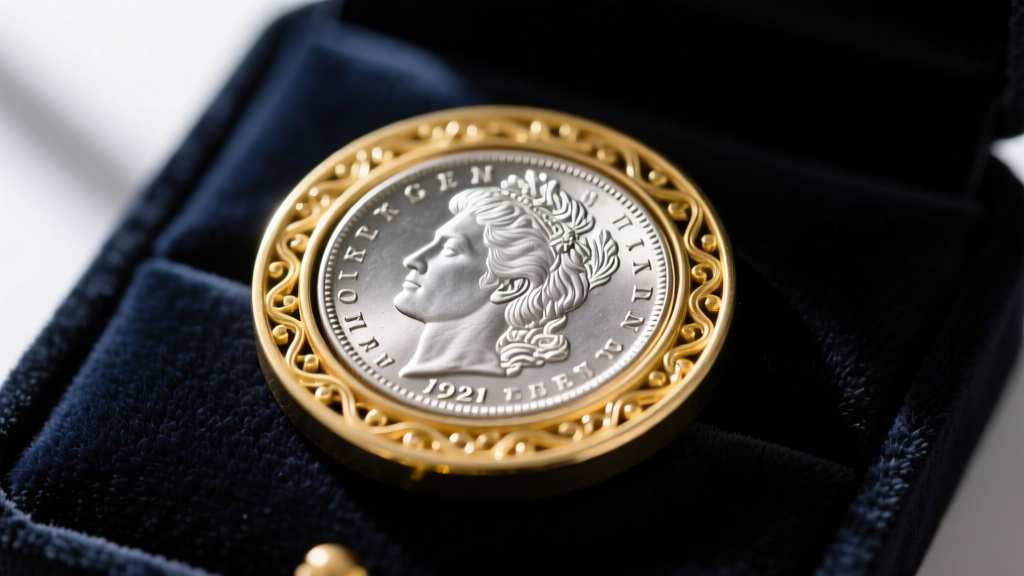
- Historical Silver Dollars: Morgan and Peace dollars (minted 1878–1935) set in protective bezels.
- Gold Sovereigns and Eagles: 22k British Gold Sovereigns or American Gold Eagles utilized for high-end, luxury pendants.
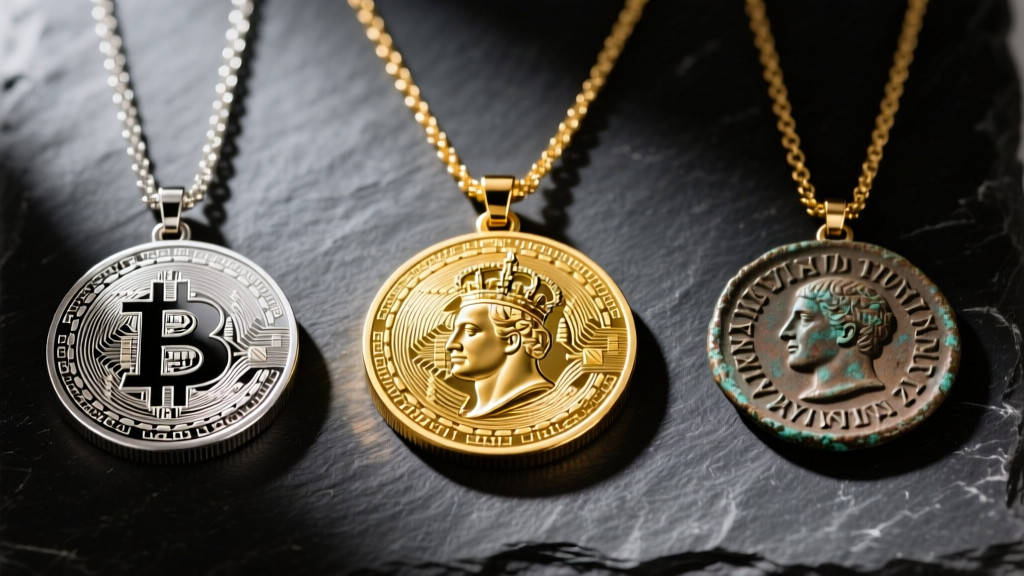
- Ancient Coinage: Roman denarii or Greek drachmas, valued strictly on historical provenance rather than melt weight.
- Physical Crypto Tokens: Casascius coins or physical Bitcoin pendants that contain a verifiable digital private key.

The Core Valuation Framework: Melt Value vs. Numismatic Premium
If you want to understand the economics of coin pendants, you must separate the metal from the history. The valuation of any money necklace rests on two distinct pillars: the Actual Metal Weight (AMW) and the Numismatic Premium.
1. Calculating the Melt Value (The Floor Price)
The melt value is the baseline intrinsic worth of the precious metal contained within the coin, calculated against real-time spot prices tracked by authoritative sources like Kitco Metals. It is crucial to note that most historical coins are not 100% pure. For example, a standard Morgan Silver Dollar weighs 26.73 grams, but its silver purity is only .900 (90%). Therefore, its Actual Silver Weight (ASW) is exactly 0.77344 troy ounces. If silver is trading at $32.00 per ounce in 2026, the absolute melt floor of that necklace is $24.75, regardless of how beautiful the jewelry setting is.
2. Assessing the Numismatic Premium (The Ceiling)
The numismatic premium is the collector's markup based on rarity, condition (grading), mint mark, and historical significance. According to the American Numismatic Association, a common 1921 Morgan Dollar in circulated condition carries almost zero premium over its melt value. However, an 1893-S Morgan Dollar in Mint State (MS-63) condition can command upwards of $10,000. The challenge with money necklaces is preserving this premium while making the coin wearable.
Comparative Value Matrix: Popular Coin Pendants
| Coin Type | Metal Content | Approx. ASW / AGW | 2026 Melt Floor | Numismatic Range |
|---|---|---|---|---|
| Morgan Silver Dollar (Common Date) | 90% Silver, 10% Copper | 0.77344 oz Silver | $24 - $28 | $35 - $80 |
| British Gold Sovereign | 22k Gold (91.67%) | 0.2354 oz Gold | $480 - $520 | $550 - $900 |
| American Silver Eagle (2024+) | 99.9% Fine Silver | 1.000 oz Silver | $32 - $36 | $45 - $65 |
| Roman Bronze Follis | Base Metal (Bronze/Copper) | N/A | $0 | $40 - $150 |
The 'Bezel Tax': Why Setting a Coin Destroys Value
The single greatest point of failure for investors buying money necklaces is the jewelry setting. Never buy or set a rare, graded coin in a soldered bezel.
In traditional jewelry making, a jeweler might solder a metal loop directly onto the edge of a coin to hang it from a chain. In the numismatic world, this is considered catastrophic damage. Soldering alters the coin's surface, instantly downgrading it from Mint State to 'Cleaned/Damaged,' wiping out 80% to 100% of its numismatic premium. You are left with nothing but a heavy piece of scrap gold and a ruined piece of silver.
The Investment-Grade Solution: Friction-Fit and Capsules
To preserve value, high-end money necklaces utilize one of two methods:
- Friction-Fit Bezels: A precision-machined gold or platinum ring that uses a threaded or pressure-fit mechanism to hold the coin by its rim without adhesives or solder.
- Sonically Sealed Capsules: The coin is sealed in an airtight acrylic or polycarbonate slab (like those from PCGS or NGC), and the jewelry bail is attached to the capsule's plastic rim, leaving the metal completely untouched.
How Do You Make Money Necklaces Pay Off? (Resale Strategies)
Liquidity is the true test of any investment. When it is time to sell your money necklace, the venue you choose will dictate your return. Here is the hierarchy of resale channels:
- The Local Jewelry Buyer (Lowest Return): They will view the piece strictly as scrap. They will melt the gold chain and bezel, and extract the silver coin for its base melt value. You lose all numismatic upside and retail craftsmanship costs.
- The Numismatic Dealer (Highest Return for Rarity): If your coin is a rare date in a friction-fit bezel, a specialized coin dealer will pay for the numismatic premium. They will carefully remove the coin from the protective setting and grade it.
- Private Collector Forums (Best for Ancient/Crypto): For niche items like verified physical Bitcoin pendants or ancient Roman bronze coins, private collector networks and specialized auction houses yield the best market-driven premiums.
2026 Market Trends: The Rise of Physical Crypto Pendants
While historical silver and gold remain the bedrock of coin jewelry, 2026 has seen a massive surge in physical cryptocurrency necklaces. Early 'Casascius' coins—physical brass or silver coins containing a hologram-sealed private key for a fraction of a Bitcoin—have transitioned from tech novelties to highly sought-after historical artifacts. When evaluating these pieces, the metal melt value is entirely irrelevant; the value is pegged strictly to the loaded digital denomination and the integrity of the tamper-evident hologram seal. Buyers must use UV light and magnification to ensure the hologram has not been peeled and resealed, a common fraud tactic in the crypto-jewelry secondary market.
Final Verdict: Budgeting for Your First Investment Piece
Money necklaces represent a unique intersection of wearable art and hard assets. To succeed, you must approach the purchase with a dual mindset. First, calculate the total precious metal weight of both the coin and the chain/bezel to establish your absolute financial floor. Second, consult resources like the United States Mint or professional grading services to verify the numismatic pedigree of the centerpiece.
By strictly avoiding soldered settings and prioritizing friction-fit bezels or encapsulated slabs, you ensure that your money necklace remains a liquid, appreciating asset rather than a depreciating fashion accessory. Whether you are wearing a piece of the Roman Empire or a physical fraction of the blockchain, the key to making money necklaces work for your portfolio lies entirely in the preservation of the coin's original state.