Monster Necklace Value Guide 2026: Budget vs. Luxury
Evaluate the true cost of a monster necklace in 2026. We compare budget alloys, mid-tier silver, and luxury gold to help you maximize your jewelry ROI.

Defining the 2026 Monster Necklace Trend
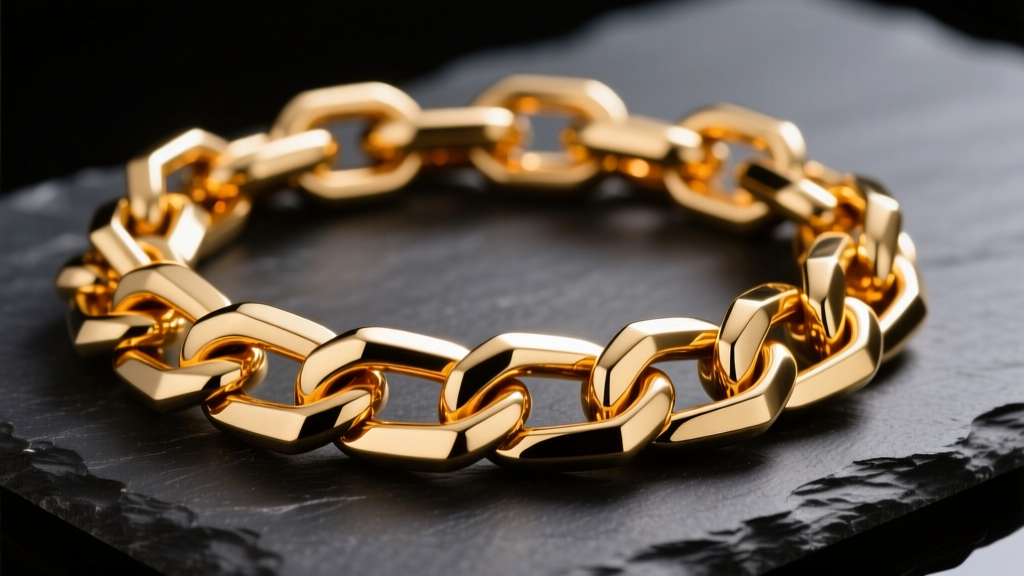
In the contemporary jewelry market, the term "monster necklace" has evolved far beyond novelty costume jewelry. As of 2026, it represents two distinct, high-impact categories in streetwear and avant-garde fashion: the Monster Link Chain (oversized, heavy-gauge interlocking links) and the Monster Motif Pendant (intricate, gothic, or cryptid creature pendants like gargoyles, dragons, or krakens). Both styles demand significant physical presence, which inherently drives up material costs and structural requirements.
When assessing the value of a monster necklace, buyers are often blinded by sheer size. However, a massive 200-gram chain made of hollow electroformed brass holds a fraction of the intrinsic and structural value of a solid 90-gram 925 sterling silver piece. This guide breaks down the exact material grades, manufacturing methods, and failure points across budget, mid-tier, and luxury tiers to help you make an informed investment.
Material Tiers: Where Your Money Actually Goes
The weight and volume of monster necklaces amplify the cost of raw materials. Understanding what lies beneath the surface plating is critical for assessing long-term value.
Tier 1: Zamak and Base Metal Alloys ($20 - $60)
Budget monster chains are typically cast from Zamak, a zinc alloy mixed with aluminum, magnesium, and copper. While Zamak allows for cheap, high-volume casting of complex monster motif pendants, it is inherently brittle. Under the stress of a heavy chain, Zamak links are prone to micro-fractures. Furthermore, these pieces are usually flash-plated with less than 0.5 microns of gold or silver, which wears off within weeks of contact with acidic skin chemistry, leading to the dreaded "green neck" effect.
Tier 2: 316L Stainless Steel with PVD Coating ($80 - $180)
For buyers who want the heavy, oversized look without the precious metal premium, 316L surgical stainless steel is the superior choice. According to Stuller Jewelry Supply, 316L steel offers exceptional tensile strength, meaning the links will never snap under their own weight. The best mid-tier pieces use PVD (Physical Vapor Deposition) coating rather than traditional electroplating. PVD bonds gold or black ruthenium at a molecular level, offering scratch resistance that outlasts standard plating by years. However, steel lacks intrinsic resale value.
Tier 3: Solid 925 Sterling Silver ($300 - $900)
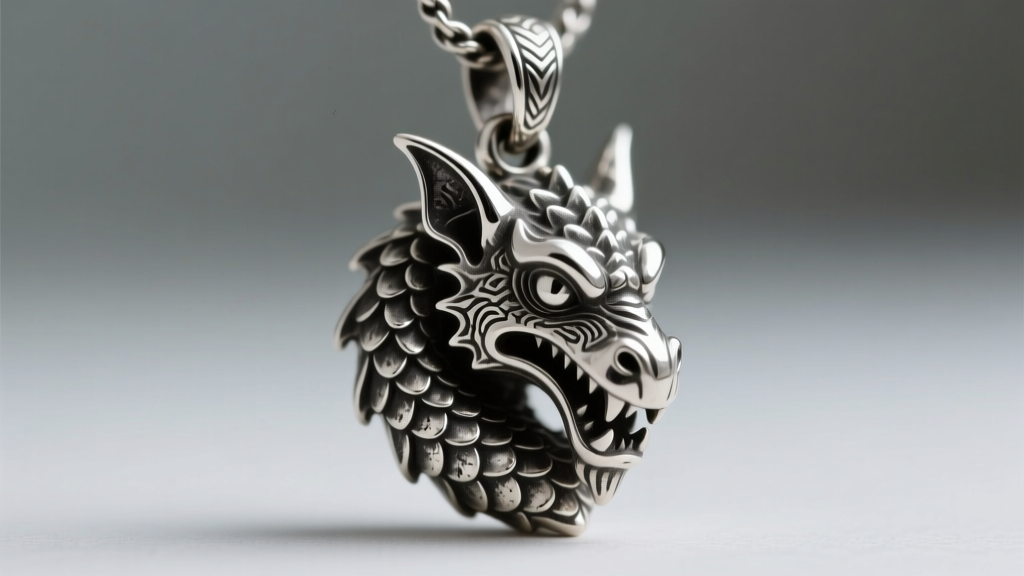
This is the sweet spot for value retention and craftsmanship. A solid cast sterling silver monster pendant or chain offers genuine precious metal status. High-end silversmiths use the lost-wax casting method to achieve deep, intricate textures on creature motifs, finishing them with a heavy rhodium flash to prevent tarnishing. According to the Gemological Institute of America (GIA), sterling silver maintains a baseline melt value and can be polished indefinitely, unlike plated alternatives.
Tier 4: Solid 14k and 18k Gold ($3,500+)
Luxury monster necklaces are investment-grade assets. A solid 14k gold monster link chain weighing 150 grams will track closely with the spot price of gold. The value here lies in the intrinsic metal weight combined with the brand prestige of designers who popularized the gothic and streetwear monster aesthetics.
The Value Matrix: Budget vs. Mid-Tier vs. Luxury
| Metric | Budget (Zamak/Brass) | Mid-Tier (316L Steel) | Luxury (Solid 925 / 14k) |
|---|---|---|---|
| Price Range | $20 - $60 | $80 - $180 | $300 - $5,000+ |
| Manufacturing | Die-cast, Hollow Electroforming | CNC Machined, Solid Cast | Lost-Wax Cast, Hand-Assembled |
| Plating/Finish | Flash Plated (<0.5 microns) | PVD Coating (2-3 microns) | Solid Metal / Rhodium Flash |
| Structural Integrity | Low (Prone to denting/snapping) | Extremely High | High (Malleable but durable) |
| Resale Value | $0 | $0 | High (Melt value + Brand premium) |
Critical Failure Points in Heavy Chains
When buying a monster necklace, the chain links are only half the equation. The sheer weight of these pieces creates unique structural vulnerabilities that budget manufacturers routinely ignore.
The Clasp Bottleneck
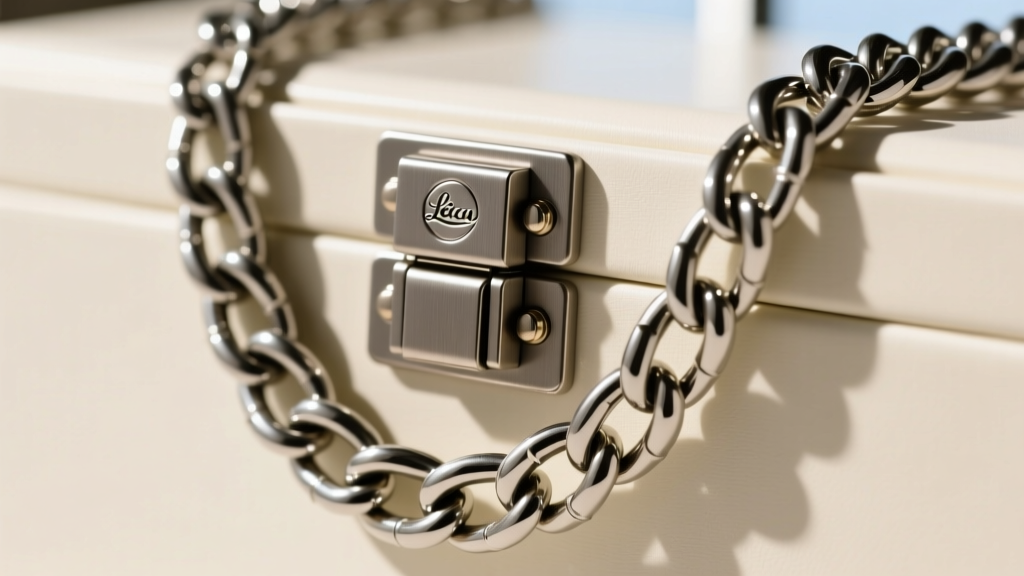
A standard 12mm lobster clasp is rated for roughly 50 grams of tension. A true monster link chain often exceeds 150 grams. When the weight of the chain pulls against a cheap lobster clasp, the lever mechanism fatigues and eventually snaps open, resulting in lost jewelry. Always inspect the clasp hardware. A proper monster chain requires a box clasp with dual figure-8 safety latches. The box mechanism distributes the tensile load across a steel tongue, while the safety catches act as a fail-safe if the primary lock disengages.
Hollow vs. Solid Links
To keep costs down, budget brands use electroforming to create hollow gold-plated links. While they look massive, they weigh almost nothing. The failure mode here is catastrophic: a single bump against a doorframe will crush the thin metal shell. Once dented, hollow links cannot be repaired. Furthermore, the hollow cavities trap sweat and moisture, accelerating internal corrosion. Always demand solid cast or CNC-machined links for any chain over 10mm in width.
Pre-Purchase Inspection Checklist
Before finalizing your purchase, run the necklace through this physical assessment framework:
- The Magnet Test: 316L stainless steel is mostly non-magnetic (it may show a very slight pull due to nickel content, but should not snap to a magnet). If a "silver" pendant sticks firmly to a magnet, it is a cheap ferrous base metal.
- Seam Inspection: Use a jeweler's loupe to examine the link seams. High-quality chains feature laser-welded seams that are virtually invisible. Budget chains often have open seams or messy solder blobs that catch on clothing and hair.
- Weight Verification: Ask the seller for the exact gram weight. A 14mm Cuban or Monster link chain should weigh between 120g and 250g depending on the length and material. If a bulky chain weighs under 40g, it is hollow and should be avoided.
- Pendant Bail Sizing: Monster motif pendants are heavy. Ensure the bail (the loop connecting the pendant to the chain) is cast solid and features a reinforced steel insert. Thin, hollow bails will warp and snap under the pendulum motion of daily wear.
Expert Insight: Never apply chemical silver dips or ultrasonic cleaners to oxidized monster motif pendants. The intricate scales, horns, and recessed shadows rely on intentional patina (liver of sulfur) for depth. Harsh chemicals will strip the contrast, leaving the piece looking flat and cheap.
Final Verdict: Maximizing Your ROI
If your goal is purely aesthetic experimentation for a specific event or photoshoot, a mid-tier 316L stainless steel monster necklace offers the best visual impact per dollar, thanks to durable PVD finishes and unbreakable links. However, if you view jewelry as an extension of your personal brand and a long-term asset, solid 925 sterling silver is the undisputed champion of value. It provides the heavy, luxurious drape of precious metal, can be restored by any professional jeweler, and avoids the structural landmines of budget Zamak casting. Skip the hollow budget traps, invest in solid hardware, and your monster necklace will outlast the trend cycle entirely.


