Mood Necklace Chart & Value Guide: Are They Worth It?
Decode the mood necklace chart and learn how to assess value. We break down thermochromic tech, material grades, and pricing tiers for smart buying.

The Science and Reality Behind the Mood Necklace Chart
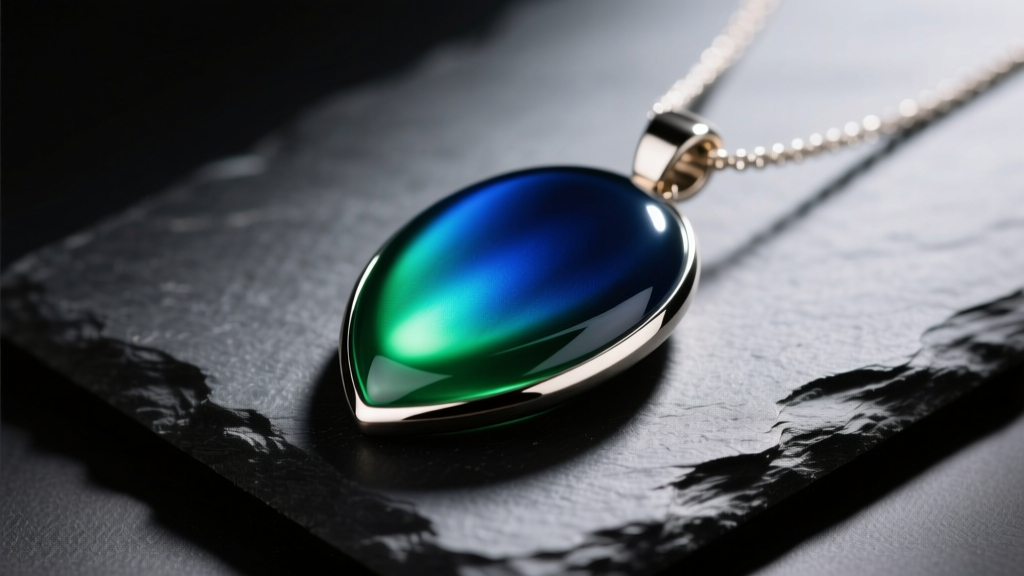
When evaluating novelty jewelry, the mood necklace remains a cultural touchstone. Originally popularized in the 1970s, these pendants have experienced a massive resurgence in recent years, evolving from cheap vending-machine toys into sophisticated, artisan-crafted accessories. But as a consumer, how do you separate a $5 piece of disposable plastic from a $60 functional piece of wearable art? The answer lies in understanding the thermochromic technology and the material grades used in the setting.
At the core of every mood pendant are thermochromic liquid crystals (TLCs). According to material science principles documented by institutions like the American Chemical Society, cholesteric liquid crystals twist and reflect specific wavelengths of light based on minute temperature fluctuations. When your skin temperature changes, the physical spacing between the crystal molecules shifts, altering the color you see. It is not magic; it is highly calibrated physics. However, the longevity and accuracy of this color shift depend entirely on how well the TLC layer is protected from the elements.
Decoding the Mood Necklace Chart: Temperature vs. Emotion
The traditional "mood necklace chart" maps colors to emotional states. While emotionally evocative, these charts are actually mapping peripheral blood flow and skin surface temperature. Here is the definitive breakdown of what your pendant is actually measuring:
| Color Displayed | Approximate Temperature | Traditional "Mood" Claim | Actual Physiological Meaning |
|---|---|---|---|
| Black / Brown | Below 82°F (28°C) | Stressed, Anxious, Cold | Poor peripheral circulation or cold ambient environment. |
| Amber / Orange | 82°F - 86°F (28°C - 30°C) | Nervous, Uncertain | Slight drop in skin surface temperature; resting state. |
| Green | 86°F - 90°F (30°C - 32°C) | Normal, Relaxed | Average baseline skin temperature for a comfortable room. |
| Blue / Teal | 90°F - 95°F (32°C - 35°C) | Happy, Active, Social | Increased blood flow to the skin; physical activity or warmth. |
| Violet / Pink | Above 95°F (35°C) | Passionate, Excited | Flushed skin, high heat, or direct external heat source. |
The Neck vs. Finger Temperature Factor
As a jewelry specialist, I must point out a crucial physiological reality: the human neck is a core-temperature zone. Unlike your fingers, which fluctuate wildly in temperature based on stress and ambient cold, your neck remains remarkably warm and stable. Therefore, a mood necklace worn on a standard 18-inch chain will often default to blue or violet simply due to your body's baseline heat. To see more dynamic color shifts across the mood necklace chart, wear the pendant on a shorter choker length where it rests against the hollow of the throat (a slightly cooler pulse point), or opt for a mood ring on your finger where vasoconstriction causes more dramatic temperature swings.
Budget vs. Value: Assessing Material Quality
When conducting a budget and value assessment, the thermochromic stone is only half the equation. The casing, the bezel, and the chain dictate whether the piece will last a month or a lifetime. The Federal Trade Commission Jewelry Guides strictly regulate metal stamping and disclosures, yet the novelty market is flooded with misleading alloys. Here is how the pricing tiers break down in terms of true value.
The $3–$15 Tier: Base Metals and Resin (Low Value)
In this tier, the TLC layer is painted onto a piece of stamped brass or zinc alloy and sealed with a dome of cheap epoxy resin. The failure rate is exceptionally high. Resin is micro-porous; over time, sweat and ambient moisture penetrate the dome, causing the liquid crystals to cloud, turn permanently black, or peel. Furthermore, the accompanying chains are usually made of copper-alloys plated with a microscopic layer of nickel. Within weeks, the plating wears off, and the copper reacts with the salts in your sweat, leaving a stubborn green stain on your chest.
The $25–$60 Tier: Surgical Steel and Glass (High Value Sweet Spot)
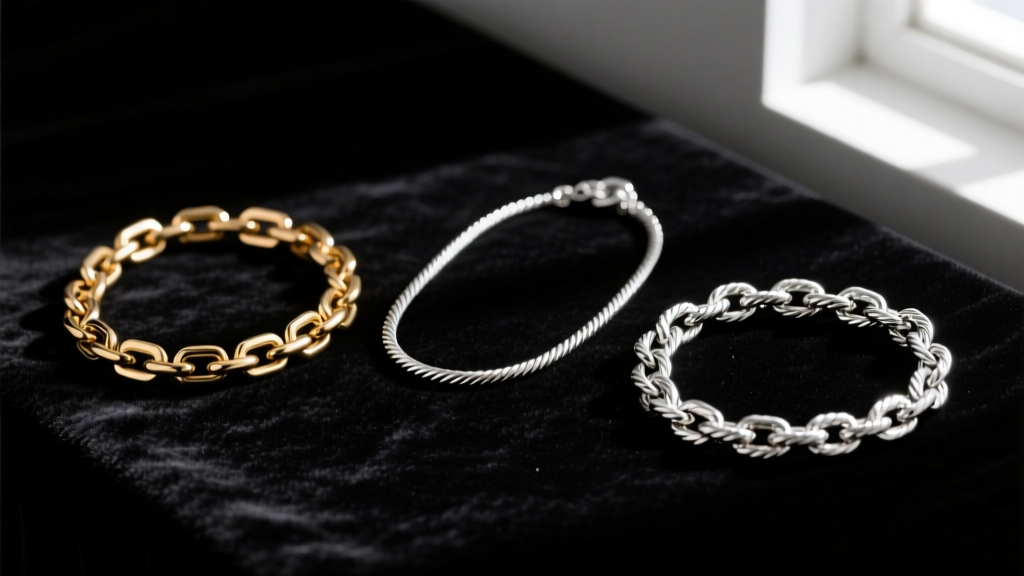
This is where smart buyers should focus their budget. Pendants in this range feature a hermetically sealed glass or quartz cabochon. Glass is completely inert and non-porous, meaning moisture cannot reach the TLC layer. The bezels and bails are typically crafted from 316L surgical stainless steel. This specific grade of steel contains molybdenum, which drastically increases its resistance to corrosion and tarnishing. You can wear a 316L steel mood necklace in the shower or at the gym without it turning your skin green or rusting. Paired with a sturdy stainless steel rope or box chain, this tier offers the best cost-per-wear ratio on the market.
The $75+ Tier: Sterling Silver and Artisan TLCs (Premium Investment)
For those seeking fine jewelry aesthetics, artisan jewelers craft mood pendants using solid .925 sterling silver or 14k gold-filled settings. According to the Gemological Institute of America (GIA), while novelty stones aren't graded like diamonds, the craftsmanship of the bezel setting is paramount. Premium tiers use custom-blended TLCs that offer a wider, more vibrant spectrum of colors (including rare pinks and bright yellows) rather than the standard muddy greens and blues. These pieces are meant to be heirloom novelty items, treated with the same care as fine gemstone jewelry.
Durability and Failure Modes: Why Cheap Mood Pendants Die
To maximize the value of your purchase, you must understand how thermochromic jewelry fails. Avoid these three fatal errors to ensure your pendant continues to reflect the mood necklace chart accurately:
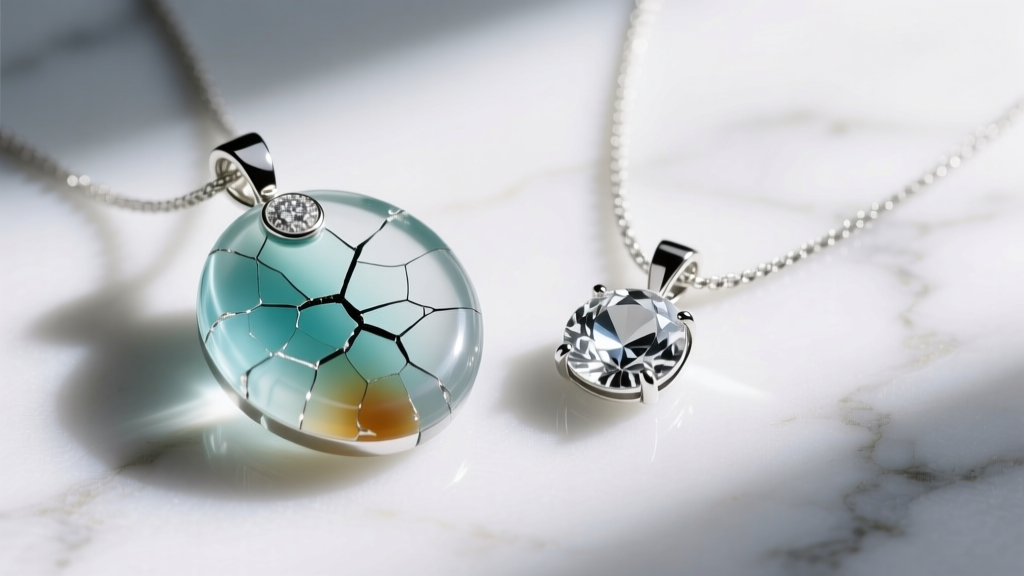
- Water Ingress: If the seal between the glass cabochon and the metal bezel is compromised, water will seep into the TLC layer. Once the microcapsules containing the liquid crystals absorb water, they rupture. The stone will turn a permanent, cloudy white or black. Never buy a mood pendant with a visibly loose bezel.
- UV Degradation: Prolonged exposure to direct, harsh sunlight can break down the chemical bonds in cholesteric liquid crystals. While modern UV-inhibitors in high-end glass settings help, leaving a cheap resin pendant on a sunny dashboard will permanently bleach the color-changing layer within a matter of days.
- Chemical Exposure: Perfumes, aerosol hairsprays, and chemical sunscreens can degrade epoxy resin domes and strip the anti-tarnish coatings off mid-tier metals. Always put your mood necklace on after applying cosmetics and fragrances.
Verdict: How to Buy for Long-Term Value
Are mood necklaces worth the investment? If you are buying a $5 resin novelty, the answer is no—it is a disposable toy destined for a landfill within three months. However, if you allocate a budget of $30 to $60 for a 316L surgical steel and glass-cabochon pendant, you are purchasing a durable, scientifically fascinating piece of functional jewelry that will last for years.
Expert Buying Tip: When shopping online, zoom in on the edge of the pendant. If the clear dome looks like thick, slightly yellowing plastic, it is resin. If it has a sharp, flawless reflection and sits flush within a crimped metal bezel, it is likely glass. Always prioritize glass casings and hypoallergenic chains to ensure your mood necklace remains a vibrant staple in your wardrobe.


