What Are the Colors of a Mood Necklace? The Ultimate Buying Guide
Discover what are the colors of a mood necklace, how thermochromic crystals work, and what to look for when buying quality mood jewelry.

Introduction to Thermochromic Jewelry
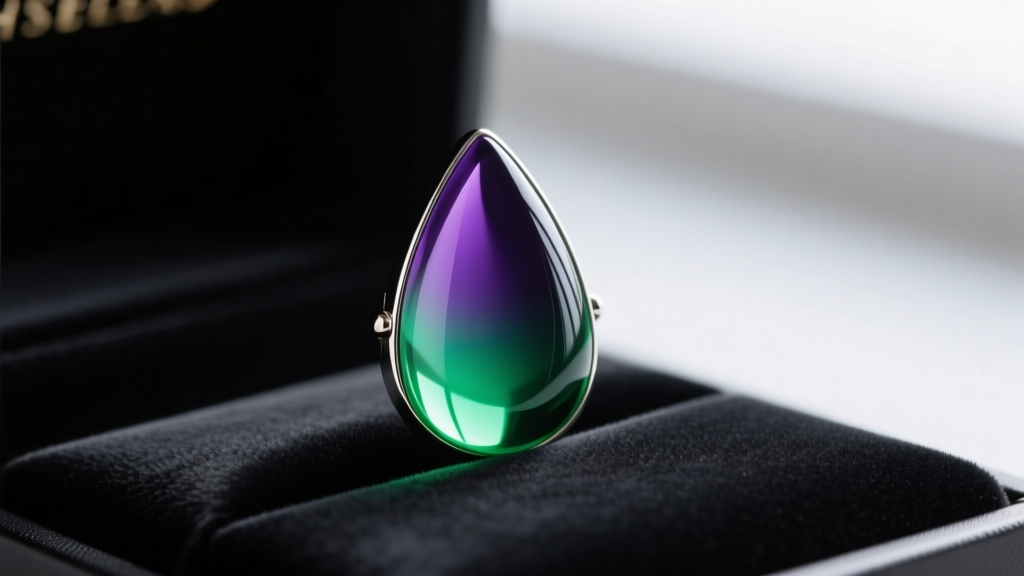
When browsing vintage-inspired or modern thermochromic jewelry, the most common question buyers ask is, what are the colors of a mood necklace and what do they actually mean? Unlike the cheap novelty items of the 1970s that tarnished and broke within days, today's high-end mood necklaces are sophisticated pieces of wearable chemistry. However, the market is still flooded with poorly constructed pendants that fail to shift accurately or degrade after minimal wear. To make an informed purchase, you must look past the marketing gimmicks and understand the material science, the exact temperature triggers, and the critical construction grades that separate a durable piece of jewelry from a disposable toy. This comprehensive buying guide will decode the color charts, explain the metallurgical requirements for the chains, and teach you how to identify quality casing materials before you buy.
The Science of the Shift: Cholesteric Liquid Crystals
To understand the color shifts, we first have to look at the chemistry. Mood necklaces do not read your emotions; they read your surface skin temperature. The 'stone' in a mood pendant is actually a hollow glass or quartz shell filled with thermochromic liquid crystals (TLCs). According to physical chemistry principles documented by Chemistry LibreTexts, cholesteric liquid crystals possess a unique helical molecular structure. When the temperature of your skin changes, the pitch of this helix twists or relaxes. This physical twisting alters the wavelength of light that the crystals reflect, resulting in a visible color change. Because human surface skin temperature fluctuates based on blood flow, ambient room temperature, and stress-induced vasoconstriction (which pulls blood away from the skin's surface and cools it), the necklace reacts to the physical byproducts of your emotional state, rather than the emotion itself.
Decoding the Chart: What Are the Colors of a Mood Necklace?
Manufacturers often include whimsical charts claiming that yellow means 'nervous' or violet means 'passionate.' In reality, the colors map directly to specific Celsius and Fahrenheit temperature thresholds. When asking what are the colors of a mood necklace, you are essentially looking at a biological thermometer. Below is the accurate, science-backed breakdown of the thermochromic spectrum found in high-quality pendants.
| Color Displayed | Temperature Range | Marketed 'Mood' | Actual Physical Cause |
|---|---|---|---|
| Black / Dark Brown | Below 20°C (68°F) | Stressed, Anxious, or Cold | Poor peripheral circulation; blood vessels constrict, dropping skin temp. |
| Red / Amber | 20°C - 25°C (68°F - 77°F) | Active, Restless | Mild warming; ambient room temperature or light physical movement. |
| Yellow / Green | 25°C - 28°C (77°F - 82°F) | Relaxed, Happy, Normal | Baseline resting skin temperature for most adults in a comfortable environment. |
| Blue / Teal | 28°C - 32°C (82°F - 90°F) | Calm, Peaceful, Loving | Increased blood flow to the skin; often occurs when hands and chest are warm. |
| Violet / Deep Purple | Above 32°C (90°F+) | Passionate, Excited | Flushing, fever, intense exercise, or resting directly against a heat source. |
It is important to note that a pendant resting on the collarbone over clothing will typically read cooler (yellow/green) than one resting directly against bare skin in the crook of the neck (blue/violet).
Buying Guide: Casing Materials and Construction
The most critical point of failure in any mood necklace is the casing that holds the liquid crystals. If the seal breaks, moisture enters, and the crystals are destroyed instantly. When evaluating what to look for, you must distinguish between the two primary casing types.
Polyurethane and Acrylic Shells (Avoid)
Budget necklaces (typically under $15) use molded plastic shells that are glued together. Polyurethane is slightly porous and degrades under UV light. Over time, the glue dries out, micro-fractures form in the plastic, and ambient humidity seeps into the crystal chamber. This results in the infamous 'black blob of death,' where the pendant turns permanently black and cloudy. Furthermore, plastic yellows with age, distorting the color accuracy of the liquid crystals beneath.
Bezel-Set Glass and Quartz (Recommended)
High-quality mood necklaces feature a borosilicate glass or clear quartz cabochon that is bezel-set into a metal frame. The liquid crystals are injected into a microscopic channel and sealed with a medical-grade, UV-cured clear resin. Glass is entirely non-porous, impervious to humidity, and will not yellow over time. When shopping, look for product descriptions that explicitly mention 'glass cabochon,' 'quartz shell,' or 'resin-sealed bezel.' 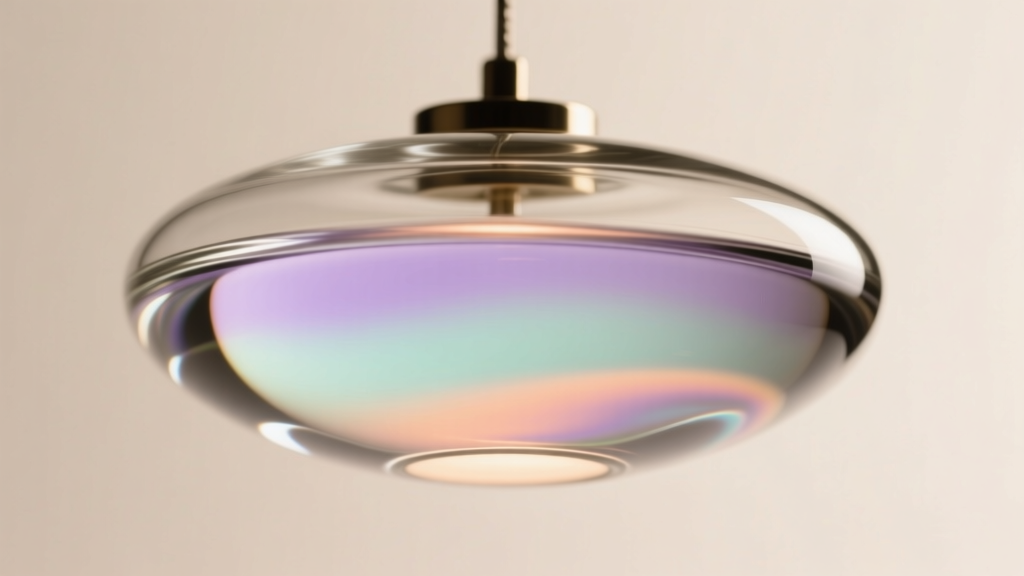
Chain Grades, Gauge Sizing, and Metal Allergies
A beautiful thermochromic pendant is useless if it is strung on a chain that causes contact dermatitis or snaps under the weight of the glass. Base metals, such as brass or copper alloys commonly used in cheap fashion jewelry, react with the salts and acids in your sweat. This oxidation process is what causes the dreaded green stain on your skin. Additionally, nickel alloys are a leading cause of jewelry-related allergic reactions.
What to Look For in Chain Metals
- 316L Surgical Stainless Steel: The best budget-friendly option. It is highly resistant to tarnish, waterproof, and generally hypoallergenic.
- 925 Sterling Silver: A premium choice that offers excellent luster and value. It requires occasional polishing but will not turn your skin green.
- 14k Gold-Filled: Unlike gold-plated chains (which have a microscopic layer of gold that rubs off in weeks), gold-filled chains feature a thick, mechanically bonded layer of 14k gold that will last decades without flaking.
Gauge and Weight Considerations
Glass-sealed mood pendants are significantly heavier than hollow plastic ones, often weighing between 8 and 15 grams. A delicate 0.8mm cable chain is insufficient for this weight and will eventually snap at the clasp or jump ring. For pendants over 10 grams, ensure the chain has a gauge thickness of at least 1.2mm to 1.5mm. Rolo, curb, or box chains offer the necessary structural integrity to support the weight of a glass thermochromic stone without stretching or breaking.
The #1 Failure Mode: Moisture and UV Degradation
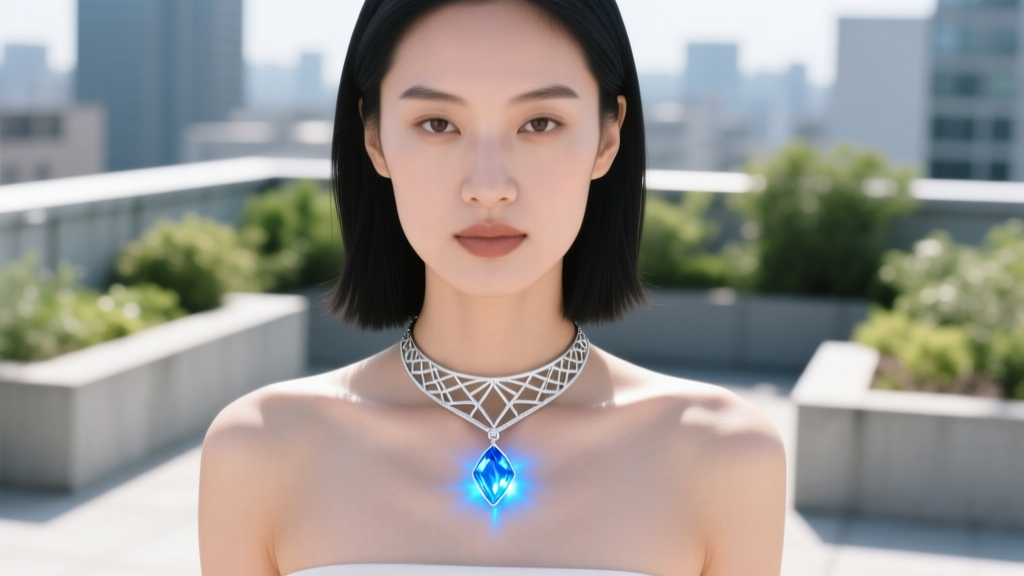
Even the highest quality glass-sealed mood necklaces have two major vulnerabilities: prolonged water submersion and extreme heat. According to historical and scientific analyses featured in Smithsonian Magazine, the organic compounds within thermochromic liquid crystals are highly sensitive to their environment. While a glass pendant can survive accidental splashes or sweat, submerging it in a pool, shower, or bath can eventually compromise the resin seal over time. Once water touches the raw liquid crystals, they undergo an irreversible chemical reaction, turning cloudy white or pitch black.
Furthermore, UV radiation and extreme heat are the silent killers of mood jewelry. Leaving your necklace on a car dashboard in the summer sun can expose the pendant to temperatures exceeding 60°C (140°F). At this threshold, the helical structure of the cholesteric liquid crystals breaks down completely. The pendant will lose its thermochromic properties permanently, locking into a single, dull color regardless of future temperature changes. Always store your mood necklace in a cool, dark jewelry box when not in use.
How to Test for Quality Before Buying
If you are shopping in person or evaluating a piece upon delivery, perform these three rapid quality-assurance tests:
- The Tap Test: Gently tap the stone with your fingernail. It should produce a sharp, high-pitched 'clink' indicative of glass or quartz. A dull, muted thud means you are looking at polyurethane plastic.
- The Friction Test: Rub the pendant vigorously between your palms for 15 seconds. A high-quality liquid crystal layer will transition smoothly and evenly from green to blue to violet. Cheap, poorly mixed crystals will shift in patchy, uneven blobs with muddy brown borders.
- The Seal Inspection: Examine the back of the pendant with a jeweler's loupe or your phone's macro camera. The backing should be a solid piece of metal or a perfectly flush, bubble-free resin seal. Visible glue residue or gaps between the stone and the bezel are guaranteed pathways for future moisture intrusion.
Care and Calibration Checklist
To ensure your mood necklace remains vibrant and accurate for years, follow this strict maintenance protocol. Always remove the necklace before swimming, bathing, or applying chemical lotions and perfumes, as alcohol-based cosmetics can degrade the exterior resin seal. Clean the pendant only with a soft, dry microfiber cloth; never use ultrasonic jewelry cleaners, silver dip, or harsh chemical polishes, as these can strip the protective coatings. Finally, calibrate your expectations to your environment. If you naturally run cold or live in a chilly climate, your baseline color will likely skew toward yellow and green. Embrace the science, respect the materials, and your thermochromic pendant will remain a fascinating, dynamic accessory for years to come.


