What Does the Colors Mean on a Mood Necklace? Meaning & Gift Guide
Discover what the colors mean on a mood necklace, the science of thermochromic crystals, and how to choose the perfect mood jewelry gift for any occasion.

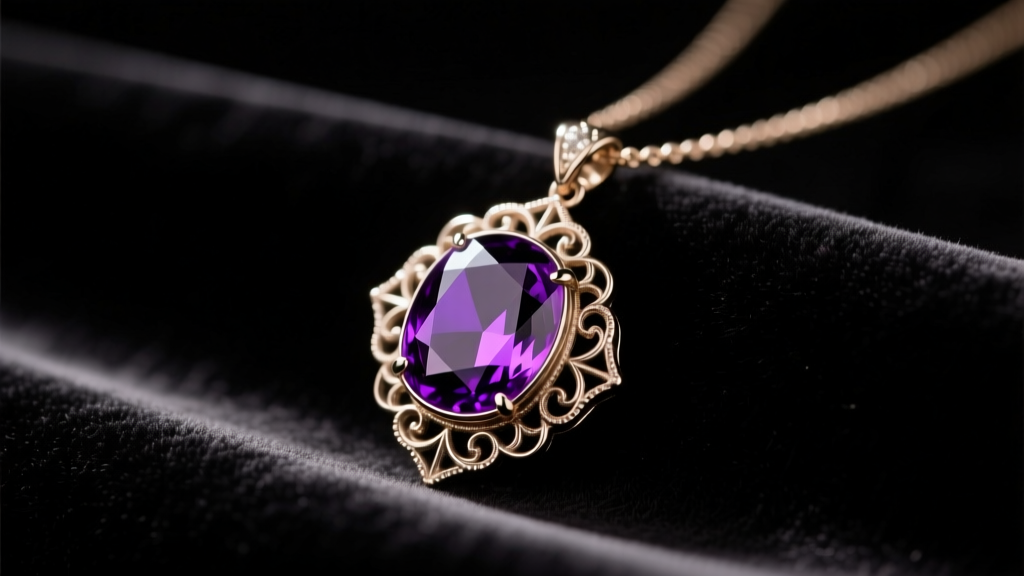
Mood jewelry has experienced a massive resurgence, transitioning from a 1970s novelty into a staple of modern Y2K fashion and nostalgic gifting. But beyond the aesthetic appeal, these pieces are grounded in actual material science. If you have ever looked at your shifting jewelry and wondered, "what does the colors mean on a mood necklace?", you are engaging with a fascinating intersection of human physiology and thermochromic chemistry.
Whether you are shopping for a nostalgic millennial, a trend-setting Gen Z teen, or someone interested in wearable biofeedback, understanding the mechanics and meanings behind these pendants is crucial for selecting the perfect gift. In this comprehensive guide, we decode the science, map the color spectrum, and provide a curated occasion-matching framework for gifting mood necklaces.
The Science of Thermochromism: How Mood Jewelry Works
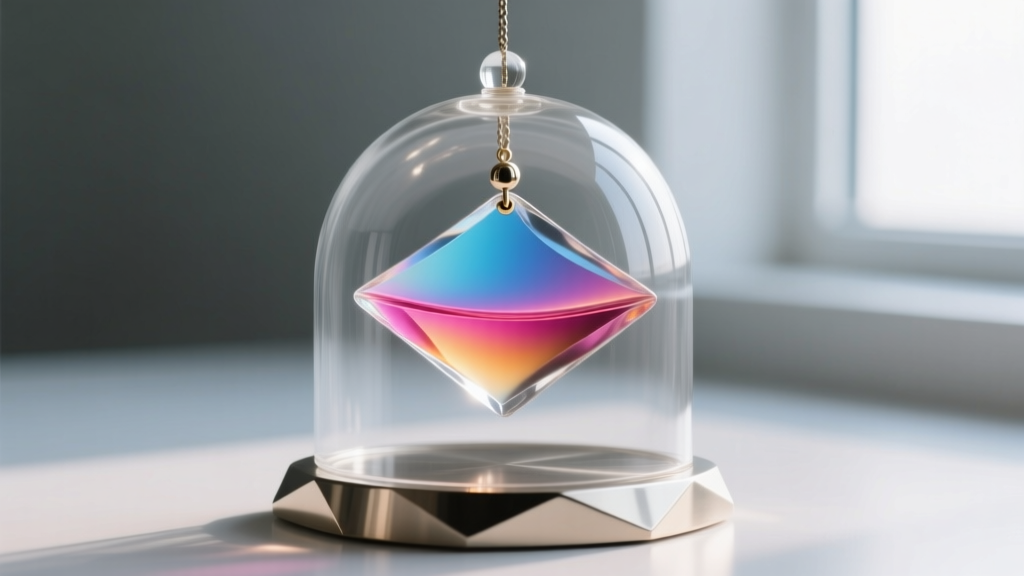
To understand the color shifts, we must first look at the anatomy of a mood pendant. The core of the jewelry relies on thermochromic liquid crystals. These are highly sensitive organic compounds that twist and alter their molecular structure in response to minute fluctuations in temperature. As the crystals twist, they change the wavelength of light they reflect, resulting in a visible color shift.
These liquid crystals are typically sealed between a flat, heat-conductive metal backing and a protective, transparent dome. While vintage pieces often used fragile glass, modern high-quality pendants utilize polished quartz cabochons. The Gemological Institute of America (GIA) notes that quartz is highly durable (ranking 7 on the Mohs scale), making it an excellent protective barrier for the delicate chemical layers beneath. The dark or black backing behind the crystals is not merely decorative; it acts as a light absorber, ensuring that the reflected colors from the liquid crystals are vivid and easily visible to the naked eye.
Because the pendant rests against the sternum or collarbone, it reads your peripheral skin temperature. When you are stressed, your body undergoes vasoconstriction, pulling blood away from the skin's surface to protect vital organs, which drops your skin temperature. Conversely, excitement or warmth causes vasodilation, increasing blood flow and raising skin temperature. As Smithsonian Magazine highlights, mood jewelry doesn't read your brainwaves; it reads your sympathetic nervous system's physical response to your environment and emotional state.
What Does the Colors Mean on a Mood Necklace? (The Ultimate Chart)
While marketing in the 1970s assigned romanticized emotions to every shade, the reality is rooted in specific temperature thresholds. Below is the definitive guide to the thermochromic spectrum found in high-quality mood necklaces.
| Color Displayed | Approximate Temperature | Physiological State | Traditional "Mood" Meaning |
|---|---|---|---|
| Black / Dark Gray | Below 20°C (68°F) | Vasoconstriction, cold extremities | Stressed, anxious, or physically cold |
| Deep Blue / Violet | 24°C - 26°C (75°F - 79°F) | Resting baseline, normal circulation | Calm, relaxed, at peace |
| Green / Teal | 28°C - 30°C (82°F - 86°F) | Slightly elevated surface temperature | Active, happy, engaged |
| Yellow / Orange | 31°C - 33°C (88°F - 91°F) | Increased blood flow, mild flushing | Excited, nervous, or energetic |
| Red / Deep Pink | Above 34°C (93°F+) | Maximum vasodilation, flushed skin | Passionate, romantic, or overheated |
Note: Ambient room temperature heavily influences the baseline color. A pendant worn in a heavily air-conditioned room may default to blue or black, regardless of the wearer's emotional state.
Occasion Matching: The Ultimate Mood Necklace Gift Guide
Gifting a mood necklace requires matching the material, chain style, and aesthetic to the recipient's lifestyle. Here is how to select the right piece for specific occasions and personalities.
1. The Nostalgia Seeker (Birthdays & Holidays)
For millennials and Gen Xers who remember the original 1975 craze, lean into vintage aesthetics. Look for pendants shaped like retro sunbursts, turtles, or classic teardrops set in antiqued brass or bronze-toned alloys. Pair these with a 20-inch rope chain that allows the pendant to sit lower on the chest, mimicking the bohemian style of the 70s. Budget: $15 to $35. Best Occasion: Casual birthdays, stocking stuffers, or "thinking of you" gifts.
2. The Y2K Trendsetter (Graduation & Festivals)
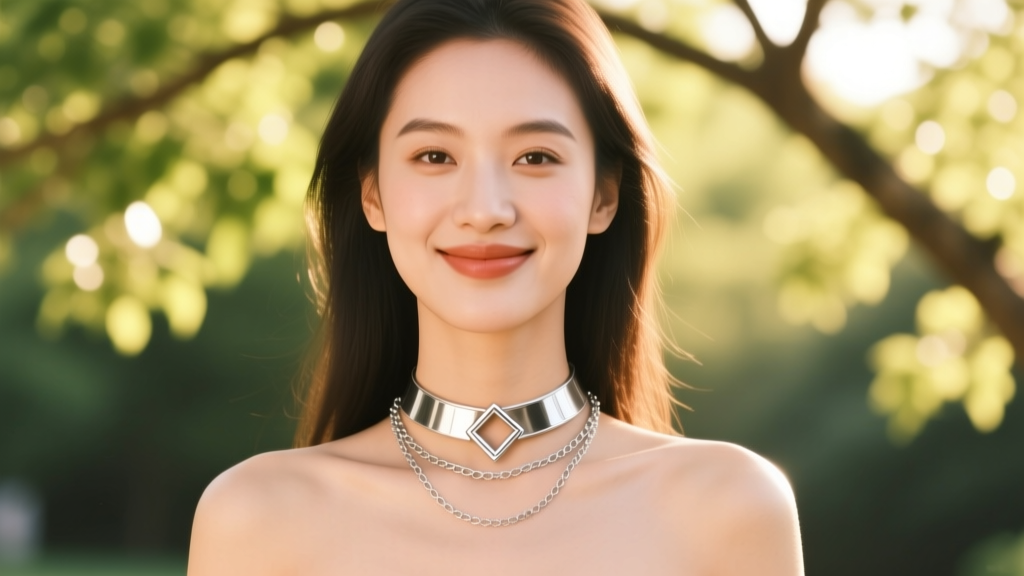
Gen Z and Gen Alpha have fully embraced the Y2K revival, favoring chokers and layered necklaces. For this demographic, skip the long chains and opt for a 14-inch or 16-inch sterling silver choker featuring a bezel-set, geometric mood stone (like a heart, butterfly, or hexagon). Layering a mood choker with a delicate 18-inch silver chain and a small static pendant creates a dynamic, festival-ready look. Budget: $45 to $90 for authentic 925 sterling silver. Best Occasion: High school graduation, music festival season, or sweet sixteen celebrations.
3. The Mindfulness Practitioner (Wellness Retreats & Self-Care)
Mood jewelry is increasingly used as a rudimentary biofeedback tool in mindfulness and somatic therapy circles. Practitioners use the color shifts to visually ground themselves when experiencing anxiety or dissociation. For this recipient, choose minimalist, bezel-set cabochons in surgical stainless steel or recycled gold vermeil. The focus should be on skin-safe materials and a lightweight 18-inch princess chain that rests comfortably against the collarbone for accurate temperature reading. Budget: $60 to $150. Best Occasion: Yoga teacher gifts, wellness retreat souvenirs, or mental health awareness milestones.
Material Safety: Avoiding Allergic Reactions
When gifting jewelry that sits directly against the highly sensitive skin of the chest and neck, material safety is paramount. The most common failure point in cheap mood jewelry is the base metal alloy used for the backing and chain.
Many mass-produced pendants use zinc alloys or nickel-silver (which contains no actual silver) to keep costs low. According to the Mayo Clinic, nickel is a leading cause of allergic contact dermatitis, resulting in red, itchy, and blistered skin where the jewelry rests. Furthermore, copper-heavy alloys will oxidize with sweat, leaving the wearer with a permanent green stain on their chest.
The Expert Rule for Gifting: Always verify that the pendant backing and the chain are crafted from hypoallergenic materials. Look for stamps indicating 925 Sterling Silver, 316L Surgical Stainless Steel, or Titanium. If the product description simply says "silver-toned" or "alloy," avoid purchasing it as a gift, as the risk of skin irritation is exceptionally high.
Care Instructions to Prolong the Thermochromic Lifespan
Thermochromic liquid crystals are highly volatile and degrade easily if mistreated. To ensure your gift lasts for years rather than weeks, include a care card with the following strict guidelines:
- Never Swim or Shower with It: Water is the number one enemy of mood jewelry. If the microscopic seal between the quartz dome and the metal base is compromised, water will seep in and permanently destroy the liquid crystal layer, turning the stone a cloudy, lifeless gray.
- Avoid Prolonged UV Exposure: Ultraviolet light breaks down the organic chemical bonds in thermochromic compounds. Leaving the necklace on a sunny dashboard or windowsill will cause the stone to "burn out," leaving it permanently stuck on a dark black or clear color.
- Store in a Dark, Dry Place: When not being worn, store the necklace in an airtight jewelry box or a ziplock bag with a small silica gel desiccant packet to control ambient humidity.
- No Ultrasonic Cleaners: The high-frequency vibrations and heat generated by ultrasonic jewelry cleaners will instantly shatter the glass/quartz seal and ruin the thermochromic sheet. Clean only with a soft, dry microfiber cloth.
Final Thoughts on Gifting Mood Jewelry
Understanding what the colors mean on a mood necklace elevates it from a simple novelty toy to a fascinating piece of interactive, bio-responsive art. By prioritizing skin-safe metals like sterling silver, selecting a chain length that suits the recipient's personal style, and educating them on proper thermochromic care, you can gift a piece of jewelry that is as scientifically captivating as it is deeply nostalgic.


