Pretzel Necklace Beer Fest Guide: Best Materials & Care
Discover which materials make the best pretzel necklace for beer fest environments. Compare steel, enamel, and acrylic for ultimate festival durability.

The Beer Fest Environment: A Metallurgical Nightmare
As we head into the 2026 festival season, novelty jewelry has become a staple of event attire. The classic pretzel necklace beer fest aesthetic is a beloved tradition at Oktoberfest celebrations, craft brew expos, and autumn harvest gatherings. However, from a metallurgical and materials science perspective, a beer festival is an absolute nightmare for jewelry. You are subjecting your accessories to a highly corrosive cocktail of environmental factors.
Consider the chemistry of the environment. Spilled beer has a pH ranging from 4.0 to 5.0, making it mildly acidic. Human sweat contains lactic acid and high concentrations of chloride salts. Furthermore, festival foods introduce additional hazards: mustard and pickles contain acetic acid (vinegar), while salty pretzels leave abrasive sodium chloride residue. When you combine these chemical aggressors with the physical hazards of crowded beer tents—bumping into tables, getting snagged on clothing, and sudden temperature shifts—flimsy jewelry fails rapidly. Understanding material properties is the only way to ensure your pretzel necklace beer fest pendant survives the weekend without turning your skin green or snapping in half.
Material Breakdown: What Survives the Spill?
Not all metals and polymers are created equal. When shopping for or designing a festival-ready pretzel pendant, you must look past the initial shine and evaluate the base material and finishing processes.
316L Surgical Stainless Steel (The Champion)
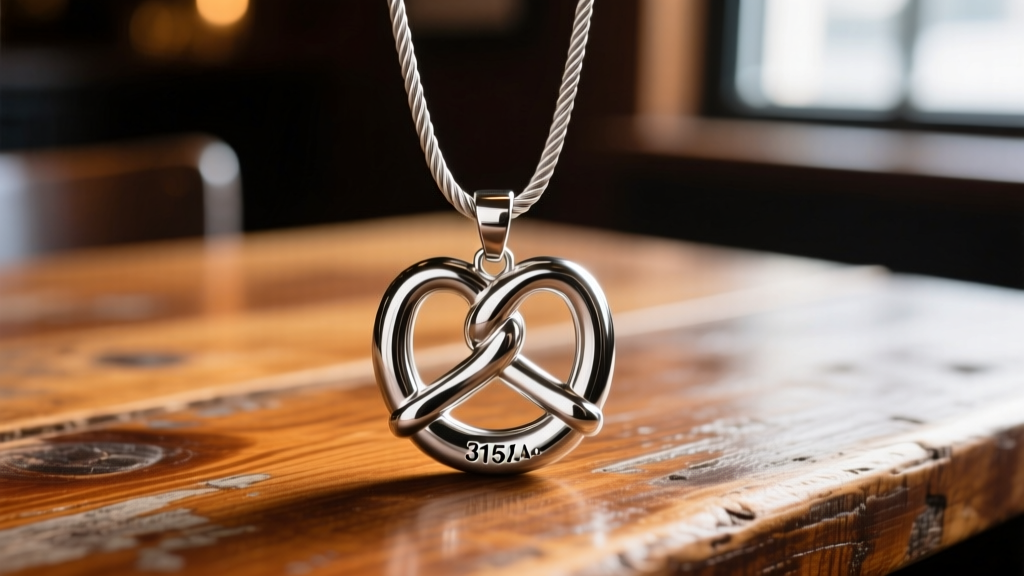
For a metallic pretzel pendant, 316L stainless steel is the undisputed champion. Unlike standard 304 stainless steel or carbon steel, 316L contains a 2% to 3% addition of molybdenum. According to Corrosionpedia's analysis of 316L stainless steel, this specific alloying element drastically increases resistance to pitting and crevice corrosion caused by chloride ions. When you sweat in a crowded beer hall, the salt in your perspiration will actively eat away at lesser metals, but 316L remains completely inert. It will not tarnish, rust, or react with spilled IPAs or stouts. Furthermore, the "L" stands for low carbon, which prevents sensitization and ensures the metal remains structurally sound even if exposed to extreme temperature variations.
Hard Enamel Over Brass (The Colorful Contender)
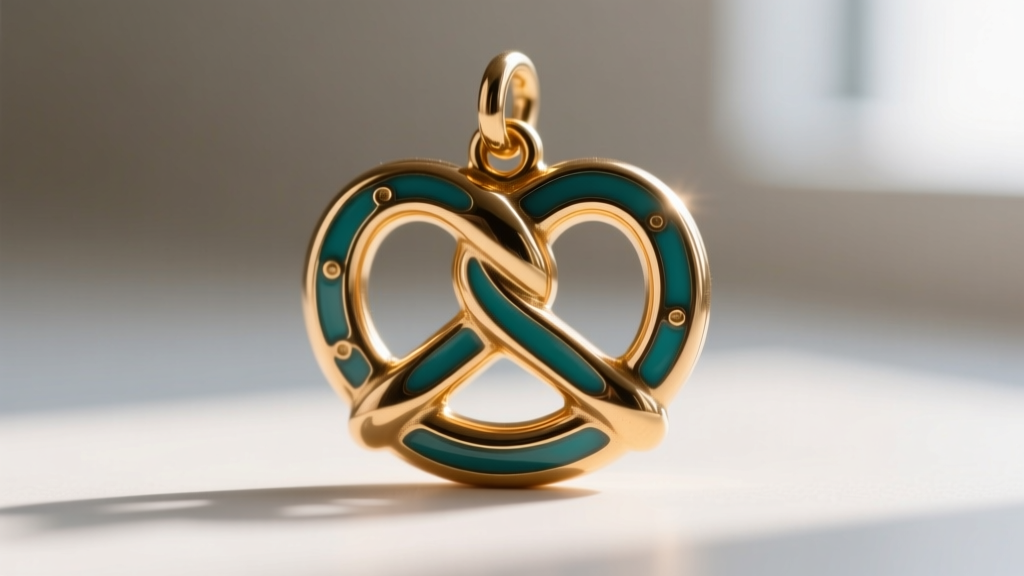
If you want a pendant that mimics the golden-brown crust of a baked pretzel with deep, rich colors, hard enamel (cloisonné) over a solid brass or copper base is your best option. Hard enamel involves packing glass powder into metal recesses and firing it in a kiln at approximately 800°C. The result is a vitreous, glass-like surface that is completely impervious to beer acids and UV degradation. The metal separating lines (cloisons) are usually plated in gold or silver and polished flush with the enamel. Avoid "soft enamel" or epoxy-filled pendants at all costs; the epoxy resins used in cheap soft enamel will yellow rapidly when exposed to sunlight and will peel away when exposed to the alcohol and acids in spilled beer.
Cast Acrylic and Resin (The Lightweight Option)
For oversized, novelty pretzel pendants that need to remain lightweight, cast acrylic is a viable polymer choice. High-grade cast acrylic (PMMA) offers excellent impact resistance and optical clarity, allowing for realistic "salt crystal" inclusions within the design. However, acrylic is susceptible to micro-scratching. If you bump your acrylic pretzel against a rough wooden beer hall table or a metal belt buckle, it will accumulate fine surface abrasions that cloud the finish over time. Resin, while cheaper, is generally softer and more prone to warping if left in a hot car during a summer festival.
Zinc Alloy with Flash Plating (The Trap to Avoid)
The vast majority of mass-market, fast-fashion festival jewelry is made from zinc alloy (often marketed vaguely as "Tibetan silver" or "antique brass") with a microscopic flash plating. This is a catastrophic choice for a beer fest. The moment the thin plating wears off from friction against your shirt, the underlying zinc is exposed to beer and sweat. This triggers rapid galvanic corrosion. The pendant will develop a white, powdery oxidation layer within hours, and the acidic environment will cause the metal to literally dissolve, leaving a dark, stubborn stain on your chest.
Chain Gauge and Clasp Mechanics for Festival Wear
A pendant is only as secure as the chain holding it. The physical environment of a beer fest involves a lot of jostling, hugging, and accidental snags. The delicate 1.0mm box chains or thin snake chains commonly included with novelty pendants are structural liabilities. They kink easily and possess very low tensile strength.
For a heavy pretzel pendant, you need a chain with a minimum wire gauge of 2.0mm to 3.0mm. A stainless steel cable chain or a flat curb chain provides the necessary tensile strength to withstand sudden yanks without snapping. The links should be soldered closed, meaning the tiny gap in each oval link is welded shut, preventing the chain from pulling apart under stress.
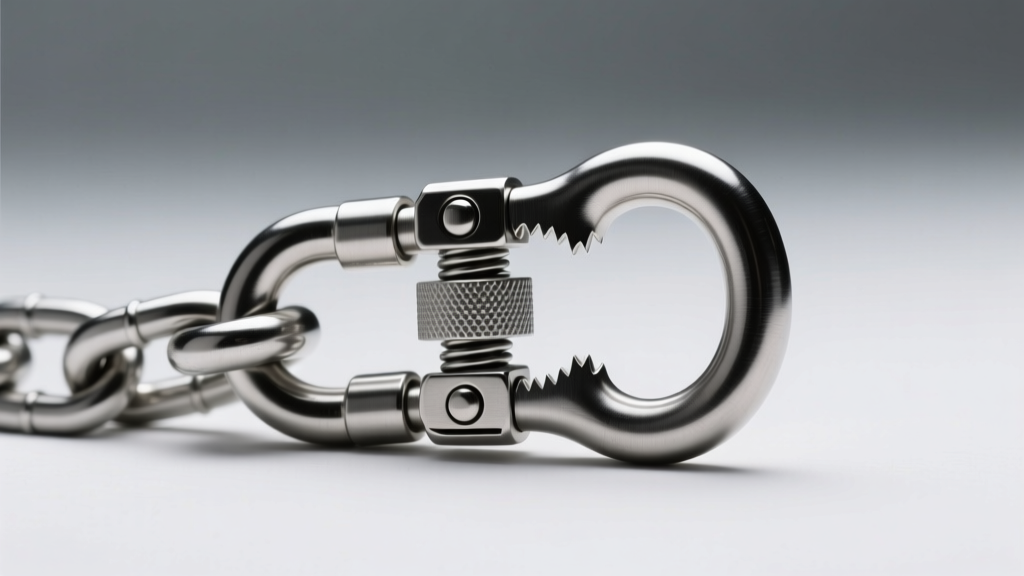
Equally important is the clasp. Discard the standard spring-ring clasp immediately. Spring rings rely on a tiny, weak internal spring and a minuscule soldered jump ring that easily pries open when snagged on a sweater or a friend's lanyard. Upgrade to a stainless steel lobster clasp. A lobster clasp features a solid, spring-loaded lever that locks securely into a solid cast body. For maximum security, pair your lobster clasp with a heavy-duty, unsoldered jump ring made from 18-gauge (1.0mm thick) steel wire to attach it to the chain.
Pendant Weight and Bail Sizing
The bail—the loop at the top of the pretzel that the chain passes through—must be proportionate to the chain and the pendant's weight. A solid 316L stainless steel pretzel pendant measuring 2 inches across can easily weigh between 25 and 40 grams. If the bail is made from thin, hollow tubing or weakly soldered wire, the sheer kinetic energy of the heavy pendant swinging around your neck while you walk will eventually shear the bail off.
Look for a cast, solid bail with an inner diameter of at least 4.0mm to accommodate a 2.5mm or 3.0mm chain. The bail should be laser-welded or silver-soldered directly to the main body of the pendant, rather than merely glued or pressed into a pre-drilled hole. Expert jewelers, such as those documented in the Rio Grande Metals and Findings Guide, emphasize that structural integrity at the bail joint is the most common point of failure in heavy novelty pendants.
Material Comparison Matrix
Use the following data table to quickly evaluate your options when shopping for your festival jewelry.
| Material | Acid Resistance | Impact Durability | Weight Profile | Estimated Price Range |
|---|---|---|---|---|
| 316L Stainless Steel | Exceptional | Very High | Heavy (25-45g) | $35 - $85 |
| Hard Enamel / Brass | High (Glass surface) | Moderate (Can chip) | Medium (15-25g) | $25 - $60 |
| Cast Acrylic (PMMA) | Moderate | High (Shatterproof) | Very Light (5-12g) | $15 - $30 |
| Zinc Alloy (Plated) | Very Poor | Low (Brittle) | Medium (15-30g) | $5 - $15 |
Post-Fest Cleaning and Maintenance Protocol
Even the most resilient 316L stainless steel or hard enamel pretzel necklace requires proper post-fest care to remove microscopic food particles, dried beer sugars, and salt deposits. Leaving these residues on the jewelry can eventually lead to localized bio-film buildup or dulling of the metal's polish.
- The Soak: Fill a small bowl with warm water and a few drops of mild, phosphate-free dish soap. Submerge the necklace for 10 to 15 minutes. This rehydrates and softens dried beer and mustard crusts without relying on harsh chemicals.
- The Agitation: Use a soft-bristled baby toothbrush to gently scrub the crevices of the pretzel design, paying special attention to the bail and the chain links where skin oils and salt accumulate. Never use a stiff wire brush or abrasive baking soda pastes, as these will introduce micro-scratches to polished steel and enamel.
- The Rinse and Dry: Rinse thoroughly under warm running water to remove all soap suds. Immediately dry the piece with a lint-free microfiber cloth. Allowing the necklace to air-dry will result in hard water spots that mimic tarnish.
- Storage: Store the clean, dry necklace in a sealed anti-tarnish bag or a dedicated jewelry box compartment to prevent the chain from tangling and the pendant from scratching against harder gemstones or metals.
By prioritizing high-grade materials like 316L steel and hard enamel, and pairing them with heavy-duty chains and secure clasps, your pretzel necklace will remain a pristine, conversation-starting centerpiece for every beer fest you attend for years to come.