2 Name Necklace Cost & Value Guide: 2026 Pricing Tiers
Discover the true cost of a 2 name necklace in 2026. We break down material grades, pricing tiers, and hidden fees to maximize custom jewelry value.

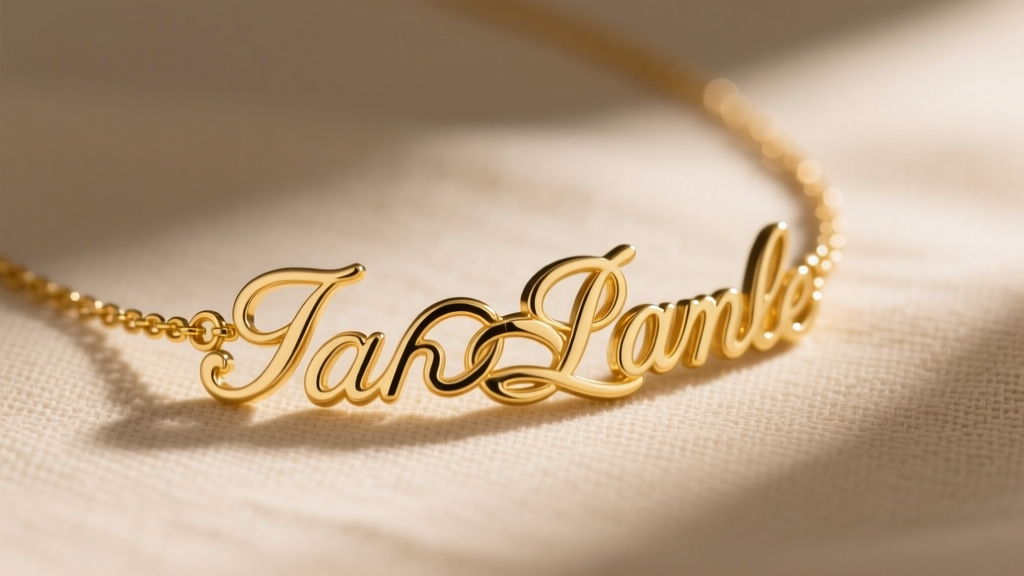
The True Cost of Personalization
The custom jewelry market has evolved dramatically, and the 2 name necklace remains a staple for couples, best friends, and mothers seeking to keep their loved ones close to their hearts. However, as demand has surged, so has the disparity in quality and pricing. In 2026, shoppers are confronted with a vast spectrum of options ranging from $20 fast-fashion trinkets to $900 solid gold investments. But how do you determine if a custom piece is genuinely worth the asking price? Assessing the value of personalized jewelry requires looking past the aesthetic appeal and examining the metallurgy, manufacturing techniques, and structural integrity of the piece. This comprehensive guide breaks down the exact costs, material grades, and hidden fees associated with ordering a dual-name pendant, ensuring you make a financially sound and emotionally meaningful purchase.
2026 Pricing Tiers: What Should You Actually Pay?
When shopping for a 2 name necklace, retailers rarely disclose the manufacturing costs or the exact plating thickness. To assess true value, we must categorize the market into three distinct pricing tiers based on material composition and production methods. The table below outlines what you should expect to pay—and what you actually get—at each level.
| Tier | Price Range | Base Metal | Finish / Plating | Expected Lifespan |
|---|---|---|---|---|
| Fast Fashion | $25 - $45 | Brass or Copper | Flash Plated (<0.5 microns) | 3 - 6 Months |
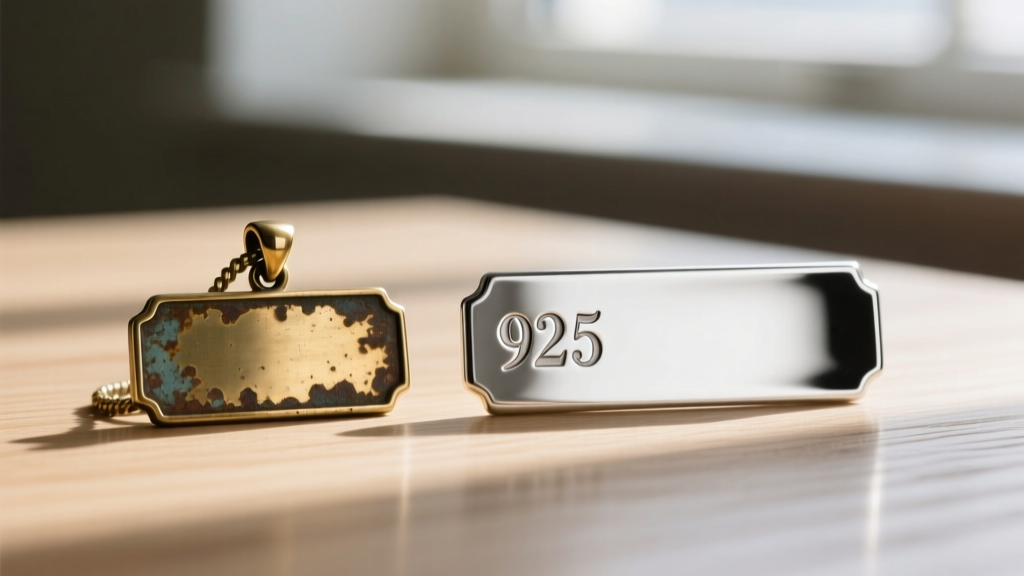
| Demi-Fine | $75 - $160 | 925 Sterling Silver | Gold Vermeil (2.5+ microns) or PVD | 2 - 5 Years |
| Fine Jewelry | $450 - $950+ | Solid 14k or 18k Gold | Solid Alloy (No plating) | Lifetime / Heirloom |
If you are purchasing a piece in the "Fast Fashion" tier, understand that you are paying for the novelty of customization, not longevity. The flash plating will wear off quickly, exposing the base metal which can cause skin discoloration. For a piece meant to commemorate a lifelong bond, the Demi-Fine or Fine Jewelry tiers offer the best long-term value.
Material Grades and the Plating Trap
The most common pitfall in the custom jewelry market is misleading terminology regarding gold finishes. According to the Federal Trade Commission Jewelry Guides, there are strict legal definitions for terms like "gold filled," "vermeil," and "gold plated." Understanding these distinctions is critical when evaluating a 2 name necklace.
The Vermeil Standard vs. PVD Coating
For a piece to be legally classified as Gold Vermeil, it must feature a 925 sterling silver base coated with at least 2.5 microns of 10k gold or higher. This thickness provides a durable barrier that can withstand daily wear for several years. However, 2026 has seen a massive shift toward Physical Vapor Deposition (PVD) coating, particularly on stainless steel bases. PVD bonds gold at a molecular level, offering up to five times the scratch and tarnish resistance of traditional electroplating. If a retailer offers a PVD-coated stainless steel dual-name pendant for around $60, it often represents a better budget value than a thinly electroplated brass alternative.
Solid Gold: The Ultimate Value Retention
As noted by the Gemological Institute of America (GIA), solid gold alloys (like 14k or 18k) do not tarnish, rust, or degrade. While a solid 14k gold 2 name necklace requires a significant upfront investment, it retains intrinsic scrap value and can be easily repaired or resized by a bench jeweler. Plated jewelry, once worn down to the base metal, is virtually impossible to restore to its original factory finish without costly re-plating services that often exceed the original purchase price.
Structural Failure Points in Laser-Cut Jewelry
Custom nameplates are typically created using laser cutting or lost-wax casting. Laser cutting is the industry standard for speed and precision, but it introduces specific structural vulnerabilities that budget buyers must monitor.
- The Bridge Thickness: In a script font, the cursive connections between letters are called "bridges." If the laser kerf (cut width) is too aggressive, these bridges can become dangerously thin. A high-quality manufacturer ensures bridges are at least 1.2mm thick. Anything under 0.8mm will warp or snap under the tension of a heavy chain.
- The Interlocking Connector: A 2 name necklace often features a connecting element between the two names, such as a heart, an ampersand, or an infinity symbol. This connector bears the brunt of the tensile stress when the necklace is pulled. Ensure the connector is integrated into the structural skeleton of both names, rather than merely soldered onto the surface.
- Sharp Edges: Poorly finished laser-cut pendants leave microscopic burrs on the back edges. Over time, these sharp edges will act like tiny saws, slowly fraying and cutting through your chain. Always check user reviews for complaints about the pendant snagging on clothing or hair.
Chain Selection: The Hidden Weak Link
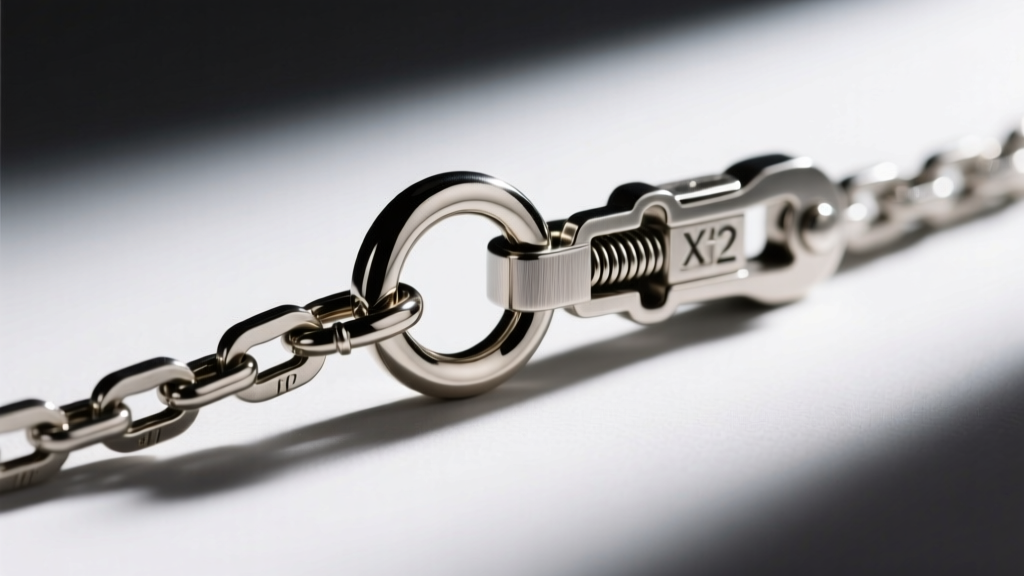
A custom pendant is only as secure as the chain that holds it. Many budget retailers pair heavy, dual-name pendants with ultra-thin, 0.8mm cable chains to keep their advertised prices low. This is a recipe for disaster. The weight of two interlocking names requires a chain with a high tensile strength and secure soldering at every link.
Expert Tip: Always upgrade to a Box chain or a Rolo chain with a minimum thickness of 1.2mm to 1.5mm. Box chains distribute weight evenly across their square links, making them highly resistant to kinking and snapping compared to standard oval cable chains.
Furthermore, inspect the jump ring (the small loop connecting the pendant to the chain). On cheap custom necklaces, the jump ring is often left unsoldered, meaning a simple snag on a sweater will pull the ring open, dropping your custom pendant. Premium jewelers will solder the jump ring shut or use a specialized lobster clasp integrated directly into the pendant's bail.
Hidden Fees to Watch For at Checkout
When calculating the true budget required for your order, be wary of the "base price" advertised on landing pages. Custom jewelry retailers frequently utilize a modular pricing structure that inflates the final cost. Here are the hidden fees you must anticipate:
- Character Count Upcharges: The advertised price usually covers up to 8 characters per name. If your chosen names exceed this, expect a surcharge of $5 to $12 per additional letter.
- Premium Font Licensing: Standard block or basic cursive fonts are usually free. Intricate calligraphy, gothic, or minimalist typewriter fonts often carry a $10 to $20 design licensing fee.
- Gemstone Add-ons: Adding a birthstone crystal or a small diamond accent to the connecting heart or the capital letters typically costs $8 to $25 per stone, depending on whether it is a synthetic CZ or a natural diamond.
- Rush Processing: Custom pieces require CAD modeling, casting, and polishing. Standard production takes 10-14 days. If you need it expedited for an anniversary, rush fees generally range from $30 to $50.
Final Value Assessment
Ultimately, the value of a 2 name necklace is dictated by your expectations for longevity and wearability. If you are buying a trendy piece for a temporary aesthetic, a $40 PVD-coated stainless steel option provides excellent short-term value. However, if this necklace is meant to symbolize a permanent bond, bypass the fast-fashion tier entirely. Investing $120 in a thickly vermeiled 925 sterling silver piece, or saving for a $600 solid 14k gold casting, ensures that the physical durability of the jewelry matches the emotional weight it carries. Always prioritize bridge thickness, chain integrity, and transparent material sourcing over the illusion of a bargain base price.


