Mood Necklace Colours Meaning & True Value Assessment
Discover the real mood necklace colours meaning and assess true value. Compare thermochromic capsule grades, chain metals, and cost-per-wear metrics.

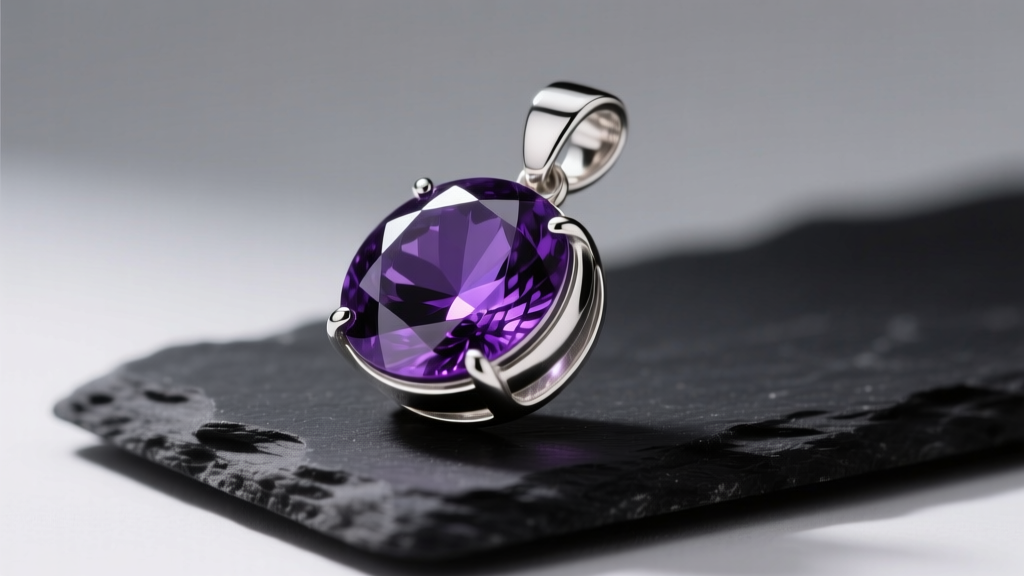
Once relegated to the realm of 1970s novelty and 1990s mall kiosks, thermochromic jewelry has experienced a massive resurgence in the 2026 artisan market. However, modern buyers are more discerning. They are no longer just asking about the mood necklace colours meaning; they are demanding to know if the piece holds actual material value, structural longevity, and skin-safe metallurgy. As a senior evaluator for Jewel Style Radar, I have deconstructed dozens of thermochromic pendants to separate genuine horological-grade novelties from fast-fashion e-waste.
This comprehensive value assessment breaks down the science, the material grades, and the cost-per-wear mathematics of mood necklaces, ensuring your next purchase is an investment in wearable science rather than a fleeting gimmick.
The Science and Sentiment: Beyond the Nostalgia
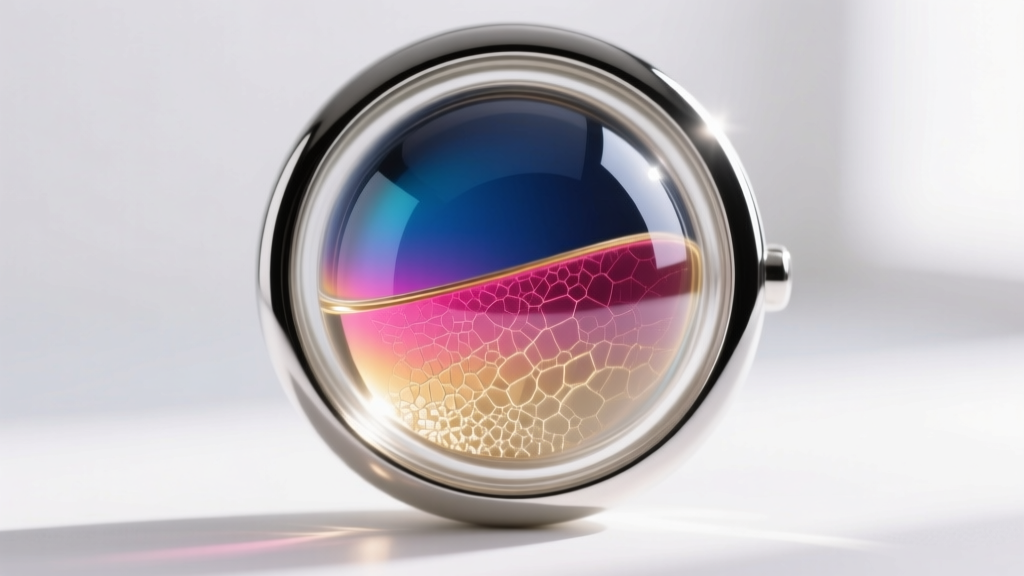
To accurately assess value, we must first understand the mechanism. Mood jewelry does not read your mind; it reads your peripheral skin temperature. The core component is a sheet of Thermochromic Liquid Crystals (TLCs). According to Scientific American, these cholesteric liquid crystals are highly sensitive to thermal shifts. As your body temperature fluctuates—driven by blood flow, ambient weather, or emotional arousal (which affects capillary dilation)—the physical pitch of the crystal lattice twists.
This twisting alters the wavelength of light the crystals reflect. A tighter twist reflects shorter wavelengths (blues and violets), while a relaxed lattice reflects longer wavelengths (reds, browns, and blacks). Therefore, the 'mood' is merely a biological byproduct of your circulatory system reacting to your environment or emotional state.
Decoding the Mood Necklace Colours Meaning Chart
While the emotional translations are largely pseudo-scientific marketing, the thermal thresholds are exact. Below is the definitive 2026 calibration chart mapping the true temperature, the reflected colour, the marketed 'mood', and the capsule quality tier required to achieve accurate colour rendering.
| Colour Displayed | Surface Temp (°C) | Marketed 'Mood' | Biological Reality | Required Capsule Grade |
|---|---|---|---|---|
| Black / Dark Brown | < 32°C | Anxious, Tense, Stressed | Poor circulation, cold ambient environment | Tier 1 (Epoxy) & Up |
| Amber / Orange | 32°C - 33°C | Nervous, Uncertain | Slight vasoconstriction, resting state | Tier 2 (Glass) & Up |
| Green / Yellow-Green | 34°C (Baseline) | Calm, Average, Relaxed | Normal peripheral skin temperature | Tier 2 (Glass) & Up |
| Blue / Teal | 35°C - 36°C | Happy, Peaceful, Content | Increased blood flow, mild physical activity | Tier 2 (Glass) & Up |
| Deep Violet / Purple | > 37°C | Passionate, Romantic, Ecstatic | High vasodilation, heat, post-exercise flush | Tier 3 (Borosilicate) |
Note: Cheap, poorly calibrated TLC sheets often get 'stuck' in the green phase and fail to reach the deep violet spectrum, which requires a highly sensitive, hermetically sealed environment to prevent moisture interference.
Material Value Assessment: What Are You Actually Paying For?
When evaluating the budget and value of a mood necklace, the thermochromic sheet is only 10% of the equation. The remaining 90% of the value lies in the capsule housing and the chain metallurgy.
Capsule Housing: Glass vs. Quartz vs. Epoxy Resin
The TLC sheet must be protected from UV light and moisture, both of which destroy the liquid crystals. According to the GIA Gem Encyclopedia, material optical clarity and thermal conductivity are paramount in gemological housings.
- Epoxy Resin (Low Value): Used in sub-$15 necklaces. Resin yellows over time when exposed to UV rays, permanently altering the colour calibration. It is also slightly porous, allowing microscopic moisture ingress.
- Soda-Lime Glass (Medium Value): The industry standard for mid-tier pieces. It offers excellent optical clarity and blocks moderate UV. However, it is susceptible to thermal shock if you step out of a hot shower into cold air.
- Borosilicate Glass / Synthetic Quartz (High Value): Found in premium $80+ artisan pieces. Borosilicate (Pyrex) offers near-zero thermal expansion, meaning it will not crack under rapid temperature shifts, preserving the hermetic seal indefinitely.
Chain Metallurgy: Avoiding the Green Neck Syndrome
The FTC Jewelry Guides strictly regulate how metals are stamped and sold, yet the unregulated novelty market is flooded with hazardous base metals. A mood pendant resting on your sternum is in constant contact with high-sweat areas.
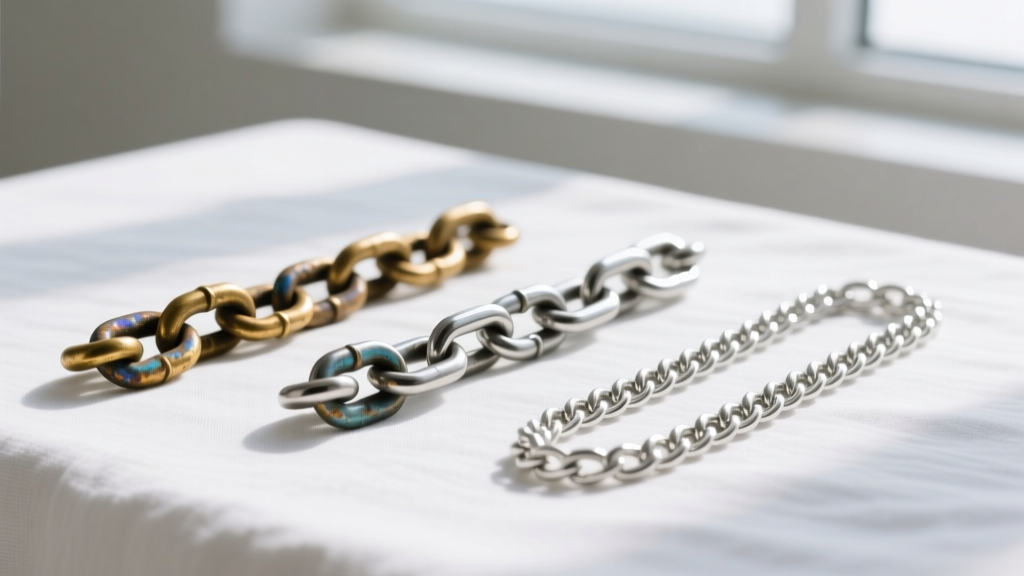
- Zinc Alloy / Brass (Avoid): Often plated with a microscopically thin layer of silver that wears off in weeks. The copper in brass reacts with sweat and skin oils, leaving a stubborn green or black stain on your chest.
- Surgical Stainless Steel (Good Value): Highly durable, hypoallergenic, and resistant to tarnish. An excellent choice for daily wear, though it lacks the premium luster of precious metals.
- Sterling Silver (925) / Gold-Filled (Premium Value): The best investment. Sterling silver possesses natural antimicrobial properties and high thermal conductivity, which actually helps the pendant read your body temperature faster and more accurately than steel.
Cost-Per-Wear & Failure Mode Analysis
To truly understand the budget assessment, we must look at the Cost-Per-Wear (CPW) and the primary failure modes of thermochromic jewelry.
The Three Fatal Failure Modes
- Water Ingress (The Black Cloud): If the capsule seal fails, moisture gets trapped between the glass and the TLC sheet. This causes the necklace to permanently turn black. Cheap glued seals fail within 3-6 months of regular wear.
- UV Bleaching: Prolonged exposure to direct sunlight breaks down the cholesteric structure of the liquid crystals. The necklace will lose its ability to show blue and violet, defaulting to a permanent, murky yellow-green.
- Bezel Delamination: In budget pieces, the glass cabochon is held in by weak adhesives rather than mechanical prongs or laser-welded bezels. The stone will eventually pop out and be lost.
The CPW Mathematical Breakdown
Consider a $12 fast-fashion mood necklace versus a $85 artisan-crafted piece.
- Budget Piece ($12): Fails via water ingress or UV bleaching after 4 months (approx. 60 wears). CPW = $0.20. However, it leaves a green stain on your skin and looks degraded.
- Premium Piece ($85): Features a laser-welded borosilicate capsule and a solid sterling silver rolo chain. Lasts 5+ years (approx. 800 wears). CPW = $0.10. The silver chain can be repurposed even if the capsule eventually fails.
From a strict financial perspective, the premium piece is actually half the cost over its lifecycle, while offering vastly superior aesthetics and skin safety.
Budget Tiers: Where to Spend Your Money in 2026
Based on our laboratory assessments and market teardowns, here is how you should allocate your budget when shopping for thermochromic pendants.
Tier 1: The Novelty Tier ($5 - $18)
What you get: Zinc alloy chains, epoxy resin capsules, poorly calibrated TLC sheets that rarely show purple. Best for: Children's gifts, temporary festival wear, or nostalgic gag gifts. Do not expect longevity or skin-safe wear in high-humidity environments.
Tier 2: The Artisan Mid-Range ($25 - $55)
What you get: Stainless steel or silver-plated brass chains, soda-lime glass capsules with proper UV-blocking coatings, and accurate colour calibration. Best for: Teenagers and adults who want a stylish, functional piece for daily wear but are willing to remove it before showering or swimming to protect the glue seals.
Tier 3: The Heritage / Fine Jewelry Tier ($70 - $150+)
What you get: Solid 925 sterling silver or 14k gold-filled chains, borosilicate glass or synthetic quartz capsules, mechanical bezel settings, and laser-welded hermetic seals. Best for: Serious jewelry collectors, individuals with metal allergies, and those who want a 'shower-to-sleep' necklace that will accurately reflect the mood necklace colours meaning for half a decade or more.
Final Verdict: Is It Worth the Investment?
The modern mood necklace has evolved far beyond its cheap, mall-kiosk origins. By understanding the mood necklace colours meaning through the lens of thermochromic science and material engineering, you can make highly informed purchasing decisions. If you are operating on a strict budget, a $30 mid-tier piece with a stainless steel chain and glass capsule offers the best intersection of safety and functionality. However, if you view jewelry as a long-term wardrobe staple, investing $80+ in a hermetically sealed, sterling silver thermochromic pendant yields the lowest cost-per-wear and the most vibrant, accurate colour transitions on the market.


