What Does Pink Mean on a Mood Necklace? Color Science & Care Guide
Discover what pink means on a mood necklace, the science of thermochromic crystals, and expert cleaning tips to keep your color-changing pendant vibrant.

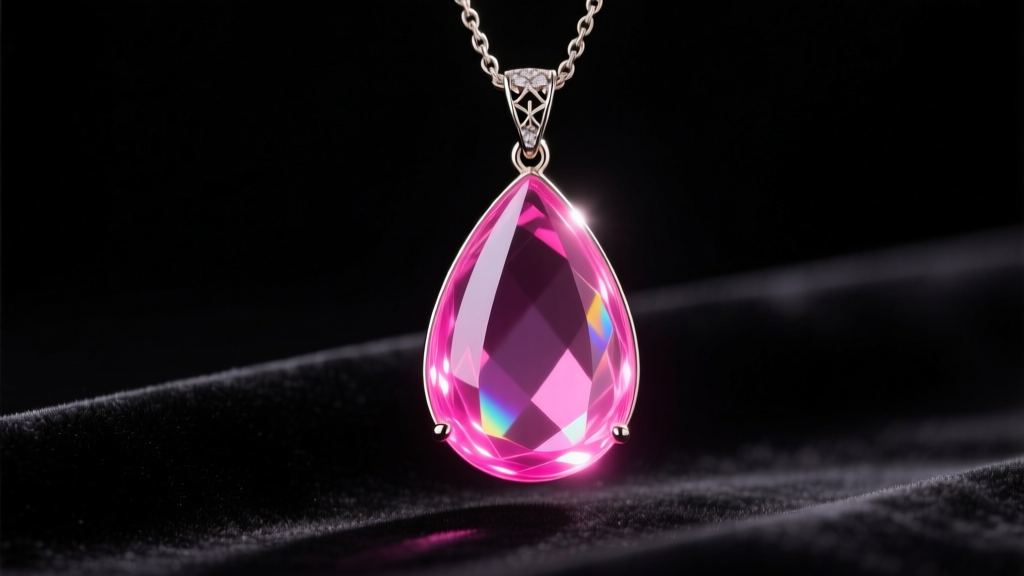
What Does Pink Mean on a Mood Necklace? The Thermochromic Science
If you have ever looked down at your jewelry and wondered, what does pink mean on a mood necklace, you are witnessing a fascinating intersection of chemistry and body thermodynamics. Mood jewelry does not actually read your emotions; instead, it reacts to your peripheral skin temperature, which is heavily influenced by your autonomic nervous system and emotional state.
When a mood necklace pendant turns pink, it indicates that the surface temperature of the stone is resting between 82°F and 86°F (28°C to 30°C). In the context of mood jewelry color mapping, this temperature range correlates with a state of relaxation, affection, happiness, and mild arousal. When you are calm and content, your blood vessels dilate slightly, allowing warm blood to flow closer to the surface of your skin, which in turn warms the pendant resting against your chest.
The magic behind this color shift relies on thermochromic liquid crystals sealed inside a hollow glass or quartz shell. Specifically, these are chiral nematic liquid crystals. As the temperature rises, the molecular helix of the crystals twists, altering the wavelength of light they reflect. At the 82°F–86°F threshold, the helix pitch is perfectly calibrated to reflect the pink spectrum of visible light. Understanding this delicate chemical structure is the first step in learning how to properly clean and maintain your mood jewelry without destroying the crystal matrix.
Why Mood Stones Degrade (And How to Prevent It)
Unlike solid gemstones like diamonds or sapphires, the thermochromic insert inside a mood pendant is incredibly fragile. The most common reason a mood necklace stops changing colors—or gets permanently stuck on a muddy black or clear hue—is environmental degradation.
The Three Enemies of Thermochromic Crystals
- Moisture Ingress: If water breaches the metal bezel and seeps into the hollow glass shell via capillary action, it will dilute and destroy the liquid crystals. This is why showering with a mood necklace is the fastest way to ruin it.
- UV Radiation: Prolonged exposure to direct sunlight breaks down the organic molecules within the liquid crystal fluid. Over time, this photodegradation causes the stone to lose its ability to reflect color, leaving it permanently dark.
- Thermal Shock: Exposing the pendant to extreme, sudden temperature changes (like jumping into a freezing pool or leaving it on a hot car dashboard) can cause the glass shell to develop micro-fractures, compromising the airtight seal.
According to material science explanations detailed by ThoughtCo's chemistry experts, once the liquid crystal compounds are exposed to air or water, their molecular alignment is permanently scrambled. There is no way to "recharge" or "recalibrate" a dead mood stone; prevention and meticulous care are your only defenses.
The Ultimate Cleaning Protocol for Mood Jewelry
Cleaning a mood necklace requires a bifurcated approach: you must treat the metal chain and the thermochromic glass pendant as two entirely separate entities. What is safe for the metal is often catastrophic for the stone.
Step 1: Cleaning the Thermochromic Pendant
Never submerge the mood stone in water. Avoid all commercial jewelry dips, ammonia-based cleaners, and ultrasonic cleaners. The high-frequency vibrations (typically 40 kHz) of an ultrasonic cleaner will instantly shatter the delicate hollow glass shell.
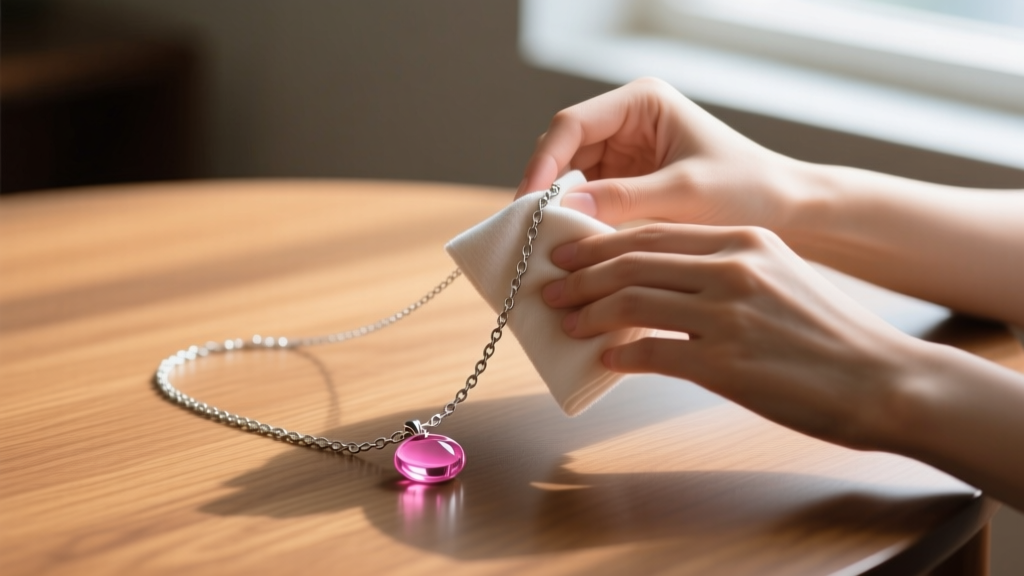
- Dry Dusting: Use a clean, dry microfiber cloth to gently buff away skin oils and cosmetic residue from the glass surface.
- Damp Wiping (If Necessary): If the stone is cloudy from lotion buildup, lightly dampen a cotton swab with distilled water (never tap water, as mineral deposits can etch the glass or corrode the bezel). Gently roll the swab over the glass, avoiding the metal seam.
- Immediate Drying: Immediately follow up with a dry microfiber cloth to ensure no moisture lingers near the bezel edge.
Step 2: Metal-Specific Chain Cleaning
The chain requires a different approach depending on its material. Always unclasp the chain and remove the mood pendant before deep cleaning the metal.
| Metal Type | Cleaning Solution | Method & Warnings |
|---|---|---|
| Sterling Silver | Baking soda & distilled water paste | Apply with a soft toothbrush. Rinse thoroughly. Do not use silver dip chemicals, as residual fumes can degrade the pendant's seal when reattached. |
| Plated Brass/Base Metal | Mild dish soap & lukewarm water | Gently agitate. Do not scrub hard, or you will strip the thin gold/silver plating. Pat dry immediately to prevent base metal oxidation. |
| Surgical Stainless Steel | Isopropyl alcohol (70%) | Wipe down with an alcohol pad to remove sebum and sweat. Highly resistant to corrosion; requires minimal maintenance. |
Mood Necklace Color Chart & Temperature Mapping
To help you monitor the health of your thermochromic crystals, reference this standard color-to-temperature mapping. If your necklace skips colors (e.g., jumps from black directly to blue, bypassing the pink and green stages), it is an early indicator that the liquid crystals are beginning to degrade.
| Color | Approx. Temperature | Emotional / Physical State |
|---|---|---|
| Black / Clear | Below 72°F (22°C) | Cold, stressed, or restricted blood flow (also indicates a dead/wet stone if stuck here at room temp). |
| Blue / Green | 72°F - 82°F (22°C - 28°C) | Calm, neutral, baseline resting state. |
| Pink / Amber | 82°F - 86°F (28°C - 30°C) | Relaxed, happy, affectionate, warm. |
| Deep Purple / Red | 86°F - 92°F (30°C - 33°C) | Excited, passionate, highly active, or physically overheated. |
Advanced Troubleshooting: Busting the "Freezer Reset" Myth
"A persistent myth in vintage jewelry communities suggests that placing a 'stuck' mood ring or necklace in the freezer will recalibrate the crystals. This is entirely false and highly destructive. The rapid thermal contraction will shatter the internal glass capsule, instantly killing the thermochromic fluid."
If your mood necklace is stuck on pink at room temperature (around 70°F), the liquid crystals have likely suffered from UV degradation or chemical breakdown, altering their baseline helical pitch. Unfortunately, this is irreversible. However, if the stone is stuck on black but you know it hasn't been exposed to water, it may simply be experiencing a temporary thermal lag. Hold the pendant gently between your palms for 60 seconds to gradually introduce body heat. If it shifts to blue, green, or pink, the seal is intact and the crystals are still viable.
Long-Term Storage for Thermochromic Pendants
Proper storage is just as critical as cleaning. When you are not wearing your mood necklace, the way you put it away dictates its lifespan.
- UV-Blocking Boxes: Store the necklace in a lined jewelry box or a drawer. Never leave it resting on a windowsill or bathroom counter where ambient sunlight can slowly degrade the organic liquid crystals.
- Moisture Control: If you live in a high-humidity climate, place a small silica gel desiccant packet inside your jewelry box. This prevents microscopic condensation from forming around the metal bezel, which could eventually lead to rust and seal failure.
- Anti-Tarnish Bags: For sterling silver chains, store the piece in an anti-tarnish ziplock bag. However, ensure the bag is kept in a temperature-stable environment; extreme attic or basement temperatures can prematurely age the thermochromic fluid even while in storage.
By understanding the exact science behind what pink means on a mood necklace, you can better appreciate the delicate chemistry resting against your skin. Treat the thermochromic glass with the same caution you would apply to a rare organic gemstone, avoid harsh chemicals and ultrasonic vibrations, and your pendant will continue to reflect your warmest moments for years to come.


