What Is the Most Expensive Necklace in the World? Care & Value Guide
Discover what is the most expensive necklace in the world and learn museum-grade care, cleaning, and maintenance tips for high-jewelry investments.

The Pinnacle of High Jewelry: Answering the Ultimate Question
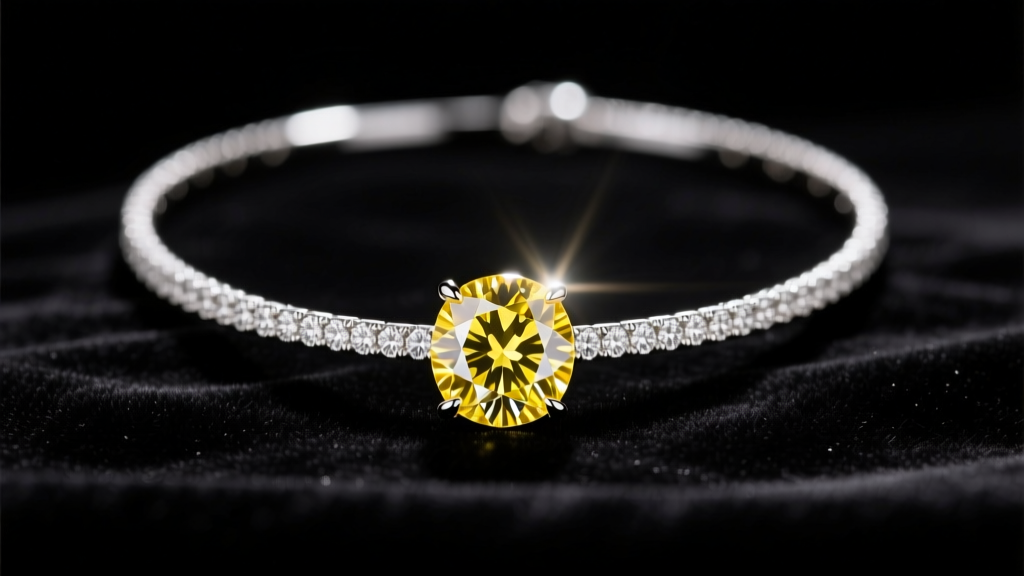
When collectors, investors, and enthusiasts search for what is the most expensive necklace in the world, the conversation inevitably turns to two legendary masterpieces. Mouawad’s L'Incomparable Diamond Necklace, valued at approximately $55 million, features a staggering 407.48-carat Internally Flawless yellow diamond surrounded by 90 white diamonds. However, the true zenith of high jewelry valuation is Wallace Chan’s "A Heritage in Bloom," a transformative masterpiece valued at an unprecedented $200 million, featuring 11,551 diamonds and white jadeite. Whether you are the custodian of a $200 million museum piece, a $50,000 investment-grade diamond pendant, or a family heirloom, the physics of gemstone degradation and metal tarnishing remain identical. Preserving the financial and aesthetic value of high-tier necklaces requires moving beyond basic jewelry care and adopting museum-grade maintenance protocols.
Museum-Grade Environmental Controls
Institutions like the Smithsonian and private high-net-worth vaults do not rely on standard room conditions to preserve multi-million-dollar necklaces. The degradation of precious metals and the dehydration of organic gems are accelerated by improper environmental baselines. For optimal preservation, high-jewelry storage environments must maintain a relative humidity (RH) between 45% and 55%. Humidity levels dropping below 40% can cause catastrophic crazing in opals and microscopic cracking in emeralds treated with natural cedar oil. Conversely, RH levels above 65% accelerate the oxidation of copper alloys present in 14k and 18k gold, leading to rapid tarnishing.
Lighting is equally critical. Ultraviolet (UV) radiation from direct sunlight or unfiltered halogen lamps can fade sensitive gemstones, particularly kunzite, amethyst, and treated topaz. Museum-grade display cases utilize UV-filtering acrylic and limit light exposure to under 50 lux for organic materials like natural pearls and conch pearls, which are highly susceptible to photodegradation and surface desiccation.
The Ultrasonic Trap: Cavitation and Clarity-Enhanced Stones
One of the most common mistakes made by owners of fine jewelry is the routine use of ultrasonic cleaners. While these devices are excellent for removing sebum and cosmetic buildup from solid platinum and untreated diamonds, they pose a severe threat to many high-value necklace components. Ultrasonic cleaners operate via cavitation—generating high-frequency sound waves (typically 40 kHz) that create microscopic vacuum bubbles in the liquid. When these bubbles collapse against the jewelry, they release localized shockwaves.
According to the Gemological Institute of America (GIA), these shockwaves can easily shatter stones with internal inclusions or surface-reaching fractures. More importantly, the cavitation process will violently strip the oils and resins used to treat natural emeralds, leaving them opaque and heavily fractured. It will also vibrate the glass-like fillings out of clarity-enhanced diamonds, destroying their optical clarity and drastically reducing their market value. Furthermore, the micro-abrasive action of ultrasonic waves can strip the 0.75 to 1.0-micron rhodium plating off white gold necklace clasps and settings, exposing the yellowish underlying alloy.
Chemical Sensitivities: What Destroys Investment-Grade Gems
High-jewelry maintenance requires a strict understanding of chemical interactions. Many commercial jewelry dips contain ammonia or thiourea. While ammonia is safe for cleaning untreated diamonds and sapphires, it is highly corrosive to porous organic gems. Natural saltwater pearls, which consist of microscopic aragonite platelets held together by conchiolin (an organic protein), will dissolve and lose their orient (luster) if exposed to ammonia or acidic cleaners.
Similarly, chlorinated water from swimming pools or household bleach (sodium hypochlorite) attacks the alloy metals in gold necklaces. A 24k gold chain is chemically inert, but 18k gold contains 25% alloy metals like copper, silver, and zinc. Chlorine reacts with these alloys to form metallic salts, leading to stress corrosion cracking. This is particularly dangerous at the solder points of necklace chains and the delicate prongs securing pendant stones, often resulting in catastrophic structural failure and stone loss.
Cleaning Protocols by Gemstone Tier
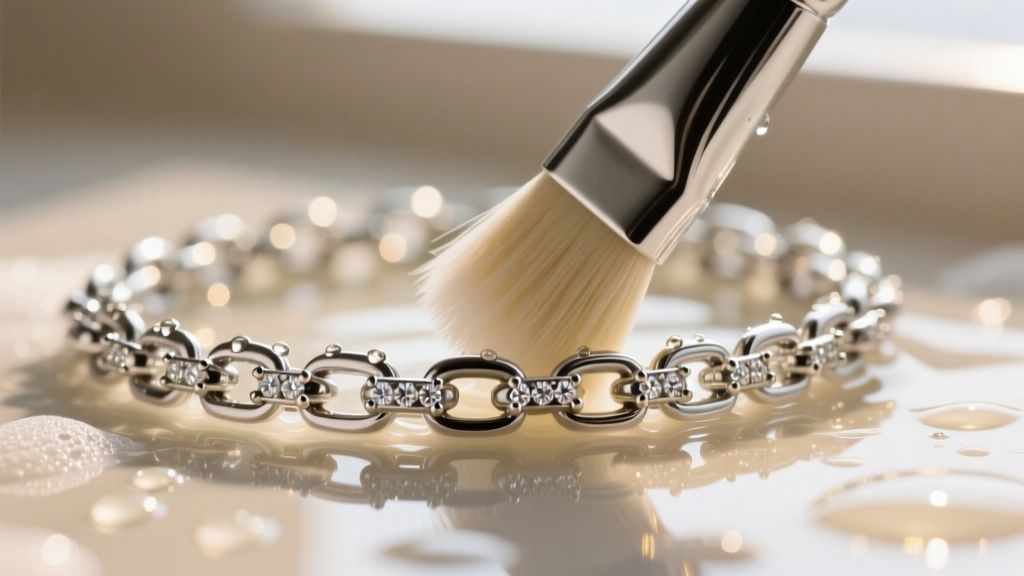
To safely maintain the brilliance of your necklace without risking structural or optical damage, adhere to the following tier-based cleaning protocols. Always use distilled water rather than tap water to prevent hard water mineral deposits from clouding the facets of your gemstones.
| Gemstone Category | Safe Cleaning Method | Chemicals to Avoid | Drying Technique |
|---|---|---|---|
| Untreated Diamonds, Sapphires, Rubies | Warm distilled water, pH-neutral dish soap, ultra-soft brush | Chlorine, harsh abrasives | Lint-free microfiber cloth, air dry |
| Emeralds, Opals, Pearls, Coral | Damp, untreated microfiber cloth only | Ammonia, acids, ultrasonic, steam | Air dry flat, away from direct heat |
| Clarity-Enhanced / Fracture-Filled Diamonds | Mild soapy water, gentle wiping, no brushing near fractures | Ultrasonic, steam, acidic dips | Pat dry gently with a soft cloth |
| Tanzanite, Morganite, Aquamarine | Lukewarm soapy water, very soft brush (Mohs 7.5-8) | Thermal shock (hot/cold shifts) | Microfiber cloth, low-pressure air |
Storage Architecture: Preventing Micro-Abrasions
Improper storage is the silent killer of high-jewelry finishes. The Mohs scale of mineral hardness dictates that a diamond (10) will easily scratch a sapphire (9), which in turn will scratch a gold or platinum chain (2.5 to 4). Tossing multiple necklaces into a single velvet drawer guarantees a web of micro-scratches across the precious metal links and the girdles of softer gemstones.
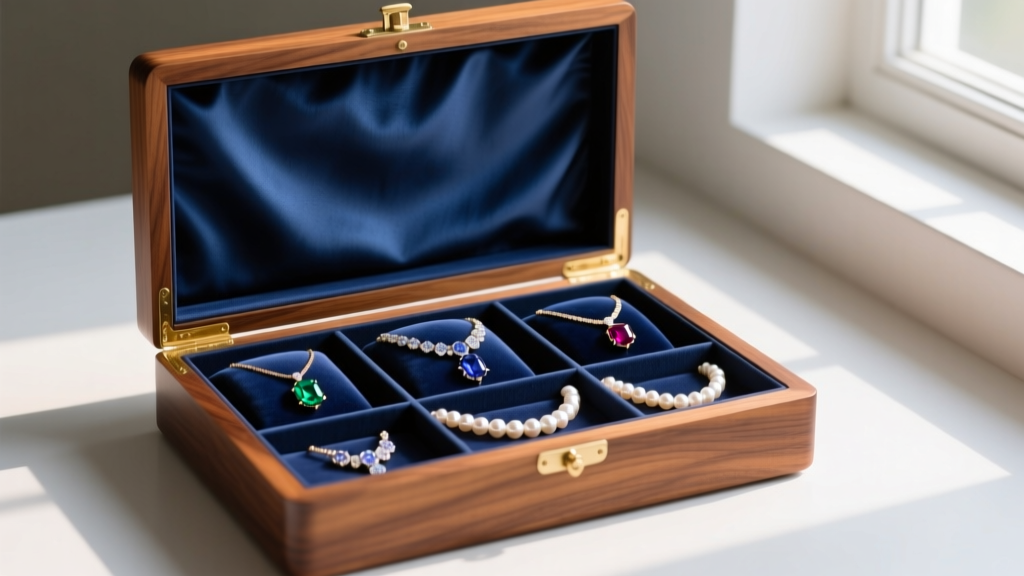
Investment-grade necklaces must be stored individually in PTFE (Teflon) lined boxes or wrapped in untreated, acid-free jeweler's tissue. For silver or white gold chains, incorporating anti-tarnish materials like Pacific Silvercloth is essential. These specialized fabrics are embedded with microscopic silver particles that intercept and absorb airborne sulfur compounds before they can react with your jewelry. Additionally, avoid storing necklaces in standard MDF (medium-density fiberboard) wooden boxes, as the adhesives and off-gassing chemicals used in manufactured wood can cause irreversible discoloration to pearls and porous turquoise pendants.
Provenance, Appraisal, and Insurance Tracking
Care and maintenance extend beyond physical cleaning; they encompass the preservation of the necklace's financial provenance. High-value necklaces must be accompanied by their original gemological laboratory reports (such as GIA or SSEF). Over time, prongs wear down, and stones may require re-tipping. It is critical that any jeweler performing maintenance documents the repair and verifies the laser inscription on the diamond's girdle to ensure the stone has not been swapped or altered.
According to the Jewelers Mutual Insurance Group, maintaining an up-to-date appraisal every two to three years is vital, as the market values of rare colored diamonds and exceptional jadeite fluctuate significantly. Furthermore, when consigning or selling through major auction houses like Sotheby's Fine Jewelry Department, a documented history of professional, non-destructive maintenance significantly increases buyer confidence and final hammer price.
Final Thoughts on Preserving Value
Understanding what is the most expensive necklace in the world provides a fascinating glimpse into the apex of human craftsmanship and geological rarity. However, the true test of a collector is not just in the acquisition of these pieces, but in their stewardship. By abandoning harsh chemical dips, eliminating ultrasonic cleaners for treated stones, controlling environmental humidity, and implementing strict Mohs-based storage protocols, you ensure that your necklaces and pendants retain their optical brilliance and financial supremacy for generations to come.


