Multi Gem Necklace Buying Guide: Stones & Settings
Discover what to look for in a multi gem necklace. Our expert buying guide covers stone hardness, setting durability, metal choices, and pricing tiers.

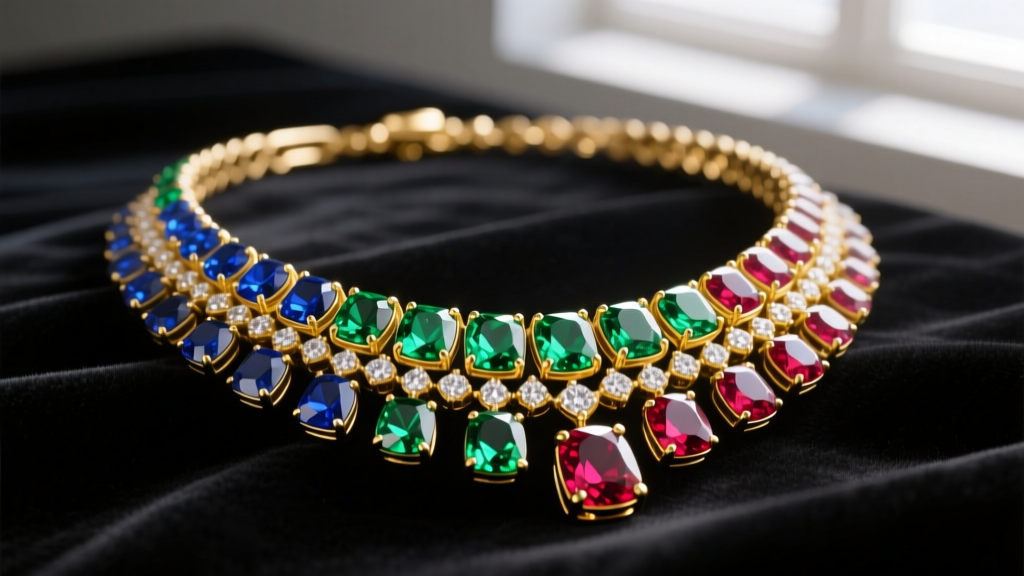
The Anatomy of a High-Quality Multi Gem Necklace
A multi gem necklace is a masterclass in structural engineering as much as it is a feat of aesthetic design. Unlike a single pendant that hangs statically from a chain, a multi-stone station necklace or graduated collar distributes weight across multiple anchor points. This creates unique tension dynamics that can lead to chain stretching, jump ring failure, or stone loss if the piece is not constructed with precision.
When evaluating the anatomy of these pieces, the chain gauge is your first indicator of longevity. For a necklace featuring 10 to 20 gemstones, the chain must be a minimum of 1.0mm to 1.2mm in thickness. Anything thinner, such as a 0.5mm thread chain, will inevitably warp under the asymmetric weight of the stones. Furthermore, inspect the jump rings connecting the gemstone settings to the chain. In high-quality manufacturing, these jump rings are laser-welded or soldered closed. If you can see a seam or gap in the jump ring, the necklace will eventually pull apart when it catches on clothing.
Gemstone Selection: Hardness and Wearability
The most critical mistake buyers make when selecting a multi gem necklace is ignoring the Mohs scale of mineral hardness. Because multi-stone necklaces are prone to tangling, the gemstones will frequently strike against one another when stored or worn. If you mix stones with drastically different hardness levels, the harder stones will abrade and scratch the softer ones.
According to the GIA Gem Encyclopedia, understanding a stone's cleavage and toughness is just as important as its scratch resistance. For example, while emeralds rank a respectable 7.5 to 8 on the Mohs scale, they are highly included and brittle. In a multi-stone necklace that flexes and bends against the collarbone, emeralds are at a high risk of chipping along their natural inclusions.
Recommended Gemstones for Multi-Stone Designs
- Corundum (Ruby & Sapphire): Ranking 9 on the Mohs scale with no true cleavage, these are the most durable colored stones for active wear.
- Spinel: An 8 on the Mohs scale, spinel is singly refractive, incredibly tough, and rarely requires fracture filling, making it ideal for shared-prong settings.
- Chrysoberyl: Ranking 8.5, this highly underrated stone offers exceptional durability and brilliance for multi-gem graduation.
Conversely, avoid multi gem necklaces that feature opals (5.5-6.5), tanzanite (6.5-7 with perfect cleavage), or moonstone unless they are heavily protected by raised bezel settings.
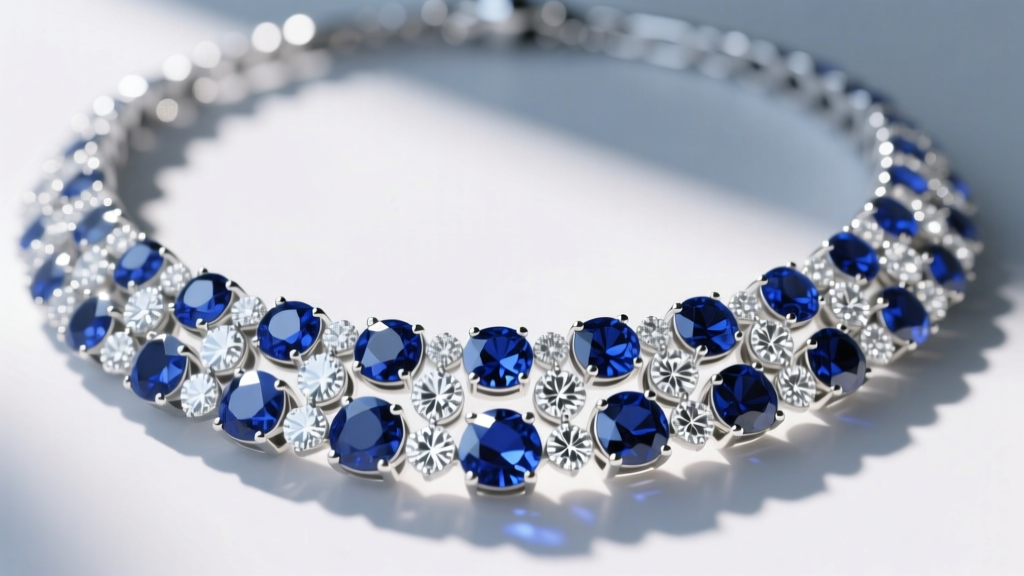
Setting Styles and Structural Integrity
The setting style dictates not only the visual profile of the necklace but also its failure rate. Multi-stone necklaces endure constant micro-bending, which can loosen stones if the setting does not accommodate metal fatigue.
| Setting Style | Durability Rating | Best Use Case | Common Failure Mode |
|---|---|---|---|
| Bezel | Excellent | Soft or brittle stones (Opal, Emerald) | Metal rim wearing thin over decades |
| Shared Prong | Moderate | Diamonds, Sapphires, Rubies | Prongs catching on fabric and bending open |
| Channel | Good | Calibrated square or princess cuts | Channel walls bending inward, crushing stones |
| Flush / Gypsy | Excellent | Station necklaces with small accents | Stone falling through if the bearing is cut too deep |
Expert Tip: If you are buying a shared-prong multi gem necklace, ensure the prongs are double-tipped or reinforced. Single, thin prongs on a flexible chain are the leading cause of stone loss in estate jewelry.
Metal Choices for Multi-Stone Tension
The metal you choose must complement both the setting style and the weight of the gems. A 15-stone necklace crafted in solid gold carries significant mass, and the metal must resist stretching.
14k Gold (58.5% pure gold): Because it is alloyed with higher percentages of copper, silver, and zinc, 14k gold is noticeably stiffer and more scratch-resistant than higher karats. It is the superior choice for prong settings, as the prongs will hold their shape and resist bending when snagged.
18k Gold (75% pure gold): Softer and more malleable. While it offers a richer color, it is best reserved for bezel settings where the metal is pushed smoothly around the stone's girdle. Using 18k gold for delicate prongs on a heavy multi-stone collar is a structural risk.
Platinum (90-95% pure): Platinum is dense, heavy, and exhibits high tensile strength. Unlike gold, which loses microscopic layers of metal when scratched, platinum merely displaces. This makes it the ultimate metal for securing expensive diamonds and sapphires in a multi gem necklace, though it will command a 30% to 50% premium over 14k gold.
Pricing Tiers and Value Assessment
Pricing a multi gem necklace requires dissecting the total carat weight (TCW), the origin of the stones, and the labor intensity of the setting. Below is a realistic pricing framework for a standard 15-stone station necklace (approx. 2.00 to 3.00 TCW) in 2026.
Market Pricing Breakdown
- Semi-Precious Naturals (Garnet, Amethyst, Citrine): $350 – $850. The value here is driven almost entirely by the metal weight and the labor of setting 15 stones.
- Lab-Grown Diamonds & Sapphires: $1,200 – $2,800. Lab-grown stones offer identical physical properties to mined stones at a fraction of the cost. However, the FTC Jewelry Guides mandate that sellers clearly disclose lab-grown origins. Always ask for a certificate of origin if the price seems unusually low for diamonds.
- Natural Earth-Mined Diamonds & Precious Gems: $4,500 – $12,000+. The price scales exponentially based on color matching. Sourcing 15 natural sapphires that share the exact same hue, tone, and saturation is incredibly difficult, and you pay a premium for this gemological matching.
Red Flags and Common Failure Modes
When shopping for a multi gem necklace, be highly critical of manufacturing shortcuts that compromise the piece's lifespan. Avoid necklaces that exhibit the following red flags:
1. Glued or Epoxy-Set Stones: Some mass-market jewelers use optical epoxy to secure stones in bezel cups to save on labor costs. Over time, exposure to skin oils, perfumes, and UV light will degrade the glue, causing stones to pop out. Always verify that stones are mechanically set.
2. Mismatched Thermal Expansion: If a necklace combines diamonds (low thermal expansion) with water-bearing stones like opals or emeralds in a rigid channel setting, taking the piece to a jeweler for a simple ring resizing or ultrasonic cleaning can cause the softer stones to shatter due to unequal stress distribution.
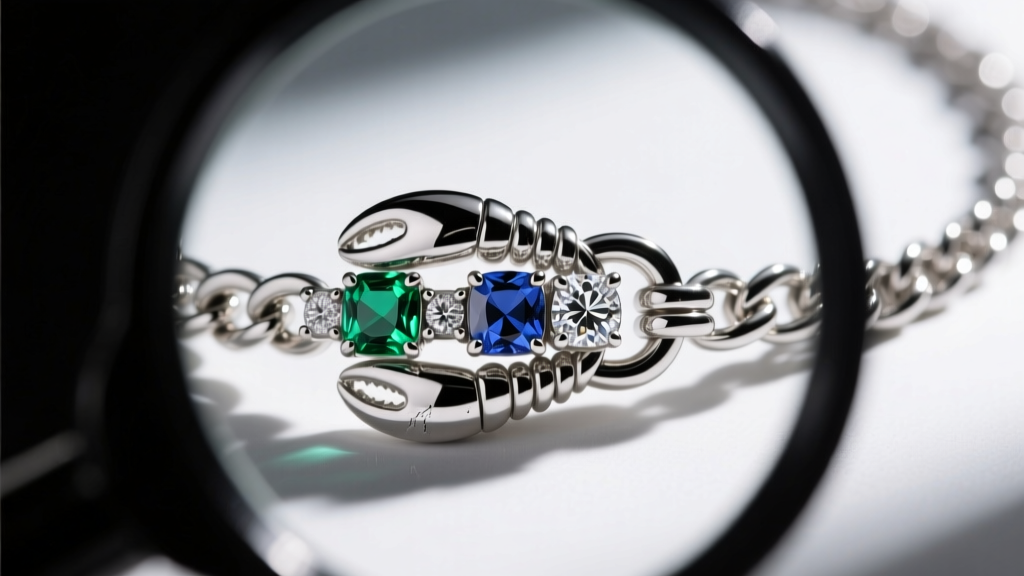
3. Hollow Links and Weak Clasps: A multi-station necklace requires a robust clasp. A standard 5mm spring ring clasp is insufficient for a piece weighing over 15 grams. Look for a lobster clasp or a box clasp with a figure-eight safety catch, and ensure the link connecting the clasp to the chain is thick enough to bear the dynamic load of the swinging gemstones.


