The Naked and Afraid Necklace: Extreme Material Guide
Discover the best materials for a naked and afraid necklace. We compare Grade 5 titanium, 316L steel, and tungsten for extreme survival environments.

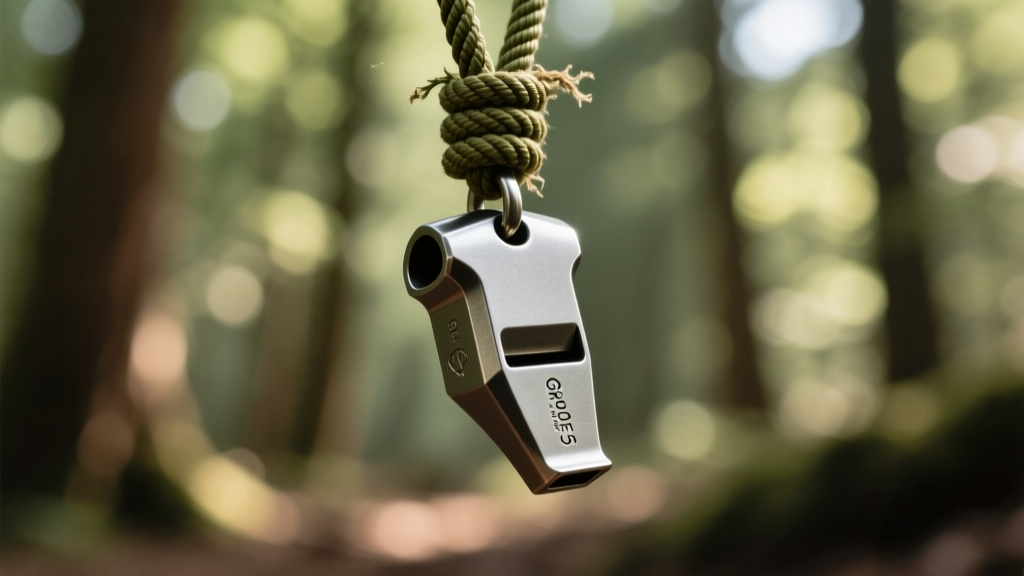
When survivalists and outdoor enthusiasts refer to a 'naked and afraid necklace,' they are not talking about delicate fashion jewelry. This term describes a minimalist, ultra-durable survival pendant—often a ferrocerium rod, emergency whistle, or streamlined dog tag—worn directly against the skin in the most unforgiving biomes on Earth. Stripped of heavy gear, your jewelry becomes part of your essential loadout. As of 2026, the shift toward ultra-lightweight, high-utility everyday carry (EDC) has pushed metallurgical boundaries, demanding materials that can withstand high-salinity sweat, extreme UV exposure, and constant abrasion without failing or causing contact dermatitis.
Choosing the right alloy and suspension system is a matter of operational security. A snapped chain in a dense jungle or a severe nickel allergy in an alpine environment can compromise a mission. This guide provides a deep-dive material comparison to help you engineer the ultimate survivalist pendant.
The Anatomy of a True Survivalist Pendant
A standard fashion necklace fails in extreme environments due to three primary vulnerabilities: galvanic corrosion, tensile failure at the clasp, and epidermal rejection (allergic contact dermatitis). A true survival necklace eliminates traditional lobster clasps and jump rings, which are notorious failure points when snagged on brush or tactical gear. Instead, it relies on continuous loop suspension and monolithic metal construction.
The Core Requirements
- Corrosion Resistance: Must withstand human sweat (pH 4.5 to 7.0) mixed with environmental salt and sulfur.
- Biocompatibility: Zero nickel leaching over prolonged, sweaty skin contact.
- Tensile Integrity: The suspension cord must support at least 100 lbs of static load to prevent snapping under sudden dynamic stress, yet include a breakaway safety mechanism to prevent strangulation.
Metal Matrix: Titanium vs. Stainless Steel vs. Tungsten
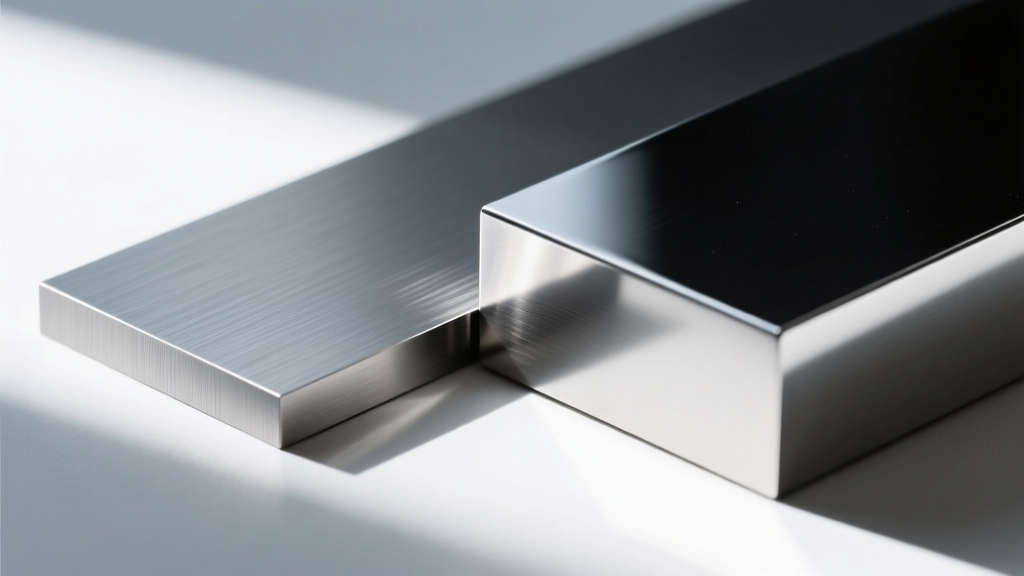
The pendant body is the anchor of your gear. According to data from AZoMaterials, the crystalline structure and alloying elements of your chosen metal dictate its survival performance. Let us break down the top three contenders.
Grade 5 Titanium (Ti-6Al-4V) vs. Grade 2 CP Titanium
Commercially Pure (CP) Grade 2 titanium is highly biocompatible but relatively soft, with a Vickers Hardness (HV) of roughly 150. For a survival necklace that might be used to strike a ferro rod or pry open a ration tin, Grade 5 Titanium (Ti-6Al-4V) is the undisputed champion. Alloyed with 6% aluminum and 4% vanadium, Grade 5 boasts a tensile strength of 895 MPa and a hardness of 334 HV. It is entirely immune to saltwater corrosion and will not trigger metal allergies, making it the premier choice for multi-week jungle expeditions.
316L Marine-Grade Stainless Steel
While 304 stainless steel is common in commercial jewelry, it lacks the molybdenum required to resist pitting corrosion in high-chloride environments. 316L stainless steel contains 2-3% molybdenum, drastically improving its resistance to localized corrosion from acidic sweat and seawater. However, 316L still contains trace amounts of nickel (up to 12%). In high-friction, high-sweat scenarios, the acidic breakdown of the passive oxide layer can release nickel ions, triggering dermatitis in sensitive individuals.
Tungsten Carbide
Tungsten carbide offers an astonishing hardness of 1500+ HV, making it virtually scratch-proof. It will maintain a mirror or brushed finish indefinitely, even when dragged across granite. The critical flaw of tungsten, however, is its low fracture toughness. A sharp, high-impact blow against a rock can cause a tungsten pendant to shatter. Furthermore, tungsten is exceptionally dense (15.6 g/cm³), making it heavier and more prone to causing neck fatigue during long treks.
Material Comparison Matrix
The following table synthesizes the mechanical and chemical properties of the leading survival necklace materials based on standard metallurgical testing.
| Material | Tensile Strength (MPa) | Hardness (HV) | Density (g/cm³) | Corrosion Resistance | Nickel-Free? |
|---|---|---|---|---|---|
| Grade 5 Titanium | 895 | 334 | 4.43 | Exceptional | Yes |
| 316L Stainless Steel | 485 | 150 | 8.00 | High (Pitting Risk) | No (10-12%) |
| Tungsten Carbide | 550 (Bending) | 1500+ | 15.60 | Excellent | Varies (Binder) |
| Grade 2 CP Titanium | 345 | 150 | 4.51 | Exceptional | Yes |
Suspension Systems: Cordage and Chain Links
A monolithic titanium pendant is useless if the chain snaps. Traditional metallic ball chains are a liability; they kink, trap moisture, and snap under minimal dynamic load (often failing at less than 15 lbs of force). For a naked and afraid necklace, you must utilize high-tensile, non-absorbent cordage.
Mil-Spec 550 Paracord (MIL-C-5040H)
Genuine military-specification Type III paracord features a minimum breaking strength of 550 lbs. It consists of a nylon kernmantle rope with 7 inner yarns, each made of 3 twisted strands. Nylon is highly resistant to UV degradation and does not lose tensile strength when wet. However, standard paracord can harbor bacteria and odor over time. To mitigate this, modern survivalists in 2026 are increasingly turning to UHMWPE (Ultra-High-Molecular-Weight Polyethylene) cords, such as Dyneema or Spectra, which offer a strength-to-weight ratio up to 15 times greater than steel, while remaining completely impervious to moisture and microbial growth.
The Breakaway Safety Node
Wearing a high-tensile cord around your neck in dense brush introduces a severe strangulation hazard. The suspension system must incorporate a calculated failure point. Using a specialized polymer breakaway clasp rated to snap at exactly 45 lbs of lateral force ensures the necklace stays secure during normal movement but releases instantly if snagged by a passing branch or an adversary.
Skin Biocompatibility and Contact Dermatitis

The American Academy of Dermatology frequently identifies nickel as the leading cause of allergic contact dermatitis. In survival scenarios, you are constantly bathed in sweat. Human sweat is a complex electrolyte solution containing sodium chloride, urea, and lactic acid. When sweat pools beneath a metallic pendant, it creates a localized electrochemical cell.
'In high-humidity, high-exertion environments, the passive layer of 316L stainless steel can undergo localized breakdown. The resulting release of nickel and chromium ions is the primary catalyst for severe contact dermatitis, which can lead to secondary bacterial infections in the field.'
To avoid this, Grade 5 Titanium remains the gold standard. Titanium forms a stable, self-healing oxide layer (TiO2) upon exposure to oxygen. This layer is completely inert to human sweat, ensuring that even after 30 days of continuous, unwashed wear in a tropical biome, the skin beneath the pendant remains unaffected.
Final Verdict: Building Your Ultimate Loadout
Constructing the perfect survivalist pendant requires balancing weight, durability, and biological compatibility. If your operations take you into marine or jungle environments where moisture and sweat are constant, Grade 5 Titanium paired with a Dyneema suspension cord is the only logical choice. It offers aerospace-grade strength at a fraction of the weight of steel, with zero risk of nickel-induced dermatitis.
For arid, alpine, or rocky environments where abrasion against granite is the primary concern, a Tungsten Carbide pendant on a thick 550 paracord loop will maintain its structural integrity and legibility (if engraved with coordinates or blood type) indefinitely. Avoid traditional jewelry findings entirely; your gear should be as resilient and uncompromising as the environments you intend to conquer.


