The Native American Bear Claw Necklace: 2026 Gift Guide
Discover how to choose an authentic Native American bear claw necklace for meaningful milestones. Explore materials, pricing, and cultural significance.

The Cultural Weight of the Bear Claw
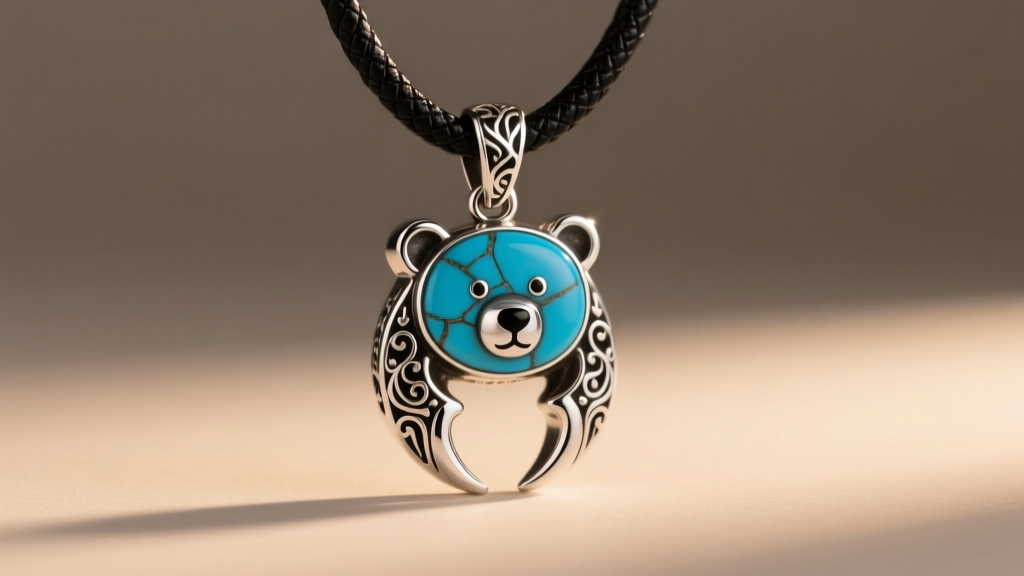
In the landscape of meaningful jewelry gifting, few pieces carry the profound spiritual and historical resonance of a Native American bear claw necklace. As we navigate the 2026 market, consumers are increasingly shifting away from mass-produced fast fashion, seeking instead pieces that offer a genuine connection to heritage, craftsmanship, and symbolism. In many Indigenous cultures across North America—including the Navajo (Diné), Zuni, and Hopi—the bear is revered as a powerful guardian. It symbolizes physical strength, unwavering courage, and deep introspection, largely due to the bear's hibernation cycle, which is viewed as a journey into the spiritual realm to gather healing knowledge.
Gifting a bear claw pendant is not merely a sartorial choice; it is the bestowal of a talisman. It is a gesture of profound respect, often meant to confer protection and leadership qualities upon the wearer. However, because of its deep cultural roots, purchasing and gifting this specific style of necklace requires a rigorous commitment to authenticity and ethical sourcing.
Authenticity First: Navigating the 2026 Market
The most critical factor when purchasing a Native American bear claw necklace is ensuring its legitimacy. The Indian Arts and Crafts Act of 1990 is a federal truth-in-advertising law that prohibits misrepresentation in the marketing of Indian arts and crafts products within the United States. It is illegal to offer or display for sale any art or craft product in a manner that falsely suggests it is Indian-produced, an Indian product, or the product of a particular Indian tribe.
Despite this law, the market is flooded with imported, mass-produced resin and bone carvings deceptively marketed with Southwestern aesthetics. To ensure your gift is authentic, adhere to these verification frameworks:
- Hallmark Verification: Genuine sterling silver pieces will bear the stamped hallmark of the artisan. Look for distinct initials or pictographs on the back of the silver bail or the pendant base. Be wary of generic '925' stamps without an accompanying artist mark.
- Material Sourcing: Authentic carvers use ethically sourced animal byproducts (like naturally shed antlers or legally obtained bone) or carve directly from high-grade turquoise and jet. Fakes often use molded epoxy resins painted to resemble bone.
- Buy Direct or Certified: Purchase directly from tribal artisans, certified Native-owned galleries, or reputable cooperatives like the Indian Arts and Crafts Association (IACA).
'When you buy authentic Native jewelry, you are not just buying an object; you are investing in the continuation of a living culture and supporting the economic sovereignty of Indigenous communities.' — Cultural Heritage Preservation Guidelines
Material & Craftsmanship Tiers
Understanding the materials used in bear claw pendants will help you match the piece to your budget and the recipient's lifestyle. Below is a breakdown of common materials used in contemporary Native American bear claw designs.
| Material | Durability & Care | Cultural & Aesthetic Weight | Price Impact |
|---|---|---|---|
| Sterling Silver (925) | High. Tarnishes over time; requires polishing cloths. Heavy. | Traditional for Navajo and Zuni silversmiths. Often features stamp-work or sand-casting. | Premium |
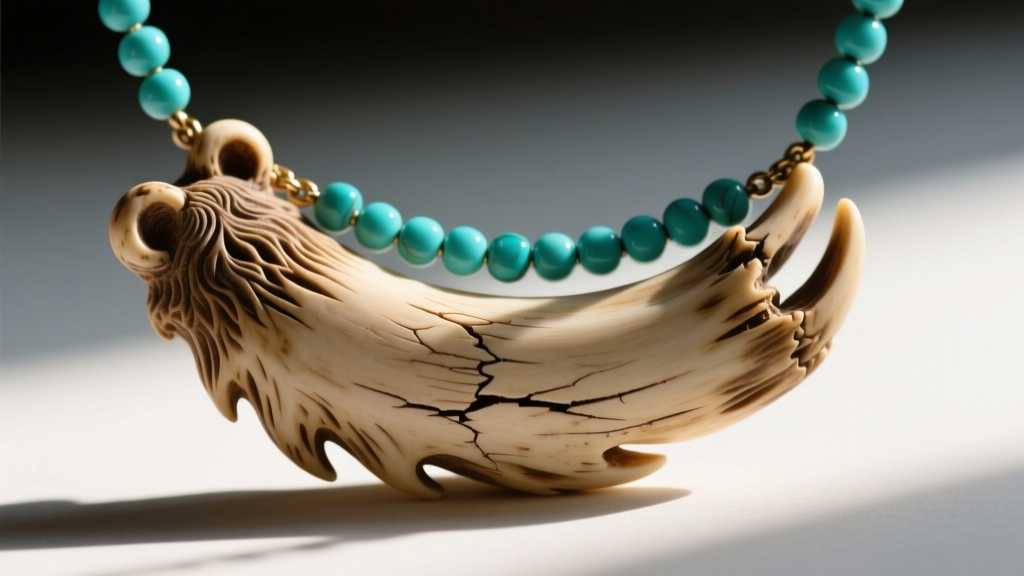
| Carved Bone/Antler | Medium. Porous and sensitive to oils and water. Must be kept dry. | Deeply traditional. Represents a direct connection to the animal spirit. | Mid to High |
| Turquoise Inlay | Low to Medium. Highly porous. Chemicals and lotions will alter the matrix. | Sacred stone representing water, sky, and protection. Adds vibrant color contrast. | High (Depends on mine) |
| Resin/Epoxy (Faux) | High. Waterproof and lightweight, but lacks organic warmth. | Zero cultural weight. Often mass-produced overseas. | Budget (Avoid) |
Occasion Matching: When to Gift the Bear
Because of its potent symbolism, a Native American bear claw necklace is not an appropriate casual gift or a fleeting fashion accessory. It is best reserved for milestones that align with the bear's attributes of strength, transition, and healing.
- Graduation & Career Transitions: The bear is a guide through the wilderness. Gifting this to a high school or college graduate symbolizes the courage needed to step into the unknown and forge their own path.
- Health Recovery & Healing: In many tribal traditions, the bear is associated with medicinal knowledge and the healing arts. A bone or turquoise claw pendant is a deeply thoughtful gift for someone recovering from a long illness or surgery.
- Milestone Birthdays (30th, 40th, 50th): These decades mark transitions into deeper wisdom and grounding. The heavy, substantial nature of a bear claw pendant serves as an anchor during life's mid-point shifts.
- Leadership Roles: For a friend or family member stepping into a significant leadership position within their community or career, the bear claw represents protective authority and steadfastness.
Sizing, Lengths, and Structural Integrity
A common failure mode in heavy pendant necklaces is the breaking of the cord or chain. A solid sterling silver bear claw pendant, especially one measuring 2.5 to 3.5 inches in length, can easily weigh between 40 and 70 grams. Standard jewelry chains cannot support this weight.
When selecting the necklace base, consider the following structural specifications:
- The Bail: The loop that connects the claw to the cord must be robust. Look for a bail made from at least 14-gauge sterling silver. Anything thinner (like 18-gauge or 20-gauge) will eventually bend and snap under the pendant's swinging momentum.
- Leather Cords: If opting for a leather cord, avoid thin 2mm strings. Choose a 4mm to 6mm braided leather or deerskin lace. Deerskin is traditionally preferred by many Plains and Southwestern tribes for its incredible tensile strength and soft drape.
- Metal Chains: If a metal chain is preferred, a 12-gauge or 10-gauge sterling silver omega chain or a heavy rolo chain is required to safely bear the load without kinking.
Length and Neckline Pairing
The length of the necklace dictates where the bear claw rests on the body, which changes its visual impact and how it pairs with clothing.
- Choker (16-18 inches): Rests on the collarbone. Best for smaller, lighter silver claws. Pairs well with open V-necks or scoop necks. Avoid with tight turtlenecks.
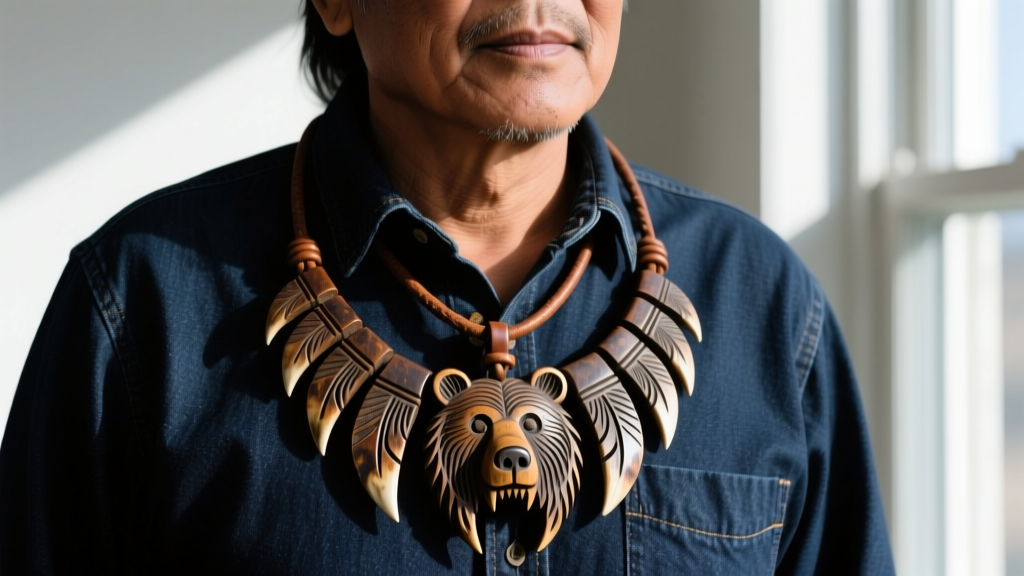
- Princess (20-24 inches): The ideal length for heavy pendants. Allows the claw to rest squarely on the sternum, acting as a true centerpiece. Works beautifully over button-down shirts, denim, and casual knits.
- Matinee (30+ inches): Often used for multi-strand heishi bead necklaces featuring a large bone claw. Worn over sweaters, tunics, or winter layers, providing a bohemian yet grounded aesthetic.
Pricing Guide: What to Expect in 2026
The pricing of authentic Native American jewelry has shifted in 2026, driven by the rising spot price of silver and the increasing scarcity of high-grade, untreated turquoise from closed or restricted mines (such as Lander Blue or Bisbee). Here is a realistic breakdown of what you should expect to pay for genuine pieces.
- Budget Tier ($80 - $200): Small to medium sterling silver cast claws, simple leather cords, and perhaps small turquoise chip accents. Often made by emerging artists or smaller tribal cooperatives.
- Mid-Tier ($250 - $700): Hand-stamped or sand-cast sterling silver claws, genuine hand-carved bone or antler, and high-quality Santo Domingo Pueblo shell or turquoise heishi beads. The silver weight will be substantial, and hallmarks will be present.
- Heirloom / Master Tier ($800 - $3,000+): Created by master silversmiths (e.g., established Navajo or Zuni families). Features heavy-gauge solid silver, intricate channel inlay, and rare, museum-grade turquoise. These pieces are investment-grade and often come with certificates of authenticity and provenance.
Care and Maintenance for Organic Materials
To ensure the necklace survives for generations, the recipient must understand how to care for organic and porous materials. The Smithsonian National Museum of the American Indian emphasizes that indigenous artifacts and jewelry require specialized, non-chemical conservation approaches.
- Avoid Moisture: Never wear bone, antler, or turquoise pendants in the shower, pool, or ocean. Water can cause bone to crack as it dries and will severely damage the structural integrity of untreated turquoise.
- Chemical Avoidance: Apply perfumes, colognes, and lotions before putting on the necklace. The alcohol and synthetic oils in cosmetics will strip the natural patina from bone and discolor turquoise matrices.
- Polishing Silver: Use only a dry, treated microfiber silver-polishing cloth. Never use liquid silver dips or ultrasonic cleaners, as the harsh chemicals will permanently ruin any turquoise or coral inlays.
- Storage: Store the necklace flat in a breathable cotton pouch. Hanging heavy pendants for long periods can stretch the leather cord or warp the silver bail over time.
Final Thoughts on Gifting with Respect
A Native American bear claw necklace is a profound gift that bridges the gap between artisanal mastery and spiritual heritage. By prioritizing authenticity, understanding the structural requirements of heavy pendants, and matching the piece to a meaningful life milestone, you ensure that your gift is not only beautiful but deeply respected. When you present this necklace, you are offering a symbol of endurance, protection, and a timeless connection to the natural world.


