2026 Gift Guide: Choosing the Perfect Natural Pearl Necklace
Discover how to choose the perfect natural pearl necklace for any occasion. Our 2026 gift guide covers grading, pricing, and milestone matching.

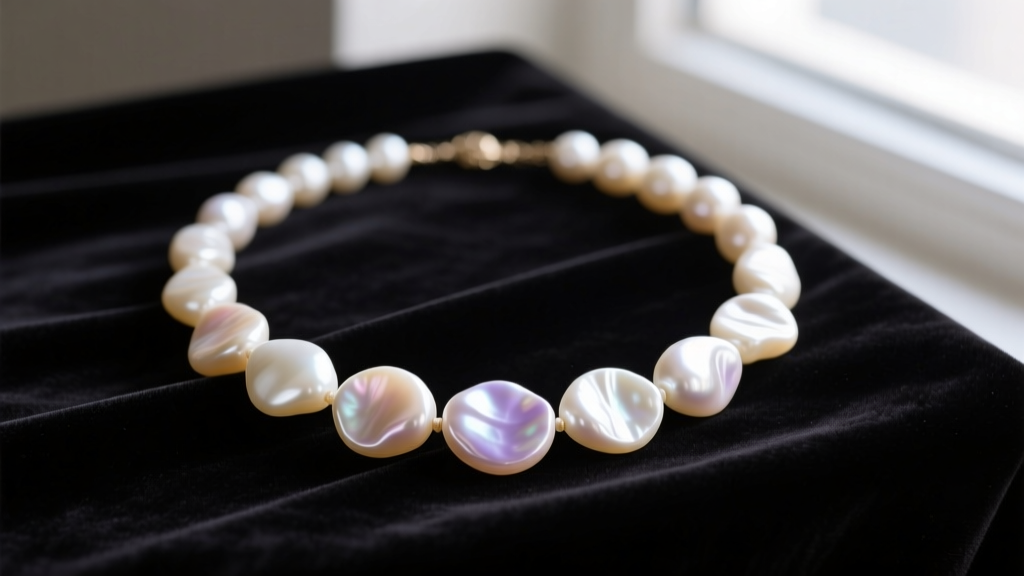
Gifting a pearl necklace is a timeless gesture, but navigating the modern jewelry market requires a sophisticated understanding of gemology. When buyers search for a natural pearl necklace, they are often met with a confusing array of terminology, misleading marketing, and vast price discrepancies. Whether you are shopping for a milestone wedding, a 30th anniversary, or a significant graduation, understanding the precise differences between wild-harvested naturals, high-end cultured saltwater pearls, and mass-market alternatives is critical to making an informed investment.
In this comprehensive 2026 gift guide, we decode the technical specifications of pearl grading, establish realistic pricing tiers, and provide a definitive matrix for matching the perfect pearl strand to life’s most important occasions.
The Terminology Trap: Natural vs. Cultured Pearls
Before selecting a gift, it is vital to understand the strict gemological definitions enforced by the Federal Trade Commission (FTC) and the Gemological Institute of America (GIA).
- Natural Pearls: Formed in the wild without any human intervention. These are exceedingly rare, typically found only in antique estate jewelry or high-end auction houses. A true, certified vintage natural pearl necklace starts around $15,000 and can reach well into the millions.
- Cultured Pearls: Formed inside oysters or mussels with human assistance (nucleation). Over 99.9% of all real pearls sold in the jewelry market today are cultured. They possess the exact same chemical composition (calcium carbonate and conchiolin) as wild pearls.
- Imitation Pearls: Man-made beads crafted from glass, plastic, or crushed shells coated with synthetic pearlescent lacquer. These hold no intrinsic gemological value.
Expert Insight: If you encounter a brand-new “natural pearl necklace” priced at $250, it is either a mislabeled low-grade freshwater cultured pearl or a complete imitation. True natural pearls are historical artifacts; modern luxury gifting focuses on premium cultured saltwater varieties.
Occasion Matching: Which Pearl Type Fits the Milestone?
Different milestones call for varying levels of rarity, size, and prestige. Below is our strategic matching matrix to help you align your budget and the recipient’s lifestyle with the correct pearl category.
| Occasion | Recommended Pearl Type | Ideal Size (mm) | Estimated Price Range |
|---|---|---|---|
| Bridal / Wedding Day | Hanadama Akoya (Saltwater) | 7.0 - 8.5mm | $1,500 – $4,500 |
| 18th / 21st Birthday | AAA Gem-Grade Freshwater | 7.0 - 9.0mm | $300 – $800 |
| Milestone Anniversary (20th+) | White South Sea (Saltwater) | 10.0 - 14.0mm | $5,000 – $25,000+ |
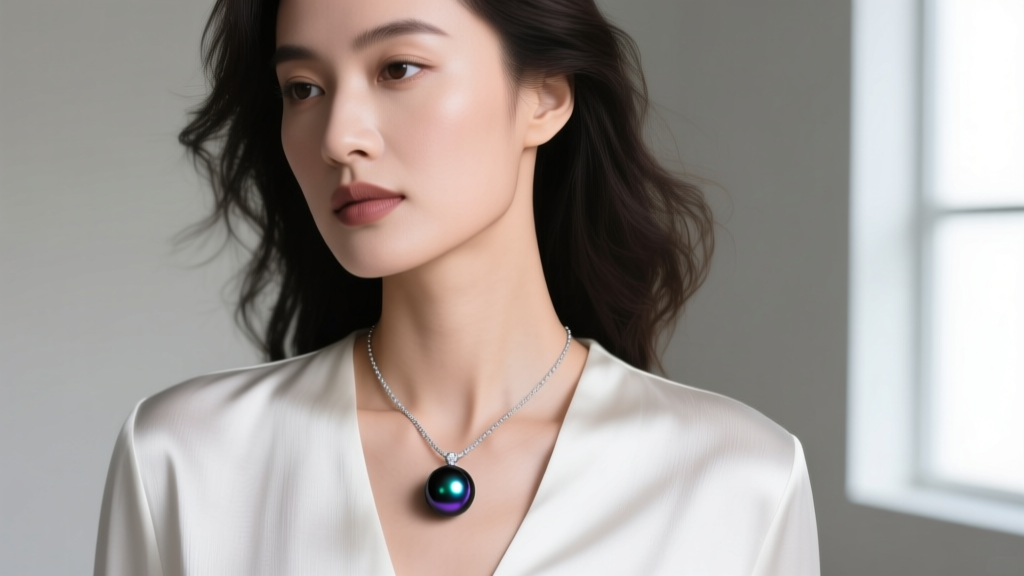
| Career Milestone / Promotion | Tahitian Black Pearl Pendant | 11.0 - 13.0mm | $800 – $3,000 |
| Heirloom / Investment | Certified Vintage Natural Pearl | Varies (usually 4.0 - 7.0mm) | $15,000 – $100,000+ |
Weddings & Engagements: The Timeless Akoya Strand
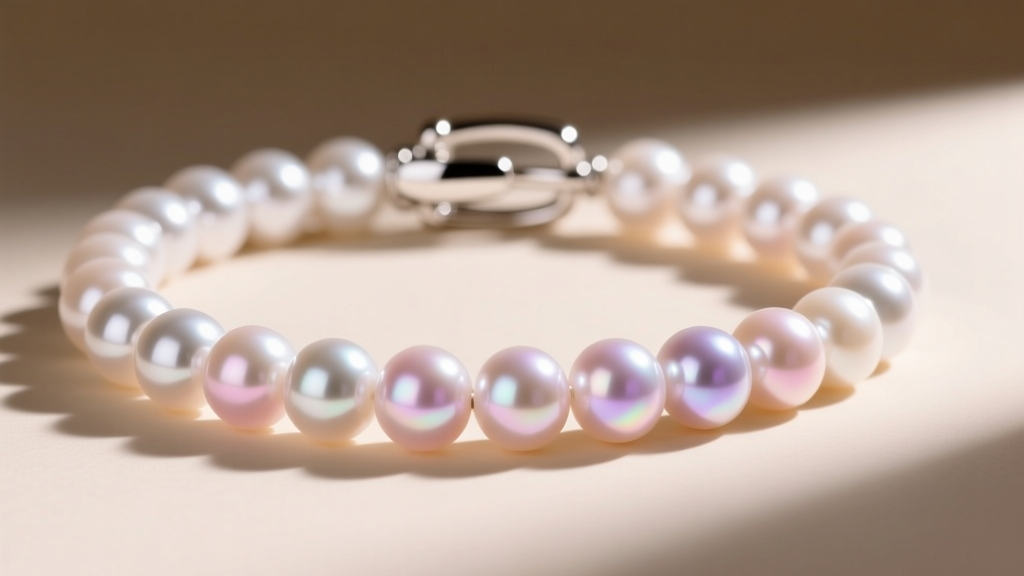
For bridal gifts, the Akoya pearl remains the undisputed champion of classic elegance. Originating primarily from Japan, Akoya pearls are renowned for their sharp, mirror-like luster and perfectly spherical shapes. When shopping for a bride, look specifically for the Hanadama certification. According to the Cultured Pearl Association of America, Hanadama represents the absolute top tier of Akoya production, requiring a minimum nacre thickness of 0.4mm (though premium strands often exceed 0.8mm) and flawless surface clarity under magnification. A 16-inch princess-length Hanadama strand is the quintessential wedding day accessory, reflecting beautifully in both natural sunlight and indoor flash photography.
Milestone Anniversaries: South Sea and Tahitian Statements
When celebrating a 20th or 30th anniversary, the gift should reflect the rarity and depth of the relationship. White South Sea pearls, cultivated in the warm waters of Australia and the Philippines, offer a luxurious, satiny luster and massive sizes ranging from 10mm to 15mm. Their thick nacre (often 2.0mm to 6.0mm) gives them a soft, glowing appearance rather than the sharp reflection of an Akoya. Alternatively, for the recipient with a bold, modern aesthetic, a strand of dark Tahitian pearls—featuring mesmerizing overtones of peacock green, aubergine, and silver—makes an unforgettable, contemporary statement.
Graduations & Early Career: High-Grade Freshwater Alternatives
If you are gifting a recent graduate or someone entering the corporate world, high-end freshwater pearls offer exceptional value without the saltwater price tag. Modern nucleation techniques in China have produced “Edison” and gem-grade freshwater pearls that rival Akoyas in roundness and luster. Look for AAA or AAAA grades with high luster and minimal blemishes. These pearls are highly durable, making them perfect for daily office wear where they might be exposed to perfumes, cosmetics, and environmental friction.
Technical Buying Guide: Nacre, Luster, and Surface Grading
To evaluate the quality of any real pearl necklace, you must look past the marketing jargon and assess the physical gemological traits. Here is the expert framework for inspecting a strand:
- Luster (The Ultimate Value Driver): Luster is the intensity and sharpness of light reflecting off the pearl's surface. High-quality pearls will reflect your image clearly, almost like a curved mirror. Chalky or dull pearls lack sufficient nacre quality and should be avoided.
- Nacre Thickness: Nacre is the crystalline substance the mollusk secretes to form the pearl. Thin nacre (under 0.3mm on saltwater pearls) will eventually peel or wear away, exposing the shell bead nucleus inside. Always ask the jeweler for nacre thickness specifications or X-ray certificates for expensive purchases.
- Surface Blemishes: Pearls are organic gems; perfectly flawless surfaces are incredibly rare. Minor, localized blemishes (tiny pits or wrinkles) are acceptable and prove the pearl's organic origin, provided they do not compromise the structural integrity or overall beauty of the strand.
- Matching: A high-quality strand requires thousands of harvested pearls to find enough gems that match perfectly in size, shape, color, and luster. Poorly matched strands with varying undertones indicate lower-tier sorting and mass-market assembly.
Sizing and Length Matrix for Necklines
The length of the necklace drastically alters how it interacts with the wearer's wardrobe. Ensure you select the correct length for the recipient's preferred clothing styles:
- Collar (10-13 inches): Sits tightly against the throat. Best suited for V-necklines, boat necks, and off-the-shoulder evening gowns.
- Choker (14-16 inches): Rests at the base of the neck. A versatile standard that pairs beautifully with crew necks and business casual attire.
- Princess (17-19 inches): Falls just below the collarbone. The most popular and universally flattering length, ideal for almost any neckline, including high collars and turtlenecks.
- Matinee (20-24 inches): Drops to the top of the bust. Excellent for business suits and professional wear, drawing the eye downward and elongating the torso.
- Opera (28-36 inches): Falls below the bust. Often worn as a single long strand or doubled over for a layered choker effect. Reserved for formal, black-tie events.
Where to Buy and Red Flags to Avoid
When purchasing a high-value pearl necklace, provenance and transparency are non-negotiable. Avoid generic marketplaces where product descriptions are vague. Instead, purchase from specialized pearl jewelers who provide detailed grading reports, specify the origin (e.g., Japanese Akoya, Australian South Sea), and offer clear return policies.
Red Flags to Watch For:
- “Natural Shell Pearl” or “Mallorca Pearl”: These are imitations made from ground oyster shells coated in synthetic fish-scale lacquer. They are not real pearls.
- “Untreated” Akoya Claims: Nearly all Akoya pearls undergo mild bleaching and “pinking” (a universal industry practice to enhance the subtle rose overtone). Claims of completely untreated Akoyas are rare and should be backed by independent lab reports.
- Plastic Knotting Thread: Premium pearl necklaces are strung on pure silk thread with individual knots between every single pearl to prevent loss if the strand breaks. If the pearls are strung on synthetic wire without knots, it is a sign of cheap manufacturing that can lead to severe friction damage on the drill holes over time.
By understanding the distinction between true natural artifacts and premium cultured gems, and by rigorously evaluating luster and nacre thickness, you can confidently select a pearl necklace that will serve as a cherished, multi-generational heirloom.


