Beginner Guide: How to Style a Nautilus Shell Necklace
Discover how to choose, style, and care for a nautilus shell necklace. Learn about materials, chain pairings, and neckline matching in our beginner guide.

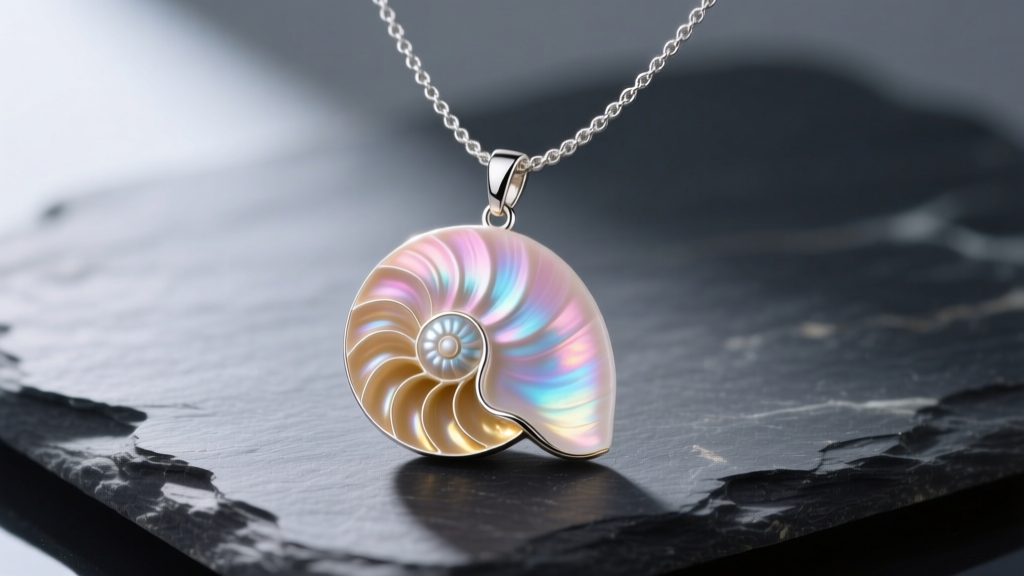
The Allure of the Nautilus in Jewelry Design
The nautilus shell is a marvel of natural engineering, famous for its logarithmic spiral that perfectly mirrors the Fibonacci sequence and the golden ratio. In the world of jewelry, a nautilus shell necklace serves as a striking conversation piece that bridges the gap between organic earthiness and mathematical elegance. For beginners stepping into the realm of statement pendants, understanding the nuances of this specific motif is essential. Unlike standard gemstone pendants, shell jewelry requires a distinct approach to sourcing, styling, and long-term maintenance. This guide will walk you through everything you need to know to confidently select, wear, and preserve your nautilus shell pendant.
Genuine vs. Faux Nautilus: Understanding Your Materials
Before purchasing a nautilus shell necklace, it is critical to understand exactly what you are buying. The market is flooded with both genuine organic shells and synthetic replicas, each with vastly different price points, ethical implications, and durability profiles.
Genuine nautilus shells are composed of nacre (mother-of-pearl), an organic-inorganic composite material consisting of microscopic aragonite platelets (calcium carbonate) layered with elastic biopolymers like conchiolin. This structure gives genuine nacre its signature iridescent luster. However, nacre is relatively soft, ranking between 2.5 and 3.0 on the Mohs hardness scale. This means it can be easily scratched by harder materials like quartz dust or standard metal jewelry.
Faux nautilus pendants are typically crafted from epoxy resin, dyed howlite, or carved bone. While resin replicas are highly durable and waterproof, they lack the deep, multi-dimensional light refraction of genuine nacre. Furthermore, the ethical sourcing of genuine shells is a major consideration. In 2017, the Chambered Nautilus (Nautilus pompilius) was listed under Appendix II of the CITES Appendices, meaning international trade is strictly regulated to prevent overharvesting. When buying genuine, always look for vintage pieces or vendors who provide verifiable sustainable harvesting certificates.
| Material Type | Mohs Hardness | Average Price Range | Ethical & Sourcing Concerns |
|---|---|---|---|
| Genuine Nacre (Vintage/Ethical) | 2.5 - 3.0 | $85 - $250+ | High (CITES Appendix II regulated) |
| Dyed Howlite / Bone | 3.5 - 5.0 | $30 - $70 | Low (but lacks genuine luster) |
| Epoxy Resin / Glass | 5.0 - 6.5 | $15 - $45 | None (Synthetic) |
Expert Insight on Organic Gems
According to the Gemological Institute of America (GIA), organic gems like nacre, coral, and pearl require specialized handling because their chemical structure is fundamentally different from crystalline minerals. The calcium carbonate in a nautilus shell is highly reactive to acids, meaning even the natural pH of human sweat can slowly degrade the polish over time if not properly maintained.
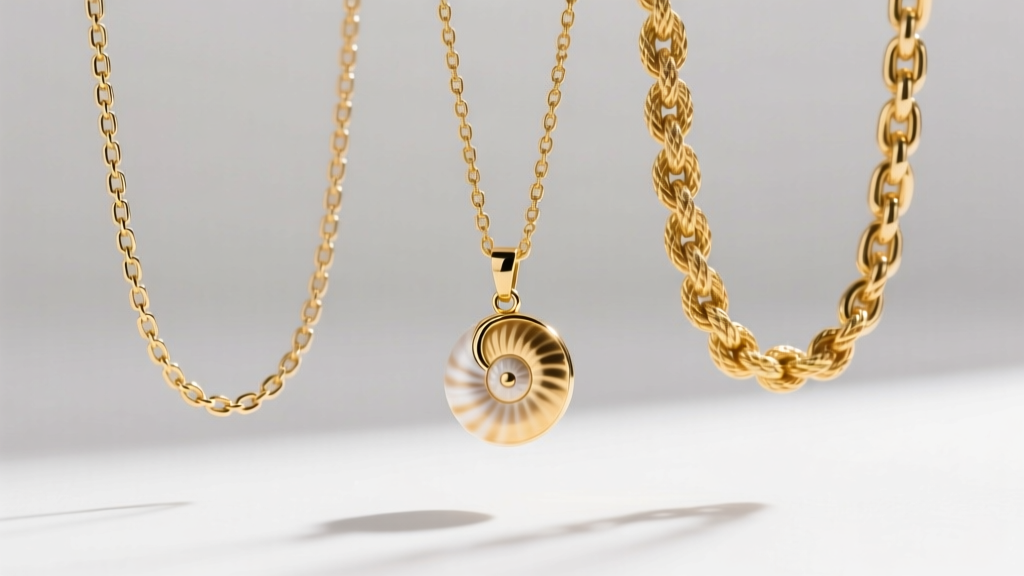
Selecting the Right Chain and Bail Hardware
The structural integrity of your nautilus shell necklace relies heavily on two often-overlooked components: the chain gauge and the bail (the finding that connects the pendant to the chain). Because genuine nautilus shells can be surprisingly heavy—especially larger, cross-sectioned slices—pairing them with a flimsy chain is a recipe for disaster.
Chain Gauge and Style Recommendations
- 1.2mm to 1.5mm Rope Chain: The twisted design of a rope chain offers exceptional tensile strength while maintaining a delicate, fluid appearance that complements the organic curves of the shell.
- 1.5mm Box Chain: Composed of interlocking square links, box chains distribute weight evenly and are highly resistant to kinking, making them ideal for heavier, solid-shell pendants.
- Avoid Standard Cable Chains under 1.5mm: Thin, round cable chains are prone to stretching and snapping under the pendulum-like swing of a heavy nautilus pendant.
The Bail: Glued vs. Wire-Wrapped
Many mass-produced shell necklaces use a flat metal pad glued directly to the back of the shell with jeweler's epoxy. Because polished nacre is non-porous and smooth, glue adhesion is notoriously weak. Temperature fluctuations or a simple snag on a sweater can cause the bail to pop off, resulting in a lost pendant. For long-term security, always opt for wire-wrapped bails or prong-set bezels that physically grip the shell's edges or utilize a drilled hole at the apex of the spiral.
Neckline Matching and Proportional Styling
Styling a nautilus shell necklace is all about balancing the pendant's visual weight with your wardrobe. The spiral shape naturally draws the eye inward, making it an excellent tool for framing the face and highlighting the collarbone.

Length and Neckline Pairings
The 16-Inch Choker Drop: Best suited for boatneck tops, off-the-shoulder dresses, or open-collar button-downs. A smaller, delicate nautilus slice (under 1 inch) works best here to prevent the shell from resting awkwardly on the collarbone.
The 18-Inch Princess Drop: The most versatile length. It sits perfectly in the hollow of the collarbone and pairs flawlessly with V-neck blouses, scoop necks, and wrap dresses. The V-shape of the clothing mimics the natural downward point of the nautilus spiral, creating a harmonious visual line.
The 20 to 24-Inch Matinee Drop: Ideal for high-necked garments, turtlenecks, or layering over lightweight sweaters. Larger, statement-sized whole shells (2.5 inches or more) require this longer drop to hang freely without bouncing against the chest.
Care, Cleaning, and Preservation Protocols
Treating your nautilus shell necklace with the right care protocols will ensure the nacre retains its iridescent fire for decades. The most common mistake beginners make is treating shell jewelry like standard metal or diamond jewelry.
The Golden Rule of Organic Jewelry: Always put your nautilus shell necklace on last when getting dressed, and take it off first when you get home. This prevents exposure to aerosol hairsprays, perfumes, and cosmetic chemicals that can permanently dull the nacre's luster.
What to Avoid at All Costs
Never place a genuine nautilus shell in an ultrasonic jewelry cleaner. The high-frequency acoustic cavitation bubbles can cause micro-fractures between the delicate aragonite layers, leading to delamination and a cloudy appearance. Similarly, avoid steam cleaners and harsh chemical dips (like silver polishing solutions), which will strip the natural oils from the shell and cause it to become brittle.
The Proper Cleaning Routine
- After wearing, gently wipe the shell with a dry, lint-free microfiber cloth to remove skin oils and acidic sweat.
- If the shell becomes visibly soiled, dampen the cloth slightly with distilled water (never tap water, as chlorine and fluoride can react with calcium carbonate) and wipe gently.
- Allow the pendant to air dry completely before storing.
- Store the necklace in a soft flannel or cotton pouch. Avoid airtight plastic bags, as plastic can trap ambient moisture and promote mildew growth on organic materials.
By understanding the unique material properties of the nautilus shell, selecting structurally sound hardware, and adhering to strict organic care protocols, your nautilus shell necklace will remain a breathtaking, mathematically perfect centerpiece in your jewelry collection for years to come.


