2026 Necklace Trends: A Buyer's Guide to Materials & Mechanics
Discover which 2026 necklace trends are worth your investment. Our buying guide breaks down chain weaves, metal grades, and clasp mechanics.

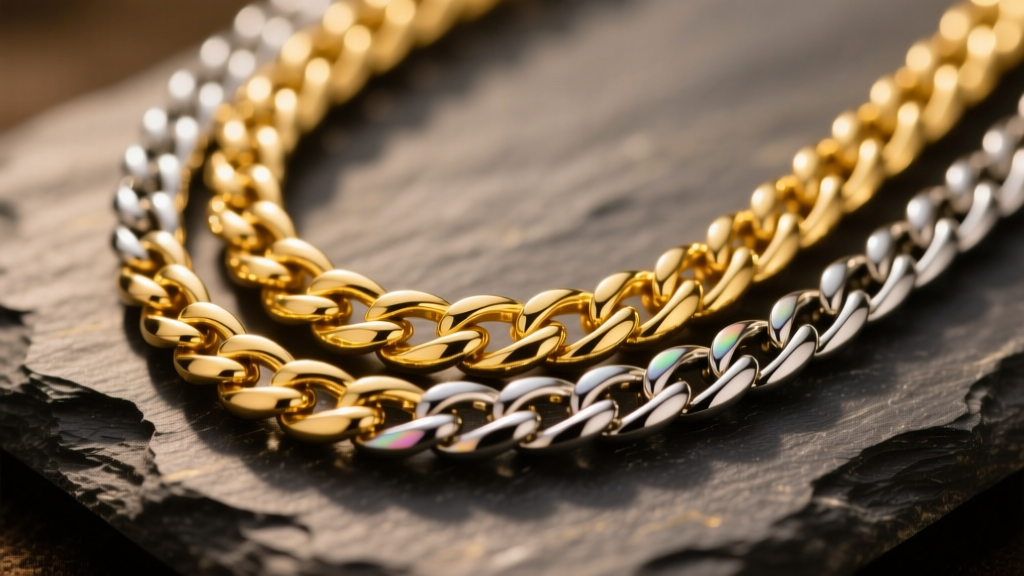
The 2026 Shift: From Fast Fashion to Heirloom Mechanics
As we navigate the 2026 jewelry landscape, the conversation around necklace trends has fundamentally shifted. Consumers are moving away from the ephemeral "micro-trends" of the early 2020s and leaning heavily into investment dressing and quiet luxury. However, purchasing trending styles requires more than just an eye for aesthetics; it demands a rigorous understanding of metallurgy, structural mechanics, and manufacturing techniques. A trending chain weave is only as good as its tensile strength, and a popular gold-tone finish is worthless if it oxidizes within a month.
This comprehensive buying guide dissects the current necklace trends through the lens of a bench jeweler. We will evaluate which trending styles possess the structural integrity to become modern heirlooms and which are destined for the landfill, ensuring your purchasing decisions are backed by hard material science.
Decoding Chain Weaves: What is Trending vs. What Lasts
The silhouette of a chain dictates its visual weight and how it interacts with light. In 2026, we are seeing a massive resurgence in geometric, industrial-inspired weaves alongside ultra-fluid "liquid metal" styles. However, not all weaves are created equal when subjected to daily friction and tension.
The Resurgence of the Box Chain
Box chains (or Venetian chains) are dominating current trends due to their clean, architectural lines that pair perfectly with heavy, sculptural pendants. Structurally, they consist of square links connected by small jump rings. While visually striking, box chains have a notorious failure mode: if purchased under 1.2mm in thickness, the thin connecting rings will stretch and snap under the weight of a pendant. When buying into this trend, always demand a minimum width of 1.5mm for pendant-bearing chains, and ensure the links are laser-welded rather than simply pressed shut.
Wheat Chains: The Quiet Luxury Standard
Also known as Spiga chains, wheat chains feature interlocking, directional loops that resemble stalks of wheat. According to manufacturing data from Rio Grande Jewelry Supply, the multi-directional weaving of the Spiga chain distributes tension evenly across four to six links at any given stress point. This makes it one of the most durable weaves on the market, perfectly aligning with the 2026 demand for "buy-it-for-life" everyday pieces.
| Chain Weave | Trend Status | Tensile Strength | Minimum Recommended Gauge | Primary Failure Mode |
|---|---|---|---|---|
| Box (Venetian) | High (Industrial/Geometric) | Moderate | 1.5mm | Link stretching & snapping |
| Wheat (Spiga) | High (Quiet Luxury) | Very High | 1.2mm | Surface abrasion over decades |
| Herringbone | Medium (Liquid Metal) | Very Low | 3.0mm (Flat) | Permanent kinking & folding |
| Rope | Steady (Classic/Textured) | High | 2.0mm | Unraveling if a single link breaks |
Metal Grades & Plating: Avoiding the Oxidation Trap
The most pervasive necklace trends in 2026 involve mixed metals and rich, saturated gold tones. However, the method used to achieve these colors dictates the lifespan of the piece. The market is currently flooded with "gold-plated" brass, a fast-fashion staple that utilizes electroplating. Electroplated layers are typically less than 0.1 microns thick and will wear through to the copper-zinc base within 3 to 6 months of daily wear, resulting in the dreaded "green neck" oxidation.
The PVD Coating Revolution
If you are buying gold-tone fashion jewelry, Physical Vapor Deposition (PVD) is the only acceptable standard in 2026. PVD coating utilizes a vacuum chamber to bond titanium nitride to a 316L surgical stainless steel base. This process yields a coating thickness of 0.3 to 1.0 microns—up to ten times thicker than traditional electroplating. PVD-coated necklaces are highly resistant to sweat, UV exposure, and friction, often lasting 5 to 10 years without fading. When shopping, look for explicit mentions of "PVD-coated 316L steel" rather than vague terms like "waterproof gold."
Solid Gold Alloys: 14k vs. 18k
For fine jewelry investments, understanding karatage is critical. The Gemological Institute of America (GIA) notes that pure 24k gold is too soft for chain links. 18k gold (75% pure) offers a rich, buttery yellow hue favored in European luxury markets but is prone to scratching and deformation in thin chain weaves. For everyday trending chains, 14k gold (58.3% pure) is the superior mechanical choice. The higher alloy content (usually copper and silver) significantly increases the yield strength of the metal, preventing the links from pulling apart under the weight of heavy 2026 pendant trends.
Pendant Bails and Jump Rings: The Hidden Failure Points
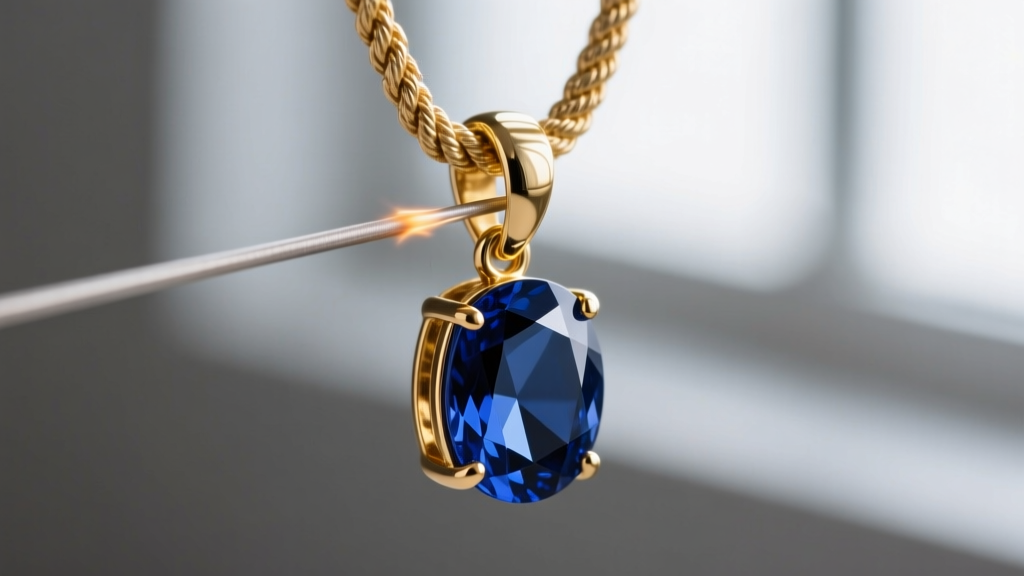
A necklace is only as strong as its weakest connection point. The current trend of oversized, heavy gemstone and sculptural metal pendants places immense shear stress on the bail (the loop that holds the pendant) and the jump ring that attaches it to the chain.
- Split Jump Rings: These function like tiny keyrings. While cheap to produce, heavy pendants will eventually wedge into the split, prying the ring open and causing the loss of the pendant.
- Soldered Jump Rings: The benchmark for quality. A jeweler uses a laser or torch to fuse the seam of the ring shut. For heavy 2026 pendants, ensure the jump ring is soldered and forged from at least 18-gauge wire.
- Integrated Bails: Many trending sculptural pendants now feature bails cast directly into the piece, eliminating the jump ring entirely. While structurally sound, ensure the interior diameter of the bail is wide enough to accommodate thicker trending chains like 3mm ropes or cubans.
The 2026 Layering Framework: Gauges and Lengths
Layering remains a dominant styling technique, but the haphazard stacking of the past decade has been replaced by the "Rule of Thirds" framework. To achieve the curated, intentional look trending in 2026, you must vary both the length and the visual weight (gauge) of the chains.
"The most common mistake in layering is using chains of identical thickness. The eye needs contrast to register individual layers. We recommend a 1.5mm chain at 16 inches, a 3.0mm chain at 18 inches, and a 5.0mm chain at 22 inches to create perfect visual cascading."
Furthermore, clasp mechanics play a hidden role in layering success. Standard lobster clasps are functional, but the 2026 luxury standard for heavy, layered chains is the hidden tongue clasp or the magnetic box lock. These findings sit flush against the skin, preventing the clasp from sliding to the front of the neck—a common annoyance when wearing multiple chains of varying weights.
Final Verdict: Where to Allocate Your Budget
Navigating necklace trends in 2026 requires a bifurcated approach to your budget. For highly stylized, geometric, or oversized statement pieces that may only be relevant for a two-to-three-year trend cycle, invest in PVD-coated 316L stainless steel. You will get the exact aesthetic of solid gold with immense structural durability for under $100.
Conversely, for foundational weaves like the Wheat, Rope, or Curb chains that transcend seasonal fads, allocate your budget toward solid 14k gold with soldered findings. By prioritizing material grade, link thickness, and clasp mechanics over mere visual novelty, you ensure that the necklace trends you adopt today will remain structurally sound and visually relevant for decades to come.


