How to Clean a Lia Sophia Turquoise Necklace Safely
Learn how to safely clean and restore your vintage Lia Sophia turquoise necklace with expert tips on plating care, stone preservation, and storage.

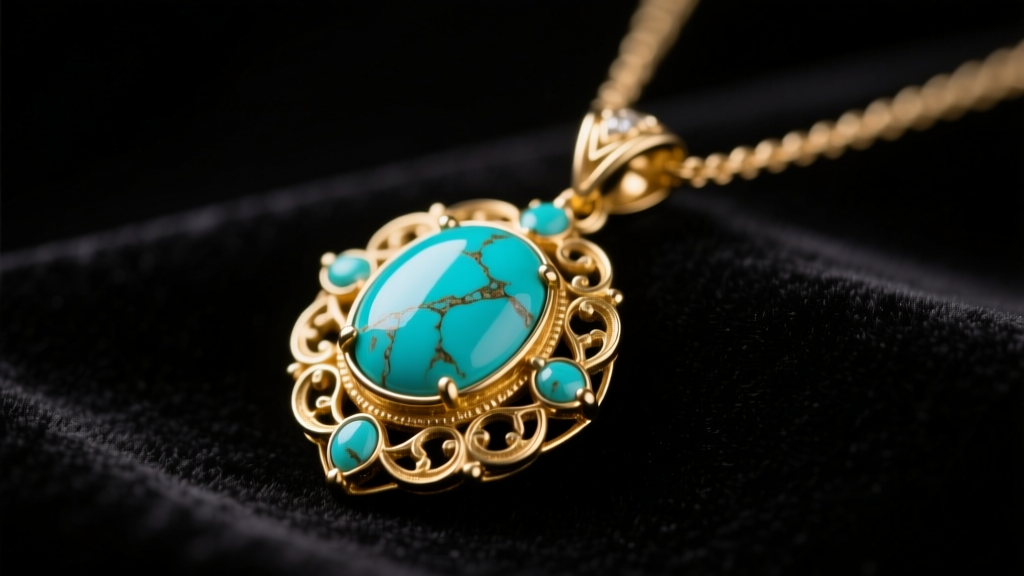
The direct-sales jewelry brand Lia Sophia may have closed its doors in 2014, but its expansive catalog of statement pieces remains highly sought after on the vintage and second-hand markets in 2026. Among their most iconic designs are the vibrant, Southwestern-inspired turquoise pieces. However, caring for a vintage Lia Sophia turquoise necklace requires a highly specific approach that bridges the gap between porous gemstone care and delicate base-metal preservation. Because these pieces are now over a decade old, the original factory finishes, adhesives, and metal platings are particularly vulnerable to improper cleaning methods.
Understanding the Material Composition
Before applying any cleaning solution, it is critical to understand the anatomy of your necklace. Lia Sophia jewelry typically features a base metal (often pewter or brass) that has been electroplated with a gold-tone or silver-tone finish. This plating is usually a "flash" layer, measuring less than 0.5 microns thick, making it highly susceptible to friction and chemical stripping.
The "turquoise" stones used in these collections are generally stabilized natural turquoise or high-quality dyed howlite. Stabilization involves injecting the porous stone with a clear epoxy resin to enhance its color and durability. According to the Gemological Institute of America (GIA), turquoise sits at a 5 to 6 on the Mohs hardness scale, meaning it can easily be scratched by harder materials and damaged by harsh chemicals. Furthermore, the stones are typically set using jeweler's epoxy adhesives rather than metal prongs, which means excessive heat or soaking can dissolve the glue and cause the stones to pop out.
The "Never-Do" List for Turquoise and Plated Metals
To preserve the integrity of your necklace, you must avoid the most common jewelry cleaning pitfalls. Ignoring these warnings will result in irreversible damage to both the stone and the metal finish.
- Never use ultrasonic cleaners: The high-frequency cavitation bubbles will shatter the stabilized turquoise and strip the gold-tone plating from the brass base.
- Never use steam cleaners: Heat softens the epoxy adhesive holding the cabochon in place, leading to immediate stone loss.
- Never use chemical silver dips (e.g., Tarn-X): These thiourea-based solutions will instantly dissolve the gold-tone or silver-tone flash plating, leaving you with a dull, gray base metal.
- Never use toothpaste or baking soda: These are abrasive compounds. Baking soda has a Mohs hardness of 2.5, which seems soft, but when scrubbed, it will leave a network of micro-scratches across the polished surface of the turquoise cabochon.
Step-by-Step Wet Cleaning Protocol
When your necklace accumulates skin oils, lotion residue, or environmental dust, a gentle wet cleaning is required. Follow this precise protocol to lift grime without compromising the materials.
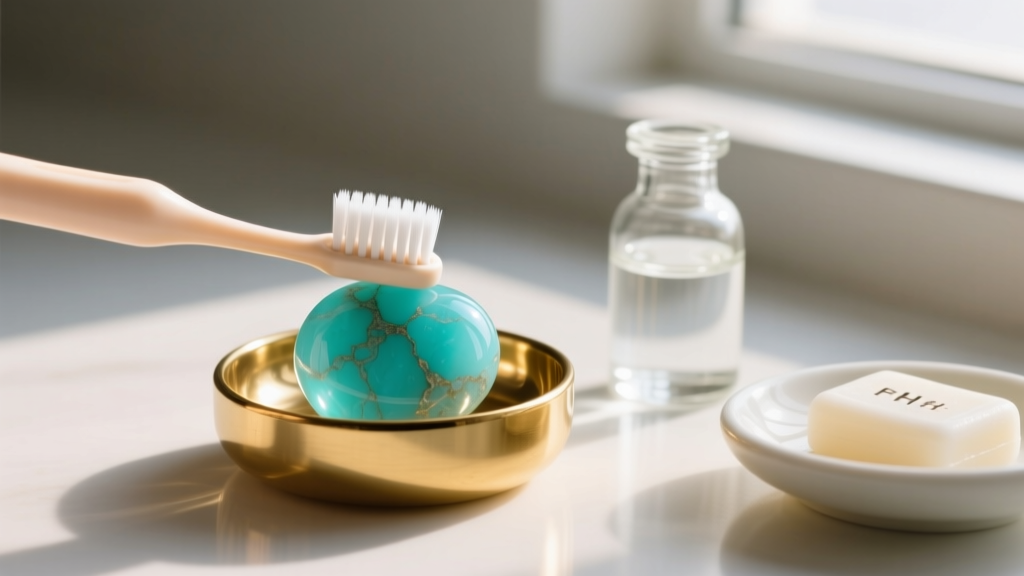
Step 1: Dry Dusting
Before introducing moisture, use a clean, soft-bristled makeup brush to gently sweep away loose dust and grit from the crevices around the stone setting. This prevents scratching the stone when you begin wet cleaning.
Step 2: The Distilled Water Bath
Do not use tap water. Tap water contains chlorine and dissolved minerals that can leave hard water spots on the porous turquoise. Instead, mix one cup of distilled water with a single drop of pH-neutral dish soap (such as original blue Dawn). Dip a soft microfiber cloth into the solution and wring it out until it is only slightly damp.
Step 3: Targeted Agitation
For stubborn lotion buildup around the bezel, use an extra-soft baby toothbrush. Dip the bristles into your soapy distilled water, tap off the excess, and gently brush the metal borders. Avoid scrubbing the turquoise stone directly with the brush to prevent micro-scratches.
Step 4: Rinsing and Drying
Dampen a fresh cloth with plain distilled water and wipe the necklace to remove any soap residue. Immediately dry the piece thoroughly with a lint-free microfiber towel. Allow it to air dry flat on a paper towel for 15 minutes to ensure no moisture is trapped beneath the stone setting, which could cause the base metal to oxidize.
Addressing Tarnish on Gold-Tone and Silver-Tone Plating
If the metal components have tarnished or lost their luster, liquid polishes are too aggressive. Instead, use a treated polishing cloth, such as a Sunshine Polishing Cloth. These cloths contain micro-abrasives and anti-tarnish agents embedded in the fabric. Gently rub the metal links and bezels, being meticulously careful not to let the cloth touch the turquoise stone, as the polishing agents will dull the stone's finish.
Troubleshooting Common Vintage Issues
Vintage Lia Sophia pieces often present specific wear-and-tear issues after years of use. Use the diagnostic table below to address common problems safely.
| Issue | Root Cause | Expert Solution |
|---|---|---|
| Cloudy or Chalky Stone | Absorption of skin oils, lotions, or hard water minerals over time. | Wipe with a damp microfiber cloth. If the stone remains dull, apply a microscopic drop of mineral oil on a cotton swab to temporarily restore luster, then buff completely dry. |
| Green Skin Discoloration | The thin gold/silver plating has worn away, exposing the copper-rich brass or pewter base to skin acids. | Apply a thin coat of clear nail polish or a specialized jewelry barrier coating (like Jeweler's Skin Guard) to the back of the pendant and the inside of the chain links. |
| Loose or Rattling Stone | Degradation of the original factory epoxy adhesive due to age and temperature fluctuations. | Carefully lift the stone and apply a minimal amount of two-part clear jeweler's epoxy (e.g., E6000). Never use Super Glue (cyanoacrylate), as it "blooms" and leaves a permanent white, chalky residue on porous turquoise. |
| Dark Crevice Grime | Oxidized metal polish residue or environmental dirt trapped in cast-metal textures. | Use a wooden toothpick (never metal) to gently scrape out the hardened grime from the textured metal grooves without scratching the plating. |
Long-Term Storage and Preservation Strategies
How you store your Lia Sophia turquoise necklace when it is not being worn is just as important as how you clean it. The American Gem Society (AGS) emphasizes that porous gemstones and plated metals require specific environmental controls to prevent degradation.
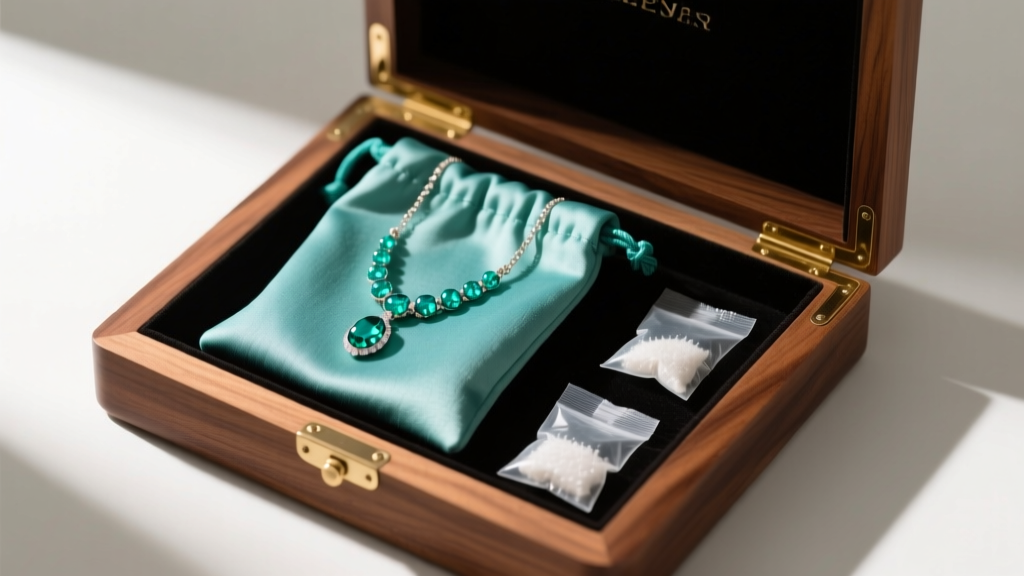
- Control the Humidity: Store your necklace in an environment with a relative humidity (RH) between 40% and 50%. Excessive moisture accelerates base-metal oxidation, while extreme dryness can cause stabilized stones to become brittle over decades.
- Use Anti-Tarnish Strips: Place 3M anti-tarnish strips or Pacific Silvercloth tabs inside your jewelry box. These absorb airborne sulfur compounds that cause silver-tone and gold-tone platings to darken.
- Avoid UV Exposure: If your necklace features dyed howlite masquerading as turquoise, prolonged exposure to direct sunlight will cause the dye to fade, turning the vibrant blue into a washed-out gray. Always store the piece in a dark drawer or opaque pouch.
- Isolate from Harder Gems: Never toss your turquoise necklace into a communal jewelry box with diamonds, sapphires, or quartz. At a Mohs hardness of 7+, these stones will easily scratch the surface of your turquoise cabochon.
Expert Insight: "The longevity of vintage costume jewelry relies entirely on preventative care. Once the flash plating on a 2010s-era base metal piece is gone, re-plating is often cost-prohibitive and chemically complex due to the lead-free pewter alloys used during that manufacturing era. Treat the original finish as a non-renewable resource."
Conclusion
Maintaining a vintage Lia Sophia turquoise necklace is an exercise in gentle preservation. By abandoning harsh commercial cleaners in favor of distilled water, pH-neutral soaps, and specialized microfiber tools, you can safely lift years of wear without compromising the delicate gold-tone plating or the porous turquoise cabochon. With proper storage and mindful handling, these iconic statement pieces will continue to retain their vintage charm and structural integrity for decades to come. For more comprehensive guidelines on handling delicate gemstones, refer to the Federal Trade Commission's jewelry care resources to ensure your maintenance routines align with industry best practices.


