Nazar Evil Eye Necklace Gift Guide: Styles & Meanings
Discover the perfect nazar evil eye necklace for every occasion. Explore material grades, chain lengths, and cultural meanings in our expert gift guide.

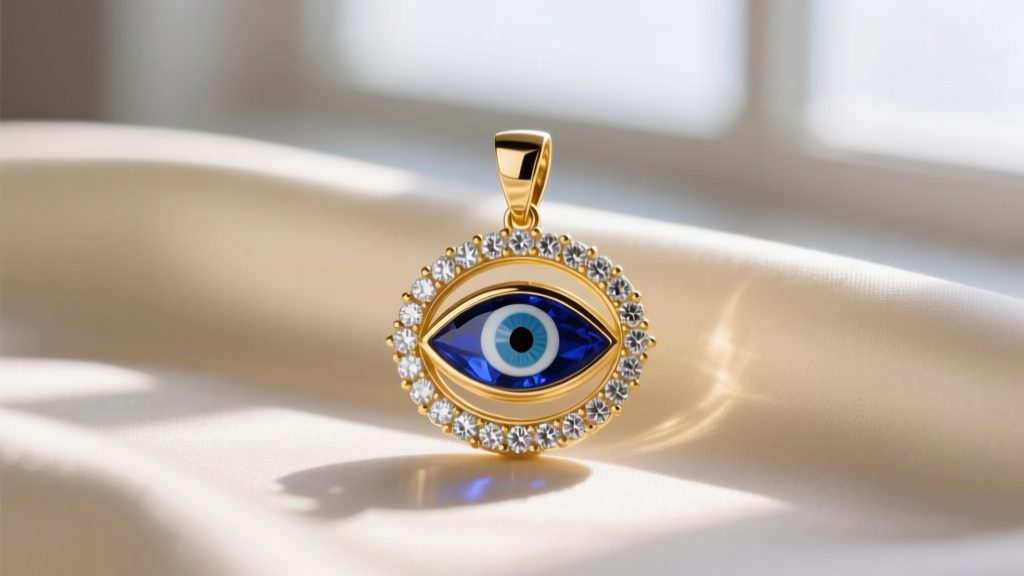
Gifting jewelry is an inherently personal act, but gifting a talisman carries a profound cultural and emotional weight. The nazar evil eye necklace has transcended its ancient Mediterranean and Middle Eastern roots to become a global symbol of protection, good fortune, and warding off malicious envy. However, as the motif has surged in popularity, the market has become saturated with everything from mass-produced costume jewelry to exquisite high-carat fine jewelry. For the discerning gift-giver in 2026, selecting the right nazar pendant requires an understanding of historical authenticity, metallurgical quality, and the specific superstitions tied to the amulet.
This comprehensive guide will help you navigate the nuances of gifting a nazar evil eye necklace, breaking down material grades, chain mechanics, and occasion-matching strategies to ensure your gift is both aesthetically stunning and culturally respectful.
The Anatomy and Cultural Lineage of the Nazar
Before selecting a piece, it is crucial to understand what you are gifting. The traditional Turkish Nazar Boncuğu is not merely a blue eye; it is a highly specific, four-layered concentric glass bead. The outermost ring is deep cobalt blue (historically colored with copper oxide and cobalt), followed by a white ring, a light blue ring, and a black pupil. According to ancient folklore, the cobalt blue was specifically chosen because blue was historically a rare pigment, and the color itself was believed to reflect negative energy back to the sender.
When gifting a nazar necklace, you are essentially providing a spiritual shield. This makes it an incredibly thoughtful gift for individuals embarking on new, vulnerable life chapters where they might attract envy or face the unknown.
Occasion-Matching Matrix: Which Nazar Suits the Milestone?
Different life events call for varying levels of permanence, material durability, and budget. Use the matrix below to match the occasion with the appropriate nazar necklace specifications.
| Occasion | Recommended Material | Chain Style & Length | Estimated Price Range |
|---|---|---|---|
| New Baby / Christening | 14k Solid Gold (No glass/enamel) | 14" Cable Chain, 0.8mm gauge | $350 - $700 |
| Graduation / First Job | Blue Sapphire & Diamond Pavé | 18" Box Chain, 1.2mm gauge | $900 - $2,800 |
| Study Abroad / Travel | Authentic Cobalt Glass or Enamel | 20" Rope Chain, 1.5mm gauge | $45 - $180 |
| Wedding / Bridal Party | 18k Gold with Turquoise Inlay | 16" Paperclip Chain, 2.0mm | $600 - $1,500 |
| Everyday Self-Care / Milestone | Gold Vermeil with Champlevé Enamel | 18" Rolo Chain, 1.8mm gauge | $80 - $220 |
Metallurgy and Gemology: Beyond the Glass Bead
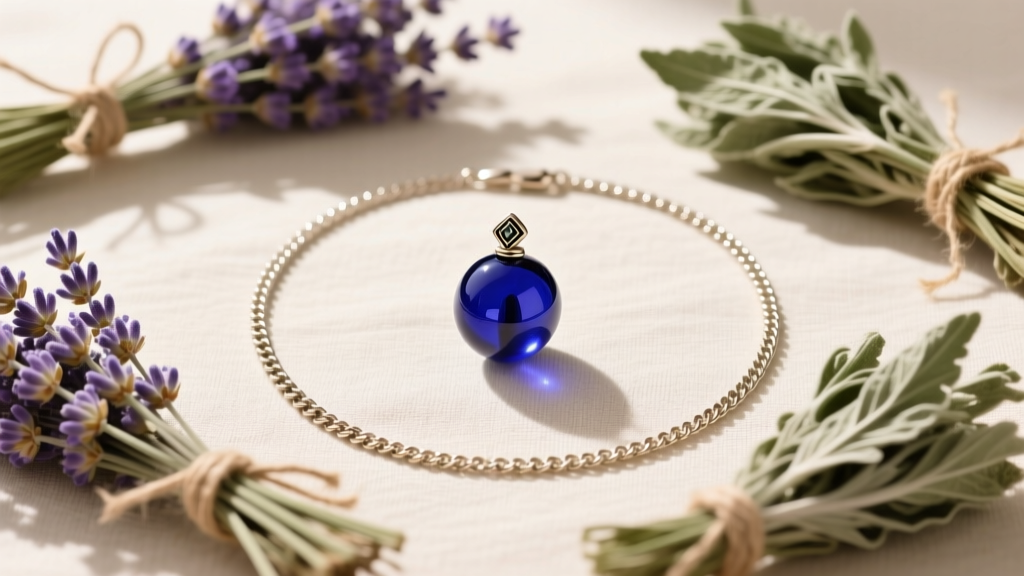
While the traditional glass bead remains culturally significant, modern fine jewelry has adapted the nazar motif using high-end gemstones and advanced enameling techniques. Understanding these materials is vital for assessing longevity and value.
Traditional Cobalt Glass vs. Modern Enamel
Authentic nazar beads are still hand-blown in the Izmir province of Turkey using centuries-old techniques. However, glass is inherently fragile (rating around 5.5 on the Mohs hardness scale) and can shatter upon impact. For a more durable, everyday alternative, luxury demi-fine brands utilize champlevé enamel. In this process, channels are carved into sterling silver or gold vermeil bases and filled with vitreous enamel powder, then fired at over 1,400°F. This creates a glass-like, scratch-resistant surface that mimics the traditional nazar colors but is bonded securely to a metal matrix, preventing shattering.
Gemstone Substitutes: Sapphire and Turquoise
In high jewelry, the dark blue outer ring and the pupil are often replaced with precious gemstones. Blue Sapphire (a variety of corundum) is the premier choice for the nazar's blue elements. Rating a 9 on the Mohs scale, sapphire is exceptionally durable for daily wear. According to the Gemological Institute of America (GIA), the most prized sapphires exhibit a velvety, medium-to-medium-dark blue hue, which perfectly replicates the traditional cobalt glass.
Alternatively, Turquoise is frequently used to honor the amulet's Middle Eastern heritage. However, turquoise is a porous copper aluminum phosphate mineral with a Mohs hardness of only 5 to 6. As noted in the GIA's turquoise care guidelines, turquoise is highly susceptible to damage from cosmetics, perfumes, and even natural skin oils. If gifting a turquoise nazar necklace, advise the recipient to put it on only after applying makeup and lotions, and to store it in a soft pouch away from harder gemstones.
Chain Mechanics: Gauge, Clasp, and Drape
The pendant is only half the equation; the chain dictates the necklace's drape, security, and layering potential. When investing in a fine jewelry nazar, pay strict attention to the chain's gauge (thickness) and clasp mechanism.
- Cable Chains (0.8mm - 1.2mm): The classic choice. A 1.0mm 14k solid gold cable chain offers the perfect balance of delicate aesthetics and tensile strength, capable of supporting pendants weighing up to 5 grams without stretching.
- Box Chains (1.2mm - 1.5mm): Composed of square links, box chains reflect light beautifully and are highly resistant to kinking. They are ideal for heavier sapphire and diamond nazar pendants.
- Paperclip Chains (2.0mm+): A modern, elongated link style that provides an edgy, contemporary contrast to the ancient nazar motif. Excellent for layering over knitwear or t-shirts.
Pro-Tip on Clasps: Always opt for a lobster clasp over a spring-ring clasp for pendants. Spring rings are notorious for failing when the internal tension spring degrades, whereas lobster clasps feature a solid cast lever mechanism that provides vastly superior security for valuable gold and gemstone amulets.

Gifting Superstitions and Maintenance Rituals
Gifting a nazar necklace comes with specific cultural etiquette that adds depth to your present. Sharing these traditions with your recipient elevates the gift from a simple accessory to a meaningful experience.
The Golden Rule of the Nazar: Traditionally, you should never buy an evil eye amulet for yourself. Its protective powers are believed to be activated only when it is received as a gift from someone with pure intentions. Therefore, it is the ultimate gift for a loved one.
What to Do When the Nazar Breaks
One of the most common questions recipients ask is what happens if the glass cracks, the enamel chips, or the chain snaps. In Mediterranean and Levantine folklore, a broken nazar is not a sign of bad luck; rather, it is proof that the amulet has done its job. It has absorbed a concentrated burst of negative energy or a "malicious glare" directed at the wearer, and it shattered to protect them.
When this happens, the broken pieces should not be kept in the home. The proper disposal ritual involves thanking the amulet for its protection and discarding the pieces in running water (such as a river, stream, or even under a running faucet) to wash away the accumulated negative energy. If you are gifting a fragile glass nazar, consider including a beautifully written card explaining this ritual, so the recipient doesn't feel distressed if the bead eventually breaks.
Final Verdict: Choosing the Right Talisman
The nazar evil eye necklace remains one of the most versatile and culturally rich gifts in the jewelry world. For a newborn or a high-stakes professional milestone, invest in 14k or 18k solid gold paired with a natural blue sapphire to ensure heirloom longevity. For a friend traveling the globe or starting a new creative venture, a high-quality gold vermeil piece with fired champlevé enamel offers the perfect blend of spiritual tradition and modern durability. By understanding the materials, the mechanics of the chain, and the profound folklore behind the bead, you can gift a talisman that offers both timeless style and enduring protection.
For further reading on gemstone durability and care, consult the GIA's comprehensive gem care guidelines to ensure your gifted piece remains pristine for generations.


