Neck Choker Necklace Materials: A Complete Comparison
Discover the best materials for your neck choker necklace. We compare titanium, gold, silver, and vegan leather for durability, allergies, and style.

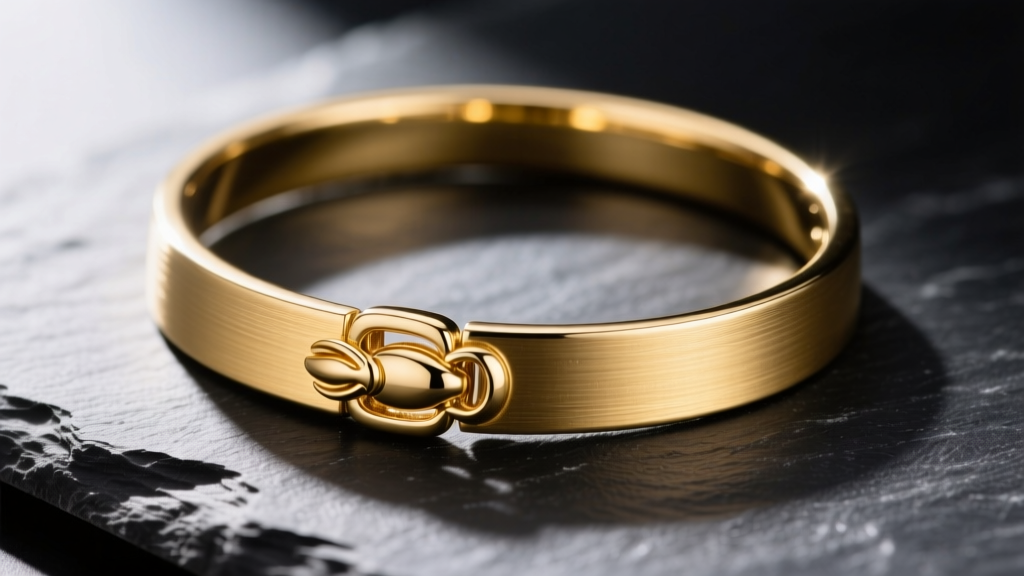
The modern neck choker necklace is far more than a fleeting fashion trend; it is a staple of contemporary jewelry design that demands rigorous material engineering. Unlike a standard 24-inch opera chain that rests quietly against the sternum, a choker sits precisely at the base of the throat. This high-mobility zone is subjected to constant biomechanical stress, fluctuating body temperatures, and continuous exposure to sebum and perspiration. Choosing the right material is not merely an aesthetic decision—it is a matter of structural integrity and dermatological safety.
In this comprehensive guide, we break down the metallurgical and organic properties of the most popular choker materials, providing you with the exact specifications needed to make an informed purchase in 2026 and beyond.
The Biomechanics of Choker Jewelry
To understand material requirements, we must first examine the physical environment of the neck. The cervical spine allows for a vast range of motion, engaging the sternocleidomastoid and trapezius muscles. When you turn your head or look downward, the circumference of your lower neck can expand by up to 1.5 centimeters.
A rigid or semi-rigid neck choker necklace must either possess enough tensile flexibility to accommodate this expansion without warping, or feature engineered hinges. Furthermore, the jewelry rests directly over the jugular vein and thyroid cartilage, meaning that heavy, poorly balanced alloys or rough clasp mechanisms can cause physical discomfort or contact dermatitis over prolonged wear.
Precious Metals: Gold and Silver Alloys
Precious metals remain the gold standard for fine jewelry, but their pure forms are entirely unsuited for the mechanical demands of a choker. Alloying is essential.
14K vs. 18K Gold: Tensile Strength and Hardness
According to the Gemological Institute of America (GIA), pure 24K gold is far too malleable for structural jewelry. Therefore, gold is alloyed with metals like copper, silver, and zinc. When selecting a gold neck choker necklace, the karatage directly impacts the Vickers Hardness (HV) of the piece:
- 18K Gold (75% Pure): With a Vickers Hardness of approximately 125 HV, 18K gold offers a rich, saturated color but is relatively soft. It is best suited for delicate, chain-link chokers rather than rigid, solid-band designs.
- 14K Gold (58.3% Pure): Boasting a Vickers Hardness between 140 and 160 HV, 14K gold provides superior resistance to bending and denting. For a rigid, collar-style choker, 14K is the metallurgical sweet spot, ensuring the piece retains its circular geometry even if subjected to accidental pressure.
Sterling Silver (925) and the Tarnish Factor
Sterling silver consists of 92.5% pure silver and 7.5% copper. While highly affordable and visually striking, the copper content makes it highly susceptible to sulfide tarnish, especially when exposed to the sulfur compounds naturally present in human sweat. If you opt for a sterling silver neck choker necklace, ensure it features a rhodium flash plating. A high-quality rhodium layer (typically 0.1 to 0.5 microns thick) acts as an inert barrier, preventing oxidation and keeping the silver bright against the skin.
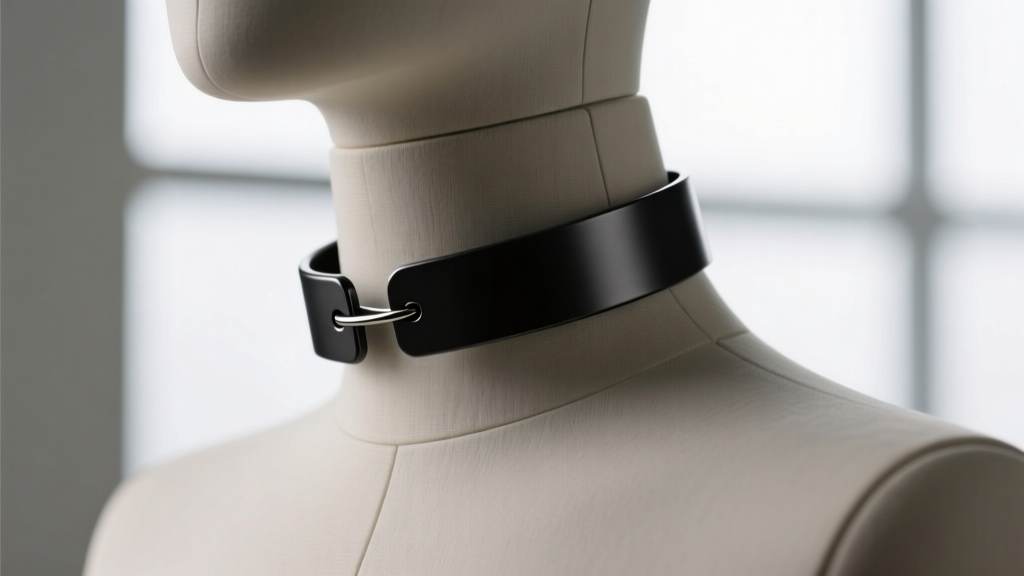
The Hypoallergenic Standard: Titanium and Niobium
For individuals with sensitive skin or known metal allergies, base metals and even certain gold alloys can trigger allergic contact dermatitis. The American Contact Dermatitis Society frequently identifies nickel as the primary culprit in jewelry-related skin reactions. This is where aerospace-grade materials enter the jewelry market.
ASTM F136 Implant-Grade Titanium
When shopping for a hypoallergenic neck choker necklace, look specifically for ASTM F136 certification. This standard, outlined by ASTM International, designates Ti-6Al-4V ELI (Extra Low Interstitial) titanium. This specific alloy contains absolutely zero nickel and is the exact same material used in surgical implants. It is incredibly lightweight—nearly 45% lighter than steel—making it ideal for thick, bold choker designs that won't fatigue the wearer's neck muscles.
Niobium: The Anodizing Advantage
Niobium is another highly biocompatible, nickel-free elemental metal. While slightly heavier than titanium, its unique property is its ability to be anodized. By running an electrical current through the metal in an electrolyte bath, jewelers can alter the surface oxide layer to reflect specific wavelengths of light, producing vibrant hues of blue, purple, and gold without using any external paints or toxic dyes.
Material Comparison Matrix
Use the table below to compare the physical properties and pricing of standard choker materials. Pricing reflects average market rates for a standard 15-inch, 3mm width band in 2026.
| Material | Alloy Composition | Vickers Hardness (HV) | Nickel Content | Avg. Price Range (USD) |
|---|---|---|---|---|
| 14K Yellow Gold | 58.3% Gold, Copper, Silver | 140 - 160 | Trace / None | $800 - $1,500 |
| 925 Sterling Silver | 92.5% Silver, 7.5% Copper | 60 - 70 | None | $150 - $350 |
| ASTM F136 Titanium | Ti-6Al-4V ELI | 310 - 350 | 0% | $250 - $600 |
| Niobium | 99.9% Pure Niobium | 60 - 90 | 0% | $180 - $400 |
| 316L Surgical Steel | Iron, Chromium, Nickel, Moly | 150 - 190 | 8% - 12% | $50 - $150 |
Expert Warning: Avoid 316L stainless steel for a tight-fitting neck choker necklace if you have a known nickel sensitivity. While the chromium oxide layer traps nickel in dry conditions, the constant moisture and friction at the neckline can cause microscopic breakdown, leading to nickel leaching and subsequent dermatitis.
Non-Metallic Options: Leather, Velvet, and Silicone
Not every neck choker necklace relies on metallurgy. Organic and synthetic textiles offer distinct aesthetic profiles, though they come with their own degradation timelines.
Genuine vs. Vegan Leather
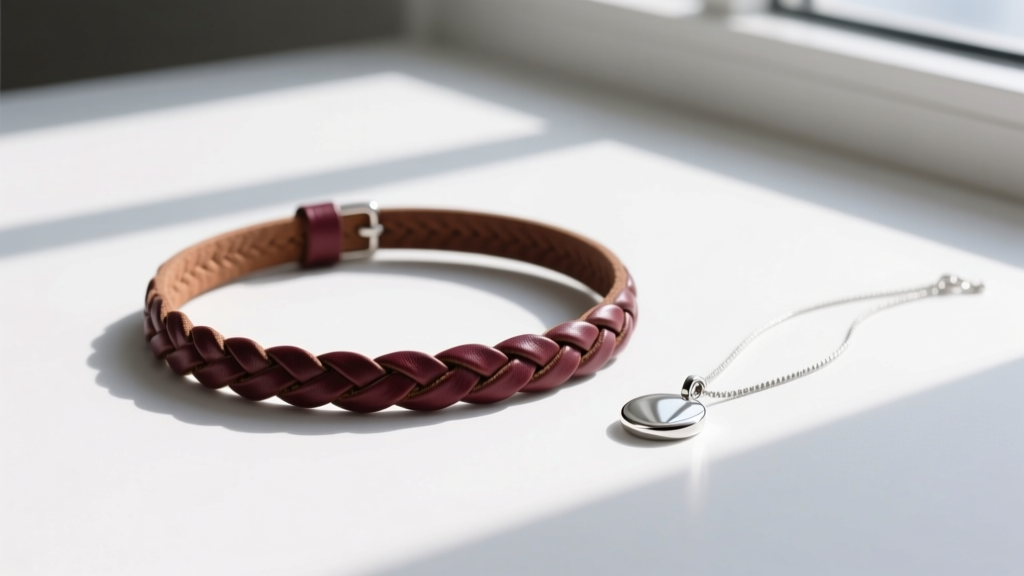
Genuine leather is durable and molds to the wearer's neck over time, but it is highly porous. It absorbs sweat, perfumes, and lotions, which can lead to odor retention and eventual dry rot if not conditioned regularly with specialized leather balms. High-grade vegan leathers (like polyurethane-based alternatives or newer mycelium-based bio-leathers) offer a water-resistant surface that can be wiped clean with a damp cloth, making them vastly superior for daily wear in humid climates.
Medical-Grade Silicone
For active individuals, a platinum-cured silicone choker is virtually indestructible. It is impervious to saltwater, chlorine, and UV radiation. Unlike cheap rubber alternatives that become brittle and snap after a year of sun exposure, medical-grade silicone retains its elasticity and tensile strength for decades.
Hardware, Wire Gauges, and Clasp Mechanics
The material of the band is only half the equation; the hardware dictates the choker's lifespan.
Understanding Wire Gauges
In jewelry, the lower the gauge number, the thicker the metal. A standard pendant chain is usually 18-gauge (1.0mm) or 20-gauge (0.8mm). However, a rigid or semi-rigid neck choker necklace requires substantial mass to prevent permanent warping. You should look for chokers crafted from 14-gauge (1.6mm) to 12-gauge (2.0mm) wire or sheet metal. Anything thinner than 16-gauge (1.2mm) in a solid band design will easily bend out of shape when pulled over the head.
Clasp Engineering
The traditional lobster clasp, while secure, creates a bulky protrusion that can snag on high-collared shirts or hair. For a seamless look and enhanced comfort, premium chokers utilize barrel clasps or flush magnetic neodymium clasps. If opting for a magnetic clasp, ensure it features a secondary mechanical safety catch or a silicone locking sleeve to prevent accidental unfastening during vigorous movement.
Final Verdict: Matching Material to Lifestyle
Selecting the ideal neck choker necklace requires aligning material properties with your daily environment. If you seek a lifelong heirloom piece with high structural rigidity, 14K gold in a 14-gauge thickness is unmatched. For those with severe metal allergies or an active lifestyle, ASTM F136 titanium provides a featherlight, indestructible, and completely biocompatible solution. Finally, if you prioritize sustainable, low-maintenance streetwear aesthetics, a mycelium-based vegan leather band paired with a surgical steel pendant offers the perfect intersection of modern eco-innovation and enduring style.


