Peridot Bead Necklace Value Guide 2026: Price & Quality
Evaluate peridot bead necklace prices in 2026. Learn how color, clarity, bead sizing, and stringing materials impact true market value and avoid overpaying.

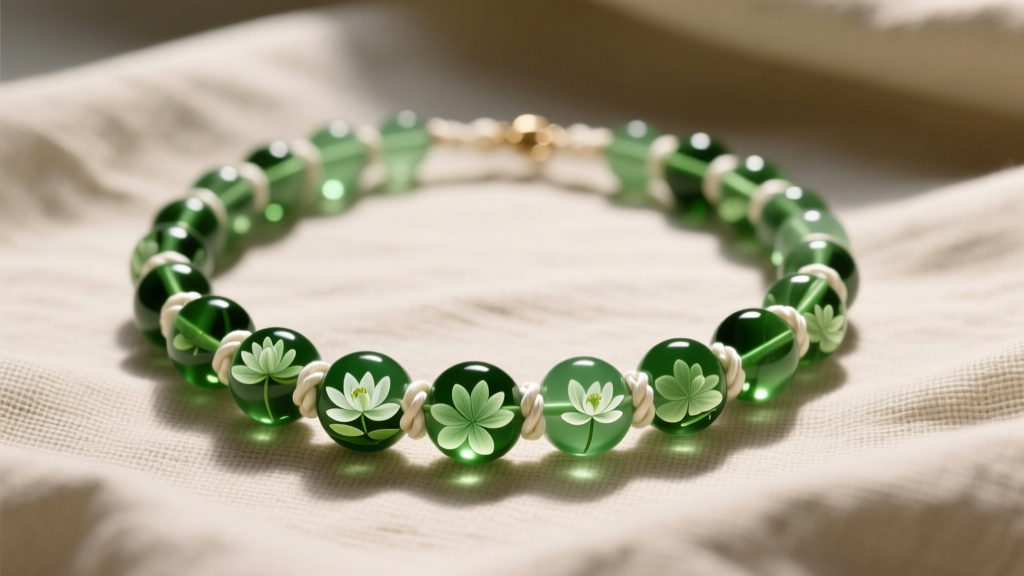
The 2026 Market for Peridot Bead Necklaces
As we navigate the gemstone market in 2026, the peridot bead necklace has transitioned from a purely commercial staple to a highly sought-after piece for both everyday layering and high-end summer collections. Peridot, the gem-quality variety of the mineral olivine, is abundant in the earth's mantle, but finding beads with the rich, saturated color and structural integrity required for fine jewelry is increasingly challenging. Mining shifts in key regions like the Sapat Gali area of Pakistan and the Mogok region of Myanmar have tightened the supply of top-tier rough material.
For buyers and collectors, understanding the true value of a peridot bead necklace requires looking far beyond the carat weight. This comprehensive budget and value assessment breaks down the exact metrics that dictate pricing, helping you distinguish between overpriced commercial strands and genuine gemological investments.
Decoding Peridot Quality: What You Are Actually Paying For
The value of any peridot strand is anchored in its unique chemical composition and geological formation. According to the Gemological Institute of America (GIA), peridot is an iron-rich magnesium silicate. It is one of the few gemstones that occurs in only one color: green. However, the exact hue, tone, and saturation dictate its market tier.
Color Saturation and the Iron Factor
The green color of peridot is idiochromatic, meaning it is caused by the iron in its chemical structure, rather than trace impurities. In the 2026 market, the most valuable beads exhibit a vibrant, medium-toned 'grass green' or deep 'olive green' without any brown or yellow modifiers. Beads that lean heavily into yellowish-green (often seen in commercial-grade strands from Chinese or Vietnamese sources) are valued at a steep discount, often 60% to 80% less than their richly saturated counterparts.
Clarity and the 'Lily Pad' Phenomenon
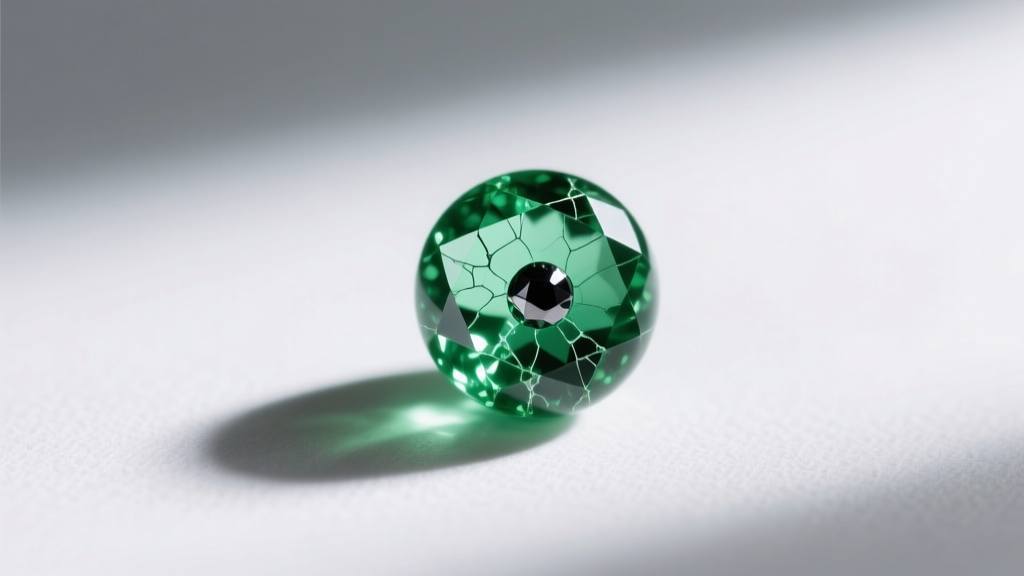
Unlike faceted stones where clarity is judged under 10x magnification, bead clarity is assessed with the naked eye. Peridot frequently contains distinctive inclusions known as 'lily pads'—circular stress fractures that form around tiny black chrome diopside crystals. While these inclusions confirm the stone's natural origin, heavily included beads that appear cloudy or fractured command significantly lower prices. Eye-clean beads with high translucency are rare in larger sizes and demand a premium.
Evaluating Drill Holes and Bead Symmetry
A hidden value driver in bead necklaces is the quality of the lapidary work. Precision-drilled beads with perfectly centered holes and smooth, polished surfaces indicate high-end manufacturing. Commercial strands often feature off-center drilling, uneven bead sizing (e.g., a strand labeled '8mm' that varies between 7.2mm and 8.8mm), and rough, unpolished surfaces near the drill holes that can fray stringing materials over time.
Budget Breakdown: Pricing Tiers for Peridot Strands
To accurately assess a budget, it is essential to understand the current wholesale and retail pricing structures. The table below outlines the expected retail price ranges for a standard 18-inch princess-length peridot bead necklace in 2026, categorized by quality tier.
| Quality Tier | Bead Diameter | Color & Clarity Profile | Estimated Retail Price (18-inch) |
|---|---|---|---|
| Commercial Grade | 4mm - 6mm | Pale yellowish-green; heavily included; opaque areas; uneven drilling. | $45 - $95 |
| Mid-Grade | 6mm - 8mm | Medium green; slight yellow modifier; eye-clean to moderately included; decent symmetry. | $150 - $320 |
| Fine Gem Quality | 8mm - 12mm | Rich, saturated olive/grass green; eye-clean; high translucency; precision drilled. | $450 - $1,200+ |
| Collector / Museum | 12mm - 18mm+ | Exceptional vivid green; flawless to the naked eye; perfectly matched; extremely rare. | $2,500 - $8,000+ |
Pro Tip: When evaluating a mid-grade or fine-grade necklace, always ask for the strand weight in grams or carats. Unscrupulous sellers may mix smaller beads (e.g., 6mm) into the center of an 8mm strand to reduce material costs while maintaining the visual appearance of a larger necklace.
Stringing and Hardware: Hidden Value Drivers
The gemstones are only half the equation. The structural integrity and hardware of a peridot bead necklace significantly impact its overall value, longevity, and replacement cost.
The Necessity of Hand-Knotting
Peridot ranks at 6.5 to 7 on the Mohs hardness scale, as noted by mineralogical databases like Mindat. While reasonably durable, it is susceptible to scratching and chipping if beads constantly grind against one another. A high-value necklace will be hand-knotted on premium silk or high-tech synthetic threads (like Serafil). Hand-knotting prevents bead-on-bead abrasion and ensures that if the strand breaks, you lose only one bead rather than the entire necklace. Expect to pay a $75 to $150 labor premium for professional hand-knotting on a fine strand.
Clasp Metallurgy and Security
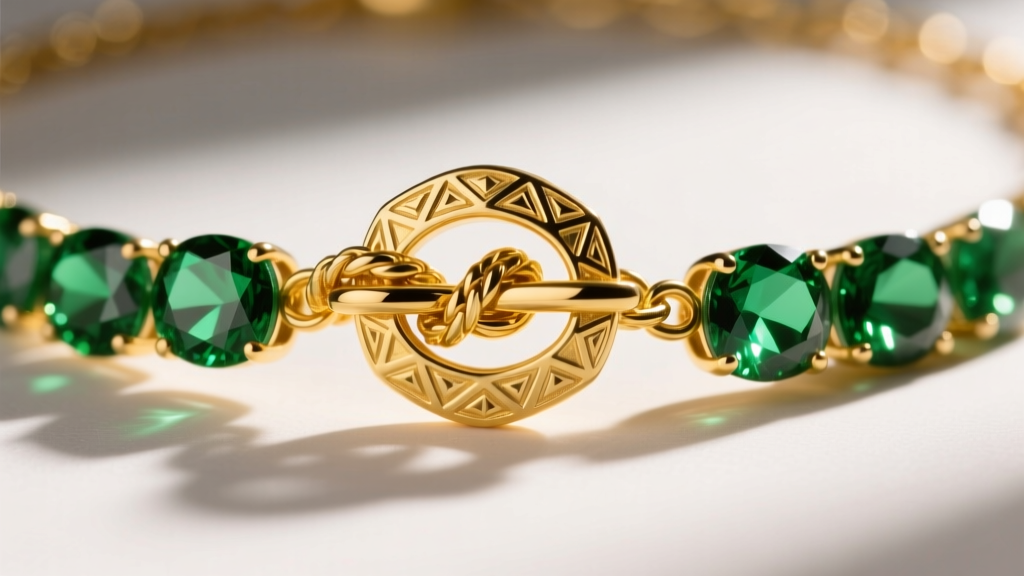
The clasp is a critical point of failure and a major indicator of the necklace's intended market tier. Commercial strands typically feature base-metal or silver-plated lobster claws that tarnish quickly and add negligible intrinsic value. Fine peridot bead necklaces should be finished with solid 14k or 18k gold hardware. A solid 14k gold toggle or magnetic clasp adds $100 to $250 to the intrinsic scrap and replacement value of the piece, while also providing superior security for heavy, large-diameter beads.
Red Flags: Avoiding Overpriced and Treated Stones
As the demand for vibrant green jewelry rises, so does the prevalence of imitations and undisclosed treatments. Protect your budget by watching for these common market pitfalls:
- Molded Glass Imitations: Glass beads can be dyed to perfectly mimic the color of fine peridot. However, glass is singly refractive and often contains tiny, spherical air bubbles visible under a loupe. Peridot is strongly doubly refractive, giving it a distinctive 'sleepy' or velvety internal glow that glass cannot replicate.
- Synthetic Forsterite: Created via the Czochralski process, synthetic forsterite is chemically similar to peridot but lacks natural inclusions. If an 18-inch strand of 10mm beads is completely flawless and priced under $200, it is almost certainly synthetic or glass.
- Fracture Filling and Oiling: While peridot is traditionally an untreated gemstone, heavily fractured commercial beads are sometimes soaked in colorless oils or resins to hide surface-reaching cracks and improve apparent clarity. Over time, these fillers can dry out, turn yellow, or leak, leaving the beads looking dull and heavily fractured. Always buy from vendors who guarantee untreated stones.
Final Verdict: Maximizing Your Investment
Purchasing a peridot bead necklace in 2026 is an exercise in balancing visual impact with structural longevity. For everyday wear and casual layering, a mid-grade 6mm to 8mm hand-knotted strand offers the best intersection of durability, vibrant color, and budget-friendly pricing, typically hovering around the $250 mark. However, for those seeking a statement piece or a long-term heirloom, investing in a fine gem-quality strand with rich olive saturation, precision drilling, and solid gold hardware is essential. By scrutinizing the color modifiers, demanding eye-clean clarity, and verifying the quality of the stringing and clasps, you can confidently navigate the market and secure a piece that holds both aesthetic and intrinsic value for decades to come.


