PJO Necklace Buying Guide: What to Look For in 2026
Discover our 2026 PJO necklace buying guide. Learn to evaluate Camp Half-Blood bead necklaces, trident pendants, chain gauges, and enamel quality.

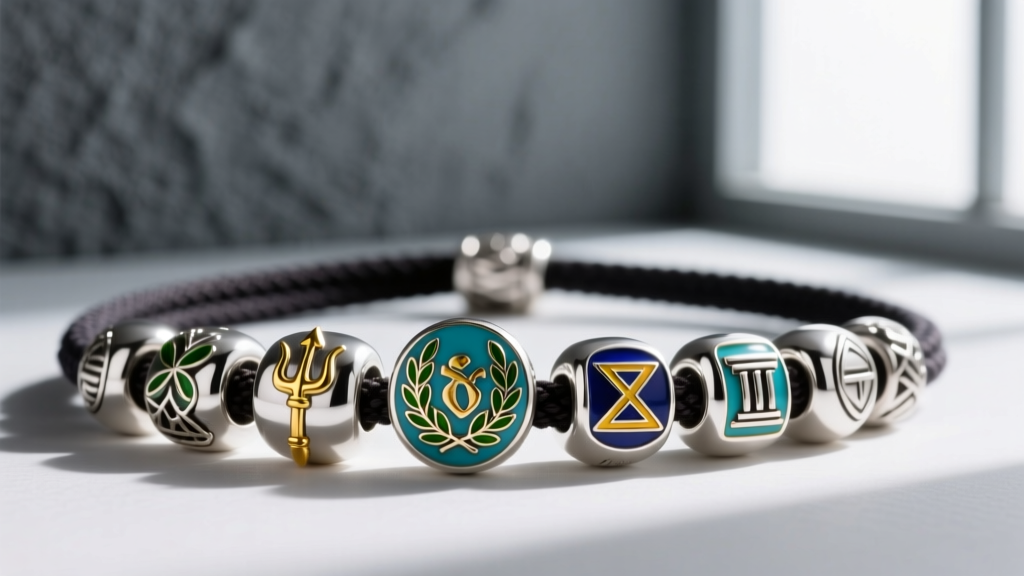
The market for mythological and fandom-inspired jewelry has evolved dramatically. What was once relegated to cheap, mass-produced plastic merchandise has matured into a highly specialized segment of artisan and fine jewelry. When shopping for a PJO necklace—referencing the beloved Percy Jackson and the Olympians universe—buyers in 2026 are presented with a vast array of options ranging from official licensed merchandise to handcrafted indie pieces. Whether you are hunting for the iconic Camp Half-Blood bead necklace, a solid bronze trident pendant, or an Owl of Athena medallion, understanding the metallurgy, cord materials, and chain mechanics is essential to making a purchase that lasts.
The Anatomy of the Camp Half-Blood Bead Necklace
The quintessential PJO necklace is the Camp Half-Blood bead necklace, traditionally featuring a leather cord adorned with hand-painted clay or enamel beads representing years of survival and major quest achievements. However, not all bead necklaces are created equal. When evaluating these pieces, you must scrutinize both the cord and the bead composition.
Cord Materials: Leather vs. Waxed Cotton
While genuine leather is historically accurate to the early book descriptions, it is a poor choice for longevity, especially for fans who want to wear their jewelry in water (a nod to the Poseidon cabin). Leather degrades, stretches, and rots when exposed to moisture and sweat. In 2026, the gold standard for high-end PJO bead necklaces is 1.5mm to 2.0mm waxed cotton cord. Waxed cotton is highly water-resistant, maintains its tensile strength, and mimics the matte, rugged aesthetic of aged leather without the biological degradation. Look for cords finished with a sliding macramé knot or a secure stainless steel barrel clasp, rather than cheap glue-on end caps which inevitably fail.
Bead Composition: Cold Enamel vs. Vitreous Enamel
The painting on the beads is where many mass-produced necklaces fail. Budget options use acrylic paints sealed with a thin layer of clear epoxy resin (often called "cold enamel"). Over time, UV exposure causes this resin to yellow, and the acrylics can chip. Premium artisan jewelers use vitreous enamel—finely ground glass fused to a metal or ceramic bead core at temperatures exceeding 1400°F. Vitreous enamel is impervious to water, will never yellow, and retains a brilliant, glass-like luster indefinitely. If a seller does not specify their enamel process, assume it is cold enamel and price your expectations accordingly.
Evaluating Mythological Pendants: Metals and Patinas
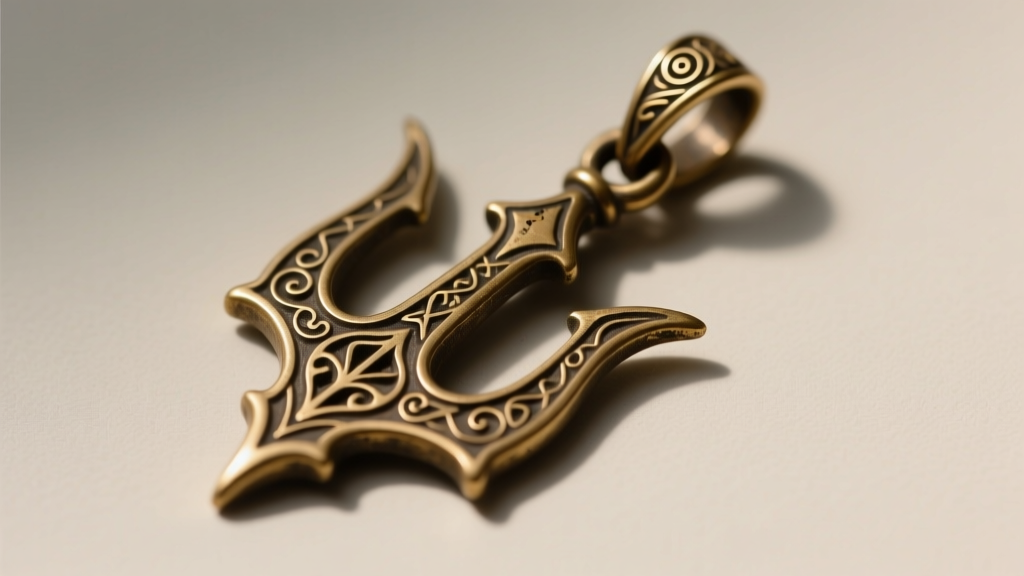
Beyond the bead necklaces, the PJO universe is rich with symbolic pendants: the trident, the Aegis shield, the caduceus, and the lotus flower. The base metal of these pendants dictates their weight, durability, and skin safety. According to Rio Grande's metal properties database, understanding the alloy composition is critical for avoiding allergic reactions and premature breakage.
| Metal Type | Durability & Weight | Tarnish & Patina Rate | Best Application |
|---|---|---|---|
| Zamak (Zinc Alloy) | Low (Brittle, Heavy) | High (Requires plating) | Budget cosplay, temporary wear |
| Solid Bronze / Brass | High (Dense, Heavy) | Medium (Develops natural patina) | Historical accuracy, Greek aesthetic |
| 925 Sterling Silver | Medium-High (Malleable) | Medium (Requires polishing) | Everyday fine jewelry, heirloom pieces |
| 316L Stainless Steel | Very High (Rigid) | None (Highly resistant) | Active lifestyles, water exposure |
For mythological accuracy, solid bronze is the superior choice. Ancient Greek armor and weaponry were primarily bronze, and the metal naturally develops a rich, dark patina over time that gives the pendant an authentic, excavated artifact appearance. However, if you have sensitive skin or a nickel allergy, ensure the bronze is nickel-free or opt for 925 sterling silver. Avoid Zamak (pot metal) at all costs; it is cast cheaply, prone to snapping at the bail (the loop where the chain attaches), and often contains skin-irritating alloys.
Chain Selection: Gauge, Length, and Clasp Mechanics
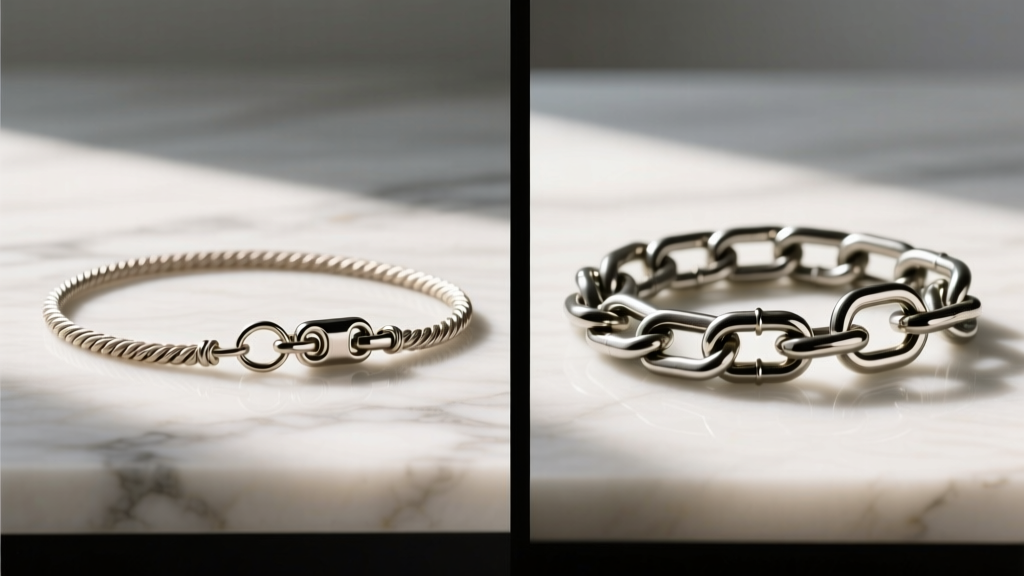
A heavy solid bronze trident pendant will easily snap a delicate chain. Matching the chain gauge to the pendant weight is a common failure point in fandom jewelry. As outlined in Halstead Bead's chain selection guide, the chain must support at least three times the weight of the pendant to ensure long-term security.
- 1.0mm - 1.5mm (Delicate): Suitable only for lightweight, hollow-backed silver pendants or single enamel beads. Use a cable or fine rope chain.
- 2.0mm - 3.0mm (Standard): The ideal range for most solid bronze or silver mythological pendants. Curb, Figaro, or wheat chains in this gauge offer excellent tensile strength and a masculine, rugged drape.
- 4.0mm+ (Heavy): Best for oversized, statement Aegis shields or large lotus pendants. Cuban link chains provide the necessary structural support.
The Importance of the Clasp and Jump Ring
Never trust a heavy PJO pendant to a standard spring-ring clasp; the internal spring mechanism is weak and prone to catching on hair or clothing. Always look for a lobster clasp or a box clasp with a safety figure-8. Furthermore, inspect the jump ring (the small circle connecting the pendant to the chain). If the jump ring is not soldered shut, the pendant will eventually slide through the gap and be lost. High-end artisans will use soldered jump rings or heavy-gauge split rings for secure attachment.
Official Licensing vs. Artisan Fan-Made
The 2026 jewelry market offers two distinct paths for PJO necklace buyers. Officially licensed merchandise (often tied to the Disney+ series or book anniversaries) guarantees design accuracy and supports the original creators. However, licensed merch is frequently manufactured overseas using base metals and cold enamel to keep retail prices accessible (typically $30–$60).
Conversely, the artisan fan-made market (found on platforms like Etsy or dedicated indie jewelry sites) offers superior material quality. Independent metalsmiths often cast pieces in solid silver or bronze, use vitreous enamel, and hand-engrave details that mass-production molds cannot capture. While artisan pieces command a premium ($120–$350+), they are built to be lifelong heirlooms rather than temporary cosplay accessories. When buying artisan, always check for a 925 hallmark on silver pieces and ask the creator directly about their enamel firing process.
Care and Maintenance for Enamel and Bronze
Proper maintenance ensures your PJO necklace survives its own quests. For bronze and brass pendants, embrace the patina, but clean the piece with a soft brass brush and mild soap if dirt accumulates in the engraved crevices. Do not use harsh chemical dips, as they can strip the antiquing that highlights the pendant's details. For vitreous enamel beads, simply wipe them with a microfiber cloth. Never place enamel jewelry in an ultrasonic cleaner; the high-frequency vibrations can cause microscopic fractures in the glass enamel, leading to catastrophic shattering.
Expert Tip: If you wear your Camp Half-Blood necklace in the ocean or a chlorinated pool, rinse the waxed cotton cord and metal hardware with fresh water immediately afterward. Salt and chlorine accelerate the oxidation of bronze and can degrade the wax coating on cotton cords over time.
By prioritizing material integrity over cheap aesthetics, you can secure a PJO necklace that honors the mythology it represents while functioning as a durable, high-quality piece of everyday jewelry.


