Is a Necklace with Key and Heart Worth the Price? Value Guide
Discover if a necklace with key and heart motifs is worth your budget. We break down pricing, metal grades, and long-term value across three tiers.

The Enduring Appeal and 2026 Market Reality
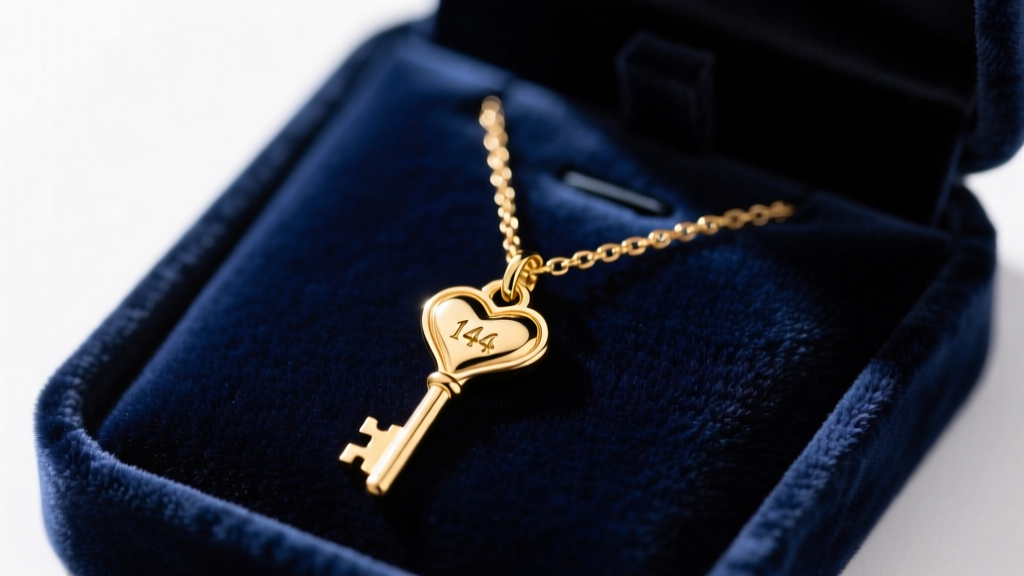
The romantic symbolism of unlocking a heart has made the heart and key pendant a staple in jewelry boxes for decades. Popularized by luxury heritage brands in the early 2000s, the motif represents secrets, romance, and profound connection. However, as we navigate the 2026 jewelry market, the price disparity for this specific design is staggering. You can find a necklace with key and heart detailing for as little as $18 on fast-fashion marketplaces, or upwards of $3,500 at high-end boutiques.
For the savvy consumer, this massive price gap raises a critical question: Are you paying for enduring craftsmanship, or just a recognizable silhouette? To determine the true value of these pieces, we must look past the marketing and examine the metallurgy, manufacturing techniques, and long-term wearability. This guide breaks down the three primary market tiers to help you assess whether a heart and key necklace is a fleeting fashion purchase or a worthwhile heirloom investment.
Tier 1: Base Metals and Flash Plating (Under $50)
The Material Reality
At the lowest price point, the core structure of the pendant and chain is typically cast from zinc alloy, brass, or stainless steel. The gold or silver color is achieved through "flash plating," a process that deposits an ultra-thin layer of metal—often less than 0.1 microns thick—over the base.
While the initial aesthetic might mimic fine jewelry, the failure modes are rapid and predictable. The friction from daily wear, combined with the natural acidity of human skin and exposure to cosmetics, will strip the flash plating within three to six months. Once the base metal is exposed, brass and zinc alloys can oxidize rapidly, leaving green or black marks on the skin. Furthermore, inexpensive base metals often contain nickel or lead, which are common culprits for contact dermatitis. From a value perspective, the cost to manufacture these pieces is typically between $2 and $5. Paying $40 for a necklace with key and heart motifs in this tier means you are paying a premium for branding, not material value.
Tier 2: Vermeil and Solid Sterling Silver ($80 - $250)
Navigating the Vermeil Thickness Trap
The mid-tier market is dominated by sterling silver (925) and gold vermeil. Sterling silver is an excellent, hypoallergenic base metal that holds intricate details well, making it ideal for the ornate filigree often found on vintage-inspired key pendants. However, not all gold-plated silver is created equal.
According to the Federal Trade Commission (FTC) Jewelry Guides, for a piece to be legally marketed as "vermeil" in the United States, it must have a sterling silver base and be plated with gold that is at least 2.5 microns thick. Many brands skirt this by selling "gold-plated sterling silver" that only features 0.5 to 1.0 microns of gold. A true 2.5-micron vermeil necklace with key and heart charms can easily last 2 to 5 years with proper care, offering a strong value proposition for fashion-forward buyers who want the look of gold without the fine jewelry price tag. Expect to pay between $120 and $180 for high-quality, FTC-compliant vermeil from reputable direct-to-consumer brands.
Tier 3: Solid Gold and Fine Jewelry ($600 - $3,000+)
Karat Weight, Melt Value, and Craftsmanship
When you step into the realm of solid 14k or 18k gold, you are purchasing intrinsic material value combined with generational durability. The Gemological Institute of America (GIA) notes that 14k gold (58.3% pure gold) offers the ideal balance of rich color and structural hardness, making it highly resistant to the bending and warping that can plague higher-karat, softer metals.
In 2026, with raw gold prices remaining historically high, the value of a solid gold heart and key necklace is heavily tied to its gram weight. A delicate 14k gold key pendant might weigh 1.5 grams, while an ornate, diamond-accented version could weigh 6 grams or more. At this tier, you are also paying for superior casting techniques. The edges of the key's teeth and the curves of the heart should be perfectly polished, with no visible porosity (tiny surface pits) that often plague lower-tier casting. A solid gold piece will never tarnish, can be worn in the shower, and can be easily polished to remove scratches, making it a true lifetime asset.
Value Comparison: What Are You Actually Paying For?
| Feature | Tier 1: Base Metal | Tier 2: Vermeil (2.5μm) | Tier 3: Solid 14k Gold |
|---|---|---|---|
| Price Range | $15 - $45 | $120 - $220 | $650 - $2,500+ |
| Expected Lifespan | 3 - 6 Months | 2 - 5 Years | Lifetime / Heirloom |
| Water Resistance | Poor (Will rust/tarnish) | Moderate (Requires drying) | Excellent |
| Resale Value | $0 | $10 - $30 (Silver scrap) | High (Tied to gold market) |
Chain Gauge and Clasp Mechanics: The Hidden Value Indicators
When assessing the budget and value of a necklace with key and heart pendants, consumers often fixate entirely on the charm itself, ignoring the chain. The chain is the structural backbone of the piece, and its gauge (thickness) dictates both the visual proportion and the physical security of your pendant.
Matching the Bail to the Chain
Heart and key pendants often feature elongated or decorative bails (the loop that slides onto the chain). A common mistake in lower-tier jewelry is pairing a heavy, oversized pendant with a fragile 0.6mm chain. This creates a top-heavy imbalance that causes the chain to kink and eventually snap. For a standard-sized key pendant, a chain gauge between 1.0mm and 1.4mm is the sweet spot. Box chains and rope chains in this gauge offer excellent tensile strength while maintaining a refined aesthetic.
The Clasp and Jump Ring Test
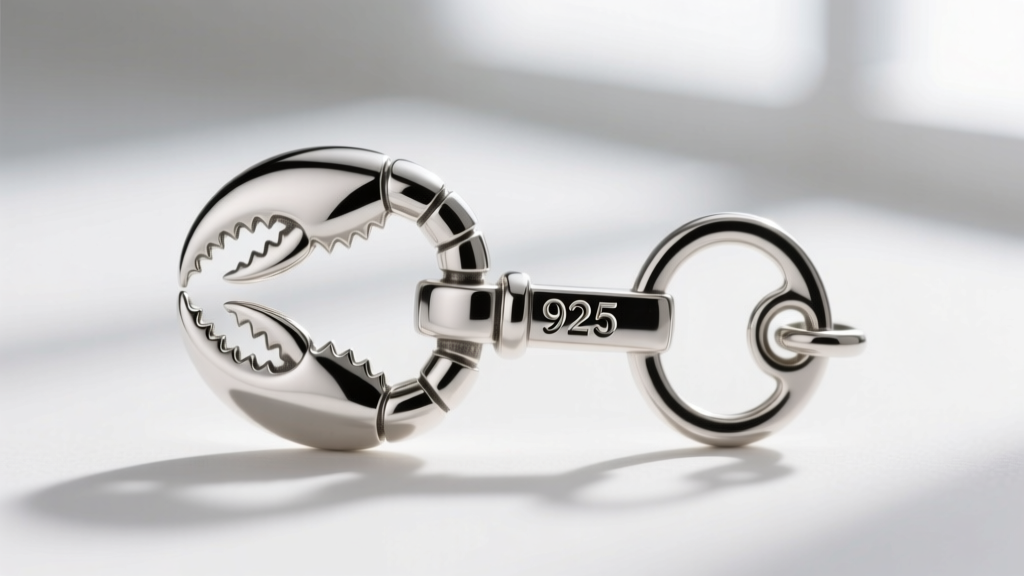
Turn the necklace over and examine the clasp. Tier 1 and some Tier 2 necklaces utilize "spring ring" clasps, which are notoriously difficult to operate and prone to internal spring failure. A high-value necklace will feature a "lobster claw" clasp, which is more secure and easier to fasten. Furthermore, inspect the jump ring (the small circular ring connecting the clasp to the chain). In fine jewelry, this jump ring should be soldered shut. If it is merely pushed together, the weight of a solid gold key pendant will eventually pull the gap open, resulting in a lost piece.
Final Verdict: Which Tier Should You Choose?
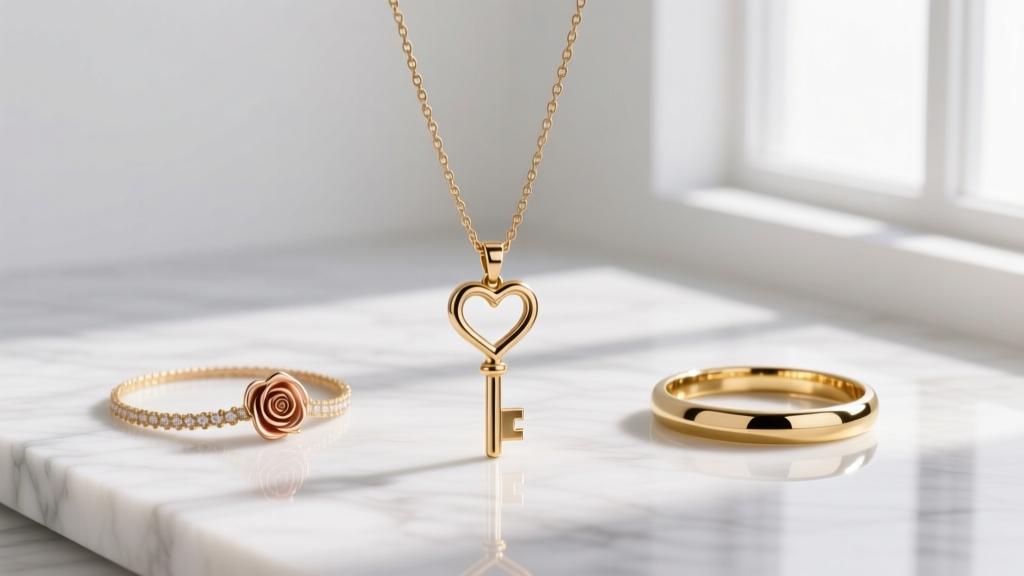
The true value of a necklace with key and heart detailing depends entirely on your intent. If you are purchasing a trendy accessory for a specific event or a teenager's birthday, a Tier 2 gold vermeil piece offers the best intersection of aesthetic appeal, skin safety, and reasonable pricing. Avoid Tier 1 base metals entirely, as the rapid degradation and potential for skin irritation make them a poor allocation of even a small budget.
However, if this necklace is intended to mark a major milestone—such as an anniversary, a graduation, or a promise of commitment—Tier 3 solid gold is the only logical choice. The intrinsic melt value, combined with the ability to pass the piece down through generations, justifies the higher upfront cost. By scrutinizing the plating thickness, chain gauge, and clasp mechanics, you can confidently navigate the market and ensure your investment holds its value long after the initial unboxing.


