The Necklace 3-Tier Layering Trend: 2026 Style Guide
Master the 2026 necklace 3-tier layering trend. Expert guide on chain gauges, metallurgy, lengths, and anti-tangle clasps for a flawless stack.

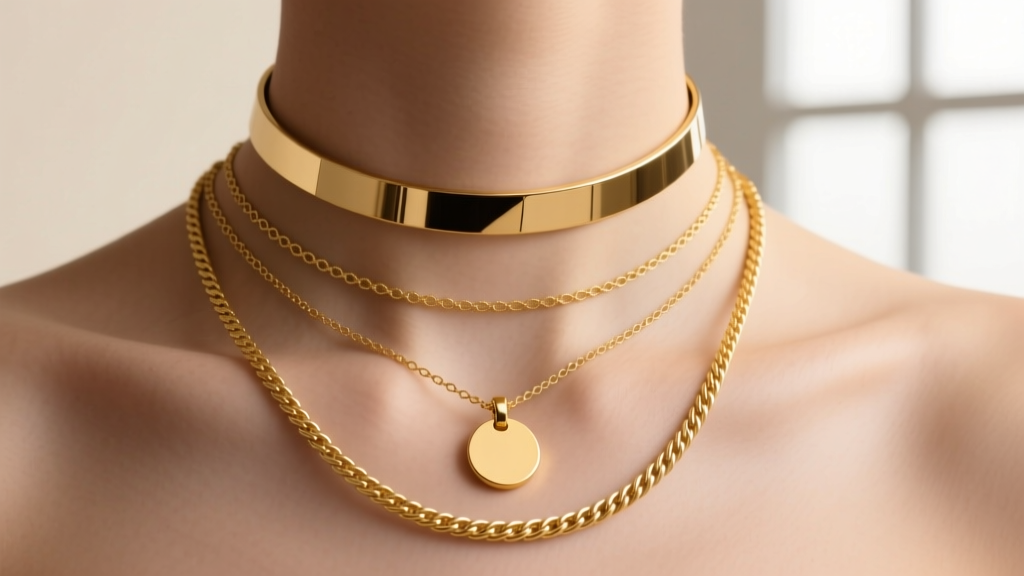
The evolution of neckline styling has shifted dramatically as we move through 2026. Gone are the days of haphazardly throwing on a handful of delicate, indistinguishable chains and hoping for the best. Today’s aesthetic demands architectural precision, intentional weight distribution, and a deep understanding of metallurgy. When executing a necklace 3-tier stack, the goal is no longer just 'more is more'; it is about creating a structured, visually balanced cascade that complements the décolletage without tangling or causing skin irritation.
This comprehensive guide breaks down the exact anatomy, material science, and mechanical engineering required to master the modern layered look, ensuring your investment pieces perform flawlessly.
The Anatomy of the 2026 Necklace 3-Tier Stack
The necklace 3-rule dictates that each layer must serve a distinct visual and structural purpose. A successful stack relies on a minimum 4-inch length differential between tiers to prevent the chains from overlapping and rubbing against one another, which is the primary cause of micro-abrasions and premature wear.
Tier 1: The Choker Foundation (14–16 Inches)
The foundational layer sits snugly above the clavicle. For 2026, the trend has moved away from fragile 0.8mm threads toward slightly more substantial 1.2mm to 1.5mm box or cable chains. Box chains are highly recommended for the base layer because their interlocking square links offer superior tensile strength and, crucially, do not pull chest or neck hair. A 14-inch length is ideal for crew necks, while a 16-inch drop pairs perfectly with V-necks and open collars. Ensure the clasp is a lightweight 5x9mm lobster claw to prevent the chain from flipping backward.
Tier 2: The Mid-Drop Anchor (18–20 Inches)
This is the focal point of the stack, typically bearing a pendant or a heavier textural chain like a 2.5mm rope or Figaro. The 18-to-20-inch range rests precisely on the sternum. When selecting a pendant for this tier, pay close attention to the bail mechanics. A 2.5mm rope chain requires a pendant bail with an inner diameter of at least 4.0mm. Forcing a tight bail onto a thick chain causes continuous friction, eventually wearing through the gold plating or weakening the soldered link.
Tier 3: The Statement Plunge (24–30 Inches)
The final tier elongates the torso and draws the eye downward. This layer requires visual weight to balance the upper tiers, making 4.0mm to 6.0mm Cuban links or elongated paperclip chains the standard. Because these chains are heavier, they require robust hardware. A standard spring-ring clasp will fail under the dynamic tension of a 30-inch heavy chain; always upgrade to a 12x18mm lobster clasp or a secure T-bar toggle.

Metallurgy & Gauge: Avoiding the Tarnish Trap
Layering multiple chains increases the surface area exposed to skin pH, cosmetics, and environmental sulfur. Understanding the legal and chemical definitions of gold coatings is critical for longevity. According to the Federal Trade Commission Jewelry Guides, there is a strict distinction between gold vermeil and gold-filled materials.
- Gold Vermeil: Must have a sterling silver (.925) base and be plated with at least 2.5 microns of 10k, 14k, or 18k gold. While beautiful, the silver base can still oxidize if the plating wears thin.
- Gold-Filled: Composed of a brass core mechanically bonded with a gold layer that constitutes at least 1/20th (5%) of the total weight. This offers vastly superior tarnish resistance and is the preferred choice for high-friction layered stacks.
- PVD Coated 316L Steel: Physical Vapor Deposition bonds titanium nitride to surgical steel at a molecular level. As noted by material experts at the Gemological Institute of America (GIA), alloy composition dictates wear; PVD steel offers 10x the scratch resistance of traditional electroplated brass, making it a budget-friendly, waterproof alternative for the base layer.
Chain Gauge vs. Tensile Strength Matrix
| Chain Type | Gauge (mm) | Tensile Strength | Best Stack Tier | Failure Mode |
|---|---|---|---|---|
| Box Chain | 1.2mm | High (Interlocking) | Tier 1 (Choker) | Kinking if bent sharply |
| Rope Chain | 2.5mm | Medium (Twisted) | Tier 2 (Anchor) | Unraveling if one link snaps |
| Cuban Link | 4.5mm | Very High (Flat) | Tier 3 (Plunge) | Clasp detachment due to weight |
| Cable Chain | 1.0mm | Low (Soldered) | Delicate Pendants | Snapping under pendant weight |
Clasp Mechanics and Tangling Prevention
The most common point of failure in any layered necklace arrangement is tangling. Chains tangle due to a combination of friction and the 'Link Aperture Ratio.' If the inner aperture of a larger chain (e.g., a 4mm Cuban link with a 3mm inner gap) is large enough to swallow the outer dimension of a smaller chain (e.g., a 2.5mm rope), they will inevitably knot together during movement.
To physically prevent interlocking, you must maintain a minimum 2mm discrepancy between the inner aperture of the larger chain and the outer dimension of the smaller chain. If your design requires chains with similar link sizes, the only reliable solution is a multi-strand spacer clasp. These barrel or slide-lock clasps anchor all three chains at the nape of the neck, forcing them to hang in parallel planes. While they add a slight amount of weight to the back of the neck, they reduce daily untangling frustration by nearly 100%.
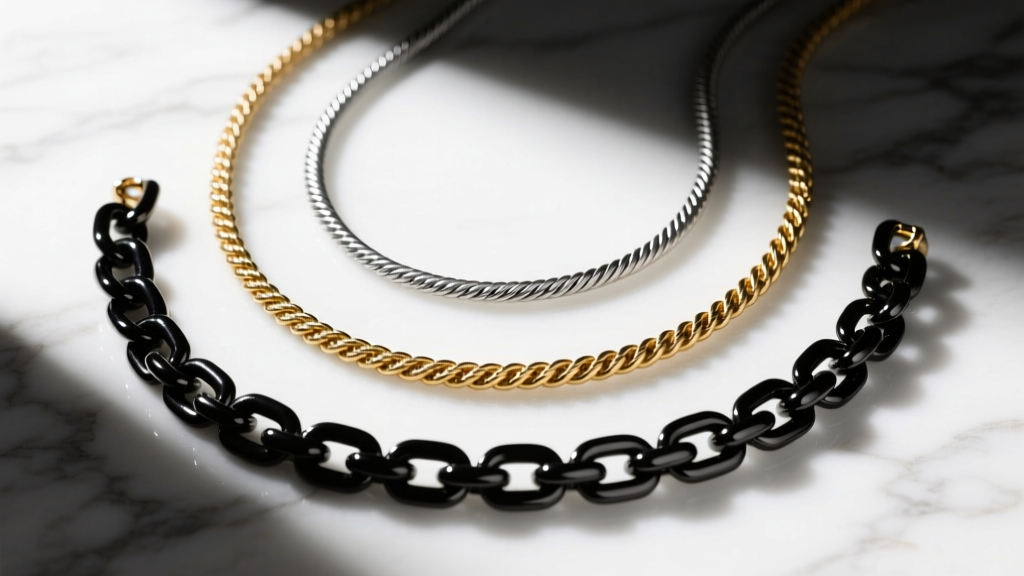
Price Tiers & Investment Strategy
Building a high-quality necklace 3-layer stack requires strategic budget allocation. You do not need to purchase solid 18k gold for every tier. The smartest approach is to invest heavily in the anchor piece and utilize high-quality alternatives for the supporting layers.
- The 'Everyday Armor' Stack ($250 - $450): Tier 1 and Tier 3 are constructed from 18k PVD gold-plated 316L stainless steel (approx. $40-$60 per chain). Tier 2 is a solid 14k gold rope chain with a meaningful pendant ($200-$350). This provides the look of solid gold with extreme waterproof durability for the base layers.
- The 'Heirloom' Stack ($1,200 - $2,500+): All three tiers are crafted from solid 14k or 18k gold. Note that 14k gold (approx. 150 Vickers hardness) is significantly more scratch-resistant than 18k gold (approx. 120 HV), making 14k the superior metallurgical choice for chains that will constantly rub against each other.
Final Styling Verdict
The 2026 layered aesthetic is a masterclass in intentional styling. By respecting the physics of chain gauges, understanding the legal definitions of gold plating, and utilizing proper hardware, you can curate a necklace 3-tier stack that looks effortlessly chic while standing up to the rigors of daily wear. Stop treating your necklaces as an afterthought; treat them as an engineered collection, and your personal style will reflect that precision.


