Necklace Big Gold Care: Expert Cleaning & Maintenance Guide
Learn how to properly clean, polish, and store your necklace big gold statement pieces. Expert tips on karat care, avoiding damage, and restoring shine.

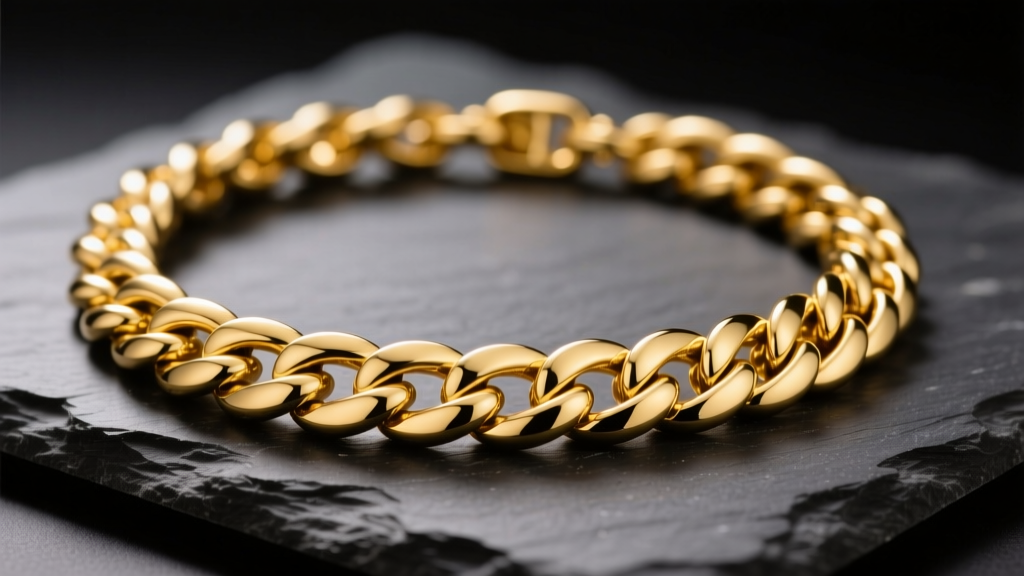
The Unique Challenges of Heavy Gold Jewelry
Owning a statement piece of jewelry is both a fashion triumph and a significant financial investment. When your collection includes a necklace big gold chains and oversized pendants present unique maintenance challenges that standard jewelry care guides often overlook. The sheer surface area of a heavy Cuban link, thick rope chain, or oversized Figaro necklace means it is constantly exposed to skin oils, environmental pollutants, and cosmetic residues. Furthermore, the weight of these pieces places continuous mechanical stress on clasps, jump rings, and soldered links.
In 2026, the trend of maximalist, heavy gold jewelry continues to dominate, but maintaining the brilliant luster of these oversized pieces requires a specialized approach. Improper cleaning can lead to micro-scratches, degraded alloys, and even catastrophic structural failure in hollow or semi-solid chains. This comprehensive guide provides actionable, expert-level maintenance protocols to keep your heavy gold necklaces in pristine condition.
Understanding Your Gold: Karat Weight and Alloy Reactions
Before applying any cleaning solution, you must understand the metallurgical composition of your necklace. Pure gold (24K) is highly resistant to tarnish and corrosion. However, because pure gold is too soft for heavy, wearable chains, it is alloyed with metals like copper, silver, zinc, and nickel to increase durability. It is these secondary alloys that react to environmental factors, causing discoloration or tarnish.
| Karat | Gold Purity | Alloy Composition & Risks | Cleaning Frequency |
|---|---|---|---|
| 10K | 41.7% | High alloy content; prone to oxidation and copper tarnish. | Bi-weekly |
| 14K | 58.3% | Balanced durability; may dull from lotions and skin acidity. | Monthly |
| 18K | 75.0% | Rich color; softer surface prone to micro-scratches. | Monthly |
| 22K / 24K | 91.6% - 99.9% | Extremely soft; will not tarnish, but easily warped or dented. | As needed (gentle) |
Step-by-Step Cleaning Routine for Big Gold Chains
When dealing with a necklace big gold links require deep penetration into the crevices of the chain to remove trapped sebum and dead skin cells. Avoid commercial jewelry dips, which often contain harsh ammonia or thiourea derivatives that can strip the polished finish of your gold.
The Safe Soak Method
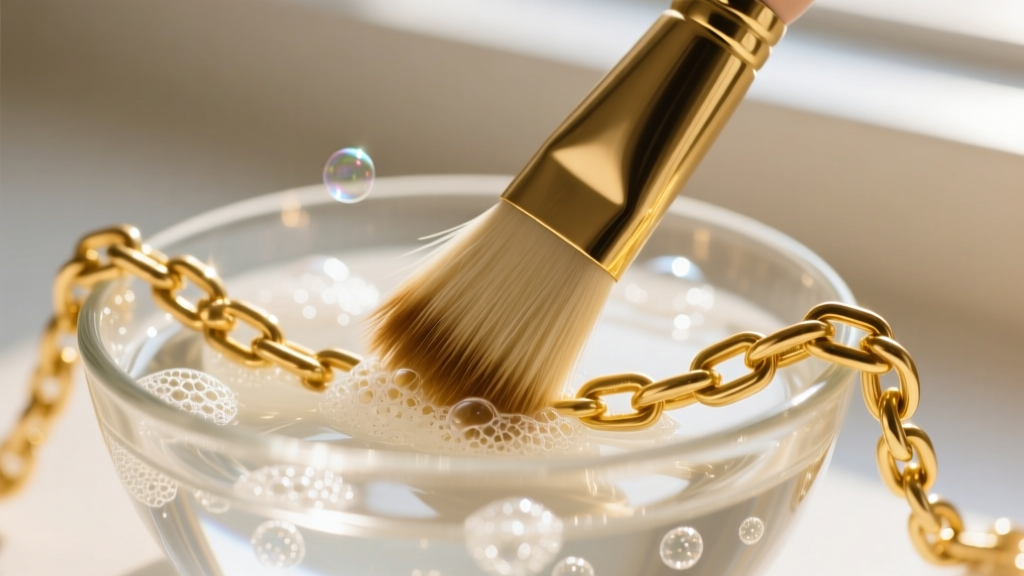
- Prepare the Solution: Fill a glass or ceramic bowl with lukewarm distilled water. Add 3-4 drops of a phosphate-free, mild dish detergent (such as original Dawn). Avoid hot water, which can shock certain gemstone inlays if your pendant includes them.
- Submerge and Agitate: Place the necklace in the solution. Gently swish it around for 15 to 20 minutes. This allows the surfactants in the soap to break down the lipid bonds of skin oils trapped between the links.
- Targeted Brushing: Remove the chain and use an extra-soft horsehair jewelry brush or a clean, unused baby toothbrush. Brush in the direction of the links, paying special attention to the clasp mechanism and the interior grooves of rope or Cuban chains.
- The Distilled Rinse: Rinse the necklace thoroughly under a gentle stream of distilled water. Tap water contains minerals like calcium and magnesium that will leave stubborn hard-water spots on the gold surface as it dries.
Drying and Moisture Control
Never air-dry a heavy gold chain. Water trapped inside hollow links or tight rope weaves can lead to prolonged moisture exposure, which degrades the solder points over time. Lay the necklace flat on a clean, lint-free microfiber towel. Gently pat it dry, then use a secondary dry microfiber cloth to buff the surface. For intricate weaves, use a can of compressed air (held at least six inches away) to blow out trapped moisture from the inner link cavities.
What to Avoid: Common Cleaning Mistakes
The internet is flooded with DIY jewelry cleaning hacks that can permanently damage a heavy gold necklace. According to the Gemological Institute of America (GIA), improper chemical exposure is the leading cause of premature degradation in gold alloys.
- Chlorine Exposure: Never wear your gold necklace in a swimming pool or hot tub. Chlorine reacts violently with copper and silver alloys, causing 'stress corrosion cracking.' This weakens the structural integrity of the links, leading to sudden snapping.
- Toothpaste and Baking Soda: These are highly abrasive. Gold is a relatively soft metal, and scrubbing it with toothpaste will create thousands of micro-scratches, permanently dulling the mirror finish of your chain.
- Ultrasonic Cleaners: While ultrasonic machines are excellent for diamonds, they are incredibly dangerous for hollow or semi-solid gold chains. The high-frequency acoustic cavitation can cause the thin gold walls of hollow links to implode or warp.
- Paper Towels: Wood-pulp-based paper towels are abrasive enough to scratch high-karat gold. Always stick to 100% cotton or specialized microfiber cloths.
Polishing and Restoring the Luster
Cleaning removes dirt, but polishing restores the reflective luster. For a necklace big gold surface area, achieving an even shine requires the right tools. Invest in a high-quality jeweler's polishing cloth impregnated with micro-abrasives and jeweler's rouge (iron oxide).
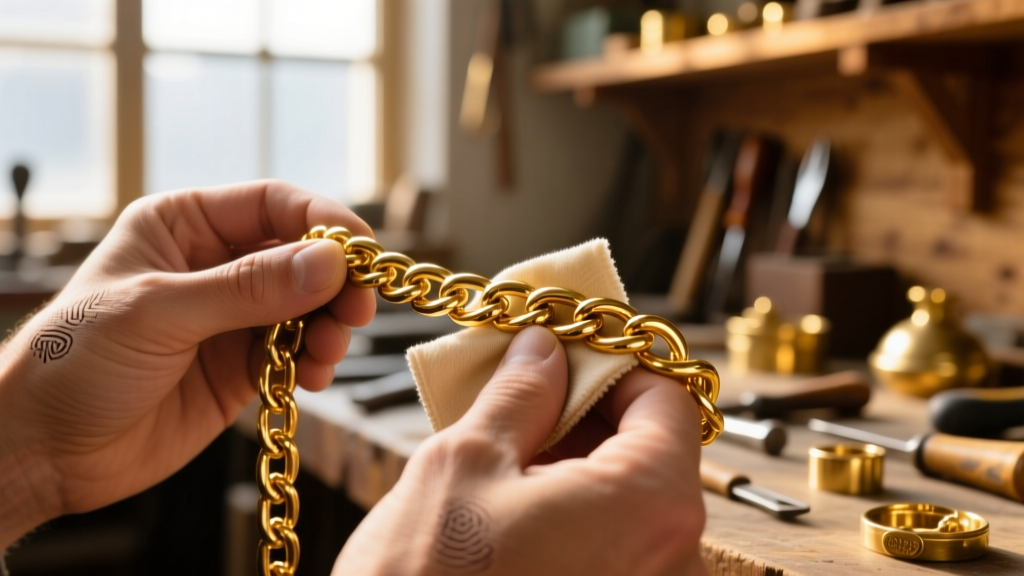
When polishing a heavy Cuban link chain, pull the chain taut between your hands and run the polishing cloth back and forth along the flat surfaces. Avoid pulling the cloth through the tight gaps of a rope chain, as the cloth can snag and stretch the links. For matte or brushed-finish gold necklaces, skip the rouge cloth entirely, as it will inadvertently polish the matte texture into a shiny one, ruining the intended design.
Proper Storage to Prevent Tangles and Scratches
How you store your heavy gold jewelry is just as critical as how you clean it. Tossing a thick gold chain into a jewelry box guarantees tangles, and untangling heavy links often results in accidental stretching or bending.
- Hang Them Up: The best storage method for heavy chains is a padded jewelry hook. Hanging the necklace allows gravity to keep the links aligned and prevents kinking.
- Individual Pouches: If you must store the necklace in a drawer or safe, lay it completely flat in an individual, anti-tarnish flannel pouch. Never store multiple gold chains together; the friction between them will cause surface scratching.
- The Clasp Trick: If hanging isn't an option, lay the chain flat and leave the clasp unfastened. This prevents the chain from locking into a tight knot if it shifts during storage.
When to See a Professional Jeweler
Even with meticulous at-home care, a heavy gold necklace requires professional attention. The Federal Trade Commission (FTC) advises consumers to be aware of the structural realities of gold jewelry. The weight of a large pendant or thick chain puts immense strain on the clasp and the jump ring connecting the pendant to the chain.
Take your necklace to a reputable jeweler once a year for a structural inspection. They will check the tension of the spring ring or lobster clasp, inspect the solder points on the links for microscopic fractures, and perform a professional steam clean that safely removes debris from areas a toothbrush cannot reach. By combining this expert-level at-home maintenance with annual professional check-ups, your statement gold necklace will remain a pristine, generational asset for decades to come.


