Necklace Cards: A Material & Archival Properties Guide
Discover how necklace card materials impact jewelry preservation. Compare acid-free papers, acrylics, and archival properties.

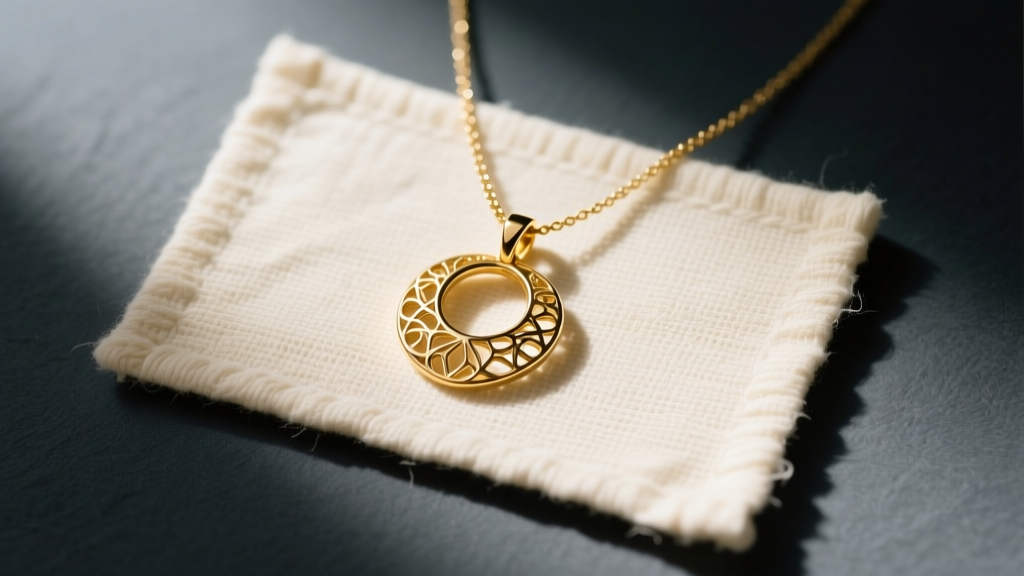
For independent jewelers, Etsy sellers, and boutique owners, the unboxing experience is a critical touchpoint. Yet, while massive attention is paid to the jewelry itself, the humble necklace card is often treated as an afterthought. This is a costly mistake. The material composition of your display and packaging cards directly impacts the structural integrity of your branding and, more importantly, the chemical preservation of the metals and gemstones resting upon them.
In 2026, conscious consumerism and archival-quality packaging are no longer niche demands—they are industry standards. This guide provides a deep-dive material comparison of necklace cards, examining paper weights, plastic polymers, and archival properties to help you match the right backing material to your specific jewelry tier.
The Hidden Chemistry: Why Necklace Card Materials Matter
Jewelry preservation begins with the surface it touches. Cheap, mass-produced necklace cards are typically manufactured from unbleached wood pulp, which contains high levels of lignin and acidic sizing agents. As these materials degrade, they off-gas volatile organic compounds (VOCs) and sulfur dioxide.
When sterling silver is exposed to sulfur compounds trapped in a sealed polybag alongside a low-grade wood-pulp card, it accelerates the formation of silver sulfide—the black tarnish that plagues jewelry sellers. Similarly, pearls and porous gemstones like opals can absorb acidic off-gassing, leading to surface pitting and loss of luster. According to the Library of Congress preservation guidelines, acidic paper not only destroys itself over time but actively harms the artifacts it contacts. For jewelry, this means your packaging could be actively damaging your product before it even reaches the customer.
Comprehensive Material Comparison Chart
Choosing the right necklace card requires balancing cost, aesthetic, and chemical stability. Below is a technical comparison of the most common materials used in jewelry packaging.
| Material | Weight / Thickness | pH / Archival Status | Best Application | Primary Failure Mode |
|---|---|---|---|---|
| Standard Kraft (Wood Pulp) | 250-300 gsm | pH 4.5 - 5.5 (Acidic) | Low-cost fashion jewelry, rapid turnover | Accelerates silver tarnish; corners dog-ear easily |
| 100% Cotton Rag | 300-600 gsm | pH 7.5 - 8.5 (Archival) | Fine jewelry, bridal, heirloom pieces | High cost; requires specialized die-cutting |
| Cast Acrylic | 3mm (1/8 inch) | Inert / Non-reactive | Modern minimalist brands, high-end displays | Edge micro-fractures if laser-cut incorrectly |
| Recycled PETG | 0.5mm - 1.0mm | Inert / Recyclable | Eco-conscious brands, outdoor markets | Can warp under high heat/sunlight |
| Seeded Paper | 200-250 gsm | Neutral (pH 7.0) | Sustainable brands, gifting | Thick, uneven surface; slits can tear |
Deep Dive: Archival & Acid-Free Paper Stocks
If you are selling sterling silver, gold vermeil, or pearl jewelry, acid-free paper is non-negotiable. However, the term 'acid-free' is heavily marketing-regulated and often misunderstood. True archival necklace cards must be both acid-free and lignin-free.
The Cotton Rag Advantage
The gold standard for fine jewelry necklace cards is 100% cotton rag paper, typically weighing in at 300gsm to 600gsm. Unlike wood pulp, cotton fibers are naturally long, interlocking, and free of lignin (the organic polymer that causes paper to yellow and become brittle). A 600gsm cotton rag card offers a rigid, luxurious feel that rivals rigid setup boxes, providing a premium tactile experience while maintaining a neutral pH buffer. To ensure longevity, look for papers buffered with calcium carbonate, which maintains an alkaline reserve (pH 8.0-8.5) to neutralize any future environmental acids.

The Silver Tarnish Test
Before committing to a bulk order of custom necklace cards, conduct a simple accelerated tarnish test. Place a freshly polished sterling silver test strip in a sealed ziplock bag with the proposed card material, and another strip in a bag with a known archival cotton rag card. Leave them in a warm, humid environment (like a bathroom) for 14 days. If the test strip on the custom card shows yellow or black oxidation compared to the control, the paper contains sulfur-bearing sizing agents or recycled contaminants and must be rejected.
Rigid Alternatives: Acrylic and Wood Veneer
For brands leaning into a modern, architectural aesthetic, rigid necklace cards made from acrylic or laser-cut wood veneer offer a striking alternative to paper. However, material selection here requires an understanding of polymer chemistry and manufacturing stresses.
Cast vs. Extruded Acrylic
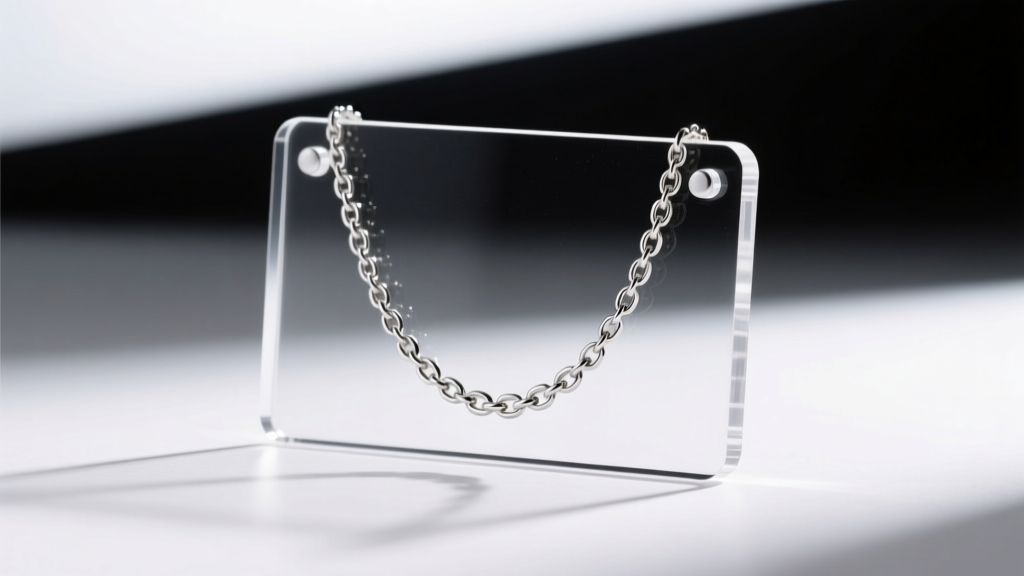
When sourcing 3mm acrylic necklace cards, you must specify cast acrylic rather than extruded acrylic. Extruded acrylic is manufactured by pushing molten plastic through rollers, which introduces internal molecular stress. When you laser-cut slits into extruded acrylic to hold necklace chains, this stress is released, often resulting in microscopic stress fractures that propagate over time, eventually causing the card to snap in the center. Cast acrylic, formed in molds, has a uniform molecular structure and machines beautifully, yielding clean, frost-free slit edges that securely grip delicate chains without cracking.
The PVC Danger
Never use PVC (Polyvinyl Chloride) or vinyl-based plastics for necklace cards or packaging inserts. As PVC degrades, especially when exposed to heat or UV light, it releases hydrochloric acid. This off-gassing is highly corrosive and will rapidly pit base metals, degrade pearl nacre, and cloud gemstones. Always verify that clear plastic packaging components are made from inert polymers like PET, PETG, or Polypropylene.
Sizing, Slits, and Structural Integrity
The physical engineering of the necklace card is just as vital as its chemical composition. The standard dimensions for a pendant card are 2 x 3.5 inches or 3.5 x 5 inches, but the placement and width of the chain slits dictate functionality.
- Slit Spacing: For standard 16-18 inch chains, slits should be placed exactly 1.5 to 2 inches apart from the top edge. This allows the pendant to rest in the lower third of the card, following the rule of thirds for visual balance.
- Slit Width vs. Material Thickness: A common failure mode is slits that are too narrow for the card's thickness, causing the chain to pop out. For a 300gsm paper card, slits should be die-cut to 0.5mm wide. For 3mm acrylic, slits must be routed to at least 1.5mm wide to accommodate chain clasps and jump rings without forcing the material.
- The Notch Solution: To prevent chains from slipping out of paper cards during shipping, high-end manufacturers use a 'T-slit' or add a small semi-circular notch at the end of the slit. This allows the clasp to anchor securely, acting as a physical lock.
Final Verdict: Matching Card to Jewelry Tier
Selecting the right necklace card material is an exercise in brand alignment and chemical responsibility. Use the following framework to finalize your packaging strategy:
Fine & Bridal Jewelry ($200+): Exclusively use 600gsm 100% cotton rag paper or 3mm cast acrylic. The inert, archival properties protect high-value assets, and the heavy weight communicates luxury before the box is even opened.
Mid-Tier Artisan & Demi-Fine ($50 - $200): Opt for 300gsm acid-free, lignin-free recycled cotton blends. These offer excellent structural rigidity and tarnish protection at a more accessible price point.
Fashion & High-Turnover ($5 - $50): Standard Kraft or coated cardstock is acceptable, provided the jewelry is sealed in an anti-tarnish polybag before being placed on the card, creating a physical barrier between the acidic paper and the metal.
By treating your necklace cards as an integral component of your jewelry's preservation system rather than mere disposable backing, you elevate your brand's perceived value and drastically reduce customer complaints regarding tarnished or damaged goods upon delivery. For further reading on preserving metals and textiles, consult the Gemological Institute of America's jewelry care guidelines to ensure your entire packaging ecosystem supports the longevity of your designs.


