What Is a Necklace Clasp Called? Care, Cleaning & Repair Guide
Discover what a necklace clasp is called and learn expert cleaning, maintenance, and repair tips for lobster, box, and spring ring clasps.

When a beloved necklace breaks or its mechanism becomes stiff with grime, the first hurdle in getting it fixed is simply knowing the terminology. If you have ever found yourself asking a bench jeweler, what is a necklace clasp called, you are not alone. Identifying the exact hardware on your chain is not just a matter of vocabulary; it is the critical first step in proper jewelry maintenance, cleaning, and repair. Different clasps possess unique mechanical vulnerabilities, trap dirt in distinct ways, and require highly specific cleaning protocols to avoid irreversible damage.
In this comprehensive 2026 maintenance guide, we will decode the terminology of necklace hardware and provide deep-dive, actionable care instructions for every major clasp type. Whether you are dealing with a tarnished sterling silver spring ring or a loose platinum box clasp, understanding your hardware is the key to longevity.
The Anatomy of a Clasp: What Is a Necklace Clasp Called?
Before applying any cleaning solution or attempting a repair, you must accurately identify your clasp. The term 'clasp' is a broad umbrella. Below is a diagnostic chart detailing the proper industry names, their mechanical functions, and their most common failure modes.
| Clasp Name | Mechanism Type | Common Dirt Traps | Primary Failure Mode |
|---|---|---|---|
| Lobster Clasp | Spring-loaded lever | Inside the trigger housing | Trigger lever snaps or spring loses tension |
| Spring Ring | Internal coil spring | The tiny slit where the ring closes | Internal spring rusts or coil snaps |
| Box Clasp | Friction-fit tongue | The hollow receiving box | Tongue bends; figure-8 safety wire snaps |
| Toggle Clasp | Gravity and tension | The inner curve of the O-ring | O-ring warps into an oval, causing slippage |
| Barrel Clasp | Threaded screw | The internal threading grooves | Threads strip from overtightening |
| Magnetic Clasp | Neodymium magnets | Micro-gaps between the magnetic faces | Magnets demagnetize from heat or impact |
Targeted Cleaning Protocols by Clasp Type
According to the Gemological Institute of America (GIA), the accumulation of skin oils, lotions, and environmental dust is the leading cause of mechanical failure in jewelry moving parts. However, a one-size-fits-all cleaning approach can destroy delicate mechanisms. Here is how to clean your specific hardware.
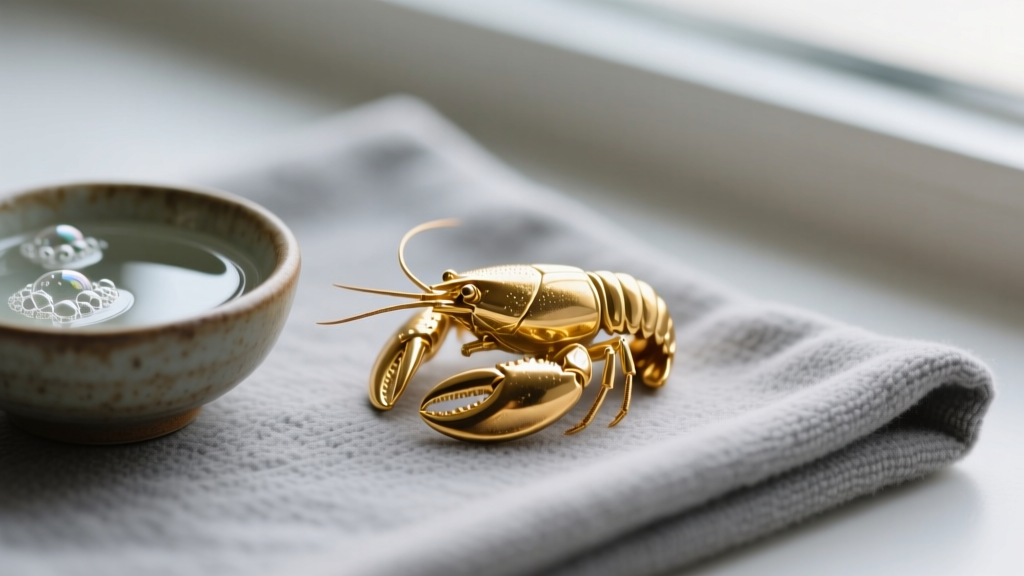
Lobster and Spring Ring Clasps: Flushing the Coil
These clasps rely on tiny, high-tension steel or alloy springs. When lotion and dead skin cells mix inside the trigger housing, they create a cement-like paste that prevents the lever from fully closing.
- The Solution: Mix a few drops of pH-neutral dish soap (like Dawn) into warm distilled water.
- The Technique: Submerge only the clasp (avoiding porous gemstones like pearls or opals attached to the chain). Use an extra-soft baby toothbrush to gently agitate the water around the trigger. Do not scrub the metal directly, as this can push grime deeper into the coil.
- The Rinse: Use a syringe or a gentle stream of distilled water to flush the internal housing. Dry immediately with compressed air or a hairdryer on the 'cool' setting to prevent internal water spots.
Box Clasps: Preserving the Friction Fit
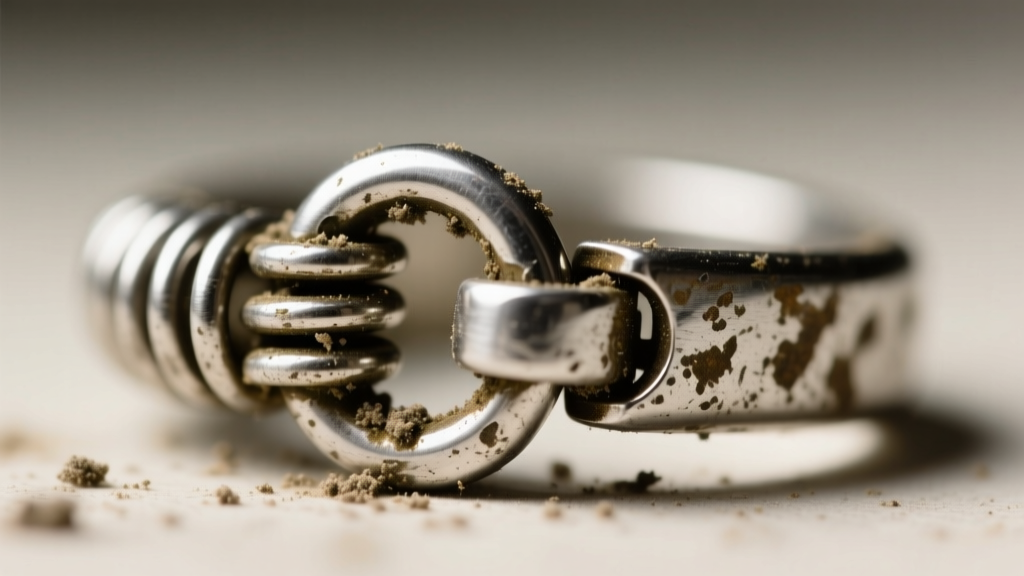
Box clasps, often found on heavy tennis bracelets and multi-strand pearl necklaces, secure via a folded piece of metal (the tongue) that compresses as it slides into a hollow box and then expands to lock.
Critical Warning: Never use ultrasonic cleaners or abrasive polishing pastes on the tongue of a box clasp. Polishing removes microscopic layers of metal. Over time, this reduces the thickness of the tongue, destroying the friction fit and causing the necklace to unclasp unexpectedly. To clean a box clasp, dip a wooden toothpick in isopropyl alcohol and gently scrape the interior corners of the receiving box to lift out compacted debris without scratching the precious metal.
Magnetic Clasps: The Heat and Chemical Danger Zone
Magnetic clasps utilize powerful neodymium magnets encased in metal shells. These magnets are highly susceptible to demagnetization if exposed to temperatures above 176°F (80°C). Never clean a necklace with a magnetic clasp in hot water, and never place it in an ultrasonic cleaner, as the cavitation heat and high-frequency vibrations can fracture the brittle magnet inside. Wipe magnetic faces daily with a dry, lint-free microfiber cloth to remove iron-rich dust that weakens the magnetic pull.
Mechanical Maintenance and Tension Adjustment
Cleaning removes grime, but mechanical maintenance restores function. The Jewelers of America recommends inspecting your clasp mechanisms every six months. Here is how to troubleshoot and maintain the structural integrity of your hardware.
Re-Tensioning a Box Clasp Tongue
If your box clasp slides out too easily, the tongue has likely been compressed over months of wear. You can temporarily fix this at home. Using a pair of nylon-jaw pliers (never steel pliers, which will mar the gold or platinum), gently grip the folded tongue and apply a minuscule amount of outward pressure to widen the fold. Test the fit. If your clasp features a 'figure-8' safety wire—a secondary loop of wire that snaps over a button—inspect the hinge. If the wire is bent or thinning at the solder joint, it must be replaced by a professional immediately to prevent catastrophic loss.
Lubricating Barrel Clasps
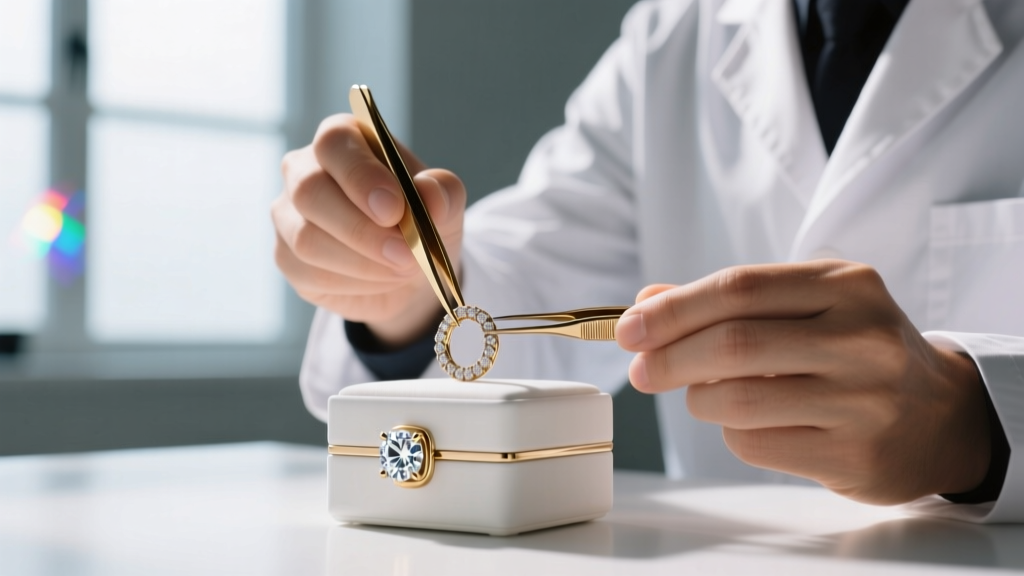
Barrel clasps screw together and are notorious for cross-threading or seizing up due to soap scum. If your barrel clasp is difficult to unscrew, do not force it with pliers; you will strip the internal threads. Instead, apply a single drop of synthetic watchmaker's oil or a specialized jewelry micro-lubricant to the seam. Let it capillary into the threads for ten minutes, then gently unscrew. Once open, clean the threads with a fiberglass scratch pen to remove old, hardened lubricant before reapplying a fresh, microscopic drop.
When to Repair vs. When to Replace
Knowing what a necklace clasp is called also helps you understand its repairability. Not all clasps are worth fixing, and attempting to repair certain mechanisms can compromise the security of your jewelry.
The Bench Jeweler's Rule of Thumb: If a spring-loaded mechanism (spring ring or lobster) fails internally, it is almost always replaced, not repaired. The cost of labor to open, clean, and re-seat a microscopic spring far exceeds the $15 to $35 cost of soldering on a brand-new, high-quality cast clasp.
Conversely, box clasps, toggle clasps, and magnetic clasps are highly repairable. A jeweler can easily laser-weld a cracked toggle bar, re-tension a box tongue, or re-glue a loose neodymium magnet back into its metal housing. When replacing a clasp, always ask your jeweler to upgrade to a 'quick-release' or 'smart' lobster clasp if you suffer from dexterity issues, as these feature oversized levers that do not require fine motor skills to operate.
Final Thoughts on Clasp Longevity
The next time someone asks you, 'what is a necklace clasp called,' you will know that the answer dictates the care it requires. By matching your cleaning chemicals, tools, and maintenance habits to the specific mechanical reality of your lobster, box, or spring ring clasp, you ensure that the most vulnerable point of your necklace remains secure, functional, and pristine for decades to come. Treat your hardware with the same respect you give your gemstones, and your jewelry will never unexpectedly part ways with you.