Necklace Dean Winchester: Material Guide & Replica Metals Compared
Discover the best metals for a necklace Dean Winchester replica. Compare brass, silver, and steel for durability, patina, and daily wear.

The Lore vs. Reality: Decoding the Amulet's Origins
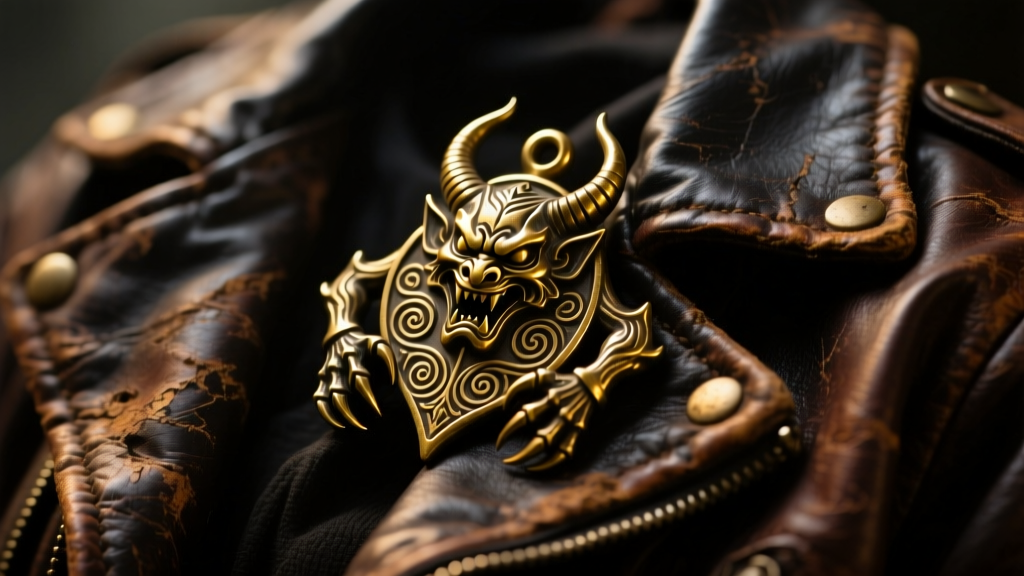
When fans and collectors search for the exact necklace Dean Winchester wore throughout the legendary run of Supernatural, they are usually hunting for the iconic 'demon-killing' amulet. In the show's lore, this talisman is an ancient, protective artifact. However, from a metallurgical and prop-making perspective, the original screen-used pendants were likely cast from standard brass or bronze alloys, heavily treated with chemical oxidizers to achieve that gritty, centuries-old hunter aesthetic.
For those looking to purchase or commission a replica for daily wear, understanding the material properties of your chosen metal is critical. A piece of jewelry meant to be worn over flannel, through conventions, and in daily life must withstand sweat, friction, and environmental exposure. Below, we break down the most common metals used for this specific pendant style, evaluating their durability, skin reactions, and aging potential.
Material Breakdown: Choosing Your Amulet Metal
Brass and Bronze: The Screen-Accurate Choices
Most mid-tier replicas are cast in brass (an alloy of copper and zinc) or bronze (copper and tin). Bronze is generally the superior choice for detailed pendants. With a Mohs hardness of 3 to 4, bronze is harder than brass, meaning it retains the sharp, intricate edges of the amulet's sigils much longer without wearing smooth. Furthermore, bronze develops a rich, dark brown patina over time, whereas brass tends to oxidize into a brighter, sometimes splotchy greenish-brown.
The Verdigris Problem: Both metals contain high copper content. When copper mixes with the salts and acids in human sweat, it creates copper chloride—commonly known as verdigris. This is the infamous 'green skin' effect. If you choose a brass or bronze necklace Dean Winchester replica for daily wear, you must seal it. Applying a micro-crystalline wax, such as Renaissance Wax, creates a breathable barrier that prevents skin discoloration while maintaining the matte, antiqued finish of the prop.
Sterling Silver (925): The Premium Upgrade
For a high-end, heirloom-quality piece, .925 sterling silver is the benchmark. Composed of 92.5% pure silver and 7.5% copper (or sometimes zinc for better tarnish resistance), sterling silver offers a brilliant base that can be heavily oxidized using liver of sulfur to mimic the show's dark, brooding aesthetic. According to jewelry supply experts at Rio Grande, the copper alloy in sterling silver provides the necessary tensile strength for casting heavy pendants while allowing for intricate detail work.
Silver is naturally hypoallergenic for the vast majority of wearers and will not turn your skin green. However, it is softer than bronze (Mohs 2.5 to 3), making it more prone to micro-scratches and dents if you work with your hands or frequently bump the pendant against hard surfaces.
316L Surgical Stainless Steel: The Indestructible Beater
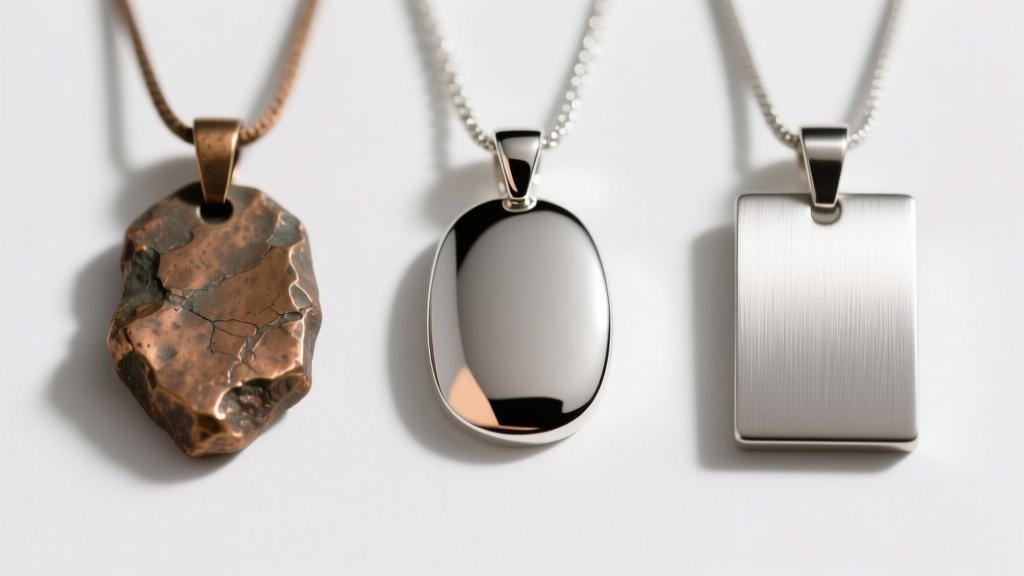
If you want a pendant that you can wear in the shower, at the gym, and on the road without a second thought, 316L marine-grade stainless steel is the ultimate utilitarian choice. The addition of molybdenum to the steel alloy provides exceptional resistance to chlorides and acidic sweat. It will not tarnish, rust, or cause skin discoloration.
The trade-off is weight and finish. Steel is denser than silver or brass, giving the pendant a heavy, satisfying drape. However, it cannot be antiqued using traditional jewelry patinas. Manufacturers must use specialized chemical blackeners or PVD (Physical Vapor Deposition) coatings to achieve the dark, aged look required for an authentic supernatural talisman appearance.
Pewter and Zinc Alloys: The Budget Trap
Cheap, mass-market replicas are often die-cast from zinc alloys (like Zamak) or modern lead-free pewter. While these metals are inexpensive and easy to mass-produce, they are highly brittle. A dropped pewter pendant is likely to shatter or snap at the bail (the loop that holds the chain). Furthermore, zinc alloys often have a dull, grayish undertone that looks inherently artificial, even when painted with faux-antique washes. For a piece meant to be worn regularly, avoid these materials entirely.
Chain Considerations: Matching the Pendant's Weight
The pendant is only half the equation. Throughout the series, Dean typically wore his amulet on a longer chain—usually between 24 and 28 inches—allowing it to rest on the sternum over thick layers of clothing. When selecting a chain, you must consider both the visual weight and the tensile strength.
- Gauge and Thickness: A heavy cast bronze or steel pendant requires a chain with a minimum thickness of 2.5mm to 3.0mm. Anything thinner (like a 1.5mm box chain) will suffer from link fatigue and eventually snap under the pendulum motion of daily walking.
- Chain Style: A curb chain or a rope chain offers the best structural integrity. Curb chains lay flat against the chest, reducing the chance of catching on jackets or gear.
- Clasp Mechanics: Never use a standard spring-ring clasp for a heavy amulet. The internal spring mechanism is a known failure point. Opt for a heavy-duty lobster clasp with a soldered jump ring at the opposite end to ensure the chain remains secure.
Comparative Data: Metal Properties & Maintenance
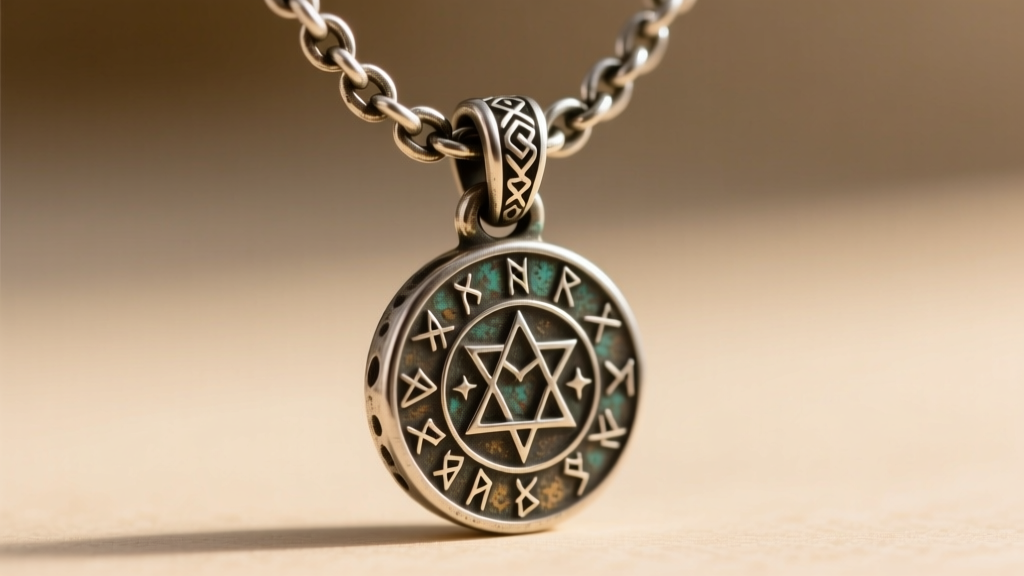
Use the table below to determine which metal aligns with your lifestyle, budget, and maintenance preferences. Official licensees like Badali Jewelry often provide options across multiple metal tiers, making it easier to select the right grade for your needs.
| Metal Alloy | Mohs Hardness | Tarnish / Patina Rate | Skin Reaction Risk | Relative Price Range |
|---|---|---|---|---|
| Cast Bronze | 3.0 - 4.0 | Fast (Rich Brown) | High (Green) | $40 - $80 |
| Cast Brass | 2.5 - 3.0 | Fast (Green/Brown) | High (Green) | $30 - $60 |
| 925 Sterling Silver | 2.5 - 3.0 | Medium (Black Sulfur) | Very Low | $90 - $180 |
| 316L Stainless Steel | 5.5 - 6.3 | None | None | $35 - $70 |
| Zinc Alloy / Pewter | 1.5 - 2.0 | N/A (Painted) | Low | $15 - $25 |
Troubleshooting Common Replica Issues
Bail Breakage and Porosity
The most common structural failure in cast replica pendants is the bail snapping off. This occurs when the casting process traps air bubbles, creating microscopic porosity in the metal loop. If you are buying a raw cast piece, inspect the bail for pitting. For long-term durability, take the pendant to a local jeweler and have them solder a heavy-duty sterling silver or steel jump ring directly through the pendant's top hole, bypassing the fragile cast bail entirely.
Embracing the Hunter Aesthetic: Artificial Aging
If you purchase a polished 925 silver or raw bronze replica and want to achieve the screen-accurate, grime-filled crevices seen on the show, you can age the metal at home. For silver and bronze, a liver of sulfur solution will rapidly oxidize the metal to a deep black. Once blackened, use a high-grit polishing cloth or fine steel wool to gently buff the raised surfaces. This leaves the dark oxidation trapped in the deep engravings of the sigils, creating a high-contrast, ancient look that perfectly matches the necklace Dean Winchester fans know and love.
Final Verdict
Choosing the right material for your amulet comes down to how you plan to wear it. For the ultimate screen-accurate collector who doesn't mind occasional maintenance and sealing, cast bronze is the undisputed king. For the fan who wants a premium, skin-safe piece that ages beautifully, oxidized 925 sterling silver is the best investment. However, if you live an active lifestyle and want a piece of the hunt that requires zero maintenance, a PVD-coated 316L stainless steel pendant on a heavy curb chain will outlast you all.


