Necklace Devil Horn Pendants: Material Comparison Guide
Compare metals for devil horn necklace pendants. Learn about tarnish resistance, durability, and skin safety for gothic and alt jewelry.

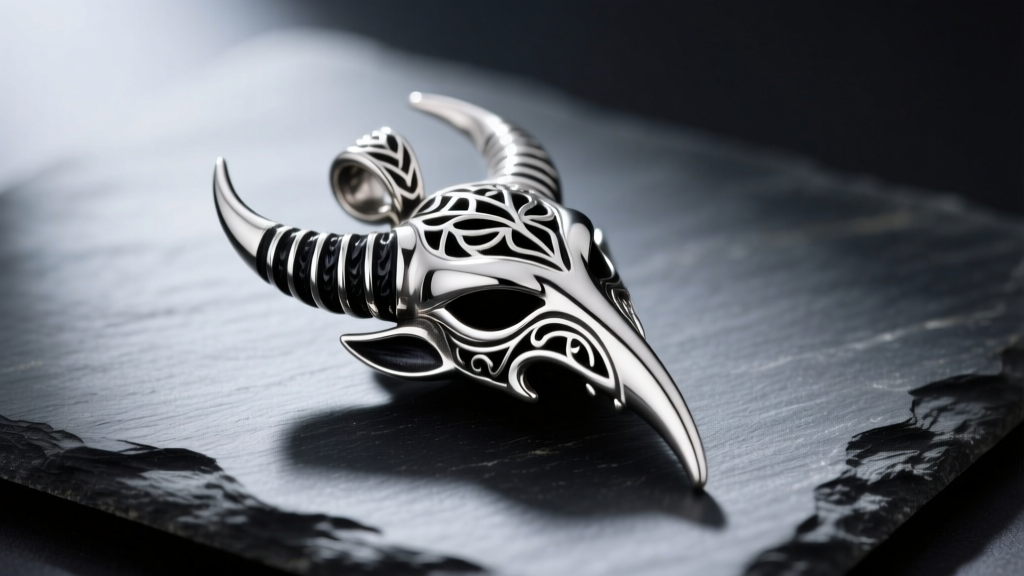
The dark aesthetic and alt-gothic jewelry movements have firmly cemented their place in mainstream fashion by 2026. Among the most iconic staples of this subculture is the necklace devil horn pendant. Whether featuring subtle, minimalist curves or aggressive, fluted demon motifs, the geometry of these pendants presents unique metallurgical challenges. Sharp tapers, deep engravings, and intricate bail loops require specific material properties to prevent casting porosity, tip breakage, and excessive tarnish buildup. This guide provides a deep-dive material comparison to help you select a piece that balances dark aesthetics with lifelong durability.
The Anatomy of a Devil Horn Pendant: Why Material Choice Matters
Unlike smooth, geometric pendants, devil horn and demonic motif jewelry relies heavily on texture, deep recesses, and sharp points. When manufacturers use cheap base metals or improper casting techniques, these intricate designs become the first to fail. The primary failure modes in alt-gothic pendants include:
- Tip Fracture: Horns that taper to a fine point are highly susceptible to snapping if the metal lacks adequate tensile strength or contains microscopic air bubbles from poor lost-wax casting.
- Crevicular Corrosion: Deep fluting and engraved scales trap moisture, sweat, and cosmetics. Metals with low tarnish resistance will develop corrosive patinas in these recesses that are nearly impossible to polish out without specialized ultrasonic equipment.
- Bail Loop Shearing: The bail (the loop connecting the pendant to the chain) endures constant friction. Soft metals like pure pewter will quickly wear thin and snap under the weight of a heavy chain.
Understanding the metallurgical profile of your jewelry is essential. According to the Jewelers of America, selecting the correct alloy grade ensures both skin safety and structural longevity, especially for pieces worn daily against the chest.
Metal Comparison Chart for Gothic & Alt Pendants
Below is a structured breakdown of the most common metals used in devil horn necklaces, comparing their physical properties and real-world performance.
| Material | Composition / Grade | Hardness (Mohs) | Tarnish Profile | Price Range | Best Application |
|---|---|---|---|---|---|
| Sterling Silver | 92.5% Ag, 7.5% Cu | 2.5 - 3.0 | High (Oxidizes) | $45 - $150 | Intricate castings, intentional antiquing |
| White Bronze | Cu, Zn, Sn alloy | 3.5 - 4.0 | Moderate | $20 - $60 | Budget-friendly detailed pieces |
| Titanium | Grade 5 (Ti-6Al-4V) | 6.0 | None (Passive) | $80 - $250 | Minimalist, sharp, hypoallergenic horns |
| Tungsten Carbide | W-C matrix w/ Co/Ni | 8.5 - 9.0 | None | $60 - $180 | Chunky, geometric horn designs |
| Lead-Free Pewter | Sn, Sb, Cu | 1.5 - 2.0 | Low (Dulls) | $15 - $40 | Thick, blunt, low-detail pendants |
Deep Dive: Sterling Silver vs. White Bronze vs. Titanium
Sterling Silver (925): The Antiquing King
For a necklace devil horn pendant, 925 sterling silver remains the undisputed champion of detail. The 7.5% copper content in sterling silver is often viewed as a negative due to its tendency to oxidize, but in dark aesthetics, this is a massive advantage. Jewelers use liver of sulfur to intentionally force rapid oxidation, turning the copper black. This black patina settles into the deep crevices of the demon horns, while the raised edges are polished bright, creating a high-contrast, 3D effect that makes the intricate scales and ridges pop. However, buyers must ensure the silver is nickel-free, as some overseas mass-producers use nickel alloys instead of copper to cut costs, leading to severe contact dermatitis.
Grade 5 Titanium (Ti-6Al-4V): The Modern Armor
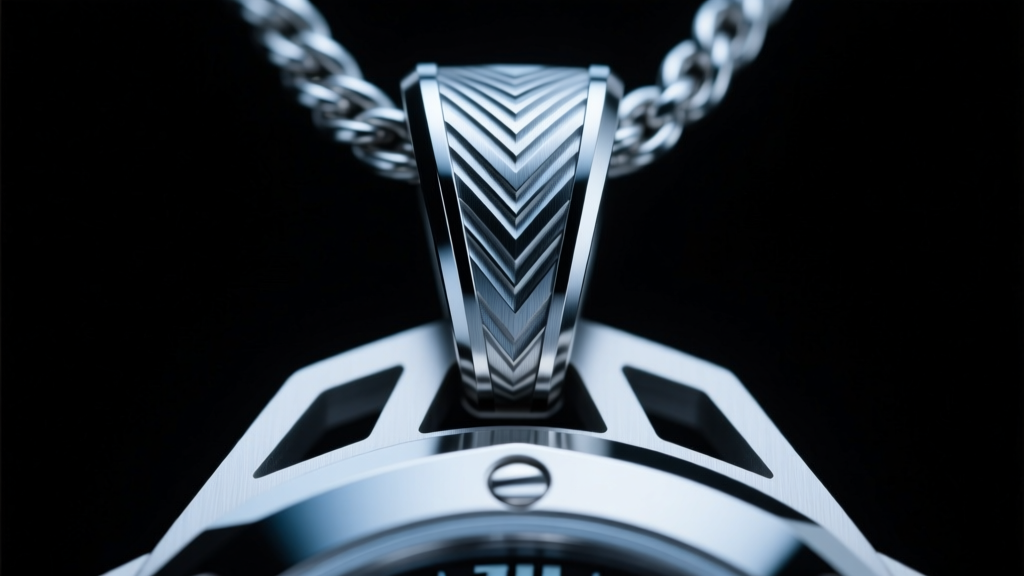
When sharp, aggressive horn tips are required, titanium is the superior choice. While Grade 2 (pure) titanium is too soft for sharp points and will bend if snagged on clothing, Grade 5 (Ti-6Al-4V) is an aerospace-grade alloy that offers exceptional tensile strength. It is entirely hypoallergenic and immune to the corrosive effects of human sweat. The drawback? Titanium is notoriously difficult to cast using traditional lost-wax methods due to its high melting point and reactivity with oxygen. Therefore, titanium devil pendants are usually CNC-milled or die-struck, resulting in cleaner, sharper, but slightly less organic or ornate designs compared to cast silver. For a sleek, cyber-goth or modern minimalist devil necklace, titanium is unmatched.
White Bronze: The Fast Fashion Trap
Often marketed as "platinum-tone" or "silver-tone" in mall-goth and fast-fashion alt brands, white bronze (also known as jeweler's bronze) is an alloy of copper, zinc, and tin. It casts beautifully, capturing microscopic details in demon faces and horn textures at a fraction of the cost of silver. However, it has a critical failure mode: copper migration. When exposed to the acidic pH of human sweat, the copper in the alloy breaks down, leaving a stubborn green or black residue on the wearer's skin and causing the pendant to develop a porous, pitted surface over time. If you purchase a white bronze pendant, it must be heavily rhodium-plated or sealed with a jewelry-grade nano-ceramic coating to be viable for daily wear.
Chain Pairings and the Threat of Galvanic Corrosion
A common mistake when styling a necklace devil pendant is mixing incompatible metals between the pendant and the chain. If you pair a sterling silver demon pendant with a stainless steel or base-metal chain, you risk galvanic corrosion. When two dissimilar metals are in constant contact and exposed to an electrolyte (like sweat or high humidity), an electrochemical reaction occurs. The more anodic metal (usually the silver or copper alloy) will corrode rapidly at the point of contact, literally eating away the bail loop until the pendant falls off. Always match your chain metallurgy to your pendant, or use an inert barrier, such as a small silicone o-ring or a jump ring made of niobium, to separate the metals.
Maintenance and Patina Control for Dark Aesthetics
Maintaining the brooding aesthetic of a devil horn necklace requires specific care routines that differ from traditional fine jewelry. You want to preserve the darkness in the recesses while keeping the high points reflective.
- Avoid Ultrasonic Cleaners on Antiqued Silver: The high-frequency vibrations and harsh chemical baths used in ultrasonic cleaners will strip the intentional black oxidation right out of the horn crevices, leaving the piece looking flat and washed out.
- Use a Polishing Cloth, Not Liquid Dips: Liquid silver dips are highly abrasive and will remove patina. Instead, wrap a treated jeweler's polishing cloth around your index finger and gently run it only over the raised edges and tips of the horns.
- Seal Base Metals: If you own a detailed pewter or white bronze piece, apply a micro-thin layer of Renaissance Wax or a dedicated jewelry sealant. This creates a breathable barrier that prevents skin acids from triggering copper migration, keeping both your skin and the pendant's detail intact.
Final Verdict: Choosing Your Metal
The ideal material for your necklace devil pendant depends entirely on your design preference and wear habits. For collectors of highly ornate, traditional gothic pieces with deep scales and organic curves, 925 Sterling Silver is mandatory for its casting fidelity and antiquing potential. For those who prefer sharp, dangerous-looking, minimalist horns that will never tarnish or irritate sensitive skin, Grade 5 Titanium is the ultimate investment. Avoid unsealed white bronze and soft pewters if you intend to wear the piece daily, as the structural degradation and skin reactions will quickly ruin the aesthetic. By understanding the metallurgy behind the motif, you ensure your dark aesthetic jewelry survives the test of time.


