The Perfect Necklace for Little Black Dress: 2026 Trends
Discover the ultimate 2026 style guide to choosing the perfect necklace for little black dress outfits, covering necklines, gauges, and materials.

The Evolution of the LBD Accessory in 2026
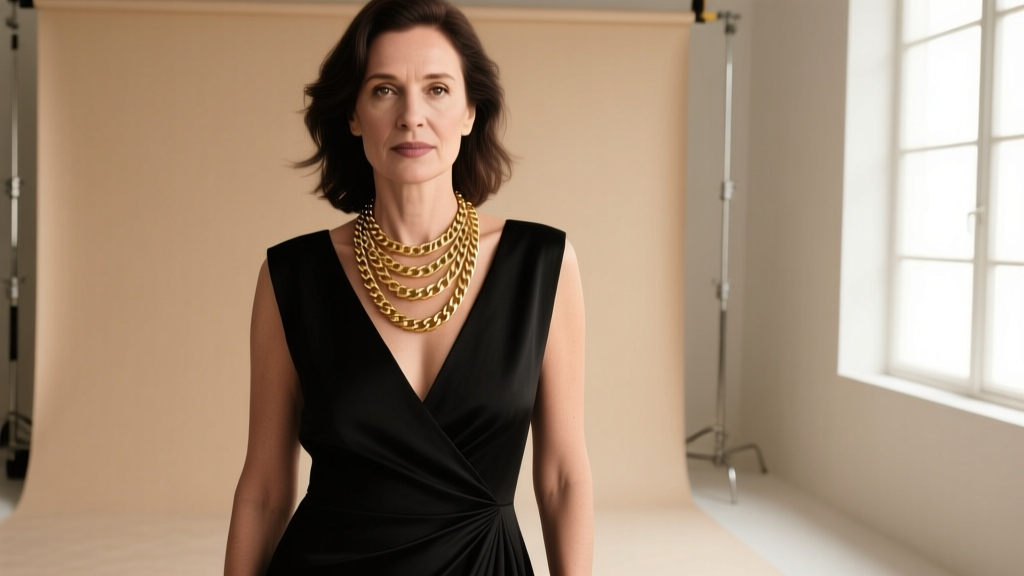
Since Coco Chanel introduced the concept in 1926, the little black dress (LBD) has remained the undisputed anchor of a woman's wardrobe. However, as we navigate the fashion landscape of 2026, the approach to accessorizing this iconic garment has shifted dramatically. The era of haphazardly throwing on a generic strand of pearls is over. Today, selecting the right necklace for little black dress ensembles requires a strategic understanding of neckline architecture, metal alloys, and chain weaves. According to trend forecasts highlighted by Vogue, the 2026 aesthetic leans heavily into "curated structuralism"—a blend of hyper-specific chain gauges, mixed-metal hardware, and sculptural pendants that interact with the negative space of the dress rather than simply resting on top of it.
Whether you are styling a vintage-inspired halter or a modern asymmetrical slip dress, the metal you choose acts as a spotlight. The high contrast between dark fabrics and reflective metals means that every imperfection, clasp, and chain link is magnified. This guide breaks down the exact specifications, material grades, and styling frameworks you need to master the LBD accessory game this year.
Neckline Architecture: Pairing Chains and Pendants
The most common mistake in LBD styling is ignoring the geometric lines of the dress. The neckline dictates the permissible length and pendant drop of your jewelry.
The Sweetheart and Scoop Neckline
These necklines feature a pronounced curve that mimics the collarbone. To complement this, you need necklaces that follow or gently contrast the arc. A 14-inch to 15-inch choker is ideal here. Specifically, look for a 2.5mm to 3.0mm Figaro or box chain in 18k gold vermeil. Avoid long pendants that dip below the collarbone, as they will visually clash with the dress's upper hem. If you prefer a pendant, opt for a 16-inch princess length with a small, horizontal motif—such as a 10mm marquise-cut lab-grown diamond or a sleek enamel bar—that runs parallel to the neckline.
The Plunging V-Neck and Deep Cowl
The V-neck creates a vertical corridor of exposed skin, demanding a necklace that elongates the torso. The Y-necklace or lariat style is the undisputed champion for this silhouette. For 2026, the trend is moving toward liquid metal lariats featuring a 1.5mm snake chain that drops into a 22-inch matinee length, terminating in a weighted geometric tassel or a single 1.00ct GIA-certified lab-grown diamond solitaire. The snake chain provides a fluid, fabric-like drape that mirrors the movement of a silk or satin cowl neck, while the vertical drop accentuates the V-shape without interrupting it.
The Boatneck and Halter: The Negative Space Rule
Boatnecks (bateau) and halters leave the collarbone entirely covered or framed by heavy fabric. In these scenarios, the traditional necklace is often rendered obsolete. The 2026 styling rule for these silhouettes is radical subtraction: skip the neck jewelry entirely and pivot to structural ear cuffs or shoulder-dusting drop earrings. If a necklace is absolutely mandatory for a boatneck, the only viable option is a 30-inch to 36-inch opera-length chain (preferably a 4.0mm hollow tube chain to reduce weight) worn long over the fabric, or doubled up to sit at the base of the throat.
2026 Material and Motif Forecast
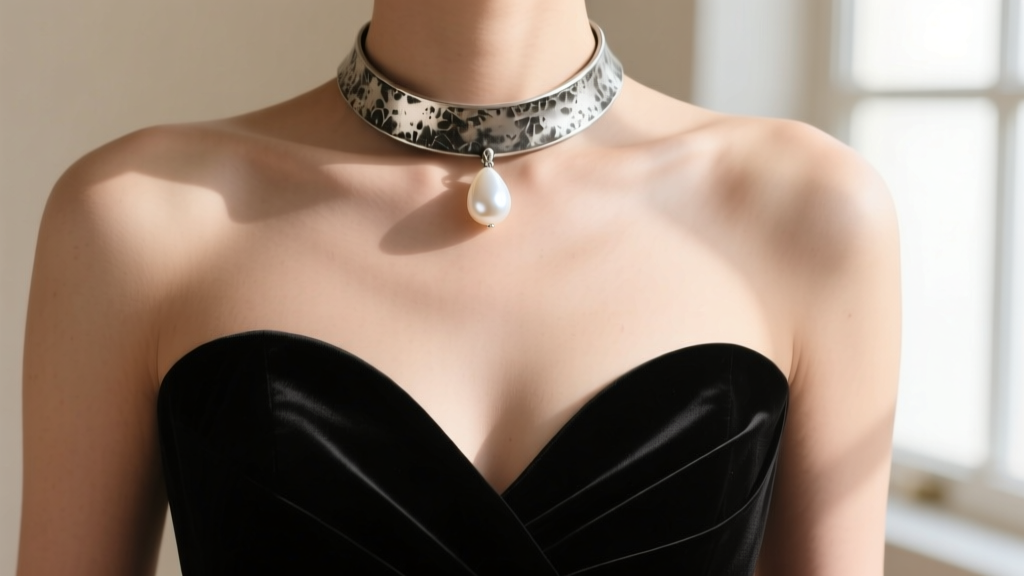
The contrast of black fabric acts as a high-definition canvas for metals and gemstones. This year, the focus is on material authenticity and sustainable luxury. The World Gold Council notes a massive surge in consumer demand for traceable, recycled precious metals, which has influenced jewelry designers to highlight raw, unpolished textures alongside high-shine finishes.
| 2026 Trend Motif | Material Specification | Estimated Price Range | Best LBD Neckline Pairing |
|---|---|---|---|
| Sculptural Bio-Resin | Recycled 14k gold hardware with plant-based opaque resin | $180 - $450 | Asymmetrical / One-Shoulder |
| Heritage Cameos | Oxidized 925 sterling silver with hand-carved agate | $250 - $800 | Sweetheart / High-Neck Victorian |
| Liquid Metal Lariats | 18k gold vermeil (min. 2.5 microns) over brass core | $120 - $350 | Plunging V-Neck / Deep Cowl |
| Industrial Curb Links | Solid 14k white gold, 5.0mm width, diamond-cut facets | $900 - $2,500+ | Slip Dress / Spaghetti Strap |
Layering the LBD: Rules of Proportion and Gauge
Layering necklaces over a black dress is a high-wire act. Because the dark background eliminates visual noise, any tangling or mismatched proportions become immediately obvious. To achieve the coveted "effortless" layered look in 2026, you must adhere to the Rule of Three and the Gauge Gradient.
The Gauge Gradient Rule: Never layer chains of the exact same thickness. Your shortest chain (14-15 inches) should be the thinnest (1.0mm - 1.5mm cable or bead chain). Your middle chain (16-18 inches) should be medium weight (2.0mm - 2.5mm box or rope chain). Your longest chain (20-22 inches) must be the heaviest (3.5mm+ curb or Figaro), often anchoring a substantial pendant. This gradient prevents the chains from tangling and creates a deliberate, cascading visual weight.
Furthermore, hardware consistency is non-negotiable. If your shortest chain features a lobster clasp in yellow gold, all subsequent chains and jump rings must match that exact alloy and clasp type. Mixing spring-ring clasps with lobster clasps, or blending 14k and 18k gold tones across the same layering stack, creates a disjointed aesthetic that clashes with the sleekness of an LBD.
Styling Framework: Occasion-Based Selection
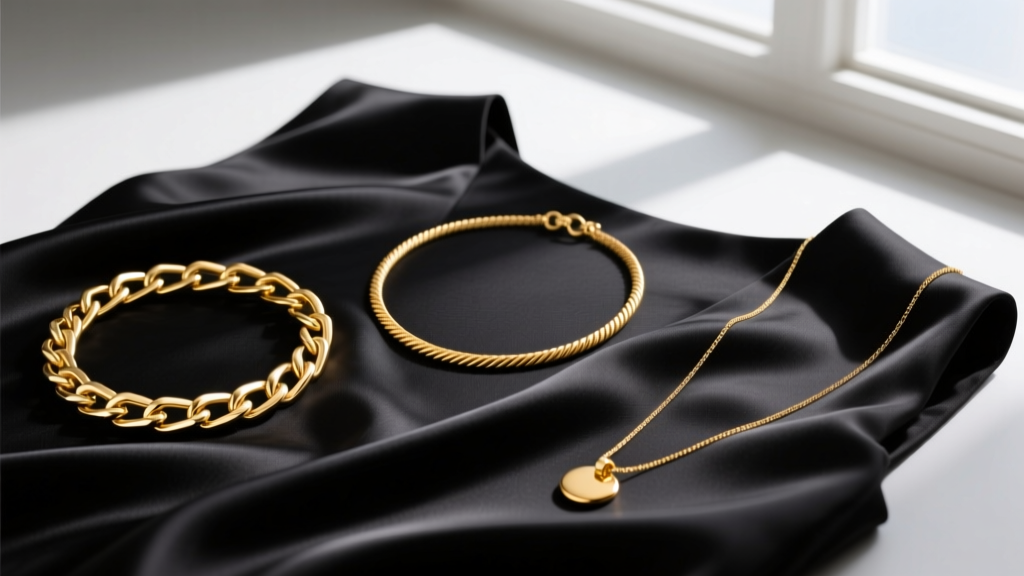
An LBD transitions from the boardroom to the gala, but your jewelry must adapt accordingly. Use this framework to select the precise chain length and pendant weight for your specific engagement.
- Corporate / Daytime Meetings: Opt for an 18-inch princess length chain in a 1.5mm box weave. Choose a subtle, bezel-set pendant (e.g., a 4mm sapphire or onyx). The bezel setting prevents the prongs from catching on delicate blazers or scarves, while the 18-inch drop rests perfectly above standard crew-neck or modest V-neck office dresses.
- Cocktail Hour / Gallery Openings: Embrace the 2026 "mixed-metal" trend by pairing a 16-inch oxidized silver choker with a 20-inch 14k yellow gold lariat. The dark silver blends seamlessly into the black fabric, creating an illusion of floating gold elements against the skin. This is ideal for strapless or off-the-shoulder cocktail dresses.
- Black-Tie Galas / Formal Dinners: Elevate the look with a 32-inch opera-length strand of 7.0-8.0mm Akoya pearls, or a solid platinum snake chain featuring a 2.5ct emerald-cut pendant. Formal events demand substantial carat weight and high-luster metals that catch ambient, low-light chandelier illumination. Avoid matte finishes here; high-polish is mandatory.
Final Thoughts on Timeless vs. Trend-Driven Choices
Investing in jewelry to accompany your little black dress is ultimately an exercise in balancing timeless metallurgy with contemporary silhouette trends. While the 2026 focus on sculptural resins and oxidized heritage cameos offers exciting avenues for self-expression, the foundation of your jewelry box should remain anchored in high-quality, versatile chains. Always verify the micron thickness of gold vermeil pieces (insist on at least 2.5 microns to prevent premature wear against the skin) and prioritize sturdy clasp mechanisms like the lobster or box clasp over fragile spring rings. By treating the negative space of your dress as a deliberate canvas, you transform a simple garment into a masterclass of personal style.


