How to Clean a Necklace Birthstone: Ultimate Care Guide
Learn how to safely clean and maintain your necklace birthstone. Expert tips on ultrasonic risks, Mohs hardness, and daily care for every gem.

Why Birthstone Necklaces Require Specialized Care
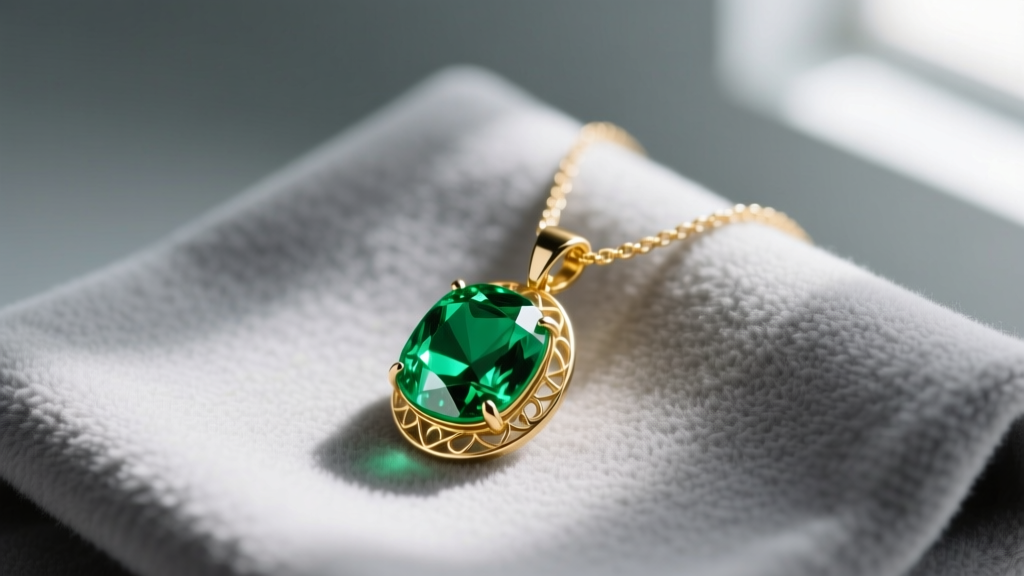
A necklace birthstone pendant is more than just an accessory; it is a deeply personal talisman that connects the wearer to their identity, birth month, and astrological heritage. However, treating every gemstone with a universal cleaning approach is a fast track to irreversible damage. The fundamental rule of gemological maintenance is that hardness, toughness, and stability are three entirely different metrics. While a diamond ranks at a 10 on the Mohs scale of mineral hardness, making it highly resistant to scratching, a tanzanite or an opal requires entirely different handling due to their lower hardness and unique structural vulnerabilities.
Furthermore, the metal setting and the chain itself dictate the cleaning parameters. Ultrasonic cleaners, while highly effective for removing sebum and lotion buildup from diamond pavé settings, can literally shatter an opal or melt the cedar oil used to fracture-fill an emerald. According to the GIA Gem Care and Cleaning Guide, understanding the specific mineral composition and common treatments of your stone is the mandatory first step before introducing any liquids or mechanical vibrations to your jewelry.
The Birthstone Cleaning and Safety Matrix
To provide actionable, specific guidance, we have mapped the twelve traditional birthstones against their Mohs hardness, structural stability, and safety profiles for modern cleaning devices. Use this matrix to determine the baseline safety of your specific necklace birthstone.
| Month | Gemstone | Mohs Hardness | Ultrasonic Safe? | Steam Safe? | Recommended Cleaning Method |
|---|---|---|---|---|---|
| January | Garnet | 6.5 - 7.5 | Usually Yes | Yes | Warm soapy water, soft brush |
| February | Amethyst | 7.0 | Yes | Yes | Warm soapy water, avoid prolonged heat |
| March | Aquamarine | 7.5 - 8.0 | Yes | Yes | Warm soapy water, ultrasonic with caution |
| April | Diamond | 10.0 | Yes | Yes | Ultrasonic, steam, or ammonia-based solutions |
| May | Emerald | 7.5 - 8.0 | NO | NO | Damp microfiber cloth only; avoid soaking |
| June | Pearl / Alexandrite | 2.5 / 8.5 | NO | NO | Pearl: Damp cloth. Alexandrite: Soapy water |
| July | Ruby | 9.0 | Usually Yes | Yes | Warm soapy water; check for fracture filling |
| August | Peridot | 6.5 - 7.0 | NO | NO | Warm soapy water, soft brush, no harsh acids |
| September | Sapphire | 9.0 | Yes | Yes | Warm soapy water, ultrasonic safe |
| October | Opal / Tourmaline | 6.0 / 7.5 | NO | NO | Opal: Damp cloth only. Tourmaline: Soapy water |
| November | Topaz / Citrine | 8.0 / 7.0 | Yes (Topaz) | Yes | Warm soapy water; avoid sudden temp changes |
| December | Tanzanite / Turquoise | 6.5 / 6.0 | NO | NO | Lukewarm soapy water; Turquoise: dry cloth only |
Step-by-Step Wet Cleaning Protocol
For the vast majority of hard, non-porous gems (like sapphires, rubies, and amethysts), a manual wet cleaning is the safest and most effective way to restore brilliance without risking the structural integrity of the setting. Hard water leaves mineral deposits that can cloud a faceted stone, which is why distilled water is the professional standard for the final rinse.
The Safe Soak Method
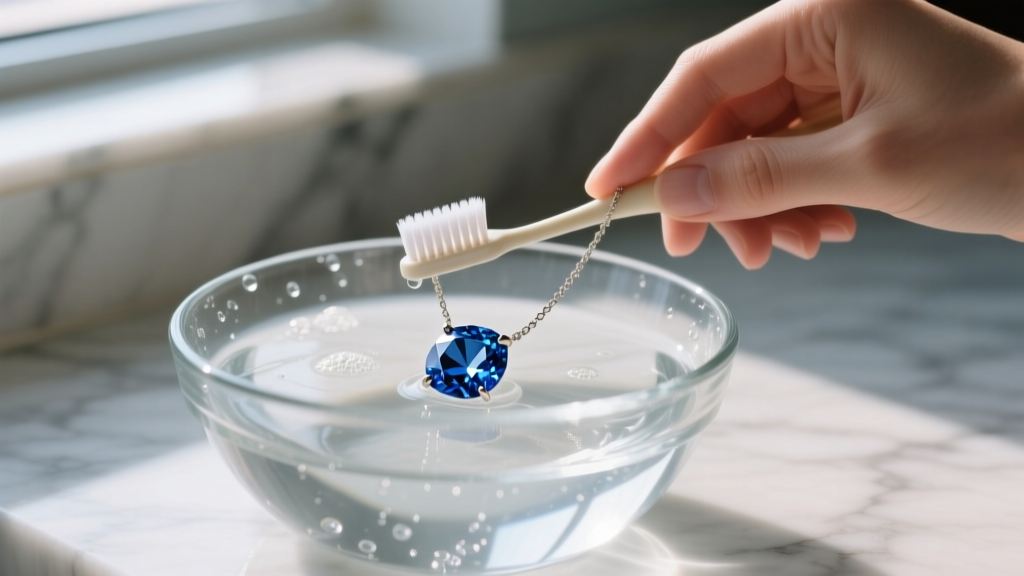
- Preparation: Fill a small glass bowl with lukewarm distilled water. Add exactly one drop of pH-neutral, dye-free dish soap (such as original Dawn). Avoid soaps with heavy moisturizers or citrus degreasers, which can leave a film or react with certain metal alloys.
- The Soak: Submerge your necklace birthstone pendant for 5 to 10 minutes. This allows the surfactants in the soap to break down the hydrophobic sebum and cosmetic oils trapped beneath the pavilion (the bottom facets of the stone).
- Mechanical Agitation: Using an extra-soft baby toothbrush, gently sweep the bristles across the back of the stone and the prongs. Never scrub the face of softer stones like tanzanite or peridot, as accumulated dust often contains quartz particles (Mohs 7) which can scratch them.
- The Rinse: Rinse the necklace under a gentle stream of distilled water. Ensure the drain is securely plugged or use a mesh strainer in the sink basin to prevent catastrophic loss.
- Drying: Pat dry with a lint-free microfiber cloth. Avoid paper towels, as the wood pulp fibers can cause micro-scratches on highly polished metal settings and softer gems.
Handling High-Risk Porous and Treated Gems
Organic and heavily included gemstones require a paradigm shift in maintenance. The GIA Emerald Care Guide explicitly warns against ultrasonic cleaners because nearly all commercial emeralds are treated with oils or resins to mask surface-reaching fractures. The high-frequency vibrations and heat of an ultrasonic bath will force this filler out of the stone, leaving it looking heavily included, cloudy, and structurally compromised.
Similarly, pearls and turquoise are highly porous. Pearls are composed of calcium carbonate and conchiolin, making them highly susceptible to acidic environments. Even the natural pH of human sweat can slowly dissolve the nacre over time, leading to a loss of luster. According to the GIA Pearl Care Guide, pearls should only be wiped with a damp, soft cloth after wearing and never submerged in water, which can weaken the silk thread used in traditional knotted necklaces. Turquoise is equally vulnerable; it is a hydrous phosphate of copper and aluminum that will absorb oils, lotions, and even colored liquids, permanently altering its matrix and causing it to turn a murky green.
Metal Chain, Clasp, and Prong Maintenance
A necklace is only as secure as its weakest mechanical link. While much focus is placed on the birthstone itself, the metal chain and setting require rigorous inspection. Sterling silver (925) is prone to sulfide tarnishing, which presents as a black film. This can be safely removed using a specialized silver polishing cloth impregnated with micro-abrasives, but you must carefully avoid rubbing the cloth directly over porous stones like turquoise or opals.
Clasp and Spring Mechanism Care
Lobster clasps and spring rings contain microscopic internal springs. Over time, hand lotions, dead skin cells, and soap scum accumulate in the crevices of the clasp, causing the lever to stick or fail to close completely. Use a wooden toothpick or a dry, stiff-bristled detailing brush to carefully clear the debris from the clasp hinge. Never apply oil or WD-40 to a jewelry clasp, as this will attract more dirt and degrade the metal alloy over time.
Prong Wear and Tear
If your necklace birthstone is held in a 4-prong or 6-prong setting, the metal prongs will naturally wear down from friction against clothing. 14k gold is inherently harder and more durable than 18k gold or platinum, making it an excellent choice for prongs holding softer, fragile stones. Have a professional jeweler inspect the prong tips every 12 months using a 10x loupe to ensure they are still securely gripping the girdle of the stone.
Storage and Environmental Hazards
Improper storage is responsible for the majority of scratched and damaged birthstone pendants. When a necklace is tossed into a communal jewelry box, the diamond or sapphire from one piece will easily scratch the silver chain or softer gemstone of another.
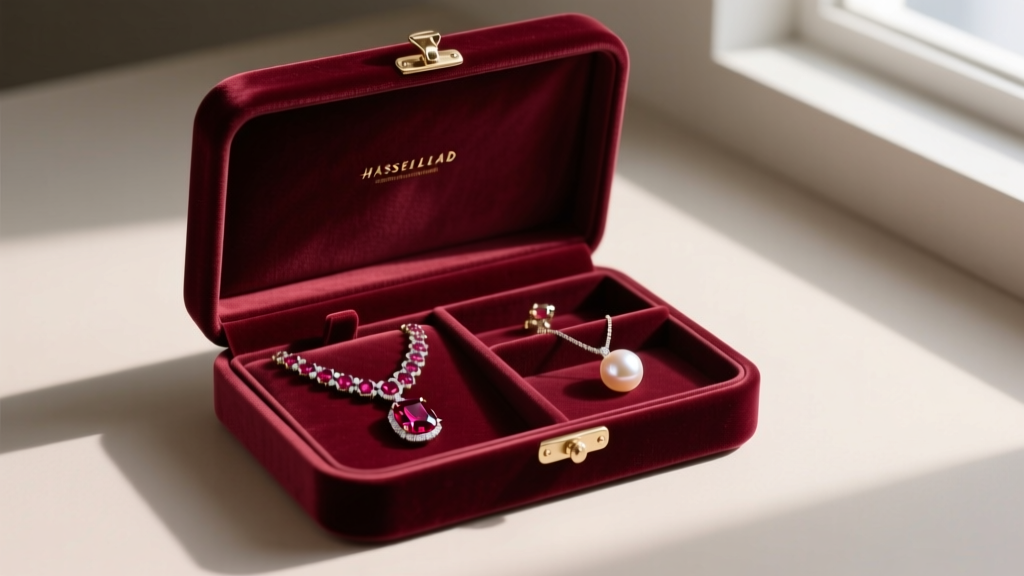
The Golden Rule of Jewelry Storage: Always store your necklace birthstone in an individual soft pouch or a separate, fabric-lined compartment. Ensure the clasp is fastened before storage to prevent the chain from tangling into microscopic knots, which can weaken the individual links and cause the chain to snap under tension.
Environmental hazards extend beyond physical impacts. Prolonged exposure to direct ultraviolet sunlight can cause certain gemstones, notably amethyst, kunzite, and treated topaz, to fade or alter their color permanently. Furthermore, chlorine in swimming pools and hot tubs is highly corrosive to gold alloys. Chlorine attacks the copper and zinc molecules within 14k and 18k gold, leading to a phenomenon known as stress corrosion cracking, which can cause the prongs holding your birthstone to snap without warning. Always remove your necklace before swimming, cleaning with household bleach, or applying aerosol hairsprays and perfumes.
When to Seek Professional Jeweler Services
While routine home maintenance is sufficient for removing daily oils and dust, certain scenarios demand professional intervention. If your necklace birthstone features a bezel setting that has become dented, or if a prong is visibly lifted away from the stone's crown, stop wearing the piece immediately. A professional jeweler can perform a 're-tipping' service, adding a microscopic bead of matching metal to the worn prong using a laser welder, which is safe even for heat-sensitive stones like emeralds and opals. Additionally, if your chain has developed a severe kink or if a porous stone requires deep cleaning beyond the capabilities of a damp cloth, a certified gemologist has the specialized tools and chemical knowledge to restore the piece without risking its structural integrity.


