Free Willy Necklace Trend: 2026 Marine-Core Style Guide
Discover how the Free Willy necklace evolved from 90s movie merch to a 2026 marine-core staple. Explore styling, materials, and vintage sourcing tips.

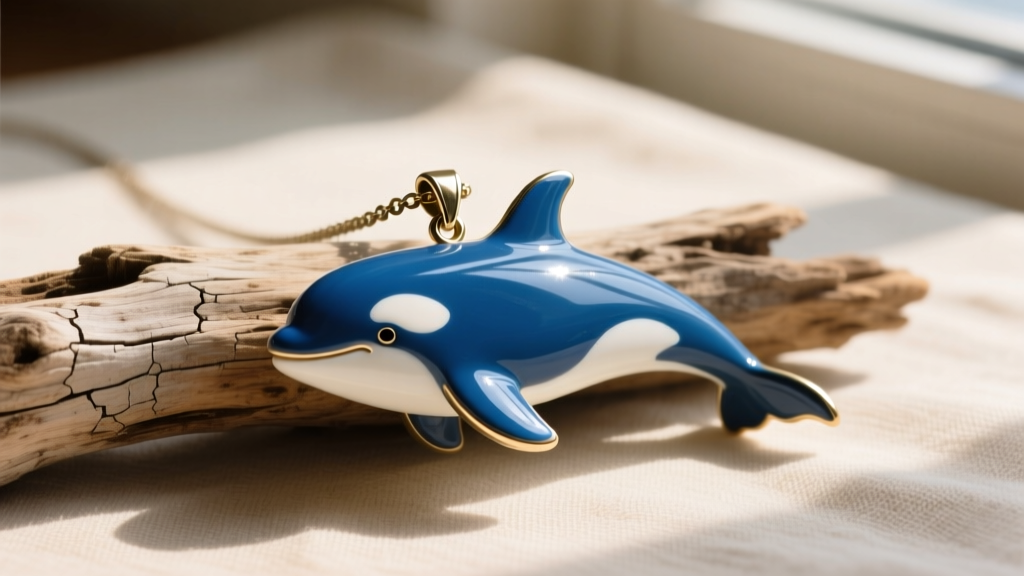
The cultural footprint of the 1993 cinematic masterpiece Free Willy extends far beyond its iconic soundtrack and emotional climax. For jewelry enthusiasts and vintage fashion collectors, the free willy necklace—specifically the killer whale pendants released as promotional merchandise and high-end homages—has become a highly sought-after artifact of 90s pop culture. Originally crafted as affordable movie memorabilia, these orca pendants have recently experienced a massive renaissance, driven by the intersection of Y2K nostalgia and the sophisticated 'marine-core' aesthetic dominating 2026 fashion runways.
Today, the free willy necklace is no longer just a piece of childhood nostalgia; it is a legitimate styling anchor for coastal, oceanic, and vintage-inspired wardrobes. In this comprehensive style and trend analysis, we break down the metallurgy of vintage 90s pendants, explore how to authenticate original Warner Bros. merchandise, and provide actionable frameworks for layering these iconic orca pendants in 2026.
The Resurgence of the Free Willy Necklace in 2026
The trajectory of the free willy necklace from gift-shop trinket to high-fashion staple mirrors the broader industry's obsession with 90s cinematic nostalgia. According to Vogue's ongoing trend analysis, the transition from the 'coastal grandmother' aesthetic of the early 2020s has matured into 'marine-core'—a style that embraces nautical elements, oceanic color palettes, and marine life motifs with a refined, minimalist edge. The orca, symbolizing intelligence, freedom, and the wild ocean, perfectly encapsulates this vibe.
In 2026, designers and independent artisans are reimagining the classic killer whale silhouette. While the original 1993 pendants were mass-produced, today's market offers a bifurcated landscape: hyper-collectible vintage originals and luxurious, ethically sourced modern interpretations. The modern buyer is also heavily influenced by eco-consciousness, often seeking out brands that align with marine conservation efforts, turning a simple fashion accessory into a statement of environmental advocacy.
Anatomy of the Classic Orca Pendant: Materials and Metallurgy
To truly appreciate the free willy necklace, one must understand the materials used in its various iterations. The manufacturing techniques differ wildly between the original 1993 movie merchandise, the fast-fashion knockoffs of the 2010s, and the artisan pieces of today.
| Era / Type | Primary Material | Enamel / Finish | Weight & Dimensions | Market Value (2026) |
|---|---|---|---|---|
| 1993 Original Merch | Zamak (Zinc Alloy) | Cold-painted epoxy resin | ~12g, 1.75 inches | $45 - $120 |
| 2010s Fast Fashion | Brass with thin plating | Hard enamel (cloisonné) | ~6g, 1.2 inches | $10 - $25 |
| 2026 Artisan Marine-Core | 925 Sterling Silver | Vitreous enamel or Onyx inlay | ~18g, 1.5 inches | $150 - $350 |
The Zamak Factor in Vintage Pieces
The original 1993 free willy necklace pendants were predominantly cast in Zamak, an alloy of zinc, aluminum, magnesium, and copper. While Zamak allows for highly detailed, inexpensive casting, it is susceptible to 'zinc pest'—a destructive oxidation process that occurs if the alloy's impurity levels are too high or if the protective clear coat is compromised. When sourcing vintage pieces, collectors must inspect the belly and tail of the orca for any white, powdery corrosion or micro-fractures in the metal.
How to Style the Free Willy Necklace Today
Styling a statement piece like an orca pendant requires a strategic approach to layering and proportion. The goal in 2026 is to avoid looking like you are wearing a costume, instead integrating the pendant into a sophisticated, layered jewelry stack.
The Marine-Core Layering Framework
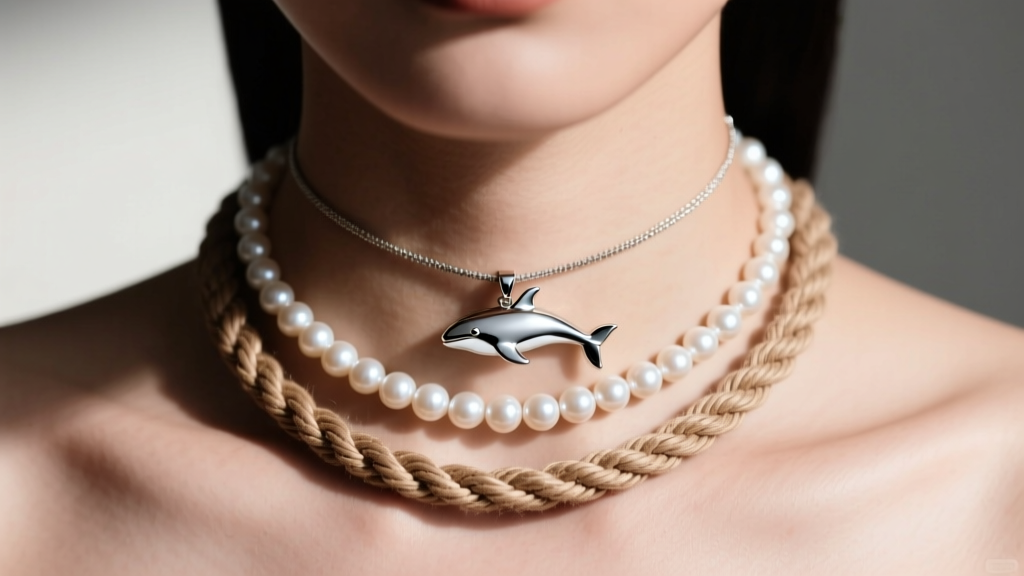
The most effective way to wear a free willy necklace is by utilizing the 'Rule of Three' for oceanic jewelry stacking. This involves combining three distinct textures and lengths to create depth without overwhelming the neckline.
- Layer 1 (14-16 inches): A delicate freshwater pearl choker or a thin 1.2mm sterling silver cable chain. This provides a luminous backdrop that mimics sea foam.
- Layer 2 (18-20 inches): Your primary free willy necklace. A 2mm wheat chain or a woven black surf cord elevates the pendant, placing it squarely in the visual center of the chest.
- Layer 3 (22-24 inches): A longer, minimalist pendant, such as a raw sea glass teardrop or a simple silver compass, to draw the eye downward and elongate the torso.
Neckline Pairings
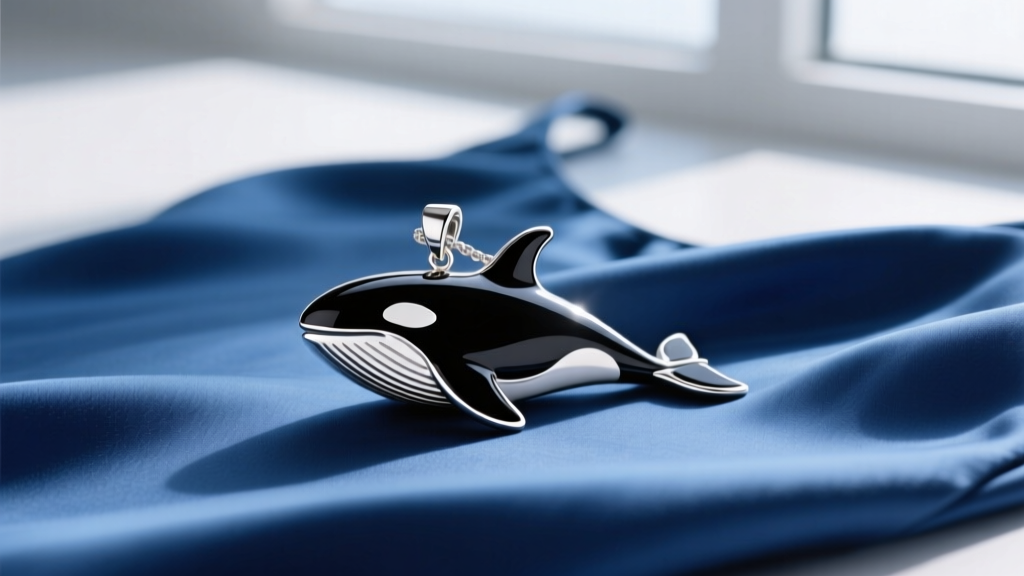
The silhouette of the killer whale is horizontally dominant, meaning it pairs best with necklines that offer a wide canvas. Deep scoop necks, wide boat necks, and the ubiquitous 90s-style silk slip dresses are ideal. Avoid high collars or intricate ruffled blouses, as the detailed enamel work on the orca's saddle patch and eye will get lost in the fabric's visual noise.
Sourcing: Vintage Originals vs. Modern Homages
For collectors and trendsetters alike, acquiring the perfect free willy necklace requires knowing where to look and how to authenticate. The secondary market for 90s cinema memorabilia has surged, and provenance is key.
Authenticating the 1993 Originals
When browsing vintage marketplaces like Etsy, Depop, or specialized eBay sellers, look for the definitive hallmarks of the original Warner Bros. licensed merchandise. Authentic 1993 pendants typically feature a stamped copyright mark on the flat bail (the loop where the chain attaches) reading '© 1993 WB'. Furthermore, the original black cord necklaces often featured a distinct plastic injection-molded barrel clasp with the Warner Bros. shield logo. If the pendant feels exceptionally light (under 8 grams) or lacks the slight seam line typical of early 90s Zamak casting molds, it is likely a later reproduction.
Investing in Modern Artisan Pieces
If vintage hunting isn't your preference, the 2026 market is rich with independent jewelers crafting high-end orca pendants. When purchasing modern homages, prioritize brands that utilize vitreous enamel. Unlike the cold-painted epoxy of the 90s, vitreous enamel is fired at over 1,400°F, fusing the glass to the sterling silver base. This ensures the black and white contrast of the killer whale will never yellow, chip, or fade over time. Furthermore, seek out brands that partner with organizations like Oceana or the Whale and Dolphin Conservation, ensuring your fashion purchase actively contributes to the protection of real-world orcas.
Caring for Enamel and Mixed-Metal Pendants
Maintaining the pristine condition of your free willy necklace requires specific care protocols, especially regarding the enamel detailing. According to guidelines from the Gemological Institute of America (GIA), enamel is essentially glass and is highly susceptible to thermal shock and impact.
- Avoid Ultrasonic Cleaners: Never place an enameled orca pendant in an ultrasonic jewelry cleaner. The high-frequency vibrations can cause micro-fractures in the enamel, leading to catastrophic flaking.
- Gentle Polishing: For sterling silver bases, use a soft, untreated microfiber cloth to buff the metal. Avoid silver dip solutions, as the harsh chemicals can strip the vitreous enamel's glossy finish and degrade vintage epoxy resins.
- Storage: Store the necklace flat in a climate-controlled environment. Hanging heavy Zamak pendants on flimsy wire racks can stress the bail, while extreme humidity can accelerate the oxidation of unsealed vintage base metals.
Ultimately, the free willy necklace represents a unique intersection of cinematic history, material science, and modern eco-conscious styling. Whether you are meticulously hunting for an original 1993 Zamak casting or investing in a bespoke 2026 vitreous enamel piece, the orca pendant remains a powerful, oceanic talisman that continues to make waves in the contemporary jewelry landscape.


