The Ultimate Blood Vile Necklace Buying Guide & Safety Tips
Discover what to look for in a blood vile necklace. Learn about borosilicate glass, secure O-ring seals, chain gauges, and bio-safe filling protocols.

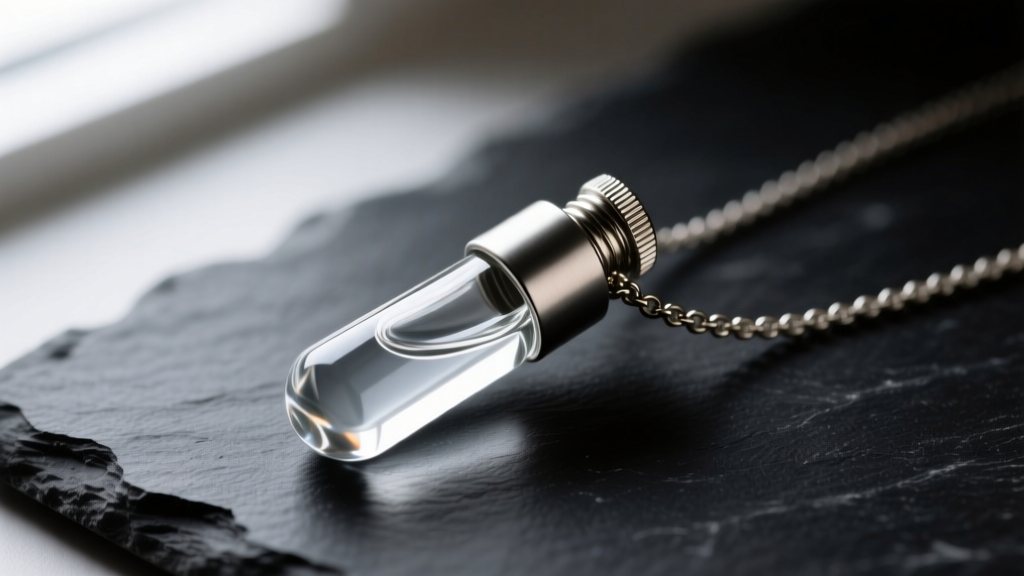
Introduction to DNA and Relic Jewelry
The trend of carrying a piece of a loved one, a beloved pet, or even oneself has evolved far beyond traditional lockets. Today, bio-relic jewelry offers a deeply intimate way to keep a physical connection close to your heart. Often searched online as a blood vile necklace (a common misspelling of vial), these specialized pendants are designed to safely house organic materials. However, purchasing a vessel meant to contain biological matter requires a much higher standard of scrutiny than buying a standard gemstone pendant. From material porosity to biohazard safety, the stakes are significantly higher.
This comprehensive buying guide will walk you through the exact specifications, material grades, and safety protocols you need to evaluate before purchasing a blood vial necklace in 2026. Whether you are looking for a sleek stainless steel canister or a classic glass ampoule, understanding the engineering behind these pieces is critical for long-term wear and preservation.
Decoding the Materials: Glass vs. Metal Canisters
The primary chamber of the necklace must be completely non-porous and chemically inert. Blood is rich in iron, salt, and moisture, making it highly corrosive to improper metals and prone to degrading low-quality plastics. You will generally encounter two main types of vial chambers: glass and surgical steel.
Borosilicate vs. Soda-Lime Glass
If you opt for a glass pendant, it must be crafted from borosilicate glass (commonly known by the brand name Pyrex). Borosilicate glass has a very low coefficient of thermal expansion (approximately 3.3 × 10⁻⁶ /K), meaning it will not crack if exposed to sudden temperature changes, such as stepping out of a hot shower into cold winter air. Soda-lime glass, which is cheaper and commonly used in cheap decorative bottles, is highly susceptible to thermal shock and micro-fractures that can harbor bacteria.
Metal Canister Grades
For metal vials, the interior chamber must be machined from 316L surgical stainless steel or Grade 5 Titanium (Ti-6Al-4V). The "L" in 316L stands for low carbon, which, combined with molybdenum, provides superior resistance to the corrosive properties of salt and iron found in blood. Avoid anything labeled simply as "stainless steel" or "alloy," as these often contain nickel and zinc that will oxidize and turn the contents black or green over time.
| Material | Pros | Cons | Best For |
|---|---|---|---|
| Borosilicate Glass | Inert, UV resistant, visually striking | Fragile if dropped on hard surfaces | Visible liquid or dried crystal relics |
| 316L Surgical Steel | Highly durable, shatterproof, modern look | Opaque (cannot see contents), heavier | Active lifestyles, daily rugged wear |
| Grade 5 Titanium | Lightweight, hypoallergenic, corrosion-proof | Expensive, harder to machine threads | Sensitive skin, premium heirloom pieces |
The Anatomy of a Secure Seal
The most critical failure point of any blood vial necklace is the cap seal. A compromised seal will lead to leakage, oxidation, and the eventual decomposition of the organic matter inside. You must look for specific sealing mechanisms when evaluating a piece.
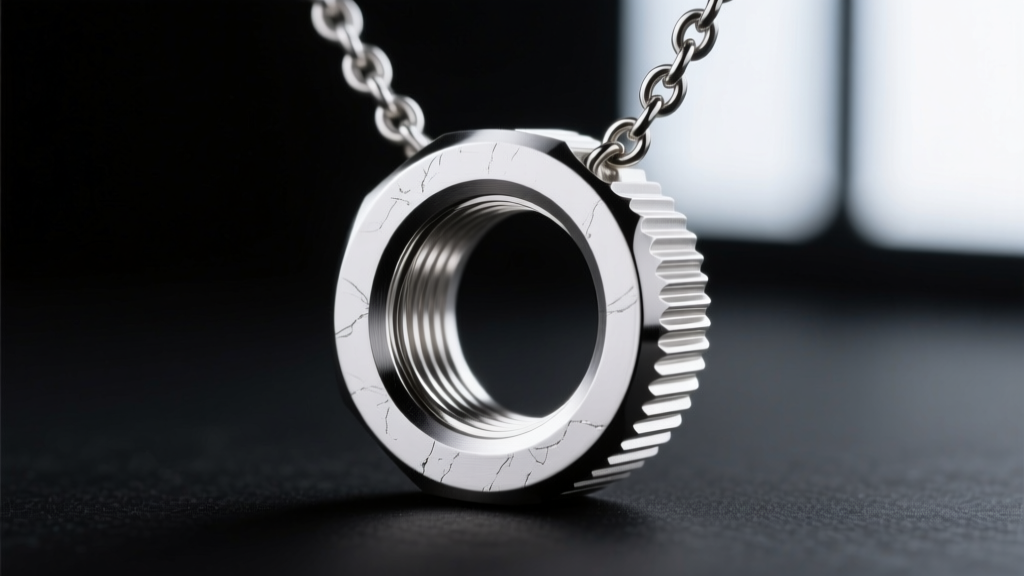
Thread Pitch and O-Ring Composition
High-quality metal vials utilize precision-machined threads, typically an M8 x 1.0mm pitch, ensuring a tight, even closure. However, metal-on-metal threading is not entirely waterproof. A secondary seal is mandatory. Look for pendants that feature an O-ring groove in the cap.
The material of the O-ring is just as important as the metal. Nitrile rubber O-rings are the gold standard for bio-relic jewelry. Nitrile is highly resistant to oils, salts, and biological degradation. Silicone O-rings, while common in cheap jewelry, are slightly porous and can degrade when exposed to the iron and amino acids in blood over several years. Cork stoppers are an absolute red flag; they are porous, harbor mold, and will rot when in contact with moisture.
Chain Selection: Supporting the Weight
A common mistake buyers make is pairing a heavy, liquid-filled glass vial with a delicate, mass-market chain. A standard 15x40mm borosilicate glass vial weighs approximately 12 grams empty, and up to 22 grams when filled with liquid and capped with a steel lid. This is significantly heavier than a standard gemstone pendant.
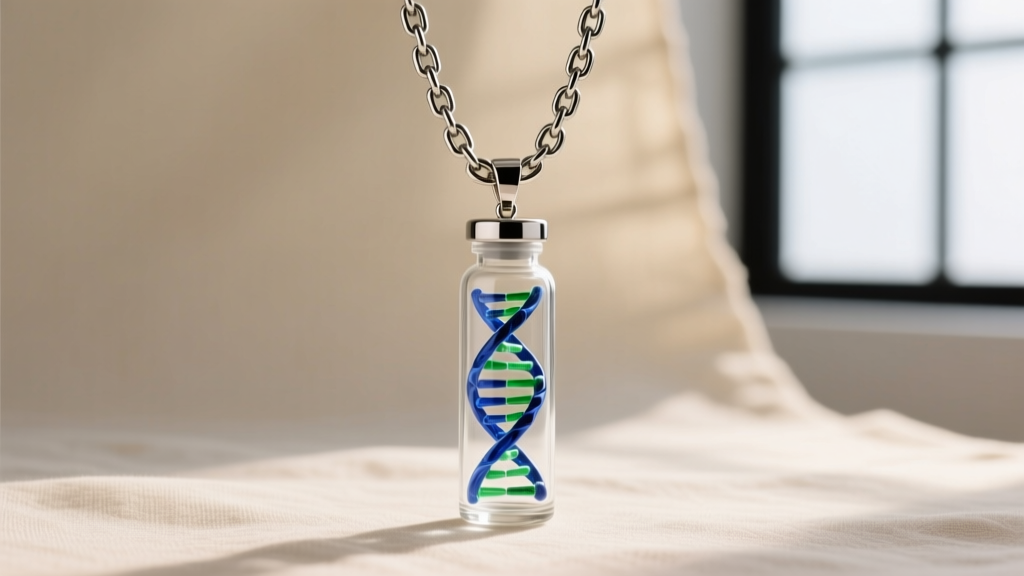
Gauge and Link Style Recommendations
To prevent the chain from snapping or the jump rings from pulling apart, you must select a chain with the appropriate gauge and link structure. Avoid anything thinner than 18-gauge (1.0mm). For optimal security, aim for a 16-gauge (1.2mm) to 14-gauge (1.6mm) chain.
- Curb Chains: Excellent for heavy pendants. The flattened, interlocking links distribute weight evenly and resist kinking.
- Cable Chains: A classic choice, but ensure the links are soldered (closed with a tiny weld) rather than just bent shut, which can pull apart under the pendulum swing of a heavy vial.
- Rope Chains: Beautiful and strong, but the intricate twists can trap skin oils and lotions, requiring more frequent cleaning.
Furthermore, always ensure the clasp is a lobster clasp rather than a spring-ring clasp. Spring rings are notorious for failing under the dynamic weight of heavy pendants, whereas lobster clasps feature a solid, spring-loaded locking mechanism that secures the chain to your neck reliably.
Safe Handling and Bio-Preservation Protocols
Filling a blood vial necklace is not as simple as pouring liquid into a bottle. Blood is a biohazard and an organic material that will rapidly decompose if not treated correctly. According to the CDC's Bloodborne Pathogens guidelines, handling blood requires strict adherence to safety and sanitation protocols to prevent the transmission of pathogens and ensure the biological material remains stable.
Step-by-Step Bio-Safe Filling Guide
- Preparation: Wear disposable nitrile gloves. Sterilize the interior of the glass vial and the metal cap with 99% isopropyl alcohol, then allow it to air dry completely. Do not use bleach, as it will react with the iron in the blood.
- Extraction: Use a sterile, single-use lancet and a 1ml sterile syringe with an 18G blunt-tip needle. Never use a standard sharp hypodermic needle for transfer, as it poses a severe puncture risk.
- Transfer: Carefully inject the blood into the vial, leaving at least 20% headspace at the top to allow room for the cap and O-ring to displace the air without forcing the liquid out.
- Sealing: Wipe the threads of the vial with alcohol. Apply a micro-drop of jewelry-safe, skin-contact epoxy (like G-S Hypo Cement) to the threads for a permanent seal, or use PTFE (Teflon) plumber's tape if you wish to keep the vial reopenable.
The Preservation Dilemma: Wet vs. Dry
One of the most vital pieces of E-E-A-T knowledge in bio-relic jewelry is understanding how blood behaves in a sealed, anaerobic environment. If you seal blood wet without chemical preservatives, it will undergo hypoxia, turning a dark, muddy black, and may eventually produce sulfur gases that can build pressure and crack a glass vial.
To preserve the vibrant crimson color, professional relic artists either mix the blood with an EDTA anticoagulant solution and a specialized bio-resin, or they allow the blood to dry completely into a dark, rust-colored crystal before sealing the vial. Drying the blood is the safest method for amateurs, as it eliminates the risk of anaerobic bacterial growth and foul odors. The WHO blood safety protocols emphasize that controlling moisture is key to stabilizing biological samples outside of clinical environments.
Expert Tip: If you choose to keep the blood in a liquid state, never use standard craft resin. The heat generated by the resin's exothermic curing process will literally cook the blood, turning it brown and destroying the cellular structure. Always use specialized, low-heat UV-curing bio-resins designed specifically for organic inclusions.
Maintenance and Long-Term Care
Once sealed, your blood vial necklace requires specific care to maintain its structural integrity and appearance. If you have chosen a glass vial, be aware that prolonged exposure to direct, harsh UV sunlight will not degrade the sealed blood, but it can cause certain low-quality glass tints to fade. Store the necklace in a soft, anti-tarnish pouch when not in use to prevent the metal cap from scratching the glass body.
Clean the exterior of the pendant using only a mild, phosphate-free dish soap and a microfiber cloth. Avoid ultrasonic jewelry cleaners, as the high-frequency vibrations can shatter borosilicate glass or compromise the adhesive seal on the O-ring. By respecting the material science and biological realities of relic jewelry, your blood vial necklace will remain a safe, beautiful, and deeply personal heirloom for decades to come.


