The Ultimate Guide to Choosing a Necklace Glasses Holder
Discover how to choose the perfect necklace glasses holder. Learn about materials, clasp types, weight limits, and styling tips for your eyewear.


The Renaissance of the Eyeglass Chain
Once relegated to the bottom of a drawer or associated exclusively with stereotypical "grandma" fashion, the necklace glasses holder has experienced a massive resurgence. Driven by the universal onset of presbyopia—which the American Optometric Association notes affects nearly everyone by their mid-40s—the need for reading glasses is inevitable. However, the modern solution is no longer just a functional afterthought; it is a deliberate style choice. Whether you are navigating a busy office, chasing toddlers, or simply tired of misplacing your readers on a coffee shop table, choosing the right eyeglass lanyard requires understanding material science, weight distribution, and clasp mechanics.
This beginner-friendly explainer will walk you through the exact specifications you need to look for, ensuring your eyewear stays secure and your outfit stays elevated.
Anatomy of a Necklace Glasses Holder
A high-quality glasses holder consists of two primary components: the attachment mechanism (grips) and the suspension material (the chain or cord). Understanding how these interact is the key to preventing dropped frames and scratched lenses.
The Attachment Mechanisms: Grips vs. Hooks vs. Magnets
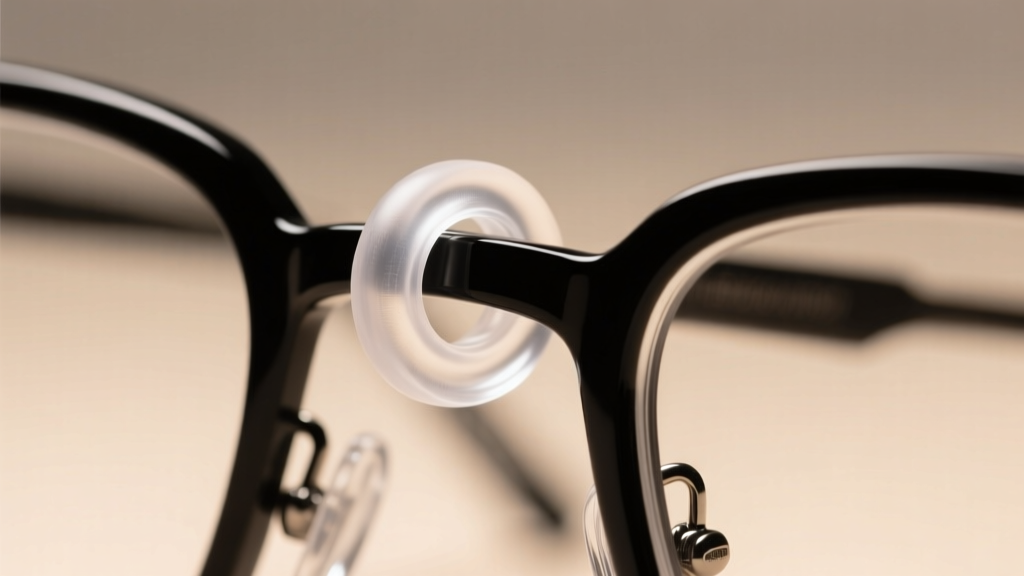
- Silicone Loop Grips: The most common and versatile option. These friction-based loops stretch over the temple tips of your glasses. Look for silicone with a Shore A durometer rating of 30-40; this provides enough flexibility to slide over thick acetate frames while maintaining enough grip to prevent slipping. Pro Tip: Avoid cheap PVC alternatives, which harden and snap within months.
- Metal Screw-In Hooks: These require frames with a pre-drilled hole or a specialized metal loop attachment. While they offer a sleek, invisible connection, they limit you to specific eyewear and require a micro-screwdriver to swap glasses.
- Magnetic Clasps: Utilizing small neodymium magnets (usually N42 or N52 grade) embedded in silicone sleeves. They offer the fastest attachment but rely on shear force. If your glasses are heavy, the downward pull can cause the magnets to slide apart.
Suspension Materials: Beyond Basic Beads
The material of the chain dictates both the drape and the lifespan of the accessory. According to the Federal Trade Commission's Jewelry Guides, metal labeling must be accurate, which is crucial when shopping for gold options.
- Cellulose Acetate: A plant-based plastic that is hypoallergenic, highly durable, and available in rich, marbled colors (like tortoiseshell or Havana). Unlike cheap injected molded plastics, acetate is cut and polished, meaning it won't become brittle or yellow over time.
- 14k Gold-Filled Chain: Not to be confused with gold-plated. Gold-filled wire features a thick outer layer of solid 14k gold mechanically bonded to a brass core, comprising at least 5% of the total weight. It will not flake off or cause green skin discoloration, making it ideal for daily wear.
- Surgical Stainless Steel (316L):strong> Highly resistant to tarnish and sweat corrosion. It has a slightly heavier, cooler drape and is perfect for minimalist, industrial-chic aesthetics.
Matching the Holder to Your Eyewear Weight
The most common mistake beginners make is pairing a delicate chain with heavy, oversized frames. This leads to neck strain, stretched-out silicone grips, and eventual breakage. Use the framework below to match your frames to the correct necklace glasses holder specifications.
| Frame Weight Class | Typical Frame Types | Recommended Chain Material | Required Clasp Type |
|---|---|---|---|
| Lightweight (Under 20g) | Wireframes, rimless, thin titanium | Delicate cable chains, silk cords, seed beads | Standard silicone loops or magnetic clasps |
| Medium (20g - 35g) | Standard acetate readers, wayfarers | Chunky acetate links, glass beads, 14k gold-filled | Textured silicone grips (high friction) |
| Heavy (Over 35g) | Oversized shields, thick horn-rimmed, progressives | Thick stainless steel, leather cords, heavy resin | Wide-band silicone or metal screw-in hooks |
Common Failure Modes (And How to Avoid Them)
Even the most expensive reader chain will fail if subjected to the wrong environmental stressors. Here is what actually causes a necklace glasses holder to break or fail, and how to troubleshoot it.
1. Silicone Hydrolysis and Dry Rot
Silicone grips are constantly exposed to the natural oils from your skin, hair products, and UV radiation. Over 12 to 18 months, this exposure causes the silicone to degrade, turning cloudy and eventually tearing when stretched. The Fix: Wipe your silicone grips weekly with a damp microfiber cloth and mild soap to remove oil buildup. Replace the silicone loops annually; they are usually sold in multi-packs for under $10.
2. Jump Ring Snagging and Hair Pulling
Cheap metal chains often feature poorly soldered jump rings (the small connecting links). These microscopic gaps act like tiny saws, catching and ripping out your hair. The Fix: Inspect the chain under good lighting before purchasing. Look for "soldered links" or seamless chains. If you already own a snagging chain, a jeweler can quickly solder the gaps shut for a nominal fee.
3. Magnetic Shear Failure
Magnetic clasps are rated by "pull force" (pulling them directly apart), but wearing glasses creates "shear force" (sliding them sideways). A magnet with a 5 lb pull force might fail under just 1 lb of shear force. The Fix: If you prefer magnetic holders, ensure the magnets are encased in a textured silicone sleeve to add friction, and only use them with lightweight frames.
Styling and Length: Getting the Perfect Drape
The length of your necklace glasses holder completely changes how it functions and looks. Standard jewelry lengths don't always apply here, as the chain must accommodate the width of your head and the length of the glasses' temples.
- The Choker/Collarbone Drape (24 - 26 inches): Best for lightweight sunglasses or small reading glasses. When the glasses are resting on your chest, they sit high, near the collarbone. This prevents the glasses from swinging wildly when you walk, but can feel restrictive if you have a larger head circumference.
- The Standard Chest Drape (28 - 30 inches): The most versatile and popular length. When worn, the chain rests comfortably on the upper chest. When you take your glasses off, they hang securely around the mid-chest, completely out of the way of scarves or high necklines.
- The Long Lariat/Waist Drape (32 - 36 inches): Ideal for layering over winter sweaters or wearing with long, bohemian dresses. This length allows the glasses to hang near the waist. Warning: Only use this length with lightweight frames; heavy frames on a 36-inch chain will create a pendulum effect, constantly hitting your torso and potentially damaging the lenses.
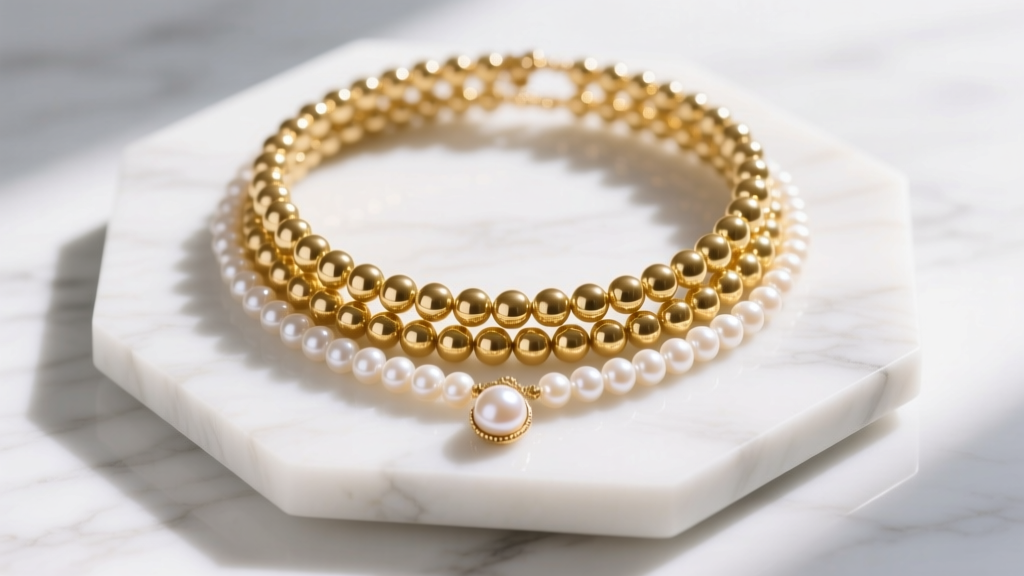
Styling Tip for 2026: Treat your necklace glasses holder as a foundational layering piece. Pair a chunky, translucent amber acetate reader chain with a delicate, 18-inch gold pendant necklace. The contrast between the functional, bold eyewear chain and the delicate fine jewelry creates a highly curated, intentional look.
Price Tiers: What Should You Expect to Pay?
Navigating the market requires knowing what justifies a price tag. Here is a realistic breakdown of what your budget will get you in the current market.
- $8 - $15 (The Basics): You will find alloy metals (which may tarnish), injected molded plastics, and basic silicone loops. Fine for a backup pair kept in the car or gym bag, but not recommended for daily, all-day wear.
- $25 - $55 (The Sweet Spot): This tier offers high-quality cellulose acetate, genuine 14k gold-filled chains, surgical stainless steel, and premium, textured silicone grips. This is where you should shop for your everyday, reliable necklace glasses holder.
- $70 - $150+ (Designer & Luxury): At this price point, you are paying for brand prestige, solid 14k or 18k gold hardware, and hand-polished designer acetate. While beautiful, the functional mechanics (the grips) are often identical to the mid-tier options. Buy this tier purely for the aesthetic and brand cachet.
Final Verdict
Choosing the right necklace glasses holder is an exercise in balancing physics with personal style. By prioritizing high-friction silicone or secure metal hooks, matching the chain weight to your specific frames, and selecting durable materials like cellulose acetate or gold-filled wire, you can transform a frustrating daily necessity into your favorite accessory. Measure your frames, check your chain links, and wear your readers with confidence.


