How to Choose and Style a Necklace Gold Snake Chain
Discover how to choose, style, and care for a necklace gold snake chain. Learn about karats, widths, and pendant pairings in this beginner guide.

The Allure of the Snake Chain
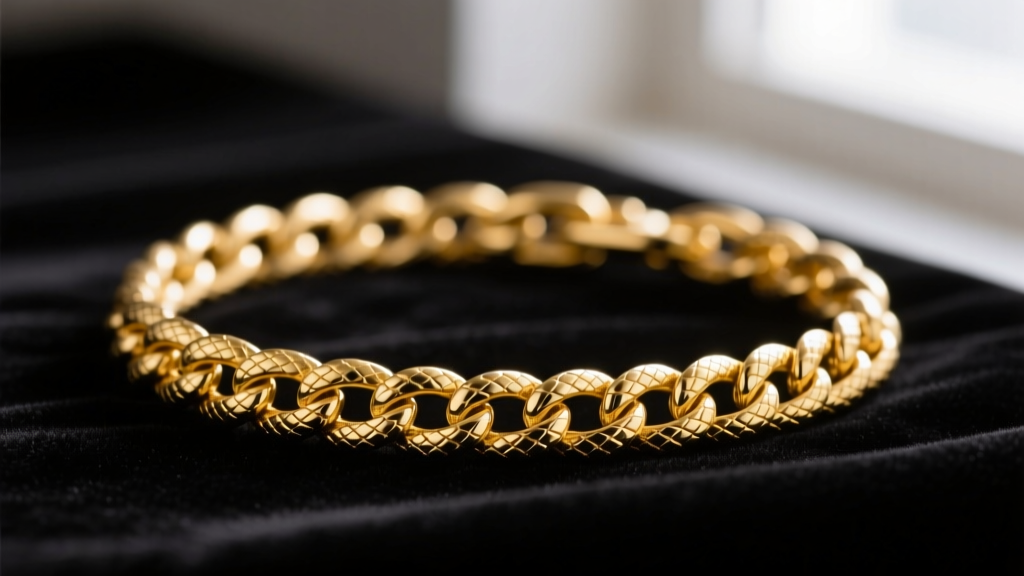
When building a foundational jewelry wardrobe, the necklace gold snake chain stands out as a masterclass in sleek, modern design. Unlike traditional cable or rope chains that rely on visible, interlocking oval links, the snake chain offers a continuous, fluid surface that mimics the supple movement of its namesake. For beginners navigating the vast world of gold necklaces, understanding the unique construction, durability quirks, and styling potential of the snake chain is essential before making an investment.
In 2026, with gold prices reaching historic highs, buyers are increasingly selective about chain styles that offer maximum visual impact per gram. The dense, tubular structure of a snake chain reflects light uniformly, making it appear more substantial and luxurious than lighter, airier chains of the exact same weight. This guide will break down everything you need to know about selecting, wearing, and maintaining a gold snake chain.
The Anatomy: Why It Moves Like Liquid
To understand how to care for a snake chain, you first need to understand how it is manufactured. A true snake chain is not made of standard links. Instead, it is constructed from a series of slightly curved, wavy metal rings that are tightly packed and pressed together. These rings are often soldered or mechanically secured to form a flexible, hollow, or semi-solid tube.
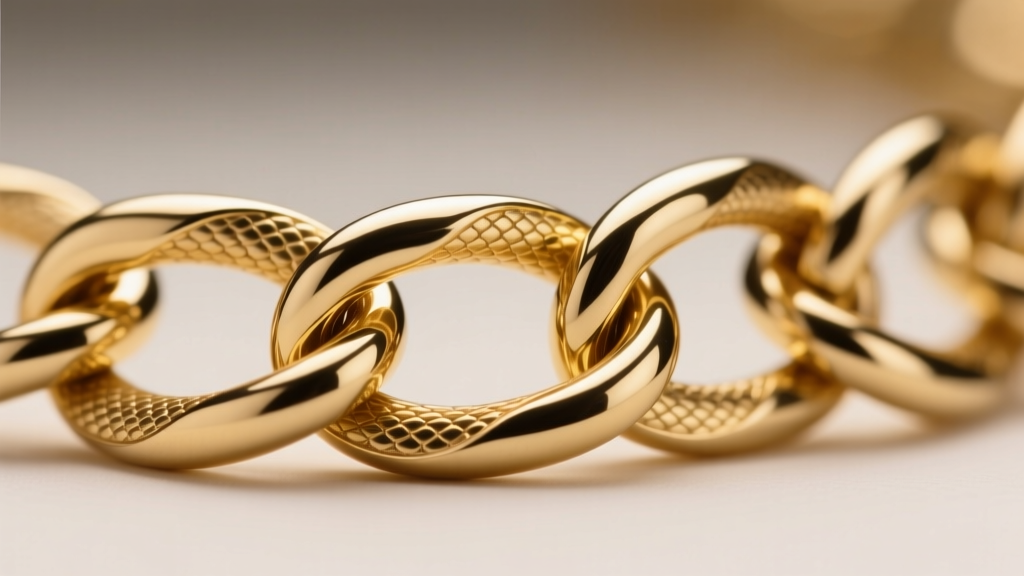
The result is a chain with a smooth, scaly exterior that bends with a fluid, liquid-like drape. However, this unique structural engineering comes with a specific set of vulnerabilities. Because the rings are packed so tightly, the chain lacks the multi-directional flexibility of a cable chain. It bends beautifully in one plane but can easily collapse or 'kink' if bent sharply against its natural curve or subjected to crushing pressure.
Choosing the Right Gold Karat for Durability
Pure gold (24k) is far too soft for jewelry that experiences daily friction and movement. When selecting a necklace gold snake chain, the karat weight directly dictates the chain's resistance to kinking and stretching. According to the Gemological Institute of America (GIA), the alloy metals mixed with pure gold (such as copper, silver, and zinc) provide the necessary structural integrity.
| Gold Karat | Purity | Kink Resistance | Best Use Case | Approx. Retail (16", 1mm) |
|---|---|---|---|---|
| 10k Gold | 41.7% | Excellent | Everyday wear, high-activity lifestyles | $250 - $350 |
| 14k Gold | 58.3% | Very Good | Daily wear, pendant layering, optimal balance | $350 - $500 |
| 18k Gold | 75.0% | Fair to Poor | Special occasions, lightweight pendants only | $600 - $900 |
For a snake chain, 14k gold is the undisputed sweet spot. It provides the rich, warm hue of high-karat gold while retaining enough alloy hardness to resist permanent deformation. An 18k gold snake chain is undeniably gorgeous and hypoallergenic, but its higher malleability makes it highly susceptible to permanent kinking if slept in or snagged.
Width Guide and Pendant Pairing
Snake chains are inherently heavier and denser than other chain types. Choosing the correct width (measured in millimeters) is crucial for both aesthetics and pendant compatibility.
Sub-Millimeter (0.5mm - 0.9mm)
These ultra-delicate chains offer a barely-there sparkle, perfect for minimalist layering. However, they are extremely fragile. A 0.7mm snake chain should never be worn with heavy pendants, as the weight will stress the micro-links and cause stretching. Stick to lightweight, bezel-set gemstone drops weighing under 3 grams.
Medium Weight (1.0mm - 1.5mm)
This is the most versatile range for a necklace gold snake chain. A 1.2mm chain provides enough structural integrity to hold standard solitaire pendants, lockets, and charm slides. Pro-Tip on Bail Sizing: Because snake chains do not bend sharply, the pendant's bail (the loop the chain passes through) must have an inner diameter at least double the width of the chain. For a 1.2mm snake chain, ensure the bail opening is at least 2.5mm to 3.0mm to prevent the chain from crimping as it moves.
Statement Widths (2.0mm - 4.0mm+)
Thick snake chains are striking, architectural pieces meant to be worn alone. Their tubular structure makes them incredibly rigid at wider gauges. They are generally incompatible with standard pendants due to their stiffness and the large bail size required, making them ideal as standalone collar or choker pieces.
Troubleshooting: Kinks and Hair Snagging
Every seasoned jeweler knows the two most common complaints regarding snake chains: they kink, and they catch chest and neck hair. Understanding how to mitigate these issues is part of responsible ownership.
The Hair Snagging Dilemma: The micro-gaps between the wavy rings of a snake chain act like tiny combs, easily trapping fine vellus body hair. Never pull the chain to free the hair, as this will warp the links. Instead, lay the chain flat and use a piece of sticky tape or a jewelry lint roller to gently lift the hair out of the grooves.

How to Fix a Kinked Snake Chain
If your necklace gold snake chain develops a sharp kink, do not attempt to pull it straight with your fingers; this will collapse the tubular structure and lock the kink in place. Instead, follow this jeweler-approved method:
- Lay the chain completely flat on a hard, smooth surface like a glass table or a jeweler's steel bench block.
- Apply a microscopic drop of mineral oil or baby oil to the kinked area to reduce friction.
- Take a smooth, hard metal cylinder (such as a polished steel pen, a jeweler's burnisher, or a smooth glass vial).
- Gently roll the cylinder back and forth over the kink, applying very light downward pressure. This coaxing motion realigns the wavy rings without crushing them.
Cleaning and Long-Term Care
Maintaining the mirror-like finish of a gold snake chain requires specific cleaning protocols. The Jewelers of America recommends gentle, non-abrasive cleaning methods for textured or tightly linked chains.
Avoid Ultrasonic Cleaners: While ultrasonic cleaners are fantastic for diamond rings, they are highly dangerous for snake chains. The high-frequency vibrations can cause micro-fractures in the tightly packed rings, and the tight gaps can trap moisture and cleaning solutions against the skin, leading to irritation or tarnishing of the alloy metals.
The Safe Cleaning Method: Mix a few drops of mild, phosphate-free dish soap into a bowl of lukewarm water. Let the chain soak for 3 to 5 minutes. Use a baby hairbrush (which has ultra-soft bristles) to gently sweep along the grain of the chain, dislodging oils and lotions. Rinse thoroughly under a gentle stream of distilled water and pat dry with a microfiber cloth. Never air-dry a snake chain, as water spots will cling to the smooth surface and dull the reflection.
Final Thoughts on Clasp Selection
When purchasing or customizing your necklace gold snake chain, pay close attention to the clasp. Because the chain itself is smooth and tubular, standard spring-ring clasps can easily snag on the chain's surface or fail to secure the thicker jump rings often used on snake chains. Always opt for a high-quality lobster claw clasp or a box clasp with a safety figure-eight latch (for wider chains). This ensures your investment remains secure around your neck, allowing you to enjoy the liquid-gold elegance of the snake chain for decades to come.


