Necklace Hanging Organizer Care: Prevent Tangles and Tarnish
Discover expert care tips for using a necklace hanging organizer. Learn how to prevent chain tangling, metal tarnish, and gemstone damage in storage.

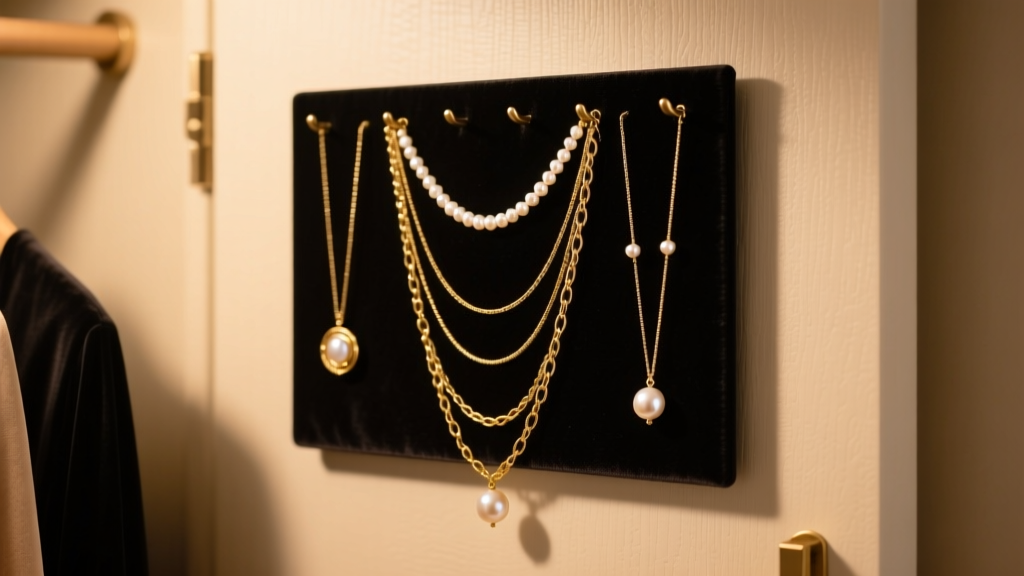
Why Your Storage Method Dictates Necklace Longevity
The way you store your jewelry is just as critical as how you wear it. When delicate chains are tossed into a drawer, the microscopic friction between links—combined with residual skin oils and lotions—creates a ratchet effect. This causes open oval links in cable chains to slide into one another and lock, resulting in stubborn micro-knots. Utilizing a dedicated necklace hanging organizer leverages gravity to keep chains taut, preserving their structural integrity and preventing the metal fatigue that leads to snapped links.
However, simply hanging your necklaces is not enough. The environment inside your closet, the material of the organizer itself, and the preparation of the metal before storage all play pivotal roles in preventing oxidation and physical degradation. According to the Jewelers of America, improper storage is the leading cause of premature tarnishing and gemstone scratching in fine jewelry.
Choosing the Right Organizer Material
Not all hanging organizers are created equal. The substrate material can either protect your precious metals or accelerate chemical reactions that lead to dullness. Below is a breakdown of common organizer materials and their impact on jewelry health.
| Material | Tarnish Resistance | Best For | Maintenance Required |
|---|---|---|---|
| Anti-Tarnish Flannel | High (Treated with silver nitrate or zinc) | Sterling silver, copper, brass | Replace every 6-12 months as treatment depletes |
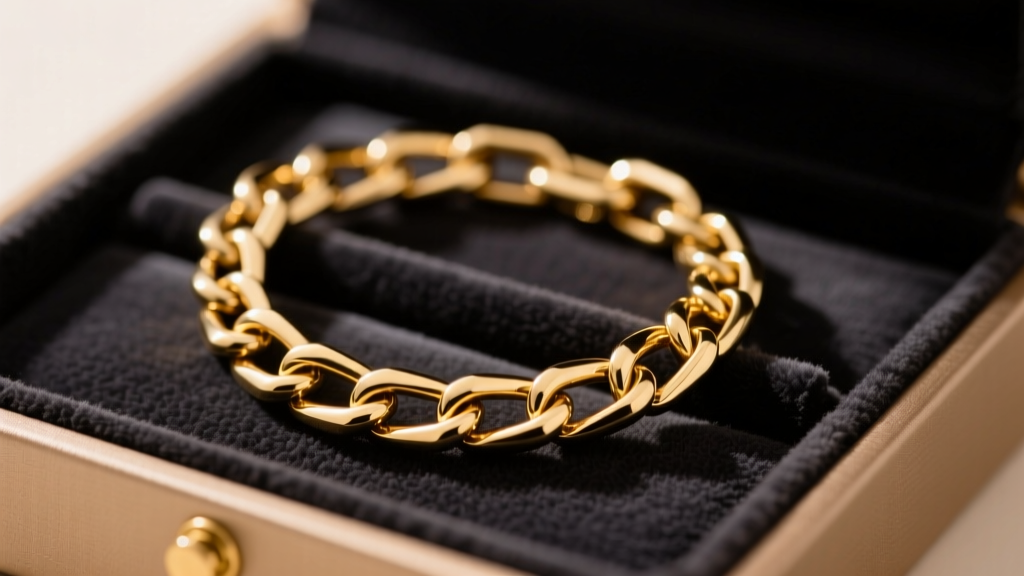
| Micro-Velvet | Medium (Traps dust, but holds moisture) | Gold, platinum, diamonds | Vacuum gently monthly to remove abrasive dust |
| Clear Acrylic | Low (Inert, but offers no chemical protection) | Stainless steel, titanium, everyday wear | Wipe with microfiber to prevent static dust buildup |
| Untreated Wood | Poor (Emits acidic VOCs and sulfur gases) | Avoid for fine jewelry | N/A - Can cause rapid silver sulfide formation |
If you own a significant amount of sterling silver (92.5% silver, 7.5% copper alloy), you must opt for a treated flannel or velvet-lined necklace hanging organizer. The copper in sterling silver is highly reactive to sulfur and humidity, forming copper sulfide and eventually silver sulfide—the black layer we recognize as tarnish.
The Science of Tarnish and Environmental Control
Tarnish is an electrochemical reaction. When you hang your necklaces in a standard closet, they are exposed to volatile organic compounds (VOCs) from dry-cleaning fumes, off-gassing from synthetic clothing, and ambient humidity. To combat this within a hanging organizer setup, you must control the micro-climate.
Integrating Anti-Tarnish Strips
For enclosed hanging organizers (those with a clear PVC or fabric dust flap), place a 3M anti-tarnish strip in the bottom pocket. These strips contain activated carbon and copper particles that act as sacrificial anodes, absorbing sulfur gases before they can reach your jewelry. Replace these strips every 6 months, or when the copper indicator dots turn completely black.
Managing Humidity
High humidity acts as a catalyst for oxidation. If you live in a coastal or tropical climate, your hanging organizer should include small silica gel desiccant packets. Ensure the silica is the indicating type (orange to dark green) so you know exactly when to bake the packets in an oven at 200°F (93°C) for two hours to recharge them.
Step-by-Step: Prepping Necklaces for the Organizer
Never hang a necklace immediately after taking it off. Your skin secretes sebum, sweat (which contains lactic acid and salts), and transfers cosmetics onto the metal. Storing a necklace in this state guarantees tarnish and attracts abrasive dust.
"A master jeweler's secret is that 90% of jewelry damage occurs during the transition from the body to the jewelry box. A ten-second wipe down is the difference between a chain that lasts a decade and one that degrades in a year."
The Proper Cleaning Protocol Before Storage
- The Solution: Mix 10 drops of ammonia-free, phosphate-free dish soap (like Dawn) into 1 cup of distilled water. Avoid tap water, as chlorine and hard water minerals can leave microscopic calcified deposits on gemstones.
- The Agitation: Use a soft baby toothbrush (extra-soft bristles only) to gently sweep the clasp mechanisms and the jump rings where debris accumulates.
- The Rinse: Submerge the chain in a separate bowl of clean distilled water.
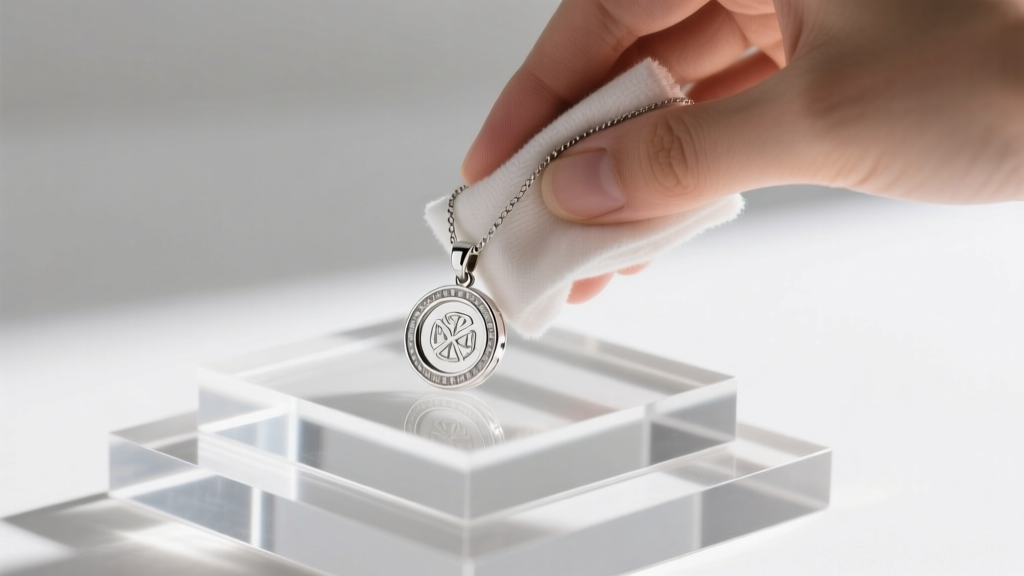
- The Dry: Pat dry with a lint-free microfiber cloth. Ensure the chain is 100% dry before hanging, as trapped moisture in the tiny crevices of a box or rope chain will cause localized oxidation.
Note: The Gemological Institute of America (GIA) strongly warns against using ultrasonic cleaners or harsh chemical dips on porous gemstones like opals, pearls, turquoise, and emeralds before storage, as these can strip essential moisture and cause internal fracturing.
Weight Distribution and Hook Spacing
The physical design of your necklace hanging organizer must accommodate the specific geometry of your collection. Hanging a heavy 50-gram pendant on a delicate 1.2mm snake chain can cause permanent kinking if the chain swings and catches.
The Mathematics of Hook Spacing
To prevent adjacent chains from overlapping and tangling during closet movement, follow these spacing rules:
- Standard 18-inch chains: Require a minimum of 2.5 inches of horizontal space between hooks.
- Layering sets (16" + 18" + 20"): Require staggered hooks or a 4-inch gap to allow the cascading lengths to hang freely without intersecting.
- Heavy Pendants: Should be hung on reinforced steel hooks rather than adhesive plastic hooks, which can warp under constant tension, altering the angle of the chain and stressing the jump ring.
Furthermore, always fasten the clasp before hanging. An open lobster clasp or spring ring acts as a microscopic grappling hook, guaranteed to snag the links of any neighboring chain if a breeze or closet door movement shifts the organizer.
Maintenance Schedule for Your Organizer
Your necklace hanging organizer requires its own maintenance routine to remain a safe haven for your jewelry. Acrylic stands should be wiped down weekly with an anti-static spray to prevent dust attraction. Velvet and flannel organizers should be vacuumed using a brush attachment monthly to remove microscopic skin cells and dust mites that can scratch high-polish metals. By treating your storage environment with the same care as the jewelry itself, you ensure that every piece remains pristine, tangle-free, and ready to wear at a moment's notice.


