Evaluating a Necklace Simple Gold Chain: 2026 Value Guide
Discover how to evaluate a necklace simple gold chain for true value in 2026. Compare karats, chain styles, and pricing to make a smart jewelry investment.

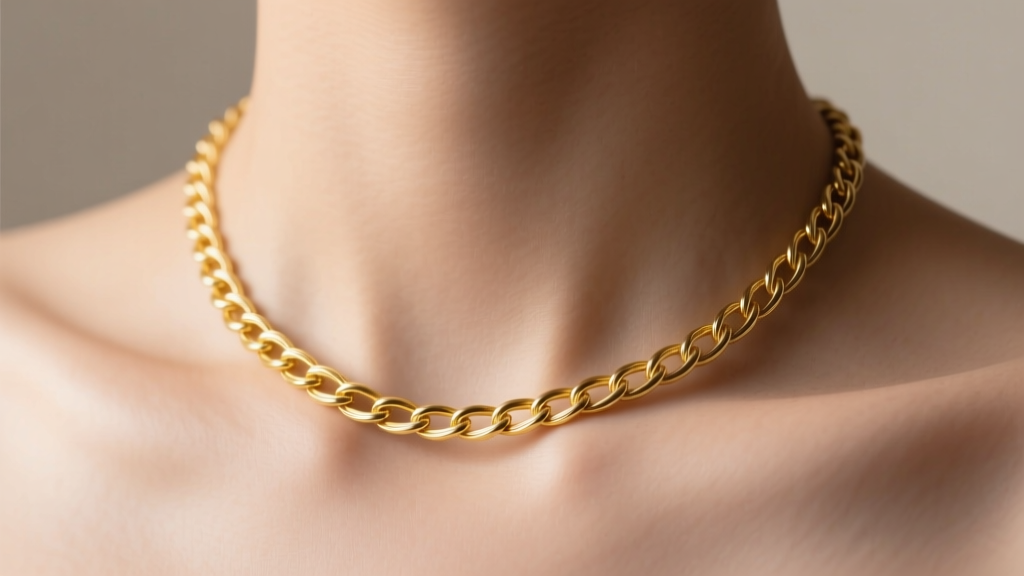
The True Cost of a Minimalist Gold Necklace in 2026
As gold spot prices continue to hover near historic highs in 2026, the market for everyday minimalist jewelry has shifted dramatically. When evaluating a necklace simple gold designs often represent the ultimate staple piece, but the retail landscape is rife with inflated markups and misleading material claims. A "simple" gold chain is rarely just a basic accessory; it is a metallurgical product whose true value depends entirely on its karat purity, gram weight, manufacturing technique, and hardware quality. To make an informed purchase, consumers must look past the brand name and analyze the intrinsic value of the metal and the structural integrity of the chain. This guide breaks down the exact metrics you need to assess whether a simple gold necklace is a genuine investment or an overpriced liability.
Decoding Gold Purity: 10K vs. 14K vs. 18K for Everyday Wear
The foundation of any gold necklace value assessment begins with its purity, measured in karats. Pure 24K gold is far too soft for jewelry, meaning it must be alloyed with other metals like copper, silver, zinc, or nickel to achieve structural durability. According to the Gemological Institute of America (GIA), the specific alloy blend not only dictates the color of the gold but also its tensile strength and tarnish resistance.
For a simple, everyday chain, 14K gold (58.3% pure gold) remains the undisputed champion of value and durability in the North American market. It offers an optimal balance of rich color and high resistance to bending or snapping. 18K gold (75% pure) provides a deeper, more luxurious yellow hue but is noticeably softer, making ultra-fine 18K chains prone to stretching and micro-fractures over time. Meanwhile, 10K gold (41.7% pure) is highly durable and budget-friendly, but its high copper and zinc content makes it susceptible to oxidation and dulling, requiring frequent polishing to maintain its luster.
| Karat | Gold Content | Relative Melt Value (per gram) | Durability & Best Use Case |
|---|---|---|---|
| 10K | 41.7% | Lowest | Highly rigid; prone to tarnish. Best for thick, heavy chains on a strict budget. |
| 14K | 58.3% | Moderate | Excellent balance of strength and color. The ideal standard for fine, everyday simple chains. |
| 18K | 75.0% | Highest | Softer, richer color. Best for thicker chains or pendants where extreme tensile strength isn't required. |
Chain Styles That Maximize Budget and Longevity
Not all chain links are created equal, and the geometry of the links directly impacts both the manufacturing cost and the lifespan of the necklace. When shopping for a necklace simple gold styles like the cable, box, and curb chains dominate the market, but they behave very differently under stress.
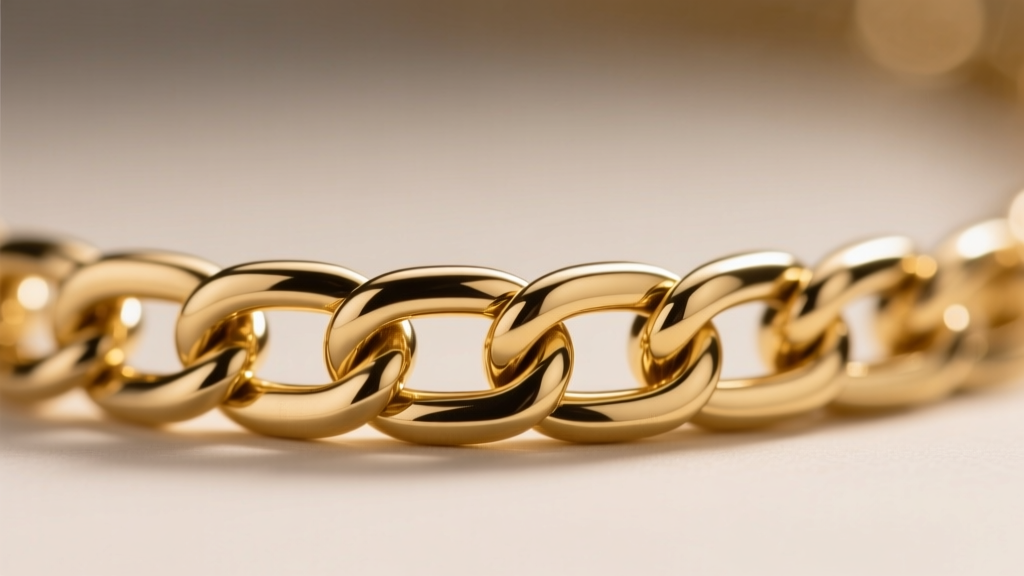
Cable and Box Chains: The Structural Workhorses
The classic cable chain consists of uniform oval or round links. While it is the most affordable option due to its simple machine-stamped construction, standard cable chains are often unsoldered. This means that if the chain catches on a sweater, the links can easily pull apart. A higher-value alternative is the box chain, which features square, interlocking links that distribute tension evenly. High-quality box chains are laser-welded or soldered at every joint, making them virtually impervious to snapping under normal wear, justifying a slightly higher price point.
Rope and Figaro: Where Budgets Break
Twisted styles like the rope chain or patterned styles like the Figaro require significantly more labor and gold weight to manufacture. A simple 16-inch rope chain will weigh nearly twice as much as a cable chain of the same width. While beautiful, the intricate crevices in these chains trap skin oils, lotions, and environmental debris, making them high-maintenance. If your goal is a low-maintenance, high-value everyday piece, stick to smooth, flat, or uniformly soldered links.
The Hardware: Clasps and Jump Rings
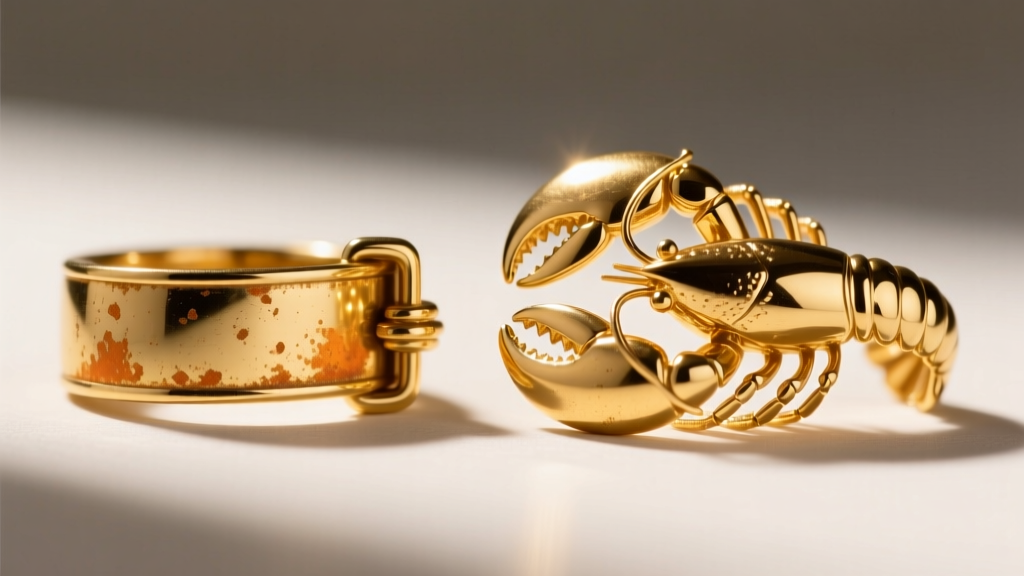
A chain is only as strong as its weakest link, which is almost always the clasp assembly. Many budget brands cut costs by using cheap spring-ring clasps and unsoldered jump rings. A spring ring contains a tiny internal steel spring that routinely fails, and the unsoldered jump ring connecting it to the chain is a prime failure point for slipping and loss. For true value, insist on a solid gold lobster clasp. Furthermore, the jump ring connecting the clasp to the chain must be flush-soldered closed. If you can see a seam in the jump ring with the naked eye, the necklace is structurally compromised and not worth a premium price.
Solid Gold vs. Gold Filled vs. Vermeil: A Value Breakdown
As solid gold prices surge, the market has been flooded with alternatives. Understanding the legal and metallurgical definitions of these terms is crucial for budget assessment. The Federal Trade Commission (FTC) strictly regulates how these materials can be marketed.
- Solid Gold: The entire piece is a uniform alloy of gold and strengthening metals. It will never flake, peel, or expose a base metal. It holds intrinsic melt value and can be easily repaired or soldered by a bench jeweler.
- Gold Filled (GF):strong> A thick layer of solid gold (legally required to be at least 1/20th of the total weight) is mechanically bonded to a brass core using heat and pressure. It is highly durable and can last 5 to 10 years with daily wear, but it cannot be easily soldered without exposing the brass core.
- Gold Vermeil: A sterling silver base plated with a minimum of 2.5 microns of gold. While the silver base prevents the green skin reaction associated with brass, the thin gold layer will eventually wear away at high-friction points like the clasp and pendant bails.
- Gold Plated: A brass or copper base with a microscopic flash of gold (usually under 0.5 microns). This offers zero long-term value and should be avoided for everyday minimalist chains.
How to Calculate the True Markup of a Simple Gold Chain
To determine if you are getting a fair deal on a solid 14K gold necklace in 2026, you must separate the intrinsic metal value from the brand tax. You can estimate the melt value of the chain by multiplying its gram weight by the current spot price of 14K gold. According to market data tracked by the World Gold Council, the spot price of gold dictates the baseline material cost.
For example, if a delicate 16-inch 14K cable chain weighs 1.8 grams, its raw gold value is roughly $75 to $85, depending on daily market fluctuations. A fair retail price from a direct-to-consumer jeweler or a wholesale bench jeweler should range between $130 and $180, accounting for manufacturing, labor, and a reasonable margin. However, if a trendy mall brand or luxury minimalist label prices that exact same 1.8-gram chain at $350 or more, you are paying a 300% markup purely for the logo and the packaging. By asking the retailer for the exact gram weight of the chain before purchasing, you can instantly calculate the markup and decide if the brand prestige is worth the premium.
Final Verdict: Allocating Your Jewelry Budget
When investing in a necklace simple gold styles offer unparalleled versatility, but they demand a strategic approach to purchasing. For a piece intended to be worn daily in the shower, at the gym, and to sleep, solid 14K gold is the only material that guarantees a lifetime of wear without degradation. Avoid the trap of buying multiple gold-plated or vermeil chains that will inevitably tarnish and break. Instead, pool your budget into a single, high-quality 14K or 18K solid gold chain with soldered links and a secure lobster clasp. By prioritizing gram weight, structural geometry, and transparent pricing over brand hype, you secure a timeless piece that retains both its aesthetic elegance and its intrinsic financial value for decades to come.


