The Ultimate Necklace Holder Box Material Guide for Fine Jewelry
Discover how necklace holder box materials impact fine jewelry. Compare woods, linings, and acrylics to prevent tarnish and scratches.

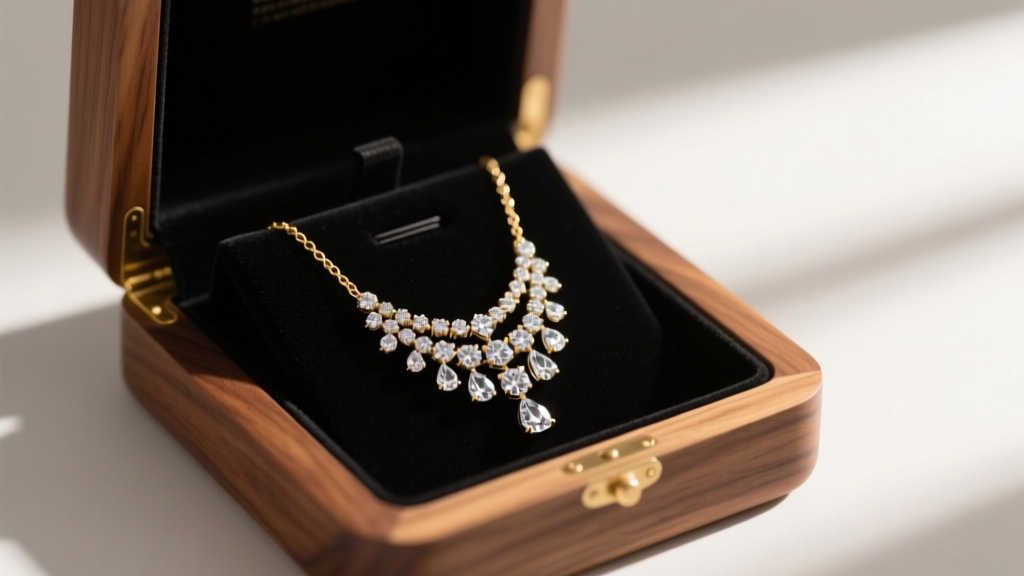
When investing in fine necklaces, chokers, and pendants, most collectors focus entirely on the karat weight, gemstone clarity, and chain gauge. Yet, the micro-environment where these pieces rest is equally critical to their longevity. A necklace holder box is not merely a tool for preventing tangled chains; it is an active chemical and physical barrier. The wrong materials can accelerate tarnishing, induce micro-scratches on soft metals, or even degrade delicate organic gems like pearls and coral.
In this comprehensive material comparison guide, we analyze the structural and chemical properties of the woods, plastics, leathers, and interior linings used in premium jewelry storage. By understanding these material interactions, you can select a storage solution that actively preserves the structural integrity and brilliance of your collection.
The Science of Storage: Why Box Materials Matter
Jewelry degradation in storage typically stems from two sources: chemical off-gassing and physical abrasion. According to the American Institute for Conservation (AIC), many common commercial packaging materials emit volatile organic compounds (VOCs) and acidic gases that react with metal alloys. For instance, sterling silver (92.5% silver, 7.5% copper) is highly susceptible to hydrogen sulfide and sulfur dioxide, which form black silver sulfide on the surface. Furthermore, the Mohs hardness scale dictates that softer metals like high-karat gold (Mohs 2.5-3) and pure silver can be easily scratched by abrasive interior linings or friction from poorly spaced compartments.
Exterior Shell Materials: Durability vs. Chemical Stability
The outer shell of your necklace holder box dictates its physical durability and its potential to off-gas harmful chemicals into the interior chamber.
Hardwoods vs. Acidic Woods
Not all wood is safe for fine jewelry. Woods like oak, cedar, and pine naturally emit acetic acid and other organic acids as they age. In an enclosed box, these acids concentrate and can cause severe corrosion on copper-heavy alloys, brass, and sterling silver. If you prefer a wooden necklace holder box, ensure it is crafted from kiln-dried, chemically stable hardwoods like walnut, maple, or mahogany, and that the wood has been sealed with a water-based polyurethane or lacquer to trap any residual tannins.
Leather and Suede Exteriors
Leather-wrapped boxes offer a luxurious aesthetic, but the tanning process is a hidden danger. Chrome-tanned leather utilizes sulfur compounds and heavy metals that can off-gas and tarnish silver chains. Always seek out vegetable-tanned leather for jewelry storage, as it uses natural tannins from tree bark and is chemically inert once fully cured and sealed.
Acrylic and Plastics
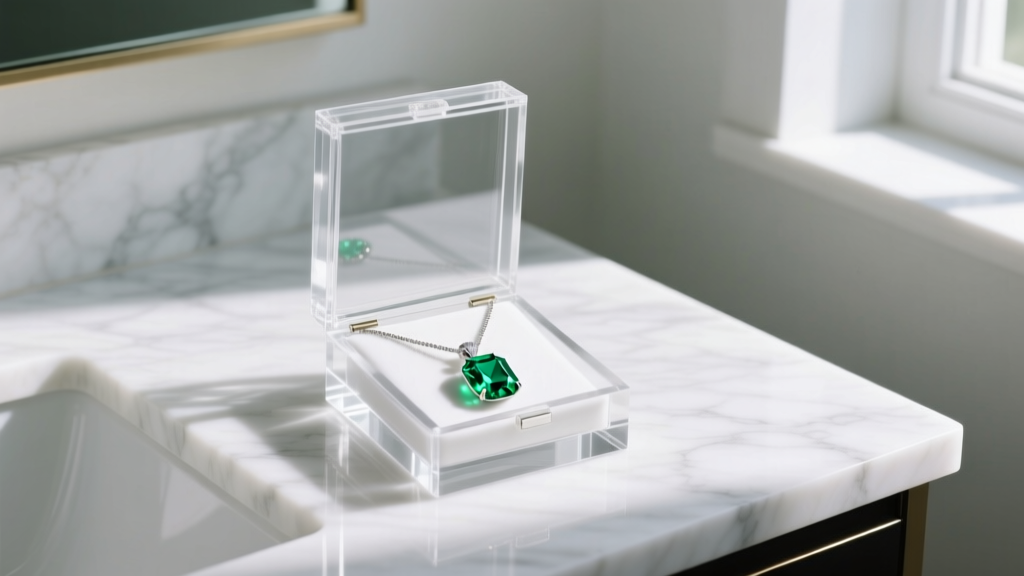
Modern acrylic necklace holder boxes are popular for their visibility, allowing you to view layered pendants without opening the lid. However, standard acrylics offer zero UV protection. If your box sits on a vanity near a window, UV rays will fade light-sensitive gemstones like amethyst, kunzite, and topaz. For optimal protection, invest in boxes made from UV-filtering acrylic (such as Optium Museum Acrylic), which blocks up to 99% of harmful ultraviolet light.
Interior Linings: The True Protector of Your Pendants
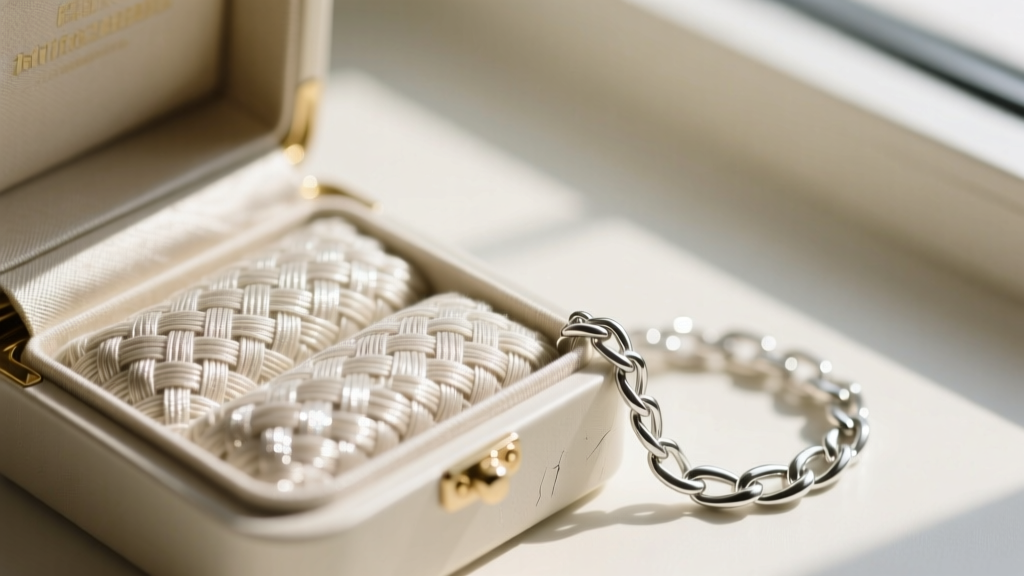
The interior lining is the material that physically touches your necklaces. It must manage moisture, neutralize airborne pollutants, and provide a friction-free surface. Below is a comparison of the most common lining materials used in high-end jewelry boxes.
| Lining Material | Friction Level | Tarnish Resistance | Moisture Management | Best Used For |
|---|---|---|---|---|
| Pacific Cloth (Silvercloth) | Very Low | Exceptional | Moderate | Sterling silver chains, oxidized pendants |
| Cotton Velvet | Low | Poor (unless treated) | High (traps humidity) | Diamonds, platinum, hard gemstones |
| Microfiber Suede | Very Low | Moderate | Low | High-karat gold, delicate clasps |
| Untreated Silk | Extremely Low | Neutral | Low | Pearls, opals, organic gems |
Pacific Cloth (often referred to as silvercloth) is the gold standard for silver storage. This material is embedded with microscopic silver particles that act as a sacrificial anode. The silver in the cloth reacts with hydrogen sulfide in the air before it can reach your necklace, effectively intercepting tarnish-causing pollutants. However, Pacific cloth has a finite lifespan; once the embedded silver particles are fully saturated (usually after 5 to 10 years), the cloth must be replaced.
Hidden Dangers: Materials to Avoid at All Costs
When shopping for a necklace holder box, be highly skeptical of budget-friendly options that utilize the following materials:
- PVC and Vinyl: Polyvinyl chloride contains plasticizers (phthalates) that can leach onto jewelry surfaces, leaving a sticky, degrading film that is incredibly difficult to remove from porous gemstones like turquoise.
- Corrugated Cardboard Cores: Many cheap "leatherette" boxes use acidic cardboard or MDF (medium-density fiberboard) as a structural core. These materials off-gas formaldehyde and acids that will pit and corrode metal findings and clasps over time.
- Rubber Bands and Elastic: Never use a box that relies on raw rubber elastic to hold pendants in place. Rubber contains high levels of sulfur and will cause immediate, severe blackening of any silver it touches.
Matching Box Materials to Your Necklace Metals
To maximize the lifespan of your collection, the Gemological Institute of America (GIA) recommends tailoring your storage environment to the specific metallurgical and gemological properties of your pieces.
Sterling Silver and Copper Alloys
These metals require an airtight environment lined with anti-tarnish Pacific cloth. For added protection, place a 3M anti-tarnish strip inside the box compartment. These strips absorb sulfides and chlorides from the air and should be replaced every six months.
Pearls and Opals
Organic gems and water-bearing stones like opals require a different approach. They should never be stored in airtight plastic or overly dry environments, which can cause them to crack or lose their luster. A necklace holder box lined with untreated silk or soft, unbleached cotton is ideal. These materials allow the gems to "breathe" and retain their necessary ambient moisture.
High-Karat Gold and Platinum
Because 22k and 24k gold are exceptionally soft, they are prone to micro-scratches. Store these pieces in individual microfiber suede slots to prevent them from rubbing against diamond pendants, which sit at a 10 on the Mohs scale and will easily gouge soft gold.
Maintenance and Replacement Cycles
Even the highest quality necklace holder box requires maintenance. Vacuum the interior linings annually using a brush attachment to remove dust and microscopic skin cells, which can attract moisture and accelerate tarnishing. If your box utilizes anti-tarnish cloth, monitor its color; when the cloth turns a dark, gunmetal grey or black, it has reached its saturation point and is no longer protecting your jewelry. At this stage, you must either replace the box or have a professional jeweler re-line the interior with fresh Pacific cloth.
"Proper storage is the most overlooked aspect of jewelry care. A chemically stable necklace holder box will reduce the need for abrasive polishing, thereby preserving the millimeter-thick rhodium plating and intricate engraving on your favorite pendants."
Conclusion
Selecting the right necklace holder box is an exercise in applied material science. By prioritizing chemically stable exterior shells like sealed walnut or UV-filtering acrylic, and pairing them with purpose-driven interior linings like Pacific cloth or untreated silk, you transform your storage from a simple organizational tool into an active preservation chamber. Protect your investment by ensuring the environment your necklaces rest in is as meticulously crafted as the jewelry itself.


