Choosing a Strong Necklace Chain for Pendant Styles
Discover how to select a strong necklace chain for pendant styles. We analyze chain links, metal grades, and gauge sizes to prevent breakage and loss.

The 2026 Shift: Why Pendant Weights Are Increasing
In recent years, the jewelry landscape has shifted dramatically toward maximalism and tactile, substantial pieces. As we navigate 2026, the trend of stacking heavy talisman charms, wearing solid 3D-printed gold signets, and showcasing raw, uncut gemstone sliders has dominated both high fashion and everyday street style. While these bold pendants make a striking visual statement, they introduce a significant structural challenge: finding a strong necklace chain for pendant security. A delicate, lightweight chain simply cannot support the dynamic tension of a 15-gram solid gold pendant or a heavy raw crystal slider. When the visual weight of your pendant outpaces the tensile strength of your chain, you risk catastrophic failure and the loss of a cherished piece. This guide breaks down the metallurgy, link engineering, and structural upgrades required to keep your heaviest pendants secure without sacrificing elegance.
Anatomy of a Break: Where Chains Actually Fail
Before selecting a chain, it is crucial to understand how and why necklaces break. According to bench jewelers and repair data analyzed by industry experts at JCK Online, the vast majority of chain failures do not occur in the middle of the links. Instead, they happen at specific stress points:
- The Jump Ring: The tiny ring connecting the clasp to the chain or the pendant to the chain is the most common failure point. If the jump ring is not soldered shut, the constant pulling and twisting of a heavy pendant will slowly pry the gap open, eventually allowing the chain or pendant to slip through.
- The Clasp Spring: Spring ring clasps rely on a tiny, fragile internal spring. Under the weight of a heavy pendant, the lever can bend, or the spring can snap, rendering the clasp useless.
- Internal Pin Friction (Box Chains): Box chains are constructed using tiny internal pins to hold the geometric links together. Over time, the friction from a heavy, swinging pendant wears down these microscopic pins, causing the chain to snap suddenly without any visible warning signs.
Chain Link Profiles Ranked by Tensile Strength
Not all chain weaves are created equal. The geometry of the link dictates how weight is distributed across the metal. Below is a structural ranking of popular chain profiles based on their ability to support heavy pendants.
| Chain Type | Tensile Strength | Best Pendant Weight | Structural Vulnerability |
|---|---|---|---|
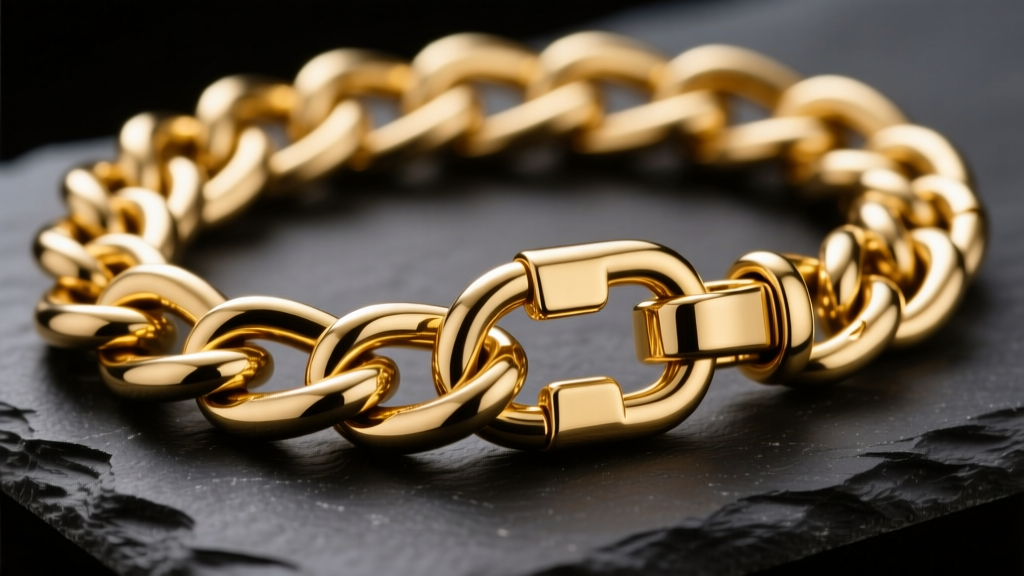
| Curb Chain | Very High | 15g - 30g+ | Low. Flat, interlocking links distribute weight evenly. |
| Rope Chain | High | 10g - 20g | Medium. Twisted links can trap dirt; difficult to repair if snapped. |
| Figaro Chain | High | 15g - 25g | Low-Medium. Similar to curb, but longer links can bend under extreme torque. |
| Cable Chain | Medium | 5g - 12g | High. Simple round or oval links bear all stress on a single contact point. |
| Box Chain | Low-Medium | Under 10g | High. Internal pins wear down rapidly under heavy dynamic loads. |
For heavy pendants, the curb chain remains the undisputed champion. Its flattened, tightly interlocking links lay flush against one another, preventing the localized stress fractures that plague rounder link profiles.

Metal Grades and Gauge Thickness: The Real Metrics
The structural integrity of your chain relies heavily on both the metal alloy and the wire thickness (gauge). When shopping for a strong necklace chain for pendant pairings, you must look beyond the karat stamp and consider yield strength.
The 14k vs. 18k Gold Debate
While 18k gold (75% pure gold) is prized for its rich, buttery color and hypoallergenic properties, it is inherently softer than 14k gold (58.3% pure gold). The higher alloy content in 14k gold—typically a mix of copper, silver, and zinc—gives it a higher Vickers hardness rating (approx. 120-140 HV compared to 90-110 HV for 18k). If you are pairing a heavy pendant with a relatively thin chain (under 2.0mm), 14k gold is technically the safer choice to prevent the chain from stretching or warping over time. However, if you opt for a thick, robust gauge (2.5mm or above), 18k gold provides ample strength while offering superior luxury and color.
Platinum and Stainless Steel Alternatives
For ultimate durability, 950 Platinum is unmatched. Unlike gold, which can lose microscopic particles of metal when scratched, platinum simply displaces. It possesses incredible tensile strength and will not wear thin over decades of use, making it the premier choice for heirloom-weight pendants. On the more accessible end of the spectrum, 316L Surgical Stainless Steel offers remarkable rigidity and resistance to tarnish, though it lacks the intrinsic value and resizing capabilities of precious metals.
Understanding Gauge and Millimeters
In the jewelry industry, chain thickness is usually measured in millimeters (mm) rather than the American Wire Gauge (AWG) system. To safely support a heavy pendant, adhere to these minimum thickness guidelines:
- Light Pendants (Under 5g): 1.0mm - 1.5mm thickness.
- Medium Pendants (5g - 15g): 1.5mm - 2.2mm thickness.
- Heavy Pendants (15g+): 2.5mm - 4.0mm+ thickness.
Clasp and Jump Ring Upgrades for Maximum Security
A chain is only as strong as its weakest connection. Upgrading your findings (the clasps and rings) is a non-negotiable step when securing heavy jewelry.
Always demand soldered jump rings for heavy pendants. A jeweler can easily fuse the gap of a jump ring with a quick pulse of a laser welder or torch, transforming a vulnerable weak point into a continuous, unbreakable loop. For detailed care and maintenance of precious metal findings, refer to the Gemological Institute of America (GIA) guidelines on jewelry preservation.
Furthermore, discard any spring ring clasps. Upgrade to a heavy-duty lobster clasp or a locking box clasp with a safety latch. Lobster clasps feature a solid internal spring mechanism that is far less prone to snapping under tension, while box clasps physically lock the two ends together, requiring a deliberate mechanical action to release.
Styling Heavy Pendants Without Compromising Elegance
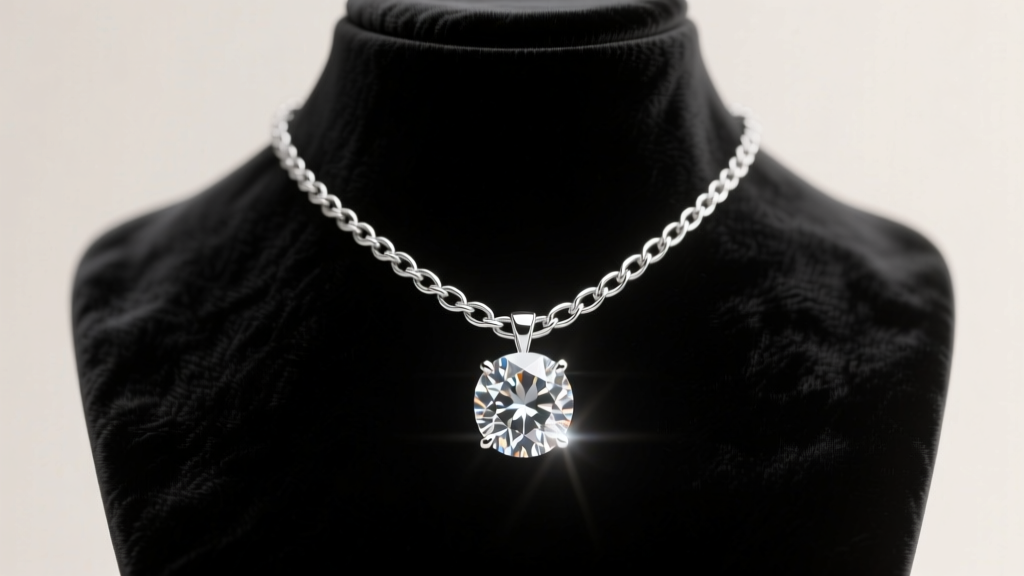
The challenge with utilizing a thick, heavy-duty chain is that it can easily overpower the pendant itself or look overly bulky against the collarbone. The key to mastering this aesthetic lies in proportion and layering.
The Art of the Bail
If your pendant has a small bail (the loop the chain passes through), forcing a thick 3.0mm chain through it will cause severe friction and eventually wear through the bail's metal. Instead, use a chain enhancer or a tapered bail. A tapered bail allows a thick, strong chain to connect to a wider loop at the top, which then narrows down to fit the delicate hole of the pendant, distributing the weight safely without compromising the design.
Balancing Visual Weight
To prevent a thick curb or figaro chain from looking like a standalone statement piece that competes with your pendant, opt for a high-polish finish rather than a matte or diamond-cut texture. A smooth, mirror-like finish reflects light cleanly and allows the eye to travel directly to the pendant. Additionally, consider the length of the chain. Heavy pendants tend to pull the chain tightly against the back of the neck, which can cause discomfort. Opting for a slightly longer chain (20 to 24 inches) allows the weight to rest lower on the chest, improving both the drape of the metal and the physical comfort of the wearer.
Ultimately, selecting the right foundation for your jewelry is an exercise in both engineering and aesthetics. By prioritizing interlocking link structures, respecting the yield strength of your chosen metal alloys, and insisting on soldered findings, you ensure that your favorite statement pieces remain secure, stylish, and structurally sound for a lifetime of wear.


