Choosing a Palestine Map Necklace: Metal Comparison Guide
Compare metals for your Palestine map necklace. Discover the best materials for durability, skin sensitivity, and daily wear in this expert metal guide.

The Significance and Structural Demands of the Map Pendant
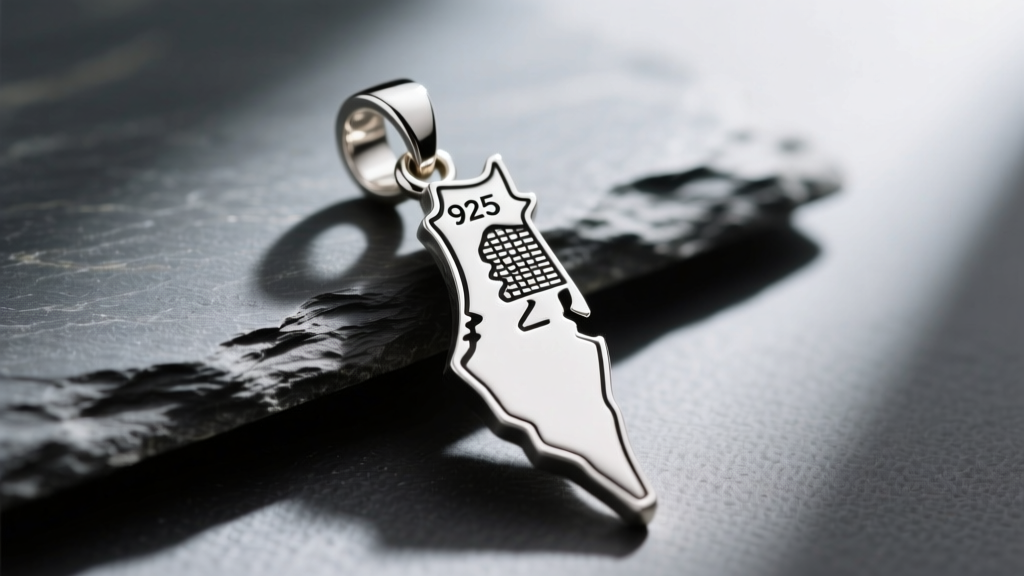
Wearing a Palestine map necklace is a profound expression of cultural heritage, solidarity, and personal identity. However, from a jewelry design and metallurgical perspective, map pendants present unique structural challenges that buyers must consider before purchasing. Unlike simple geometric shapes or smooth gemstone cabochons, a geographic map features intricate cutouts, varying surface reliefs, and sharp exterior points—particularly around the coastal edges and southern borders.
These protruding edges are highly susceptible to impact, friction, and snagging on knitwear. Furthermore, map pendants generally possess a larger surface area, meaning they weigh more than standard charms (typically ranging from 4 grams to 12 grams depending on the metal density and thickness). A standard 1.5mm thickness is ideal for durability, but this added weight dictates strict requirements for the chain gauge and clasp mechanics. Choosing the right metal is not just about aesthetics; it is about ensuring the piece survives daily wear without bending, tarnishing, or causing skin irritation.
Metallurgical Breakdown: What to Expect
When shopping for a Palestine map necklace, you will encounter several base metals and finishes. Understanding their exact chemical compositions and failure modes is critical for making an informed investment.
925 Sterling Silver: The Classic Standard
Sterling silver is an alloy consisting of 92.5% pure silver and 7.5% copper. The copper is added to increase the Vickers hardness of the metal, making it durable enough for daily wear. However, this copper content is also the reason sterling silver tarnishes. When exposed to sulfur compounds in the air, cosmetics, or sweat, the copper reacts to form silver sulfide, creating a dark patina. For a map pendant with deep, engraved geographic borders, this tarnish can accumulate in the crevices, requiring regular polishing with a treated jeweler's cloth to maintain the contrast and shine.
316L Surgical Stainless Steel: The Budget Workhorse
316L stainless steel is highly favored for affordable solidarity jewelry, typically pricing between $15 and $35. The 'L' stands for low carbon, and the alloy includes 2-3% molybdenum, which drastically increases its resistance to chloride corrosion (making it ideal for wearers who sweat heavily or swim). However, 316L steel contains 8-10.5% nickel. While the nickel is tightly bound within the metal's crystal lattice, prolonged exposure to highly acidic sweat can cause trace leaching. According to the American Academy of Dermatology, individuals with severe nickel contact dermatitis should avoid stainless steel and opt for higher-purity metals.
Gold Vermeil vs. Flash Plating: The Transparency Gap
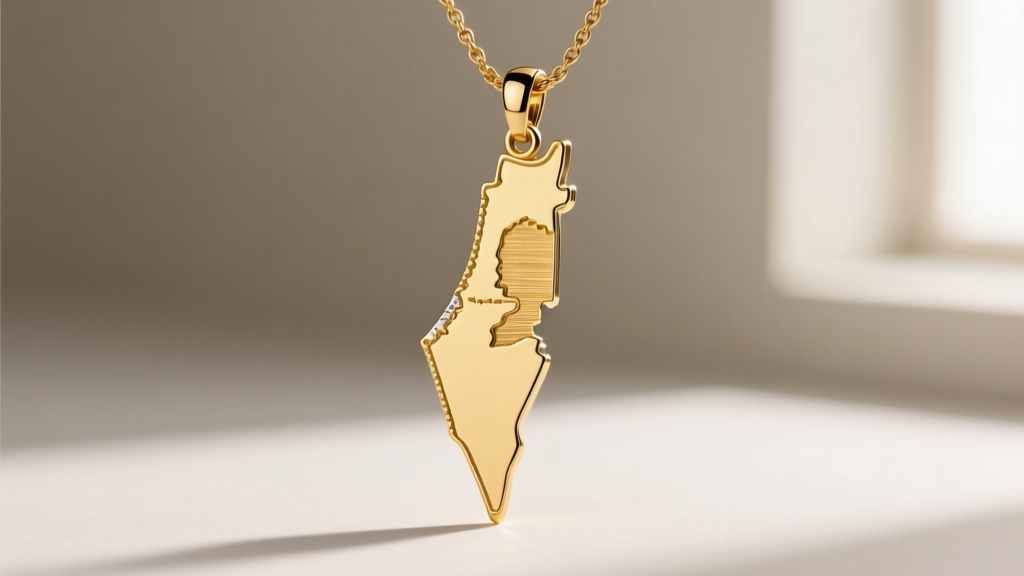
Many consumers seek the look of gold without the solid gold price tag, leading them to gold-plated map necklaces. It is vital to distinguish between 'flash plating' and true 'vermeil.' Flash plating involves dipping a cheap brass base into a microscopic layer of gold (often less than 0.1 microns). The raised edges of a map pendant will rub against clothing, wearing through this thin layer within weeks and exposing the brass underneath, which oxidizes and turns the skin green. True gold vermeil, as regulated by industry standards, requires a base of 925 sterling silver coated with at least 2.5 microns of 10k or higher gold. Always verify the micron thickness before purchasing a vermeil piece.
Solid 14k and 18k Gold: Heirloom Durability
For a lifelong piece, solid gold is the ultimate choice. The Gemological Institute of America (GIA) notes that 14k gold (58.5% pure gold) offers superior durability compared to 18k gold (75% pure gold). Because the sharp points of a map pendant are prone to micro-scratches and impacts against desks or doorframes, the higher alloy content in 14k gold provides a harder, more scratch-resistant surface. 18k gold, while richer in color, is softer and more likely to show wear on the high-relief coastal edges over a decade of daily use.
Comparative Data: Tarnish, Allergies, and Pricing
The table below synthesizes the core properties of the most common metals used for Palestine map pendants, helping you align your budget with your lifestyle needs.
| Metal Type | Base Composition | Tarnish Risk | Hypoallergenic? | Avg. Price Range | Best Use Case |
|---|---|---|---|---|---|
| 316L Stainless Steel | Iron, Chromium, Molybdenum, Nickel | None | No (Contains Nickel) | $15 - $40 | Budget-friendly, heavy daily wear, showering |
| 925 Sterling Silver | 92.5% Silver, 7.5% Copper | High | Mostly Yes | $45 - $90 | Classic look, requires periodic polishing |
| Gold Vermeil | 925 Silver + 2.5μm Gold Plating | Moderate (Edges) | Yes | $70 - $150 | Gold aesthetic with a safe base metal |
| Solid 14k Gold | 58.5% Gold, Alloyed with Copper/Zinc | None | Yes | $250 - $600+ | Lifelong heirloom, zero maintenance |
Chain Gauge, Bail Mechanics, and Weight Distribution
A common failure point in map necklaces is not the pendant itself, but the chain snapping or the bail (the loop connecting the pendant to the chain) wearing through. Because a solid metal map pendant can easily weigh between 6 and 10 grams, pairing it with a delicate 0.8mm cable chain is a structural mistake. The thin chain acts like a microscopic saw, creating friction against the inside of the bail and eventually cutting through the metal.
Expert Chain Recommendations:
- For Pendants Under 5g: A 1.0mm to 1.2mm sterling silver or gold cable chain is sufficient. Ensure the clasp is a spring ring of at least 8mm.
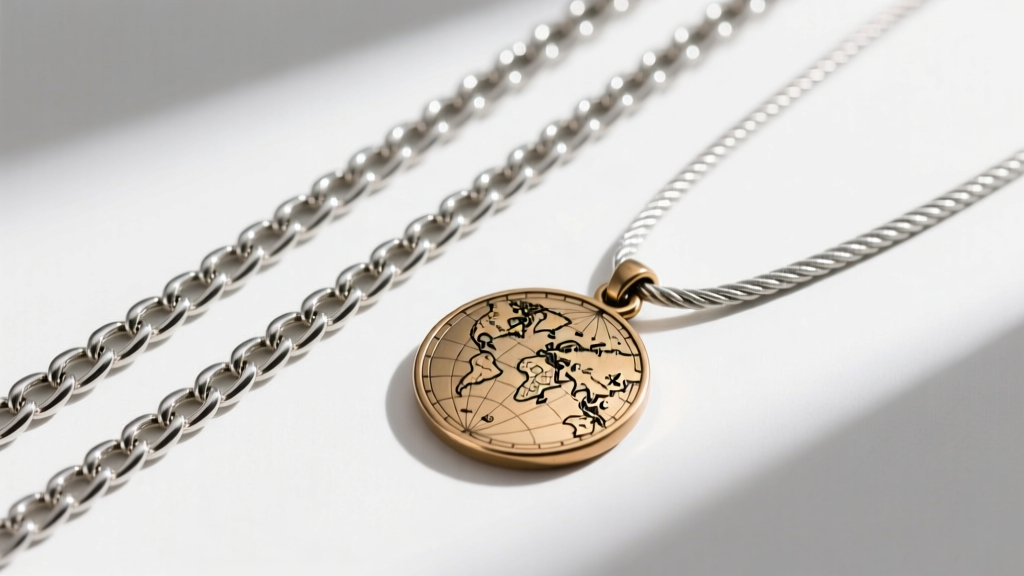
- For Pendants 5g to 12g: Upgrade to a 1.5mm box chain or a 1.5mm rope chain. Box chains are exceptionally strong due to their interlocking square links, which distribute the pendant's weight evenly. Always insist on a 12mm or 14mm lobster clasp, which features a stronger internal spring mechanism than a standard spring ring.
- Bail Sizing: Ensure the pendant's bail has an internal diameter of at least 3mm to accommodate a 1.5mm chain without forcing the links to bend at sharp angles, which weakens the chain over time.
Care Protocols and Maintenance
Proper maintenance extends the life of your jewelry, but the cleaning method must match the metal. According to Jewelers of America, ultrasonic cleaners are excellent for removing trapped oils from the intricate cutouts of a map pendant, but they will violently strip the gold layer right off a vermeil or plated piece.
Pro-Tip for Silver Map Pendants: To prevent tarnish from settling into the engraved borders of your sterling silver map, store the necklace in an airtight ziplock bag alongside a silica gel packet and an anti-tarnish 3M strip. This neutralizes the sulfur in the ambient air and keeps the silver bright for months without polishing.
For solid gold and stainless steel, a simple bath in warm water with a few drops of mild, phosphate-free dish soap, followed by a gentle scrub with a baby-bristle toothbrush, will safely remove lotion and dead skin cells from the pendant's crevices without scratching the metal.
Final Verdict: Matching Metal to Lifestyle
Selecting the right Palestine map necklace comes down to balancing your budget, skin sensitivity, and maintenance tolerance. If you want a rugged, waterproof piece that you never have to take off, 316L stainless steel is the undisputed champion, provided you do not have a nickel allergy. For those seeking a traditional, bright finish who don't mind a quick polish every few months, 925 sterling silver offers excellent value and safe wearability. Finally, if this necklace is meant to be a permanent, generational heirloom that withstands the friction of daily life without losing its luster, investing in solid 14k gold paired with a robust 1.5mm box chain is the only choice that guarantees lifelong structural integrity.


