Finding the Perfect Unique Cross Necklace for Women: A Buyer's Guide
Discover how to choose a unique cross necklace for women. Explore materials, chain lengths, and design styles in our expert buying guide.

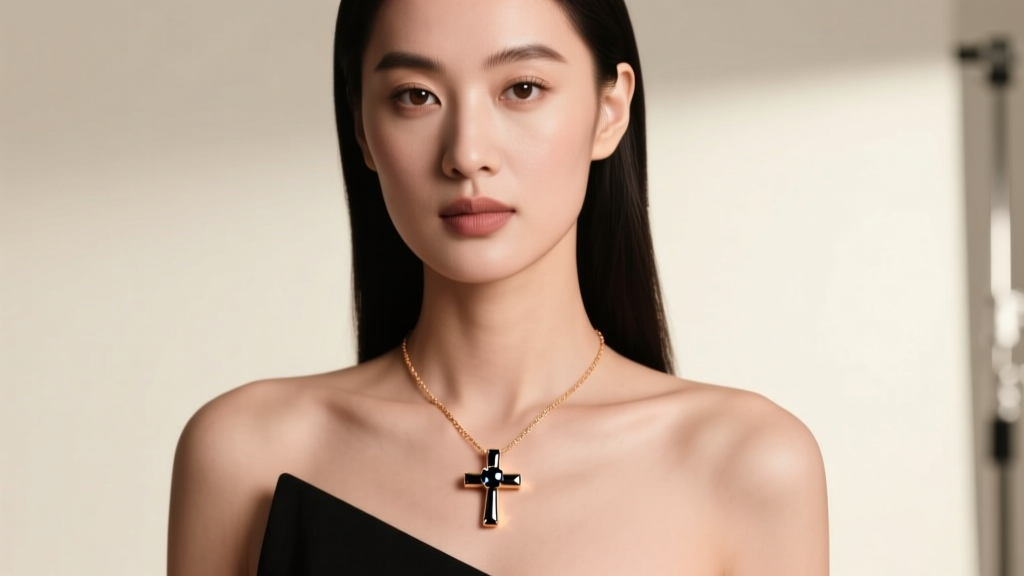
Why Move Beyond the Traditional Cross Pendant?
The jewelry landscape of 2026 has fully embraced hyper-personalization, and nowhere is this more evident than in the evolution of religious and symbolic motifs. When shopping for a unique cross necklace for women, buyers are increasingly moving away from mass-produced, cookie-cutter silhouettes. Today's market favors architectural asymmetry, mixed-metal fabrication, and heritage-inspired knotwork. Whether you are purchasing a meaningful gift or curating your own everyday stack, understanding the structural and aesthetic nuances of modern cross pendants is essential for making a lasting investment.
This comprehensive buying guide breaks down the exact specifications, material grades, and design mechanics you need to evaluate before adding a distinctive cross pendant to your collection.
Decoding Cross Silhouettes: Which Style Speaks to You?
The term 'cross' encompasses a vast array of geometric configurations. Selecting the right silhouette dictates how the piece layers with other necklaces and complements various necklines.
The Sideways and Asymmetrical Cross
Popularized by minimalist designers, the sideways cross (often resembling a plus sign or an intersecting bar) sits horizontally along the collarbone. This orientation prevents the pendant from flipping and provides a subtle, modern edge. Asymmetrical crosses, where the vertical and horizontal beams are off-center or feature uneven diamond accents, offer an avant-garde aesthetic that pairs beautifully with structured blazers and deep V-necklines.
The Celtic and Knotwork Cross
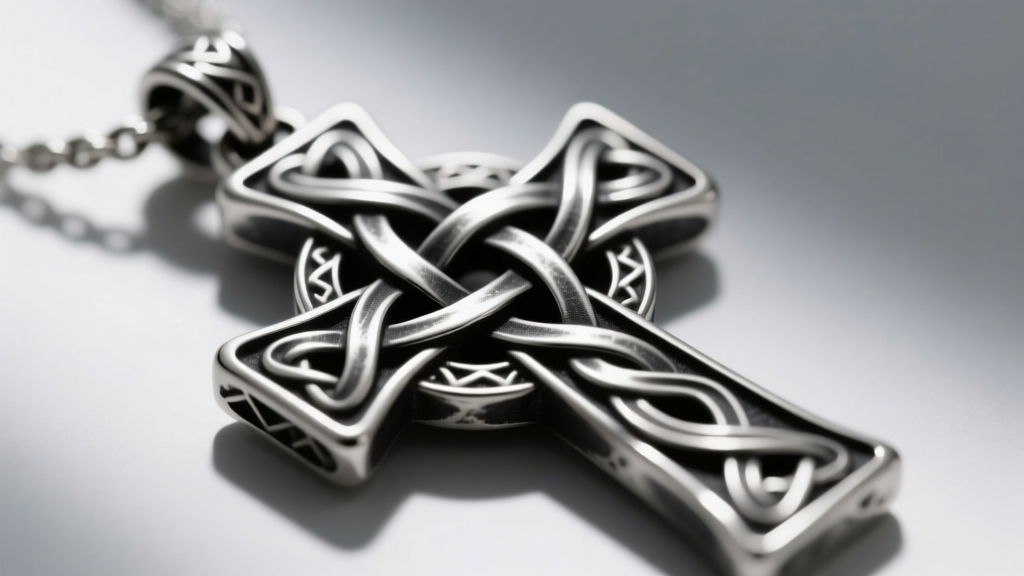
For those seeking heritage and depth, the Celtic cross incorporates intricate interlacing. When evaluating these pieces, look for 'openwork' designs where the negative space is cleanly cut out, rather than merely engraved onto a solid surface. True openwork reduces the overall weight of the pendant, preventing it from dragging down delicate chains.
The Dagger and Gothic Cross
Characterized by elongated vertical beams, fluted edges, and oxidized finishes, gothic crosses serve as statement pieces. They are best suited for heavier chains and are a staple in alternative or high-fashion streetwear styling.
Material Matters: Durability vs. Aesthetics
The longevity of your necklace hinges entirely on its metallurgical composition. According to standards outlined by Jewelers of America, understanding the alloy breakdown is critical for avoiding premature tarnishing and skin irritation.
| Metal Type | Grade / Standard | Tarnish Resistance | Avg. Price Range | Best Use Case |
|---|---|---|---|---|
| Argentium Silver | 935 Silver | Very High | $85 - $250 | Everyday wear, low maintenance |
| 14k Solid Gold | 585 Gold | Exceptional | $450 - $1,200 | Heirloom pieces, shower/sleep safe |
| 18k Solid Gold | 750 Gold | Exceptional | $800 - $2,500+ | Luxury, rich color, softer metal |
| Surgical Stainless | 316L Steel | Moderate | $35 - $90 | Budget-friendly, edgy styles |
| Vermeil | Gold over 925 | Low (wears off) | $120 - $300 | Occasional wear, trend pieces |
Expert Tip: Avoid 'gold-plated brass' if you intend to wear the necklace daily. The brass core will eventually oxidize and bleed through the microscopic gold layer, turning both the metal and your skin green. Always opt for solid metals or heavy gold vermeil over a sterling silver base.
Sizing the Pendant and Chain: Proportions That Work
A common failure point in necklace purchasing is mismatching the pendant weight with the chain gauge. A heavy, solid-cast gothic cross will easily snap a delicate 0.9mm cable chain. Here is a practical framework for matching proportions:
- Micro Pendants (8mm - 15mm): Best paired with 1.0mm to 1.2mm chains. Ideal for layering or wearing tucked just above the collarbone.
- Standard Pendants (16mm - 25mm): Require a 1.5mm to 2.0mm chain. A 1.5mm box chain offers excellent tensile strength while remaining visually unobtrusive.
- Statement Pendants (30mm - 50mm+): Demand heavy 2.5mm to 4.0mm rope or Cuban link chains to support the physical weight and match the visual gravity of the piece.
Always check the 'bail'—the loop that connects the pendant to the chain. For pendants over 10 grams, ensure the bail is soldered closed rather than merely bent wire, which can pull apart under tension.
Gemstone Accents: Settings and Stone Selection
When a unique cross necklace for women incorporates gemstones, the setting style dictates both the security of the stones and the pendant's tactile comfort.
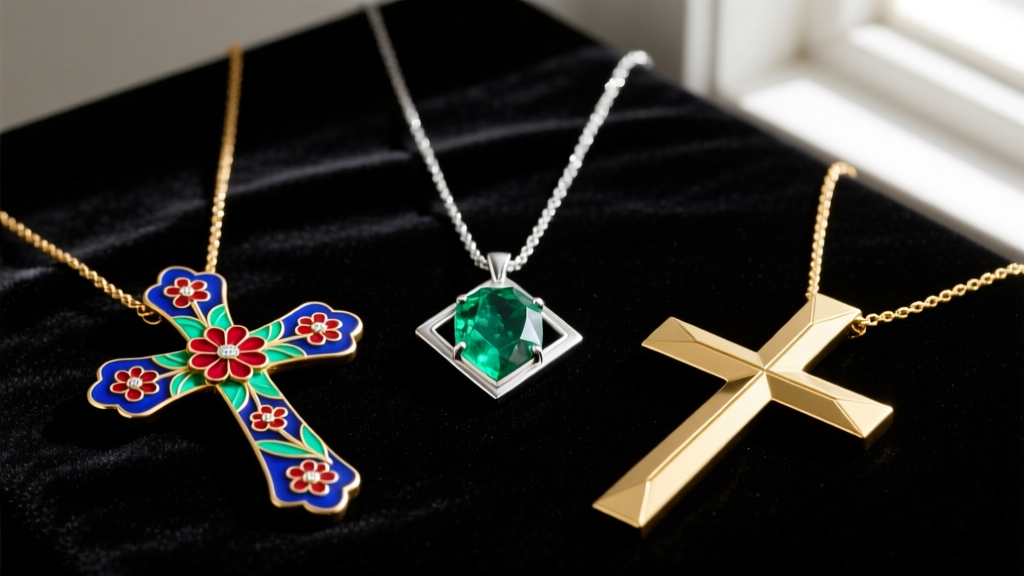
According to the Gemological Institute of America (GIA), the hardness and cleavage of a gemstone should influence its setting. Diamonds and sapphires (Mohs 9-10) can withstand traditional prong settings. However, if your cross features softer stones like opals, moonstones, or raw emeralds, insist on bezel or semi-bezel settings. Prongs on softer stones will inevitably lead to chipped edges and lost gems as the metal snags on knitwear and silk.
Common Buying Pitfalls to Avoid
Even seasoned jewelry buyers fall prey to manufacturing shortcuts. Keep an eye out for these specific red flags when reviewing product photos and descriptions:
- Hollow-Backed Pendants: Many mass-market brands hollow out the back of the cross to save on precious metal costs. These pendants are notoriously prone to denting if bumped against a hard surface, and their uneven weight distribution causes them to constantly flip upside down on the chain.
- Weak Spring Ring Clasps: If the necklace comes with a pre-attached chain, check the clasp. Spring ring clasps are fragile and frequently fail. A sturdy lobster claw clasp is the hallmark of a quality assembly.
- Poorly Finished Edges: Run your mind (or fingers, if in-store) along the perimeter of the cross. Sharp, un-filed edges will act like tiny blades, slowly fraying and cutting through your chain over time.
Final Thoughts on Curating Your Collection
Securing the perfect unique cross necklace for women is an exercise in balancing symbolic resonance with structural integrity. By prioritizing solid metal grades like Argentium 935 or 14k gold, matching chain gauges to pendant weights, and selecting secure bezel settings for delicate gemstones, you ensure your piece will endure as a staple in your wardrobe for decades. Approach your purchase with an eye for the hidden mechanics—the soldered bails, the solid castings, and the clasp quality—and you will acquire a piece that is as resilient as it is beautiful.


