Kate Middleton Wore a New Engraved Heart Necklace February 5: Gift Guide
Discover why Kate Middleton wore a new engraved heart necklace February 5 and how to choose the perfect sentimental pendant for your loved ones.

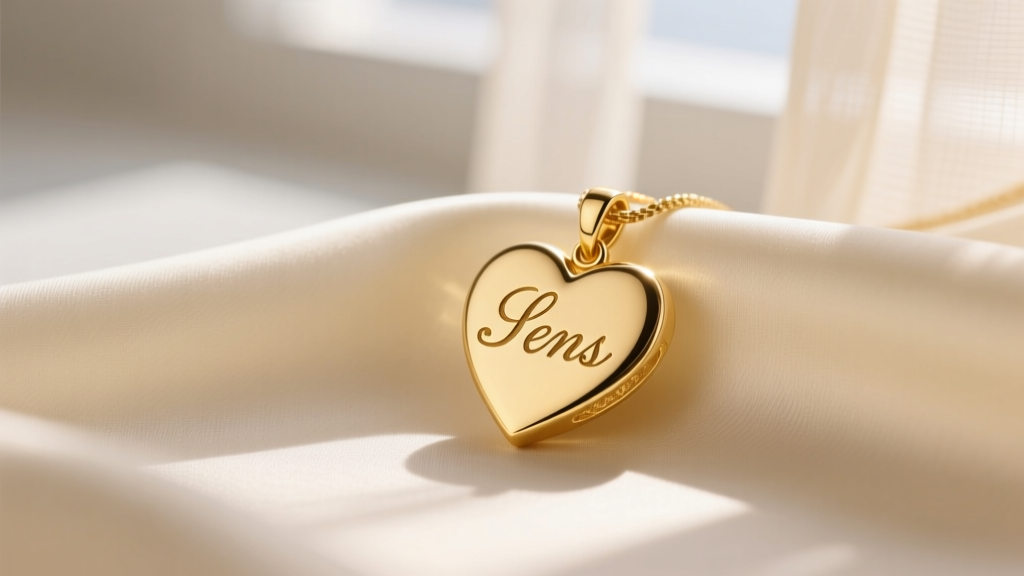
The Royal Standard: Decoding the Sentimental Jewelry Trend
When fashion historians and royal watchers noted that Kate Middleton wore a new engraved heart necklace February 5, it wasn't just a fleeting tabloid moment—it was a masterclass in sentimental styling. The Princess of Wales has long championed jewelry that carries deep personal meaning, from her lapis lazuli pendant honoring Prince George's birth to her custom Daniella Draper disco ball necklace. Sentimental jewelry, particularly engraved heart pendants, bridges the gap between everyday wearability and profound emotional resonance. As we navigate the 2026 gifting landscape, the demand for personalized, story-driven pendants has surged, moving beyond generic mall-kiosk engravings into the realm of fine, heirloom-quality metallurgy and bespoke artistry.
Whether you are shopping for a milestone anniversary, a push present, or a memorial piece, understanding the nuances of metal grades, engraving techniques, and chain architecture is critical. This guide breaks down the exact specifications you need to select a piece that rivals royal standards.
Metallurgy & Material Grades: Choosing the Right Base
The longevity of an engraved heart necklace depends entirely on the base metal. According to the Gemological Institute of America (GIA), the alloy composition dictates not just the color, but the Vickers Hardness (HV) of the piece, which determines how well it will hold an engraving and resist daily scratching.
- 14k Gold (58.5% Pure Gold): With a Vickers Hardness of roughly 120-140 HV, 14k gold is the undisputed champion for daily-wear pendants. It is rigid enough to hold deep, hand-carved engravings without the metal warping, and it resists the micro-scratches that can obscure fine lettering over time.
- 18k Gold (75% Pure Gold): Softer (around 100-120 HV) but boasting a richer, warmer yellow hue. 18k gold is ideal for lockets or pieces worn on special occasions, but the softer metal means laser engravings may fade slightly faster with heavy friction.
- Sterling Silver (92.5% Pure Silver): A budget-friendly option that takes beautifully to diamond-drag engraving. However, silver oxidizes. While some appreciate the patina that settles into engraved grooves (enhancing readability), it requires occasional polishing with a treated jeweler's cloth.
The Science of Engraving: Laser vs. Diamond-Drag
Not all engravings are created equal. The method used to etch your message, date, or fingerprint into the heart pendant drastically alters the final aesthetic and tactile feel.
Laser Engraving
Laser engraving uses a highly focused beam of light to burn or oxidize the surface of the metal. The depth is incredibly shallow (typically 0.01mm to 0.05mm). Best for: Micro-details, exact replicas of a loved one's handwriting, fingerprints, or complex coordinate maps. Because it doesn't remove significant metal, it is safe for very thin, delicate heart pendants (under 1mm thickness).
Diamond-Drag (Hand) Engraving
This traditional method uses a diamond-tipped cutting tool to physically carve away the metal, creating a deep, V-shaped groove (up to 0.2mm deep). Best for: Classic block or script fonts, initials, and dates. The carved grooves catch the light, creating a shimmering, tactile effect that laser engraving cannot replicate. The Court Jeweller frequently notes that historical royal lockets and sentimental pendants rely on this deep-cut technique for its heirloom permanence.
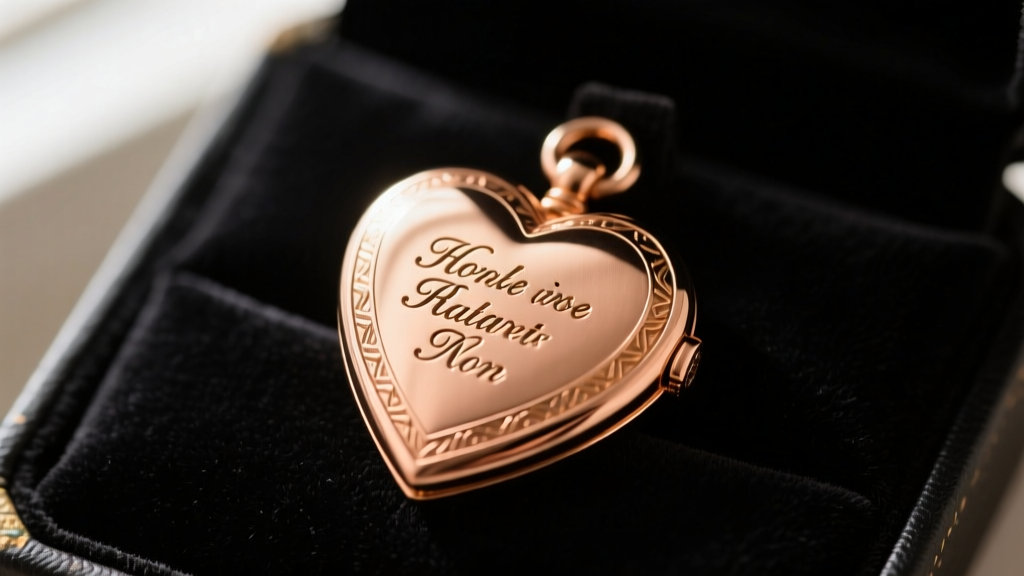
Font & Layout Decision Framework
| Font Style | Best Engraving Method | Ideal Use Case | Max Characters (Standard 15mm Heart) |
|---|---|---|---|
| Classic Block | Diamond-Drag | Initials, single dates (e.g., 10.24.26) | 10-12 characters |
| Flowing Script | Laser or Diamond-Drag | Short names, romantic words | 15-18 characters |
| Typewriter / Mono | Laser | Coordinates, hidden messages | 20-25 characters |
| Handwriting Replica | Laser | Memorials, notes from children | Varies (requires high-res scan) |
Occasion Matching: A 2026 Gifting Matrix
An engraved heart necklace is highly versatile, but the specific design and metal choice should align with the gravity of the occasion.
- The Push Present (New Mother): Opt for a 14k yellow gold heart featuring the child's initial in a classic serif font, or a laser-engraved birth flower. Pair it with an 18-inch rolo chain that can withstand the pulling of toddler hands.
- The Milestone Anniversary: Choose an 18k rose gold locking heart locket. Engrave the exact GPS coordinates of where you met on the back, and keep a microscopic laser-etched photo inside.
- The Memorial Piece: A heavy sterling silver or 14k white gold heart pendant featuring a laser-engraved replica of a loved one's actual handwriting saying "I love you." The contrast of the dark laser burn against white gold creates profound readability.
- Valentine's Day / Self-Gifting: A minimalist 10mm 14k gold heart with a hidden word engraved on the bail (the loop connecting the pendant to the chain), keeping the sentiment private to the wearer.
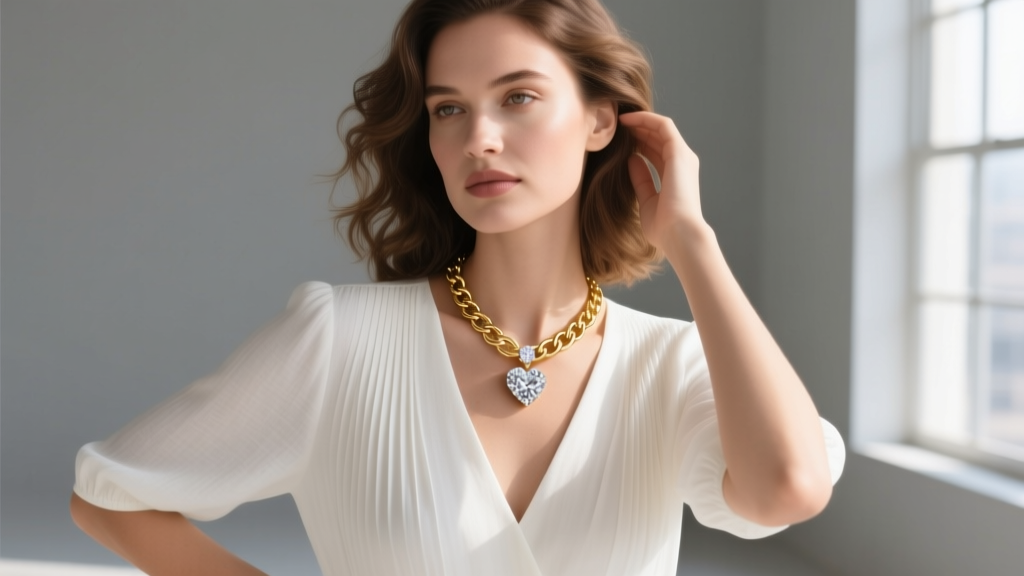
Chain Architecture: Gauges, Clasps, and Lengths
A common failure point in fine jewelry is the chain. A heavy heart pendant will snap a delicate chain, while a thick chain will overwhelm a dainty heart. Match the chain gauge to the pendant weight:
- Cable Chain (1.0mm - 1.2mm): The traditional choice for lightweight, flat heart pendants (under 2 grams). It lays flat and keeps the engraving facing forward.
- Box Chain (1.2mm - 1.5mm): Incredibly strong due to its interlocking square links. Ideal for heavier, three-dimensional heart lockets. It resists kinking and won't pull chest hair.
- Rolo Chain (1.5mm+): Features uniform round links. Offers a vintage, robust look that pairs beautifully with diamond-drag engraved hearts and larger bail attachments.
Clasp Mechanics: Avoid spring-ring clasps for any pendant over 3 grams; the internal tension spring frequently fails, leading to lost jewelry. Always upgrade to a lobster-claw clasp with a soldered jump ring (meaning the ring connecting the clasp to the chain has no seam to pull apart).
Pricing Tiers & Sourcing
When shopping for an engraved heart necklace that mirrors the quality seen on royal figures, expect the following pricing structures in 2026:
- Entry-Level ($80 - $150): Sterling silver or 14k gold vermeil hearts with standard laser engraving. Excellent for trend-driven gifting, though vermeil will eventually wear down to the brass or silver base.
- Mid-Tier ($250 - $600): Solid 14k gold (yellow, white, or rose) with custom diamond-drag engraving and a high-quality lobster clasp. This is the sweet spot for heirloom-quality push presents and anniversaries.
- Luxury & Bespoke ($800+): 18k gold, hand-engraved by master artisans, potentially featuring enamel guilloché work or hidden diamond accents. Brands like Foundrae and Nancy & Me specialize in this tier of symbolic, heavy-weight sentimental jewelry.
Final Styling Tips for Sentimental Pendants
To achieve the effortless, layered look frequently spotted on style icons, pair your engraved heart necklace with pieces of contrasting textures. Wear a 16-inch engraved heart on a delicate cable chain, and layer it with an 18-inch oxidized silver paperclip chain or a simple 14k gold herringbone choker. The contrast in chain styles and lengths ensures the engraved heart remains the focal point without looking overly curated. Remember, the true value of the piece lies not just in the karat of the gold, but in the permanence of the memory etched into its surface.


