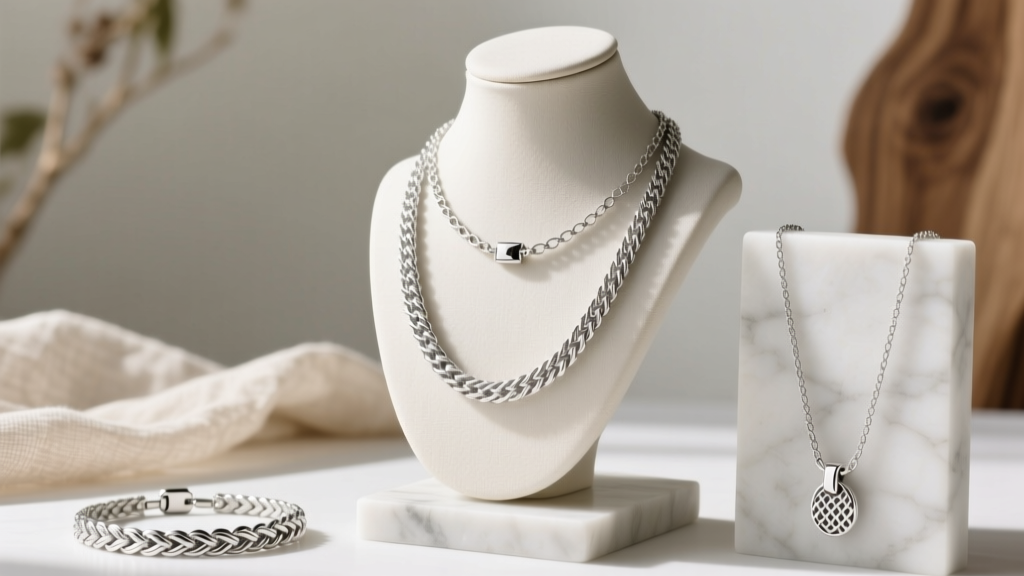
Necklace Kinds Explained: A Buyer's Guide to Chain Durability
Discover the most durable necklace kinds for everyday wear. This buyer's guide covers chain structures, metal grades, and clasp mechanics.

The Hidden Engineering Behind Your Favorite Chains
When shopping for fine jewelry, consumers often fixate on the pendant or the gemstone, treating the chain as a mere afterthought. However, the structural integrity of the chain dictates the lifespan of the entire piece. With dozens of necklace kinds available on the market, understanding the mechanical differences between a fragile snake chain and a robust curb chain is the difference between a lifelong heirloom and a frustrating repair bill. This comprehensive buyer’s guide strips away the marketing fluff to examine the metallurgy, link architecture, and failure modes of the most popular chain styles, empowering you to make an informed, durable purchase.
The Metallurgy of Everyday Wear: 14k vs. 18k vs. Platinum
Before analyzing specific link structures, we must address the foundational alloy. Pure 24k gold is far too malleable for chain manufacturing; it will stretch and deform under the weight of even a modest pendant. Therefore, chains are crafted from gold alloys or platinum.
- 14k Gold (58.5% Gold): The undisputed workhorse for durable chains. The higher percentage of alloy metals (like copper, silver, and zinc) increases tensile strength and scratch resistance. According to the Gemological Institute of America (GIA), 14k gold is ideal for thin, everyday chains that require rigidity to resist stretching.
- 18k Gold (75% Gold): Prized for its rich, buttery yellow hue and hypoallergenic properties. However, 18k gold is noticeably softer. An 18k cable chain under 1.2mm in gauge is highly susceptible to permanent stretching if subjected to sudden tension.
- Platinum (90-95% Platinum): Incredibly dense and resistant to material loss over time. While platinum chains rarely snap, thin platinum links can stretch and become oval-shaped over years of wear due to the metal's malleable, non-brittle nature. Platinum is best reserved for heavier gauge chains (1.5mm and above).
Expert Insight: Avoid "hollow" gold chains at all costs. Manufacturers electroform or tube-fill these chains to offer a thick, 14k gold look at a fraction of the weight. They dent easily upon impact, and because they are hollow, traditional soldering repair is virtually impossible.
Evaluating Popular Necklace Kinds for Structural Integrity
Not all links are created equal. The geometry of the chain determines its flexibility, tangle-resistance, and repairability. Below is a breakdown of the most common necklace kinds and their real-world performance metrics.
| Chain Style | Durability Rating | Tangle Risk | Repairability | Best Use Case |
|---|---|---|---|---|
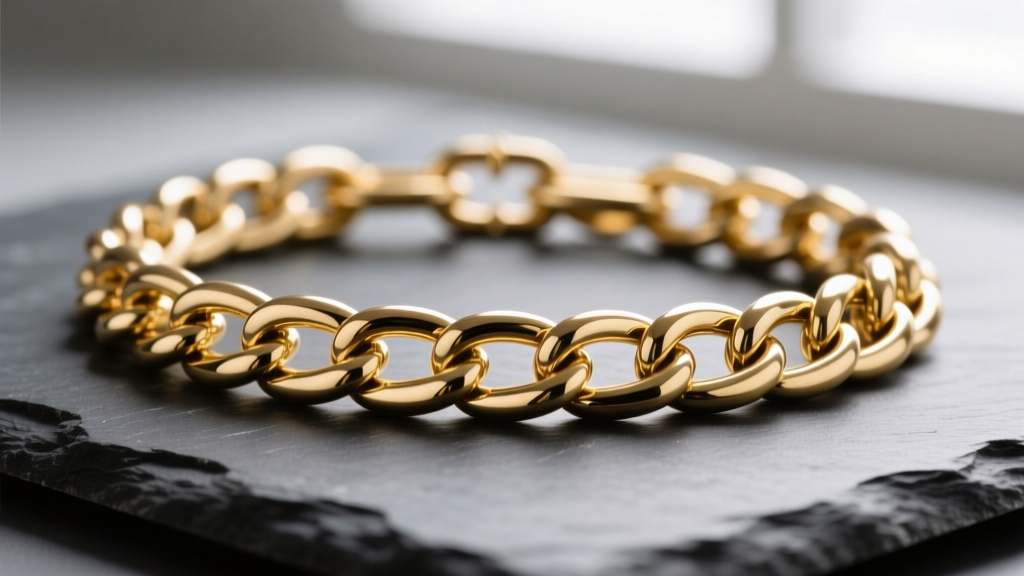
| Curb | Excellent | Very Low | High | Standalone wear, heavy pendants |
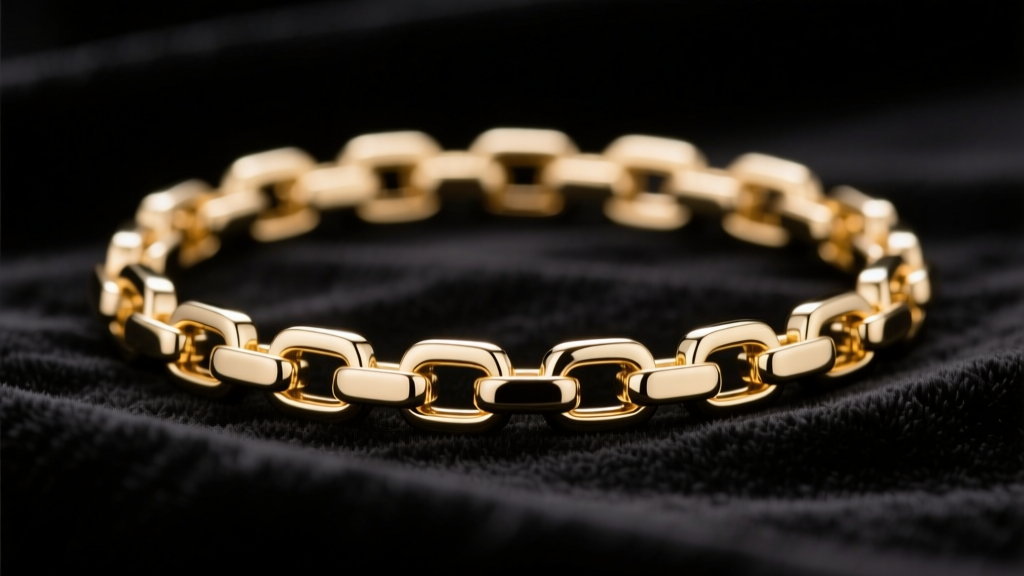
| Cable | Good (if soldered) | Low | High | Everyday pendant chains |
| Box | Very Good | Moderate | Moderate | Delicate to medium pendants |
| Rope | Moderate | High | Very Difficult | Statement pieces, no pendants |
| Snake | Poor | Low | Impossible | Short-term fashion, light wear |
The Workhorses: Curb and Soldered Cable Chains
If longevity is your primary concern, curb chains are the superior choice. Their interlocking, flattened links lay flush against the skin, distributing tension evenly across the chain. Because the links are flat, they rarely catch on clothing or hair. Cable chains, characterized by uniform oval links, are equally durable only if the links are soldered. Unsoldered cable chains rely entirely on the tension of the bent wire; a single snag can pull a link apart. Always inspect the links under a loupe to ensure a visible solder seam is present.
The High-Maintenance Styles: Rope and Snake Chains
While visually striking, rope and snake chains present significant structural liabilities. Rope chains consist of twisted links that mimic a woven rope. This intricate twisting creates microscopic crevices that trap oils, lotions, and dead skin, dulling the chain's sparkle over time. Furthermore, if a rope chain snaps, the untwisting of the links makes a seamless repair nearly impossible. Snake chains, composed of tightly joined wavy metal plates, offer a sleek, liquid-metal appearance. However, their rigid tubular structure means that if the chain is bent backward, the internal joints will kink and permanently fracture. As noted by Jewelers of America, snake chains should never be worn to bed or paired with heavy pendants that could pull the chain out of its natural drape.
Clasp Mechanics: Securing the Weakest Link
A chain is only as secure as its clasp. The wrong clasp can lead to lost jewelry, while an overly bulky clasp can ruin the drape of a delicate piece. Understanding clasp mechanics is crucial when evaluating different necklace kinds.
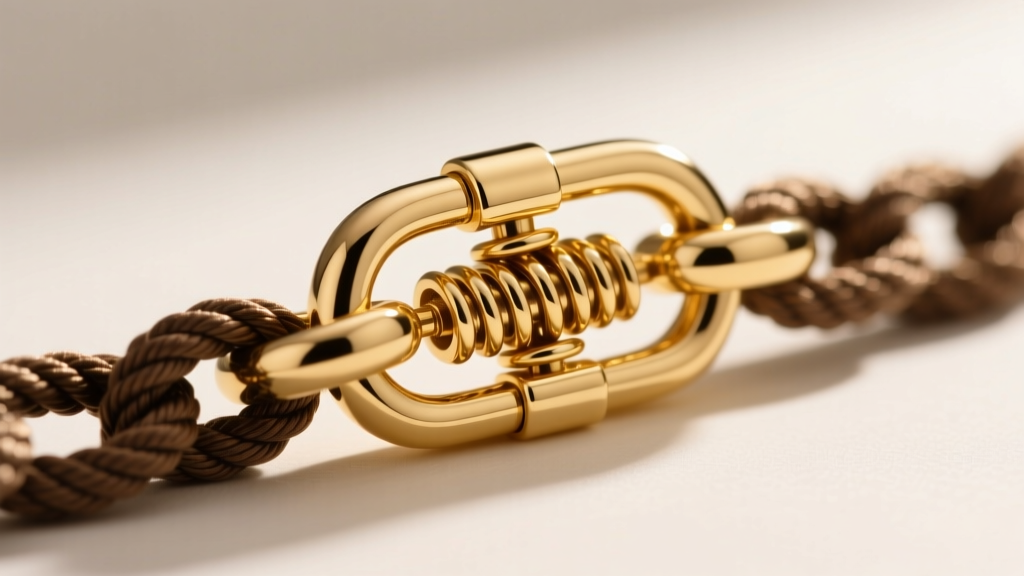
- Spring Ring Clasps: The most common and inexpensive clasp, featuring a tiny internal spring. While adequate for ultra-fine chains (under 0.8mm), the internal spring mechanism frequently fails or weakens over time. They are also notoriously difficult to operate with one hand.
- Lobster Clasps: The gold standard for everyday security. Shaped like a lobster claw, these feature a robust, heavy-duty internal spring and a wider opening that easily hooks onto a jump ring. For chains ranging from 1.0mm to 2.5mm, a solid cast lobster clasp is the most reliable choice.
- Box Clasps with Safety Latches: Essential for heavy or thick chains (3.0mm and above). The tongue folds into a V-shaped box, locking into place. High-end versions include a figure-eight safety wire that catches the chain if the primary box mechanism dislodges, preventing catastrophic drops.
Gauge Sizing and Pendant Pairing Frameworks
The "gauge" or millimeter width of a chain dictates its visual weight and load-bearing capacity. Selecting the correct gauge requires balancing aesthetics with physics.
- 0.8mm - 1.0mm (Delicate): Ideal for lightweight, minimalist pendants (under 5 grams). These chains sit invisibly on the collarbone but will easily snap if subjected to lateral pulling or heavy loads.
- 1.2mm - 1.8mm (Standard): The versatile sweet spot. This gauge provides enough tensile strength to support most standard gemstone and gold pendants (5 to 15 grams) while maintaining an elegant profile.
- 2.0mm - 3.5mm (Statement): Designed to be worn standalone or with oversized, heavy statement pieces. At this width, curb, Figaro, and Miami Cuban links truly shine, offering substantial presence and near-indestructible durability.
When pairing a pendant with a chain, always apply the Bail-to-Chain Ratio Rule: the inner diameter of the pendant's bail must be at least 1.5 to 2 times wider than the chain's thickness. If a thick chain is forced through a tight bail, the constant metal-on-metal friction will eventually wear a hole through the bail or the chain links, leading to catastrophic failure.
Final Buying Checklist
Before finalizing your purchase, run the piece through this rapid quality-assurance checklist:
- Verify the hallmark (e.g., 14K, 585, PT950) is stamped on the chain end tab, not just the clasp.
- Run the chain through your fingers; it should drape fluidly without catching or kinking.
- Inspect the links under magnification to ensure soldered seams are fully closed.
- Test the clasp mechanism to ensure a crisp, audible "snap" upon closing.
By prioritizing structural engineering over fleeting trends, you can invest in necklace kinds that will securely and beautifully display your pendants for decades to come.