Choosing Necklace Materials: The Ultimate Buying Guide
Discover the best necklace materials for durability, style, and sensitive skin. Our expert buying guide covers gold, platinum, titanium, and more.

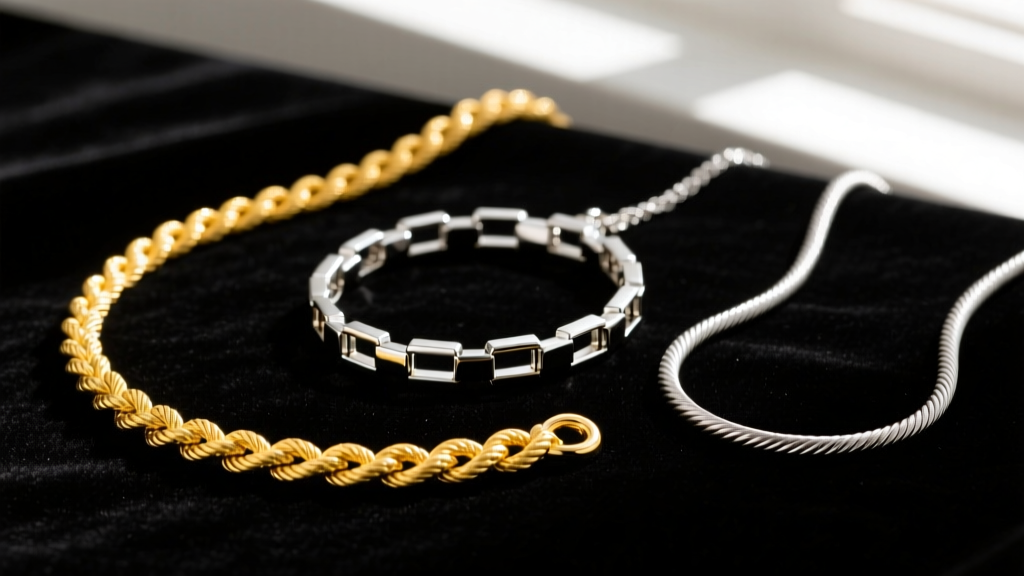
The Metallurgy of Necklaces: Why Material Choice Dictates Longevity
When shopping for fine jewelry, the design often steals the spotlight, but the underlying metallurgy determines whether a piece will last a season or a lifetime. Unlike rings or bracelets, necklaces endure unique mechanical stresses. Chain links experience constant micro-friction against one another, while pendants swing and strike the chest. In 2026, the landscape of necklace materials has expanded beyond traditional precious metals to include advanced aerospace alloys and sustainable recycled composites. Understanding the tensile strength, oxidation rates, and Vickers hardness of these materials is critical for making an informed investment.
According to the Gemological Institute of America (GIA), the alloy composition of precious metals directly impacts their structural integrity. A pure metal is rarely suitable for jewelry; it is the precise mixture of secondary metals that dictates a chain's resistance to stretching, snapping, and tarnishing. This comprehensive buying guide breaks down the exact specifications you need to look for when selecting your next necklace.
Precious Metals: Decoding Karats and Alloys
Gold: The 14K vs. 18K Debate
Gold remains the most popular choice for necklaces, but its purity level (measured in karats) drastically alters its performance. Pure 24K gold (99.9% gold) is far too malleable for chains; a 24K cable chain will stretch and break under the weight of even a modest pendant.
- 18K Gold (75% Gold): Alloyed with copper, silver, or zinc. It offers a rich, saturated yellow hue and is highly resistant to tarnish. However, with a Vickers hardness of roughly 125, it is prone to micro-scratches and link deformation. It is best reserved for thick, solid-link chains or pendant bails rather than delicate everyday chains.
- 14K Gold (58.3% Gold): The industry standard for durable chains. The higher proportion of alloy metals (like zinc and copper) increases its hardness to approximately 140 on the Vickers scale. This makes 14K gold ideal for intricate, high-friction weaves like the box chain or the popular paperclip chain, as it resists stretching and abrasion far better than 18K.
White Gold and the Rhodium Factor
White gold is created by alloying yellow gold with white metals like palladium, silver, or nickel. However, the natural color of white gold is actually a faint, warm grey. To achieve the brilliant, mirror-like chrome finish consumers expect, manufacturers electroplate the jewelry with rhodium, a rare platinum-group metal. This plating is typically only 0.75 to 1.0 microns thick. On a necklace chain, constant friction against the skin and clothing will wear this plating away in 12 to 18 months, requiring professional re-dipping (a maintenance cost of $50–$100 per session).
Platinum: The Heavyweight Champion
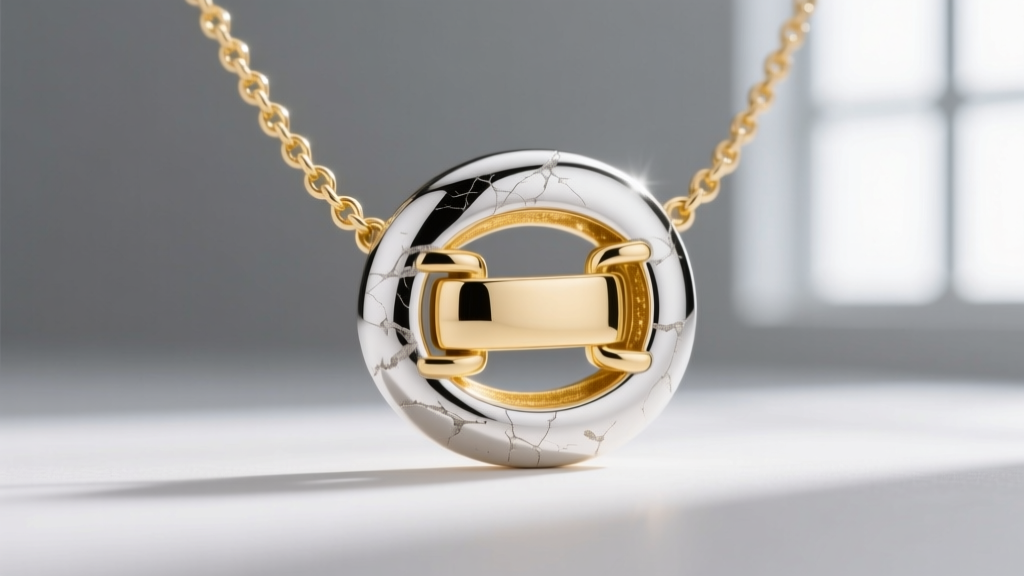
For buyers seeking a naturally white, hypoallergenic metal that requires zero plating, 950 Platinum is the apex choice. Stamped as '950Pt', this alloy contains 95% pure platinum and 5% ruthenium or cobalt for structural rigidity. According to the GIA Platinum Guide, platinum's density (21.45 g/cm³) makes it noticeably heavier than gold. When platinum is scratched, the metal is merely displaced rather than lost, developing a soft, frosted 'patina' over time that many collectors prize. However, this density and rarity mean a platinum chain will typically cost 2.5 to 3 times more than its 14K gold equivalent.
Hypoallergenic and Alternative Metals
For those with active lifestyles or severe metal sensitivities, alternative metals offer exceptional durability at a fraction of the cost of precious metals. The primary concern with cheaper jewelry is contact dermatitis, often triggered by nickel alloys. As noted by DermNet NZ, nickel allergy affects up to 15% of the population, making the choice of biocompatible materials essential.
Titanium (Grade 23 ELI)
Not all titanium is created equal. Commercial Grade 2 titanium is common in cheap mall jewelry, but high-end jewelers use Grade 23 Titanium (Ti-6Al-4V ELI). Originally developed for aerospace and surgical implants, this alloy is 100% biocompatible, completely impervious to saltwater and chlorine, and boasts a tensile strength of 130 ksi. It is incredibly lightweight, making it perfect for thick, statement chains that would be uncomfortably heavy in steel or gold. The drawback? Titanium cannot be soldered or resized, and it requires specialized diamond-tipped tools to cut in a medical emergency.
316L Surgical Stainless Steel and PVD Coatings
316L stainless steel contains trace amounts of nickel, but it is tightly bound within the chromium-oxide matrix, making it largely hypoallergenic for most wearers. In 2026, the most significant advancement in steel jewelry is PVD (Physical Vapor Deposition) coating. Unlike traditional electroplating, PVD bonds titanium nitride to the steel in a vacuum chamber, creating a surface that is 10 times more scratch-resistant and will not flake or turn your skin green, even with daily sweat exposure.
Comprehensive Necklace Materials Comparison Chart
| Material | Purity / Grade | Mohs Hardness | Tarnish & Rust | Avg. Price (18" 2mm Chain) | Best Use Case |
|---|---|---|---|---|---|
| Yellow Gold | 14K (585) | 3.5 - 4.0 | Highly Resistant | $600 - $900 | Everyday wear, pendants |
| White Gold | 18K (750) | 3.0 - 3.5 | Requires Rhodium | $900 - $1,400 | Formal wear, diamond settings |
| Platinum | 950Pt | 4.0 - 4.5 | None (Patina) | $2,200 - $3,500 | Heirloom pieces, heavy pendants |
| Titanium | Grade 23 ELI | 6.0 | Immune | $40 - $90 | Active lifestyles, sensitive skin |
| Stainless Steel | 316L (PVD) | 5.5 - 6.0 | Immune | $25 - $60 | Budget-friendly, streetwear |
Organic and Non-Metallic Options
Not all necklaces rely on metal chains. Organic materials offer a distinct, earthy aesthetic but require entirely different care protocols.
- Silk and Nylon Cords: Ideal for suspending heavy stone or jade pendants. Silk degrades when exposed to sweat and UV light, requiring replacement every 1–2 years. High-tech braided nylon (like Seron cord) is a modern alternative that offers waterproof durability while maintaining a soft drape.
- Leather: A staple for casual and bohemian styles. However, leather is highly porous. Body oils, perfumes, and humidity will cause untreated leather to rot or snap. Always look for sealed, wax-treated leather cords and remove them before showering.
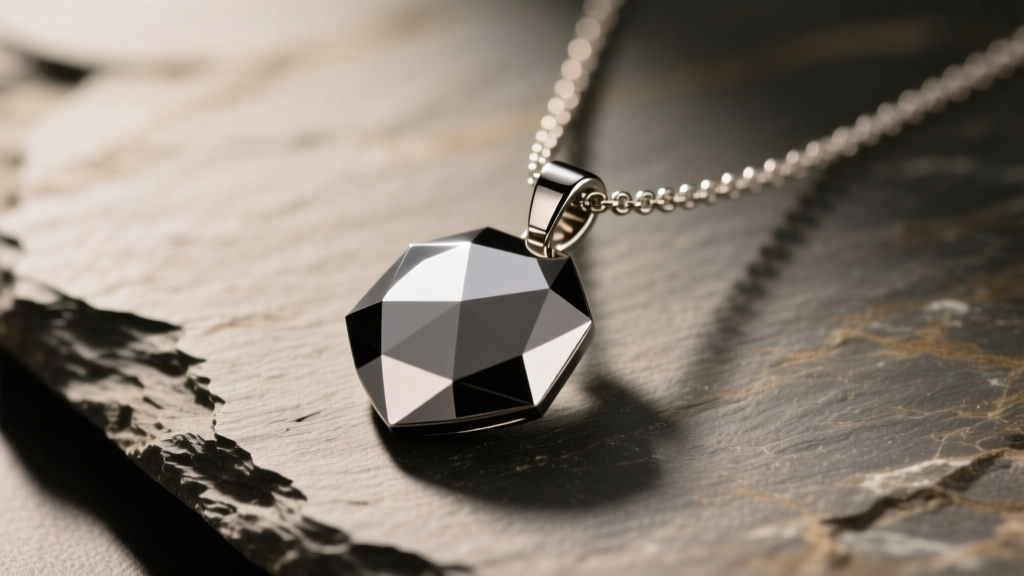
The 2026 Buying Framework: Matching Material to Lifestyle
To choose the right necklace material, run your lifestyle through this practical decision framework:
- The 'Never Take It Off' Wearer: If you shower, swim, and sleep in your jewelry, eliminate gold-plated brass, silver (which tarnishes rapidly with sulfur and moisture), and leather. Your only viable options are solid 14K/18K Gold, Platinum, or Grade 23 Titanium.
- The Heavy Pendant Bearer: If you frequently swap heavy gemstone or metal pendants, avoid hollow-forged chains and delicate weaves (like snake chains, which kink irreparably). Opt for solid-link 14K Gold rope chains or Platinum box chains, which offer the highest tensile strength at the bail.
- The Sensitive Skin Profile: If you experience itching or red rashes at the nape of your neck, immediately discard white gold (which often contains nickel) and cheap brass alloys. Switch exclusively to 950 Platinum, high-palladium white gold (nickel-free), or PVD-coated 316L steel.
Expert Maintenance and Hallmark Verification
When purchasing precious metal necklaces, always verify the hallmark stamps. A legitimate 14K chain will be stamped with '14K', '585', or '583'. Platinum will bear '950Pt' or 'Plat'. Be highly skeptical of unmarked chains or terms like 'gold tone' or 'gold filled,' which indicate a microscopic layer of gold over a base metal core that will eventually wear through.
For maintenance, store your chains individually in soft microfiber pouches to prevent the links from tangling and scratching one another. While ultrasonic cleaners are safe for plain platinum and gold chains, they can violently shake loose the tension settings in diamond pendants. For daily cleaning, a simple soak in warm water with a few drops of mild, phosphate-free dish soap, followed by a gentle brush with a baby-hair toothbrush, will safely remove sebum and lotion buildup without damaging the metal's finish.


