The Necklace Guy De Maupassant Theme: Modern Value Traps
Explore the necklace Guy de Maupassant theme through a modern jewelry budget lens. Learn to avoid diamond debt traps and assess true necklace value.

The Literary Cautionary Tale of Jewelry Debt
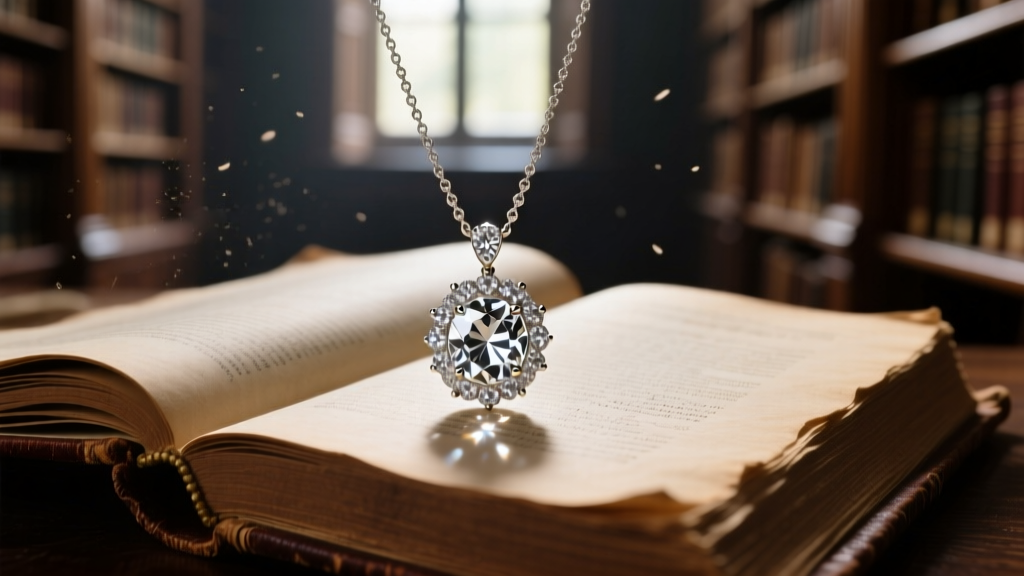
When analyzing the necklace Guy de Maupassant theme, most literature professors focus on the moral perils of vanity, greed, and the illusion of high society. In the classic 1884 short story, Mathilde Loisel borrows what she believes to be a breathtaking diamond necklace, loses it, and spends ten years in grueling poverty to repay a 36,000-franc debt for a replacement. The tragic twist? The original borrowed piece was "paste" (leaded glass) worth a mere 500 francs.
However, from the perspective of a modern jewelry appraiser and budget strategist, this story is not just a moral fable. It is a masterclass in the catastrophic financial risks of retail markup, gemological illiteracy, and the failure to understand true market value. In 2026, the jewelry market is more complex than ever, flooded with advanced simulants, lab-grown diamonds, and opaque pricing structures. By applying the lessons of Mathilde Loisel to modern necklace buying, we can build a rigorous framework for budget and value assessment that protects your net worth.
The Illusion of Authenticity: Paste vs. Modern Simulants
In the late 19th century, "paste" referred to high-lead glass cut with diamond-like facets. It possessed high dispersion (fire) but lacked the hardness and specific gravity of a real diamond. Today, the visual gap between natural diamonds and their alternatives has virtually closed to the naked eye. If Mathilde were navigating the jewelry market today, she would face a spectrum of materials that require specialized gemological equipment to differentiate.

According to the Gemological Institute of America (GIA), lab-grown diamonds (created via CVD or HPHT processes) share the exact same chemical, physical, and optical properties as mined diamonds. Moissanite (silicon carbide), while a simulant, actually exhibits higher brilliance and fire than a diamond, making it a popular budget alternative. Understanding the material composition of a pendant is the first step in avoiding the "Loisel Trap" of overpaying for perceived status.
| Material | Composition | Avg. Retail (1.00ct Pendant) | Resale Value Retention | Naked-Eye Distinction |
|---|---|---|---|---|
| Mined Diamond | Carbon (Natural) | $4,500 - $7,000 | 20% - 35% | None (Baseline) |
| Lab-Grown Diamond | Carbon (Synthetic) | $600 - $1,200 | 10% - 20% | Impossible |
| Moissanite | Silicon Carbide | $300 - $600 | 5% - 15% | Higher fire/dispersion |
| Cubic Zirconia (CZ) | Zirconium Dioxide | $20 - $80 | 0% | Milky over time, dulls |
Decoding the "Replacement Cost" Trap
Mathilde’s fatal error was replacing a borrowed item at retail replacement cost without seeking an independent appraisal or consulting the original owner. She purchased the replacement necklace from a Palais-Royal jeweler at a massive retail markup, assuming the price tag equated to intrinsic value.
In modern jewelry budgeting, consumers frequently confuse Insurance Replacement Value (IRV) with Fair Market Value (FMV). The Jewelers of America organization notes that insurance appraisals are often inflated by 50% to 100% above actual retail prices to ensure adequate coverage in case of loss. If you purchase a necklace based on its appraised IRV rather than its actual market transaction price, you are instantly underwater on your investment.
"The tragedy of Mathilde Loisel was not merely her vanity, but her reliance on retail price tags as an indicator of intrinsic truth. Transparency, not carat weight, is the ultimate luxury.Quote"
The 3-Point Value Assessment Framework
To avoid paying 36,000 francs for a 500-franc necklace, modern buyers must evaluate fine jewelry using a strict, data-driven framework before signing any financing agreements:
- Metal Melt & Purity Audit: Calculate the baseline value of the chain and setting. A 5-gram 14k gold chain has a raw melt value of roughly $180-$220 (depending on daily gold spot prices). If a brand is charging a 500% premium over melt weight, you are paying for a logo, not materials.
- Gemstone Origin & Grading Verification: Never purchase a diamond pendant over $1,500 without a verifiable grading report from a top-tier, independent laboratory (GIA or AGS). IGI and GCAL are excellent for lab-grown stones. If a seller relies on "in-house certificates," walk away.
- The Maker's Premium Calculation: Determine what percentage of the price is attributed to brand prestige. Heritage houses (e.g., Cartier, Van Cleef & Arpels) command a 200-400% brand tax. Independent bench jewelers offer identical metallurgical and gemological quality at a fraction of the cost.
Budgeting for Status: Avoiding Financial Ruin
The core of the necklace Guy de Maupassant theme revolves around the destructive nature of status anxiety. Mathilde wanted to project a level of wealth she did not possess, leading to a decade of financial ruin. In 2026, this behavior manifests through predatory jewelry financing—specifically, 24-to-36-month high-interest installment plans used to purchase depreciating luxury assets.
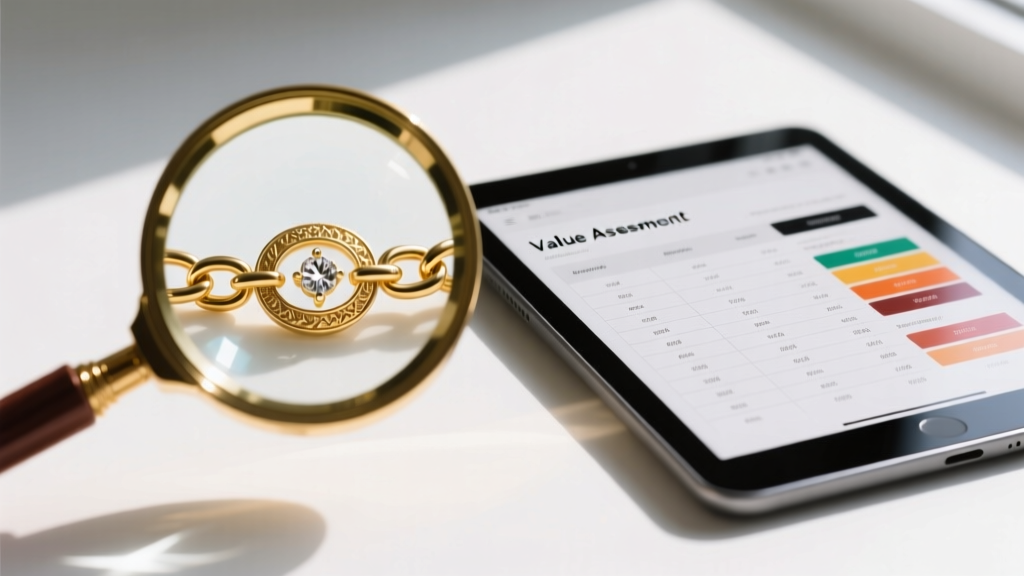
When assessing your budget for a fine diamond or gemstone necklace, implement the 1-3% Liquid Net Worth Rule. Your total expenditure on a single piece of status-driven jewelry should not exceed 1% to 3% of your liquid assets (cash, stocks, bonds). If your liquid net worth is $50,000, your absolute ceiling for a necklace should be $1,500. This naturally steers you toward high-quality lab-grown diamonds, moissanite, or smaller, ethically sourced mined diamonds set in solid gold, rather than stretching for a massive, heavily included mined diamond that will strain your finances.
Furthermore, always factor in the "Cost of Wear." A delicate 18k gold chain with a heavy diamond pendant is prone to snapping. The Loisel family's ruin was triggered by a broken clasp/lost item. Investing in a sturdy, well-engineered clasp (like a lobster clasp with a safety catch) and insuring the piece through a specialized jewelry rider (rather than relying on a generic homeowner's policy) is a mandatory part of the modern value assessment.
Conclusion: True Value Lies in Transparency
The ultimate irony of Guy de Maupassant’s masterpiece is that the tragedy could have been entirely avoided with a single honest conversation. If Mathilde had simply admitted to her friend that she lost the necklace, she would have been told it was a piece of costume jewelry. In today’s jewelry market, transparency is your greatest financial shield. Whether you are opting for a flawless lab-grown diamond pendant or a vintage gold locket, demand full disclosure on material origins, grading reports, and pricing structures. By prioritizing gemological truth over the illusion of status, you ensure that your jewelry remains a source of joy, rather than a ten-year sentence of debt.


