Necklace of Bees Value Guide: 2026 Pricing and Material Analysis
Is a luxury necklace of bees worth the investment? Our 2026 value guide breaks down pricing tiers, enamel types, and material longevity.

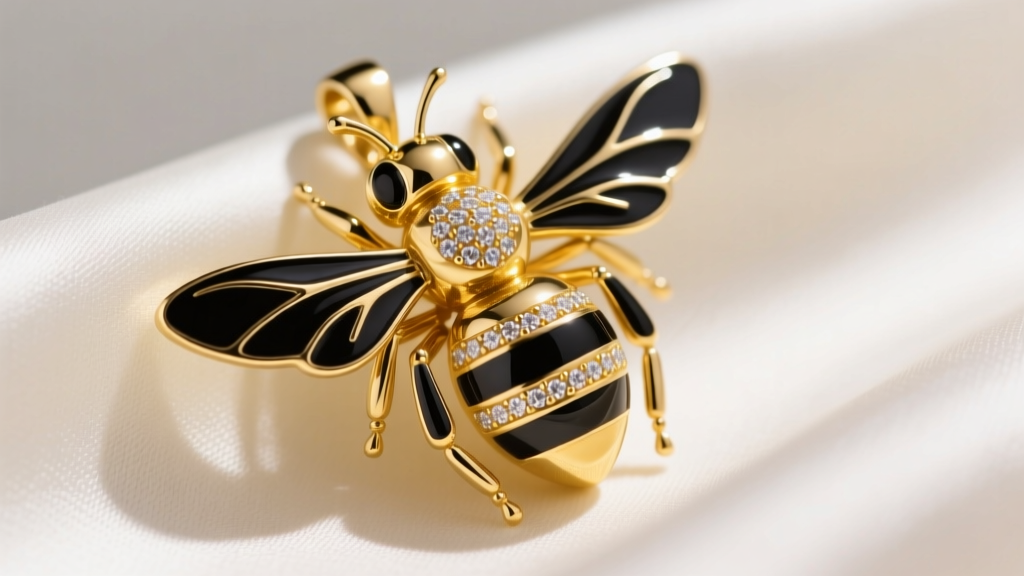
The Allure of the Apian Aesthetic: Why Bee Jewelry Holds Value
The apian motif has captivated jewelry designers for centuries, but the modern necklace of bees has evolved from a historical symbol of royalty into a highly sought-after staple in contemporary fine jewelry. Historically popularized by Napoleon Bonaparte as an emblem of his empire, and later revitalized by luxury houses like Gucci and Boucheron, the bee pendant represents community, brilliance, and immortality. However, as the motif has saturated the market in 2026, consumers are left navigating a confusing landscape of pricing. Is a luxury designer bee necklace truly worth the four-figure price tag, or do mid-tier artisan alternatives offer superior value? To answer this, we must look past the brand name and conduct a rigorous budget and value assessment based on metallurgy, enamel craftsmanship, and structural longevity.
Material Breakdown: What Are You Actually Paying For?
When evaluating the true cost of a bee pendant, the base metal and the wing detailing are the primary cost drivers. The wings of a bee necklace are almost always rendered in enamel, but not all enamel is created equal. Understanding the distinction between vitreous enamel and cold enamel is critical for assessing long-term value.
According to the GIA Gem Encyclopedia, vitreous (or kiln-fired) enamel is made from powdered glass fused to metal at extreme temperatures (around 1,500°F). This creates a durable, scratch-resistant, and luminous finish that will not yellow over time. Conversely, 'cold enamel' is actually a tinted epoxy resin. While cheaper to produce and capable of achieving vibrant colors, resin enamel is highly susceptible to UV degradation, micro-scratches, and chemical degradation from perfumes and lotions.
| Material / Technique | Expected Lifespan | Repairability | Value Retention |
|---|---|---|---|
| Solid 18k Gold + Vitreous Enamel | Generational (100+ years) | High (Requires specialist) | Excellent |
| Solid 14k Gold + Cold Resin Enamel | 15 - 30 years | Moderate (Resin can be repoured) | Good |
| Gold Vermeil (2.5μm+) + Cold Enamel | 5 - 10 years | Low (Replating risks enamel damage) | Fair |
| Flash Plated Brass + Resin | 1 - 3 years | None (Disposable) | Poor |
For the base metal, the Federal Trade Commission (FTC) strictly regulates the term 'gold vermeil.' To be legally classified as vermeil in the United States, the piece must have a sterling silver base and a gold plating of at least 2.5 microns thick. Many budget brands use the term 'vermeil' loosely, applying a mere 0.5-micron flash plating over brass, which guarantees rapid wear-through and skin oxidation.
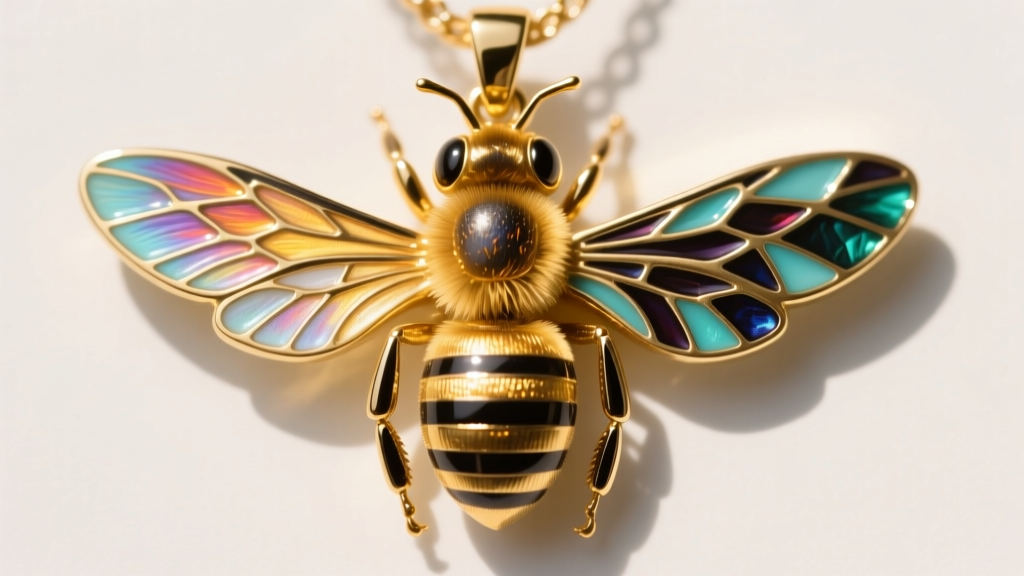
Market Tiers: Comparing the Necklace of Bees Across Price Points
To determine your return on investment (ROI), we must segment the market into three distinct tiers. Each tier caters to a different buyer profile, from the legacy collector to the trend-conscious layerer.
The Luxury Tier: Designer Heritage ($1,800 - $4,500+)
At the apex of the market are the heritage designers. A luxury necklace of bees in this tier typically features solid 18k yellow or rose gold, hand-guilloché vitreous enamel, and VS-clarity melee diamonds accenting the thorax or eyes. The value proposition here is not purely metallurgical; you are paying for brand heritage, resale liquidity, and master-level artisan finishing. The guilloché technique involves engine-turning the gold base before applying translucent enamel, creating a mesmerizing, light-catching moiré effect that mass-market factories cannot replicate. If your goal is heirloom preservation and brand recognition, this tier justifies its premium.
The Artisan Mid-Tier: Independent Jewelers ($350 - $950)
This is the sweet spot for pure material value. Independent goldsmiths and boutique studios often offer solid 14k gold bee pendants with high-grade cold enamel or small ethically sourced sapphires. By bypassing the massive marketing overhead of luxury conglomerates, these artisans pass the savings into heavier gold gram weights. A $600 artisan piece will often contain more actual gold and feature sturdier jump rings than a $2,000 designer piece, making it the superior choice for daily, worry-free wear.
The Fast Fashion Tier: Mass Market ($45 - $150)
Budget bee necklaces are ubiquitous, but they represent the poorest long-term value. These pieces rely on brass or zinc alloy bases with thin gold wash and opaque painted resins. While perfectly acceptable for a seasonal trend or a single-event costume piece, they fail the 'cost-per-wear' test. Within 18 months of regular wear, the friction from clothing and the acidity of human sweat will compromise the plating, leading to irreversible tarnishing and the dreaded 'green skin' effect.
Chain Pairing & Gauge Mechanics: The Hidden Cost of Heavy Pendants
A critical, often overlooked aspect of the budget assessment is the chain required to support the pendant. Bee pendants, especially those cast in solid gold with enamel wings, are notoriously dense and front-heavy. A delicate 1.0mm cable chain, while aesthetically pleasing, is a structural liability for a 12-gram solid gold bee.
- 1.5mm to 2.0mm Box Chains: The ideal choice for medium-to-heavy bee pendants. The square, interlocking links distribute weight evenly and resist kinking, which is vital when a heavy pendant constantly pulls the chain through the bail.
- 1.2mm Wheat (Spiga) Chains: Excellent for a vintage, textured look that complements the organic nature of a bee motif. The woven structure provides high tensile strength.
- Hidden Bails vs. Standard Jump Rings: Luxury pendants often feature hidden bails that allow the chain to pass directly through the bee's body, creating the illusion of a floating pendant. Ensure your chain's end caps are small enough to thread through these hidden channels, or budget an extra $40-$75 for a jeweler to solder a custom jump ring adapter.
Failure Modes and Maintenance Costs
Even the finest jewelry requires maintenance. When budgeting for a necklace of bees, factor in the specific failure modes associated with this motif:
- Thermal Shock to Vitreous Enamel: While glass-based enamel is scratch-resistant, it is brittle. Dropping the pendant on a marble countertop or exposing it to sudden, extreme temperature changes can cause micro-fractures or outright shattering of the wing enamel. Repairing vitreous enamel requires a master enamelist and can cost upwards of $300.
- Prong Wear on Accent Stones: If your bee features diamond or sapphire accents on the thorax, the prongs are typically very small to maintain the insect's organic shape. Have a jeweler inspect these micro-prongs every 18 months to prevent stone loss.
- Resin Yellowing: White or pale yellow cold enamel resin will inevitably absorb UV radiation and yellow over time. This is a chemical breakdown that cannot be polished out; the resin must be entirely drilled out and repoured.
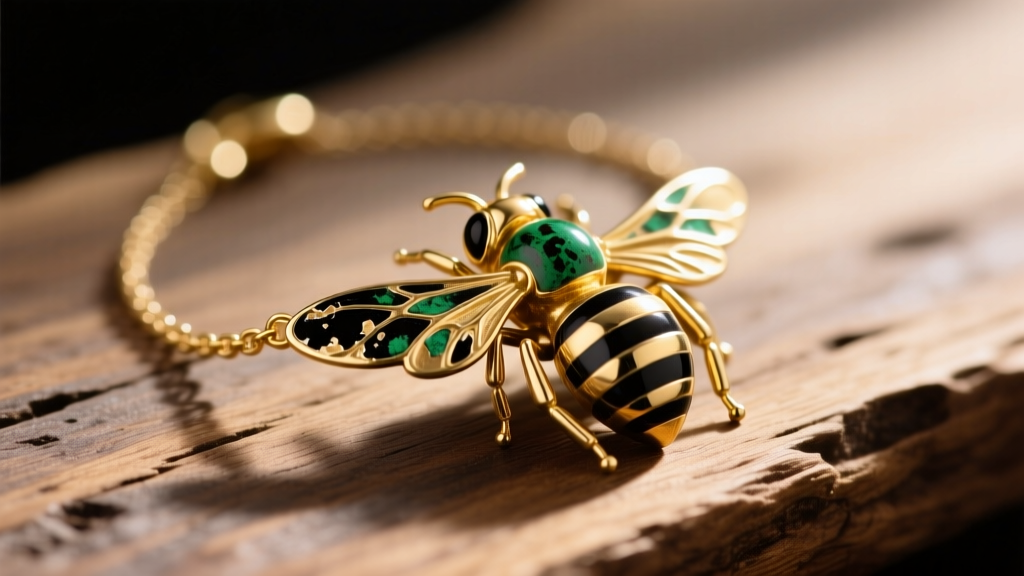
The Verdict: How to Maximize Your ROI on a Bee Pendant
So, is a luxury necklace of bees worth the investment in 2026? The answer depends entirely on your definition of value. If you view jewelry as a liquid asset and a wearable piece of art history, the luxury tier's guilloché enamel and brand prestige hold undeniable value. However, for the pragmatic buyer seeking longevity, aesthetic beauty, and daily wearability, the artisan mid-tier offers the most mathematical sense. By prioritizing solid 14k gold, demanding a minimum of 2.5-micron plating if opting for vermeil, and pairing the pendant with a structurally sound 1.5mm box chain, you secure a piece that will outlive fast-fashion trends and remain a cornerstone of your jewelry wardrobe for decades.
Expert Styling Tip: When layering a detailed bee pendant, keep it as the focal point. Pair it with a simple 1.2mm solid gold rope chain at the 18-inch mark, and layer it above a plain, unadorned 16-inch herringbone chain. This provides a luxurious metallic backdrop that frames the bee without competing with its intricate enamel wings.


