The Ultimate Necklace Pearl Cage Buying Guide: Styles & Metals
Discover how to choose the perfect necklace pearl cage. Our expert buying guide covers metal grades, pearl sizing, pricing, and care tips.

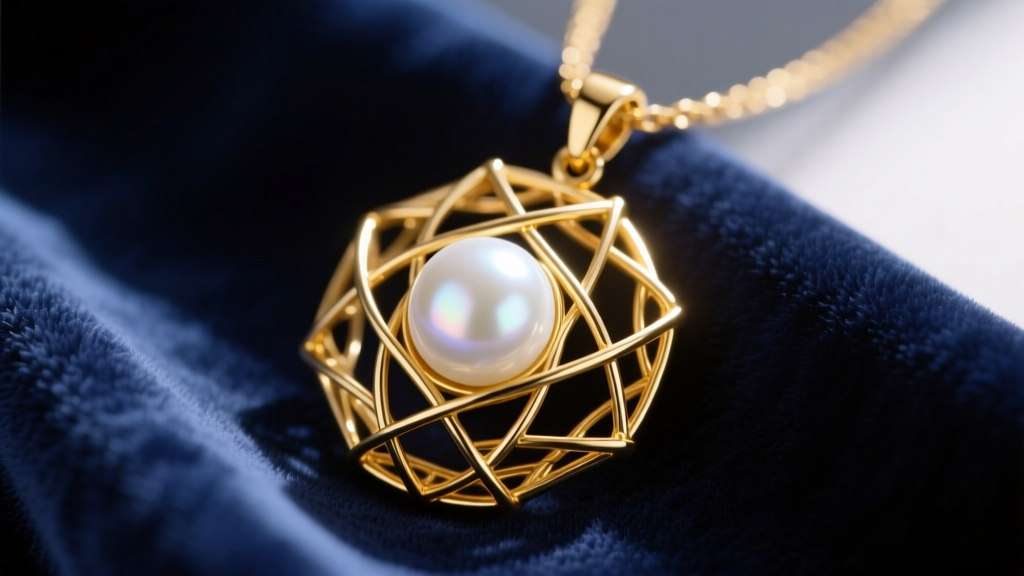
The Allure of the Caged Pearl: A Timeless Aesthetic
The necklace pearl cage is a masterclass in jewelry design, marrying the organic, luminous beauty of a pearl with the structured, architectural precision of a metal framework. Historically rooted in Victorian mourning jewelry and later popularized by mid-century geometric minimalism, the caged pearl pendant protects its precious centerpiece while allowing light to penetrate from multiple angles, maximizing the pearl's natural luster. However, buying a high-quality caged pearl necklace requires navigating a minefield of poor tolerances, incompatible metal grades, and fragile construction. This comprehensive buying guide will equip you with the exact specifications, material grades, and structural insights needed to invest in a piece that will last a lifetime.
Decoding the Anatomy of a Pearl Cage Pendant
A caged pearl pendant is not merely a wire wrapped around a bead. It is an engineered micro-structure that must account for the pearl's fragility, the metal's tensile strength, and the constant friction of daily wear. When evaluating a necklace pearl cage, you must scrutinize both the metal framework and the pearl it houses.
Metal Frameworks: Durability and Tarnish Resistance
The metal cage dictates the longevity and maintenance requirements of the pendant. Because the metal is in constant, direct contact with the pearl's delicate nacre, the choice of alloy is critical.
- 14k and 18k Solid Gold: The gold standard for heirloom pieces. 14k gold offers superior rigidity, meaning the cage is less likely to bend and release the pearl upon impact. 18k gold provides a richer, warmer hue that beautifully enhances the cream and rose overtones of Akoya and South Sea pearls, though it is slightly softer.
- Sterling Silver (925): A popular, affordable choice that highlights the silver and blue overtones of white pearls. However, un-plated sterling silver tarnishes when exposed to sulfur and skin oils. This tarnish can transfer to the pearl's porous surface, causing permanent dulling. Always look for sterling silver cages that are heavily rhodium-plated to create an inert barrier between the silver and the pearl.
- Gold Vermeil: Vermeil consists of a sterling silver base plated with a thick layer of gold (legally required to be at least 2.5 microns thick). While more durable than standard gold plating, the friction of a loose pearl rolling inside the cage can eventually wear through the gold layer at the contact points, exposing the silver beneath.
The Pearl: Sizing, Type, and the Tolerance Trap
According to the GIA Pearl Quality Factors, a pearl's value is determined by luster, surface quality, shape, and size. In a cage setting, shape and exact millimeter sizing are paramount. Most cages are designed for perfectly round pearls, typically ranging from 6mm to 9mm.
The Tolerance Trap: The most common failure point in mass-produced pearl cage necklaces is poor manufacturing tolerance. If a cage is designed for an 8.0mm pearl but the internal diameter is actually 8.4mm, the pearl will rattle. Over months of wear, this micro-movement acts like sandpaper, wearing away the nacre at the contact points and eventually cracking the pearl. Conversely, if the cage is too tight (e.g., 7.9mm for an 8.0mm pearl), temperature fluctuations can cause the metal to expand and contract, placing immense pressure on the pearl and causing it to fracture. High-end jewelers hand-match pearls to cages with a strict tolerance of +/- 0.1mm.
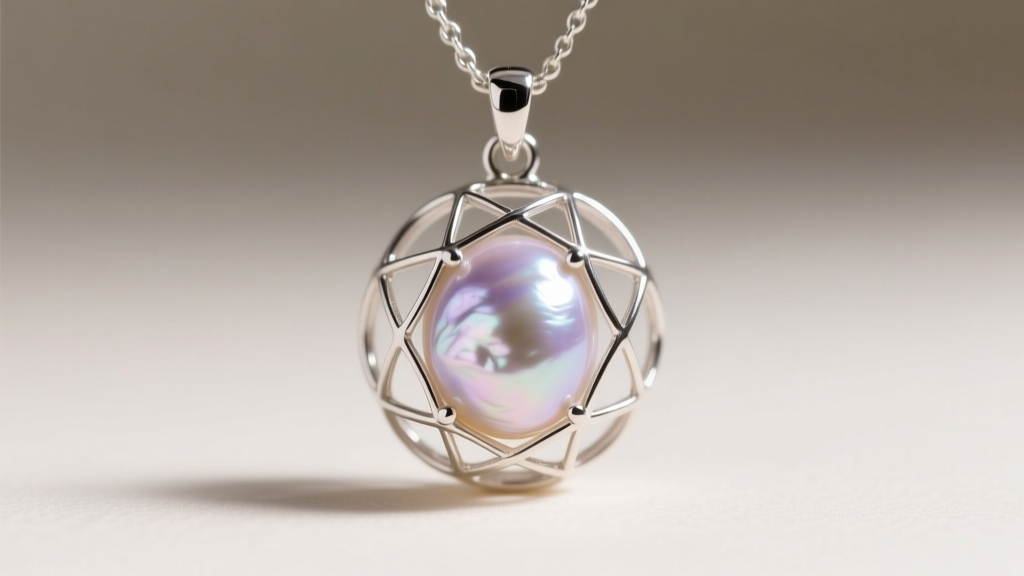
Hinged vs. Soldered Cages: A Structural Decision
When shopping for a necklace pearl cage, you will encounter two primary structural designs, each with distinct advantages and vulnerabilities.
'A soldered cage is a vault; a hinged cage is a door. The vault protects the pearl forever but limits your styling options. The door lets you swap pearls for different occasions, but requires vigilant maintenance to ensure the hinge and clasp do not fail.' — Master Bench Jeweler
- Soldered (Permanent) Cages: The pearl is placed inside, and the final metal strut is laser-welded or soldered shut. This is the safest option for high-value pearls, as it eliminates the risk of the pearl falling out. The downside is that the pendant cannot be cleaned as thoroughly, and the pearl cannot be upgraded or replaced without cutting the metal.
- Hinged or Screw-Top Cages: These feature a microscopic hinge and a threaded screw or tension clasp. They allow you to swap out pearls—perhaps wearing a white Akoya for the office and a black Tahitian for the evening. However, the threads can strip over time, and if the screw loosens unnoticed, the pearl will drop and likely chip or shatter on a hard floor.
Pricing Tiers: What to Expect in the Current Market
Understanding the pricing landscape helps you identify fair market value and avoid overpaying for inferior materials. Below is a breakdown of what you should expect to pay based on metal grade and pearl origin.
| Tier | Metal & Pearl Combination | Estimated Price Range | Best Use Case |
|---|---|---|---|
| Entry-Level | Sterling Silver & Commercial Freshwater | $45 - $120 | Everyday wear, trend-focused styling, gifting |
| Mid-Range | 14k Solid Gold & AAA Freshwater or Akoya | $250 - $650 | Signature daily pieces, milestone gifts |
| Heirloom | 18k Gold & Hanadama Akoya or South Sea | $850 - $3,000+ | Investment pieces, formal wear, bridal |
When evaluating mid-range and heirloom tiers, ensure the listing specifies the pearl's luster grade and nacre thickness. A cage pendant featuring a bead-nucleated pearl with thin nacre (under 0.4mm) is a poor investment, as the cage's metal contact points will quickly wear through to the bead nucleus.
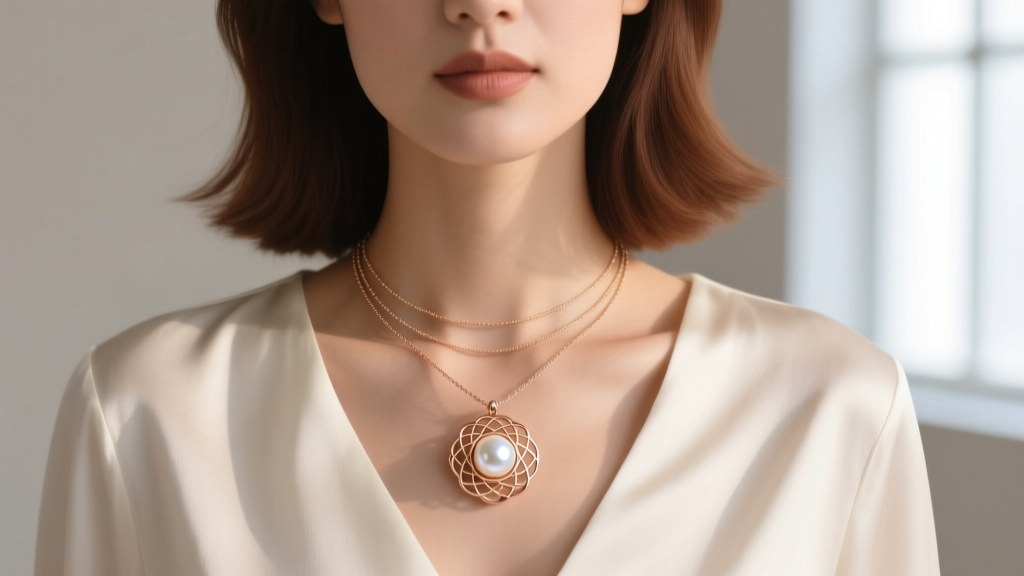
Chain Pairing: Matching the Cage to the Chain
A heavy, intricate metal cage pendant requires a chain that can support its weight without succumbing to friction fatigue. The bail (the loop connecting the cage to the chain) acts as a pivot point. If paired with a delicate 0.8mm cable chain, the bail will eventually act like a saw, cutting through the soft gold or silver links.
- For Lightweight Cages (Under 3 grams): A 1.0mm to 1.2mm box chain or wheat chain provides adequate support while maintaining a delicate, feminine aesthetic.
- For Heavyweight Cages (Over 5 grams): Opt for a 1.5mm to 2.0mm rope chain or a sturdy figaro chain. These styles distribute the weight evenly and resist kinking, which is crucial for preserving the structural integrity of the necklace.
Maintenance: Cleaning Caged Pearls Without Damage
Cleaning a necklace pearl cage requires a delicate touch. The most critical rule is to never use an ultrasonic cleaner. The high-frequency vibrations of an ultrasonic bath will cause the pearl to violently rattle against the inside of the metal cage, leading to severe surface abrasions, micro-fractures, or total shattering. Furthermore, harsh chemical dips used for cleaning silver or gold will strip the pearl's natural orient and luster.
According to the GIA Pearl Care and Cleaning guidelines, pearls are highly sensitive to acids and alkalis. To clean your caged pendant safely:
- Dampen a soft, lint-free microfiber cloth with distilled water.
- Gently wipe the metal framework to remove skin oils and environmental dust.
- Use a dry, soft-bristled makeup brush to gently sweep dust out from the intricate crevices of the cage where the cloth cannot reach.
- Wipe the pearl itself with a separate, clean, slightly damp cloth, then immediately dry it with a soft towel.
- Store the necklace flat in a soft pouch. Hanging a heavy caged pendant for long periods can stretch the chain and place undue stress on the bail.
Final Verdict: Choosing Your Signature Piece
A necklace pearl cage is more than just a protective housing; it is a framing device that elevates the pearl's natural beauty through contrast and geometry. When making your purchase, prioritize exact millimeter tolerances, opt for solid gold or rhodium-plated silver to prevent tarnish transfer, and select a chain robust enough to handle the pendant's weight. By focusing on these structural and material details, you will secure a piece of jewelry that is not only visually striking but engineered to endure as a lasting heirloom.


