How to Style a Necklace Percy Jackson Fans Actually Love
Discover how to choose, craft, and style the perfect Camp Half-Blood beaded cord. Our necklace Percy Jackson guide covers leather grades and bead types.

The Anatomy of the Camp Half-Blood Necklace
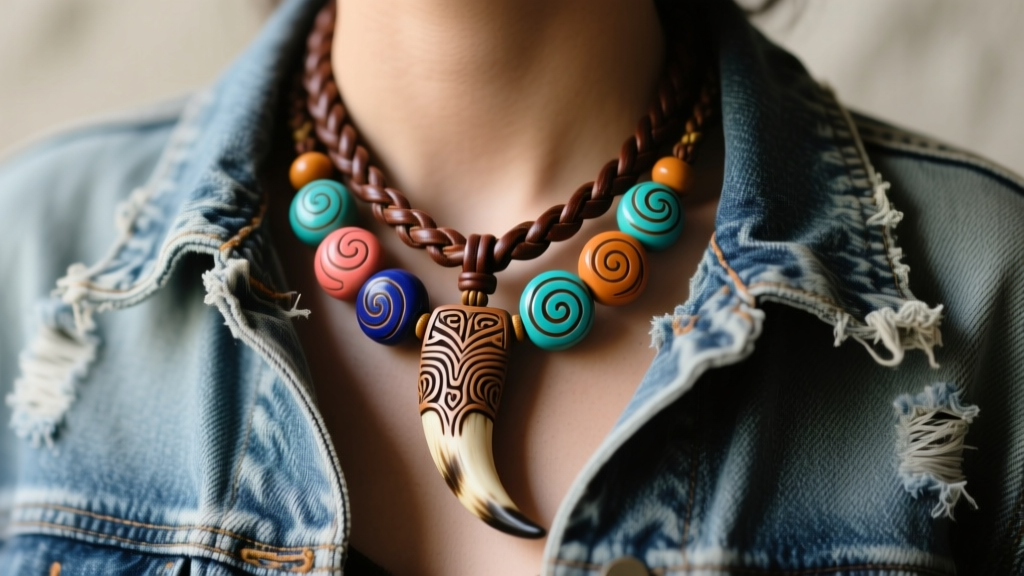
The Camp Half-Blood necklace is more than just a fictional accessory; it is a cultural touchstone for millions of readers and a staple in the cosplay and everyday fandom jewelry market. Originally described in Rick Riordan’s beloved series, the necklace serves as a demigod’s scrapbook, with each bead representing a summer survived at camp. For fans looking to purchase or craft an authentic replica, understanding the structural anatomy of this piece is the first step. According to the Camp Half-Blood Wiki, the standard design features a simple leather cord strung with hand-painted clay beads and, occasionally, a focal pendant like the Minotaur horn.
However, translating a literary description into a durable, wearable piece of jewelry requires specific material knowledge. A flimsy, mass-produced version will snap within weeks, while a properly constructed piece can become a lifelong wardrobe staple. This guide breaks down the exact materials, sizing metrics, and styling techniques needed to elevate your demigod jewelry game.
Choosing the Right Cord: Leather Grades & Thickness
The foundation of any beaded leather necklace is the cord itself. When shopping for a high-quality necklace, Percy Jackson enthusiasts should immediately check the leather grade and thickness. Avoid "genuine leather" labels, which in the jewelry industry often refer to low-grade, glued-together leather scraps that peel and crack. Instead, look for top-grain or full-grain leather.
Thickness and Sizing Metrics
- 2mm Round Braided Leather: The most versatile and popular choice. It is thick enough to hold heavy clay beads without stretching, yet flexible enough to tie secure macrame knots. It easily slides through standard 3mm to 4mm bead holes.
- 3mm Flat Leather: Offers a more rugged, masculine aesthetic. However, flat leather is notoriously difficult to knot securely. If you choose 3mm flat leather, you will need to use specialized flat-leather crimp ends and metal lobster clasps rather than sliding knots.
- Waxed Hemp or Cotton (1.5mm - 2mm): An excellent vegan alternative. Waxed hemp provides incredible tensile strength and a natural, earthy texture that mimics the rustic vibe of Camp Half-Blood. As noted by Leather Crafters, natural fibers require different conditioning than animal hides but offer superior water resistance when properly waxed.
Bead Materials: Polymer Clay, Glass, or Resin?
The beads are the soul of the necklace, telling the story of the wearer. While mass-market replicas use cheap, injection-molded plastic, premium artisan pieces utilize three primary materials. Each has distinct weight, durability, and painting characteristics.
1. Polymer Clay (The Artisan Standard)
High-end handmade replicas typically use polymer clay brands like Sculpey Premo or Fimo Professional. These clays are baked at precisely 275°F (135°C) to cure. Once baked, they are sanded, primed with a layer of Gesso, and hand-painted with heavy-body acrylics. The result is a lightweight, highly detailed bead that won't shatter if dropped on a hardwood floor.
2. Lampworked Glass
For a premium, heirloom-quality piece, glass beads are unmatched. Lampworkers melt glass rods over a torch, wrapping the molten glass around a steel mandrel to create the bead hole. Glass offers a beautiful, subtle weight and a naturally glossy finish, but it is fragile and can chip against metal pendants.
3. Cast Resin
Resin beads are created by pouring liquid epoxy or UV resin into silicone molds. This is the most common material for intricate 3D shapes, like a detailed Pegasus or a trident. Resin is highly durable and waterproof, though cheaper resins can yellow over time when exposed to UV sunlight.
Material Comparison Chart
| Material | Durability | Weight | Avg. Price per Bead | Best For |
|---|---|---|---|---|
| Polymer Clay | High (Shatterproof) | Very Light | $4.00 - $8.00 | Hand-painted camp scenes |
| Lampworked Glass | Medium (Can chip) | Medium/Heavy | $12.00 - $25.00 | Glossy, elemental designs |
| Cast Resin | Very High | Light | $3.00 - $6.00 | Complex 3D figurines |
| Injection Plastic | Low (Scratches easily) | Very Light | $0.50 - $1.50 | Budget cosplay props |
Sizing, Knotting, and Hardware
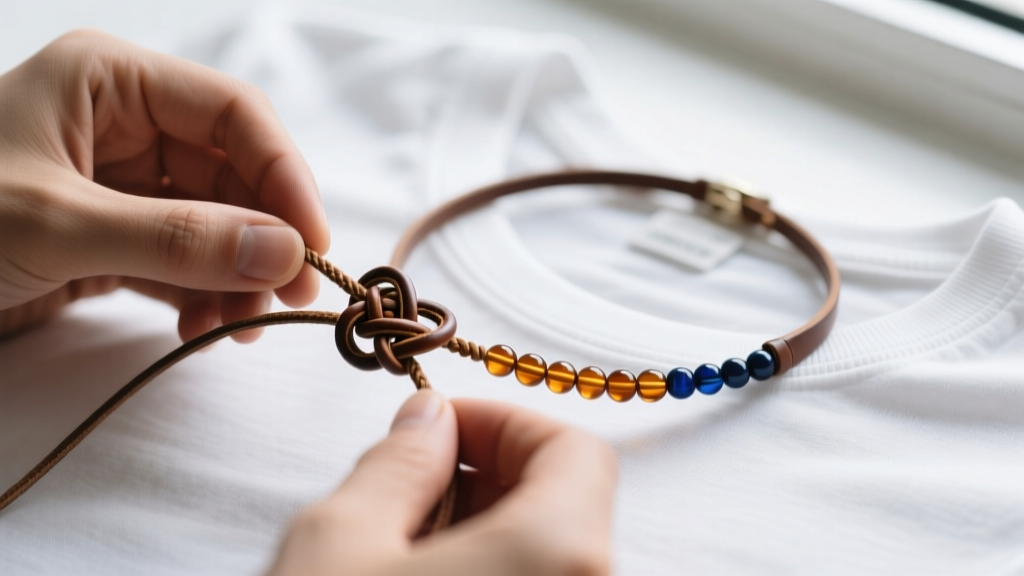
A common mistake beginners make is buying a necklace with a fixed length that sits awkwardly on the collarbone. The Camp Half-Blood necklace is traditionally worn as a choker or a short princess-length piece (16 to 18 inches). To achieve a custom fit, the sliding square knot (also known as a macrame square knot) is the gold standard.
Pro Tip: When tying a sliding square knot on a 2mm leather cord, use a separate 1mm waxed cotton cord for the knot itself. Tying thick leather over thick leather creates a bulky, stiff knot that won't slide smoothly. The 1mm cotton grips the leather perfectly while remaining low-profile.
If you prefer not to tie knots, opt for a necklace finished with a 925 sterling silver lobster clasp. Ensure the jump rings connecting the clasp to the leather are soldered closed; open jump rings will easily pull apart under the weight of glass or resin beads, resulting in a lost necklace.
Styling Your Necklace for Everyday Wear
Transitioning a fandom necklace from a convention floor to everyday streetwear requires thoughtful styling. The key is to treat the beaded cord as a textured, bohemian layering piece rather than a costume prop.
Layering Techniques
The 2mm leather cord pairs beautifully with metallic chains. Try layering your 18-inch beaded leather necklace with a 20-inch oxidized silver chain and a 22-inch minimalist gold bar necklace. The mixed metals and contrasting textures (leather vs. metal) create a sophisticated, rugged aesthetic that works well with casual streetwear, flannel shirts, and denim jackets.
Neckline Pairings
- Crew Necks: Keep the necklace short (16 inches) so the beads rest directly on the fabric of the shirt, acting as a colorful collar accent.
- V-Necks and Henleys: Allow the necklace to drop slightly longer (18-20 inches) so the focal pendant rests in the negative space of the V, drawing the eye downward and elongating the neck.
- Button-Downs: Wear the necklace underneath an unbuttoned linen or chambray shirt for a relaxed, layered summer look.
Long-Term Care and Maintenance
Because this necklace combines organic materials (leather/hemp) with painted surfaces, it requires specific maintenance to survive daily wear, sweat, and humidity.
Leather Conditioning
Leather dries out and becomes brittle over time, especially when exposed to body oils and sunlight. Every three to six months, apply a small amount of a high-quality leather conditioner, such as Bickmore Bick 4, to a microfiber cloth and gently rub it into the cord. Avoid conditioners containing waxes or silicones, as these can clog the leather's pores and cause the beads to slip off if the cord becomes too slick.
Protecting Painted Beads
If you are commissioning or crafting polymer clay beads, ensure the artist seals the acrylic paint. A minimum of two coats of a water-based polyurethane varnish, like DuraClear Gloss or Mod Podge Clear Acrylic Sealer, is mandatory. This prevents the paint from chipping or transferring onto your clothing when you sweat. Never wear unsealed clay beads in the shower or pool, as prolonged water exposure will cause the paint to lift and the clay to degrade.
By investing in top-grain leather, properly sealed artisan beads, and utilizing secure macrame hardware, you can build a necklace that honors the lore while functioning as a high-quality, everyday accessory. Whether you are surviving a summer at camp or just navigating the daily quests of modern life, the right materials ensure your armor stays intact.


