How to Style and Wear a Toggle Cross Necklace Flawlessly
Learn how to style, layer, and securely fasten a toggle cross necklace. Step-by-step guide on lengths, materials, and neckline pairings.


The Unique Appeal of the Toggle Cross Necklace
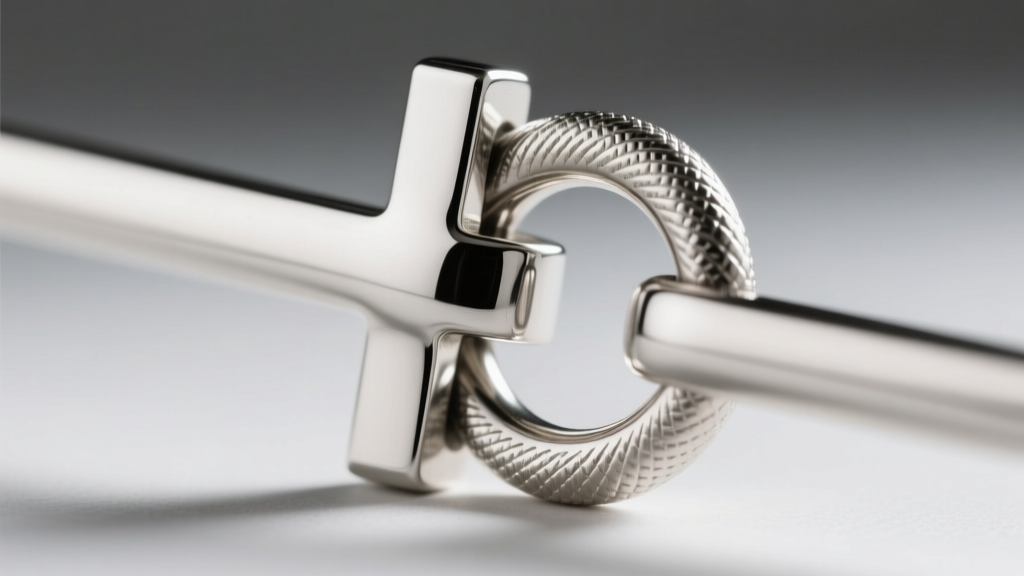
A toggle cross necklace is a masterclass in functional jewelry design. Unlike traditional pendants that hang from a fixed bail, the toggle cross serves a dual purpose: it is both the striking focal point of the piece and the mechanical clasp that secures it. The horizontal cross bar (the T-bar) threads through a circular O-ring, locking the necklace in place through tension and gravity. While visually stunning, this dual-function design requires a specific approach to sizing, fastening, and styling. If the chain is too tight, the cross bar can slip out; if layered incorrectly, the mechanism can tangle or scratch adjacent pieces. This comprehensive guide will walk you through the exact steps to wear, secure, and style your toggle cross necklace with absolute confidence.
Understanding the Anatomy and the '2mm Rule'
Before styling, you must understand the hardware. A standard toggle cross necklace consists of four main components: the chain, the O-ring (jump ring), the cross bar (T-bar), and the drop links connecting the bar to the chain. The most common point of failure in these necklaces is improper proportional sizing between the O-ring and the cross bar.
The 2mm Rule for Security
For a toggle clasp to remain secure, the inner diameter of the O-ring must be at least 2mm wider than the total width of the cross bar. If you are purchasing a custom piece or having one resized, ensure the cross bar is typically between 15mm and 25mm wide, and the O-ring's inner diameter is at least 17mm to 27mm. If the ring is too small, the bar will sit at an angle, creating tension that forces the clasp open when you move your neck.
Step-by-Step: How to Securely Fasten the Clasp
Fastening a toggle cross necklace behind your neck without a mirror can be frustrating. The 'blind fasten' technique relies on tactile feedback rather than sight. Follow these steps to secure your necklace effortlessly:
- Position the Chain: Drape the necklace around your neck, holding the O-ring in your non-dominant hand and the cross bar in your dominant hand. Bring both ends to the hollow of your throat or slightly off-center to your dominant side.
- Align the Hardware: Use your thumb and index finger to pinch the O-ring, keeping it perfectly horizontal. Hold the cross bar vertically.
- Thread and Tilt: Slide the top half of the cross bar through the bottom of the O-ring. Once the midpoint of the cross bar passes through the ring, release your grip slightly and let gravity pull the chain downward.
- The Tactile Check: Run your finger over the clasp. The cross bar should be resting completely horizontal, flush against the bottom inner curve of the O-ring. If it feels diagonal, the bar has not fully cleared the ring. Gently tug the chain downward to lock it into place.
Sizing and Drop Lengths: Finding Your Perfect Fit
The physics of a toggle clasp dictate that the chain must have enough slack to allow the cross bar to hang freely. If a toggle necklace is sized like a standard choker (sitting tight against the skin), the natural movement of your neck will pull the cross bar parallel to the O-ring, causing it to unfasten. You must account for the 'drop length'—the extra chain linking the main collar to the cross bar.
| Chain Length | Drop Length | Total Length | Best Neckline Pairing | Security Rating |
|---|---|---|---|---|
| 16 inches | 1.5 inches | 17.5 inches | Scoop neck, Boat neck | Moderate (Requires slack) |
| 18 inches | 2.0 inches | 20.0 inches | V-neck, Button-down | High (Optimal gravity lock) |
| 20 inches | 2.5 inches | 22.5 inches | Crew neck, Turtleneck | Very High (Maximum slack) |
| 24 inches | 3.0 inches | 27.0 inches | Deep plunge, Layering base | High (Watch for swinging) |
Pro Tip: According to clasp engineering standards highlighted by Jewelers of America, a toggle mechanism requires a minimum of 1.5 inches of drop chain to maintain the center of gravity below the O-ring, preventing accidental unclasping during normal wear.
Step-by-Step Layering Techniques for Toggle Crosses
Layering a toggle cross necklace requires strategic spacing. Because the cross bar is a rigid, protruding piece of metal, it can easily catch on delicate chains or scratch softer gemstones in a layered stack.
The 2-Inch Gap Framework
Never layer a necklace within 1 inch of the toggle cross's O-ring. The hardware needs physical clearance to rotate and lock. Use the 2-inch gap framework to build your stack:
- Layer 1 (The Base): A 16-inch delicate cable chain or pearl choker. This sits high on the collarbone and remains completely independent of the toggle mechanism.
- Layer 2 (The Toggle Cross): An 18-inch or 20-inch toggle cross necklace. The cross bar will rest safely in the center of your chest, with the O-ring sitting 2 to 4 inches below the first layer.
- Layer 3 (The Anchor): If you want a third layer, opt for a 24-inch matte bead chain or a long lariat that sits well below the cross bar. Avoid chains with large open links that the cross bar could slip through.

Material Grades and Hardware Durability
The O-ring of a toggle cross necklace endures immense friction. Every time you put the necklace on or take it off, the cross bar scrapes against the inner wall of the ring. Over time, this friction can cause 'ovaling'—where a perfectly round ring stretches into an oval shape, compromising the clasp's security.
Comparing Metal Hardness (Vickers Scale)
When investing in a toggle cross, the metal grade is critical for the longevity of the O-ring. According to metallurgical data from the Gemological Institute of America (GIA), alloy composition drastically affects wear resistance:
- Sterling Silver (925): With a Vickers Hardness (HV) of roughly 60-70, sterling silver is prone to ovaling if worn daily. If you choose silver, look for O-rings that are at least 2mm thick (heavyweight gauge) to resist deformation.
- 14k Solid Gold: Boasting an HV of 130-150, 14k gold offers the ideal balance of durability and malleability. It will resist friction wear from the cross bar for decades.
- Platinum: With an HV of 110-130 (but incredibly high tensile strength and density), platinum O-rings are virtually indestructible regarding friction wear, making them the ultimate choice for heirloom-quality toggle crosses.
Avoid gold-plated or gold-vermeil toggle necklaces for everyday wear. The friction of the cross bar will quickly wear away the microscopic plating layer on the inside of the O-ring, exposing the base brass or copper underneath.
Neckline Pairing Framework
The visual weight of the cross bar demands specific fabric pairings to ensure it remains the star of your outfit without damaging your clothing.
What Works:
- Crisp Button-Downs: The rigid collar of a cotton or linen shirt provides a structural frame for the O-ring, while the cross bar lays flat against the placket.
- Deep V-Necks: The geometric lines of the cross bar perfectly echo the angles of a V-neckline, drawing the eye downward and elongating the neck.
- Heavy Knits & Turtlenecks: In winter, a 20-inch or 24-inch toggle cross in yellow or rose gold provides a striking, high-contrast focal point against dark, textured wools.
What to Avoid:
- Delicate Silks and Satins: The sharp edges of the cross bar and the seam of the O-ring can easily snag and pull threads from delicate, high-sheen fabrics.
- High, Ruffled Collars: Ruffles create visual clutter that competes with the geometric simplicity of the cross bar, and the fabric can easily become trapped inside the O-ring.
Maintenance and Care
To keep your toggle mechanism functioning flawlessly, clean the O-ring and cross bar monthly. Use a soft-bristled baby toothbrush and a mild solution of warm water and dish soap to scrub the inside of the O-ring, removing lotion and skin oils that can create a slippery film. Rinse thoroughly and dry with a microfiber cloth. Never use ultrasonic cleaners on toggle necklaces if the cross bar features tension-set gemstones, as the vibrations can loosen the stones. By respecting the mechanics, proportions, and metallurgy of your toggle cross necklace, you ensure it remains a secure, stunning staple in your jewelry rotation for years to come.