Beyond the ZZ Top Pearl Necklace Song: Real Pearl Care Guide
While the ZZ Top pearl necklace song is a classic rock staple, real pearl jewelry requires serious care. Learn expert cleaning and maintenance tips.

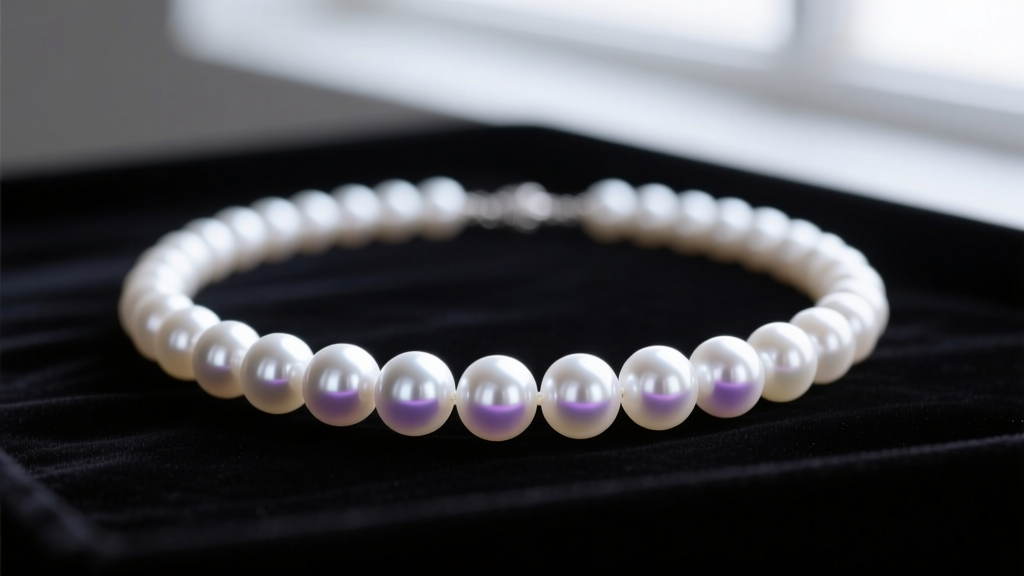
When ZZ Top released their hit track from the 1981 album El Loco, the ZZ Top pearl necklace song became an enduring classic rock staple, famous for its tongue-in-cheek double entendres and Billy Gibbons' signature gritty guitar riffs. But in the gemological and fine jewelry world, a pearl necklace is no punchline—it is a significant financial and emotional investment requiring meticulous, science-backed care. Unlike diamonds or sapphires, pearls are organic biominerals. They are born from living creatures and possess a delicate chemical structure that makes them highly vulnerable to environmental degradation, acidic exposure, and improper cleaning techniques.
Whether you own a strand of perfectly round Japanese Akoya pearls, a dramatic rope of Tahitian black pearls, or a modern freshwater baroque design, maintaining their orient and luster requires a departure from standard jewelry cleaning habits. This comprehensive guide bypasses the rock-and-roll myths and dives deep into the material science of pearl maintenance, offering a professional-grade protocol for cleaning, restringing, and preserving your organic gems for generations.
The Chemistry of Pearl Degradation
To understand how to clean a pearl necklace, you must first understand its microscopic anatomy. Pearls are not minerals; they are composed primarily of aragonite (a crystalline form of calcium carbonate, CaCO3) held together by conchiolin, an organic, horn-like protein. This combination gives pearls their unique luster but also dictates their vulnerabilities.
- Mohs Hardness: Pearls rank between 2.5 and 4.5 on the Mohs scale. For context, a copper penny is a 3.5, and a steel knife is a 5.5. This means pearls can be easily scratched by almost any other gemstone or metal in your jewelry box.
- pH Sensitivity: Calcium carbonate is highly reactive to acids. Human sweat typically has a pH ranging from 4.5 to 7.0. Over time, the natural acidity of your skin, combined with environmental pollutants, will slowly etch the aragonite platelets on the pearl's surface, resulting in a permanent loss of luster and a chalky appearance.
- Conchiolin Dehydration: The organic protein matrix contains trace amounts of water. If exposed to excessively dry environments or intense heat, the conchiolin dries out, leading to "crazing" (a network of fine surface cracks) and eventual peeling of the nacre layers.
According to the Gemological Institute of America (GIA), the most common cause of pearl degradation is not physical impact, but chemical exposure from everyday cosmetics, hairsprays, and perfumes. This is why the golden rule of pearl wear is always "Last On, First Off."


